Understanding Greywater Systems for Water Bill Savings
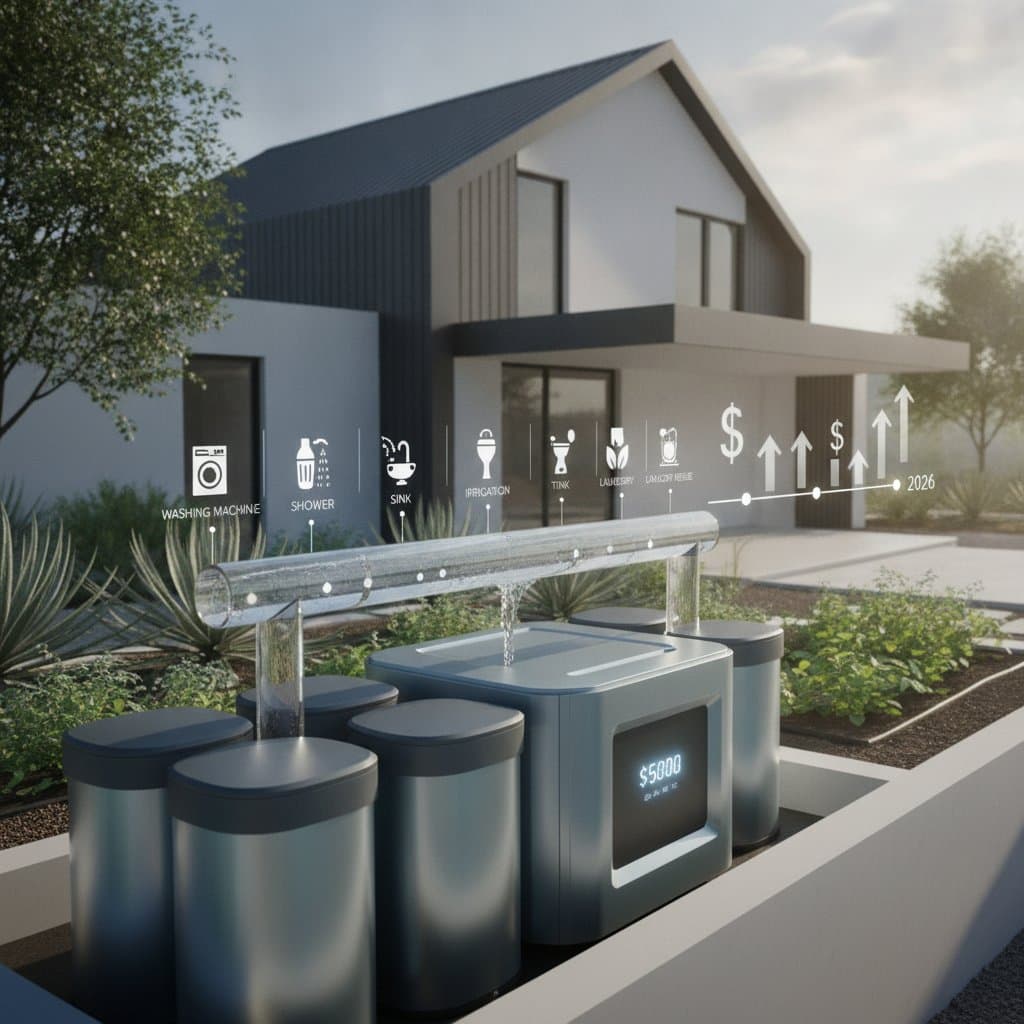
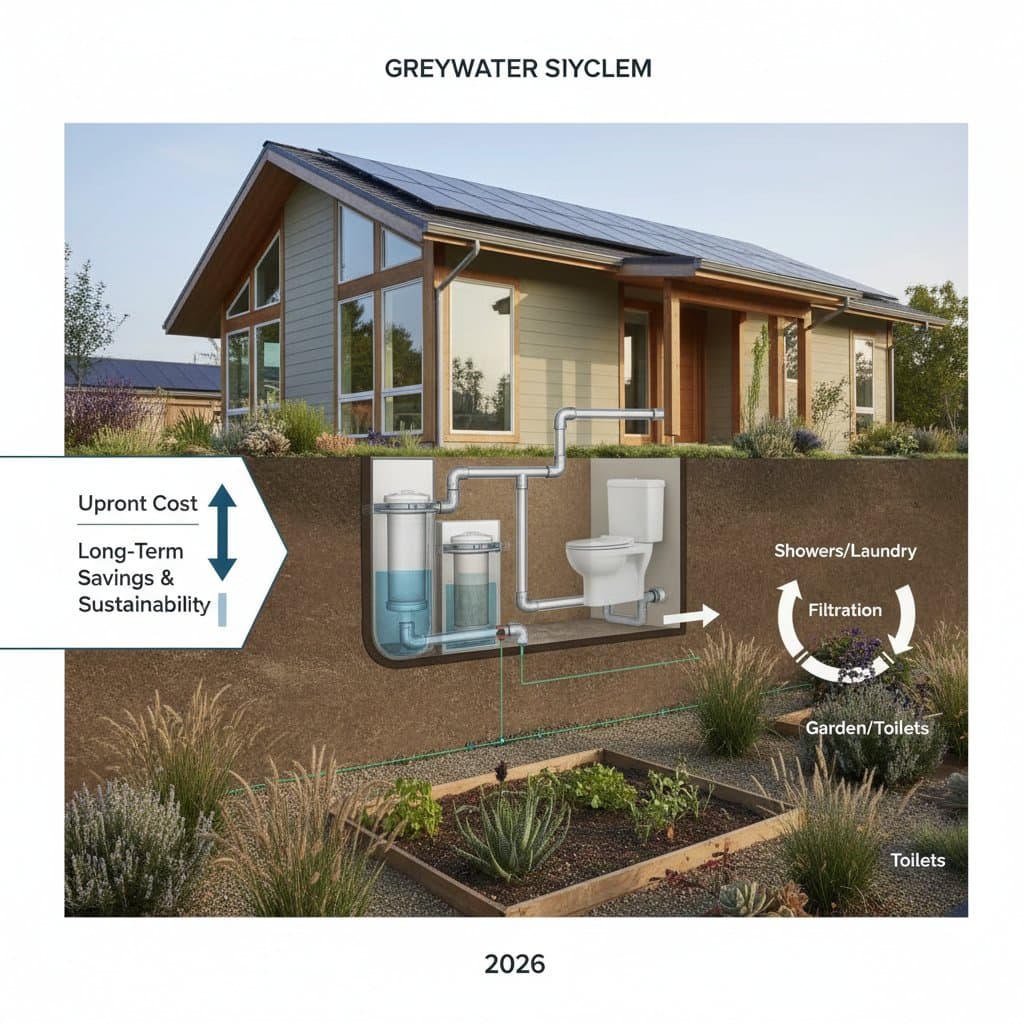
Homeowners seek reliable strategies to decrease utility expenses while maintaining efficient and eco-friendly residences. Greywater diversion emerges as a proven approach to reduce water consumption without compromising daily comfort or cleanliness. These systems capture water from sources like bathroom sinks, showers, and washing machines, then redirect it for uses such as garden watering or toilet replenishment, rather than sending it to the sewer. Although the initial investment appears substantial, persistent financial returns frequently exceed expectations for those who proceed with the installation.
Functions of Greywater Systems
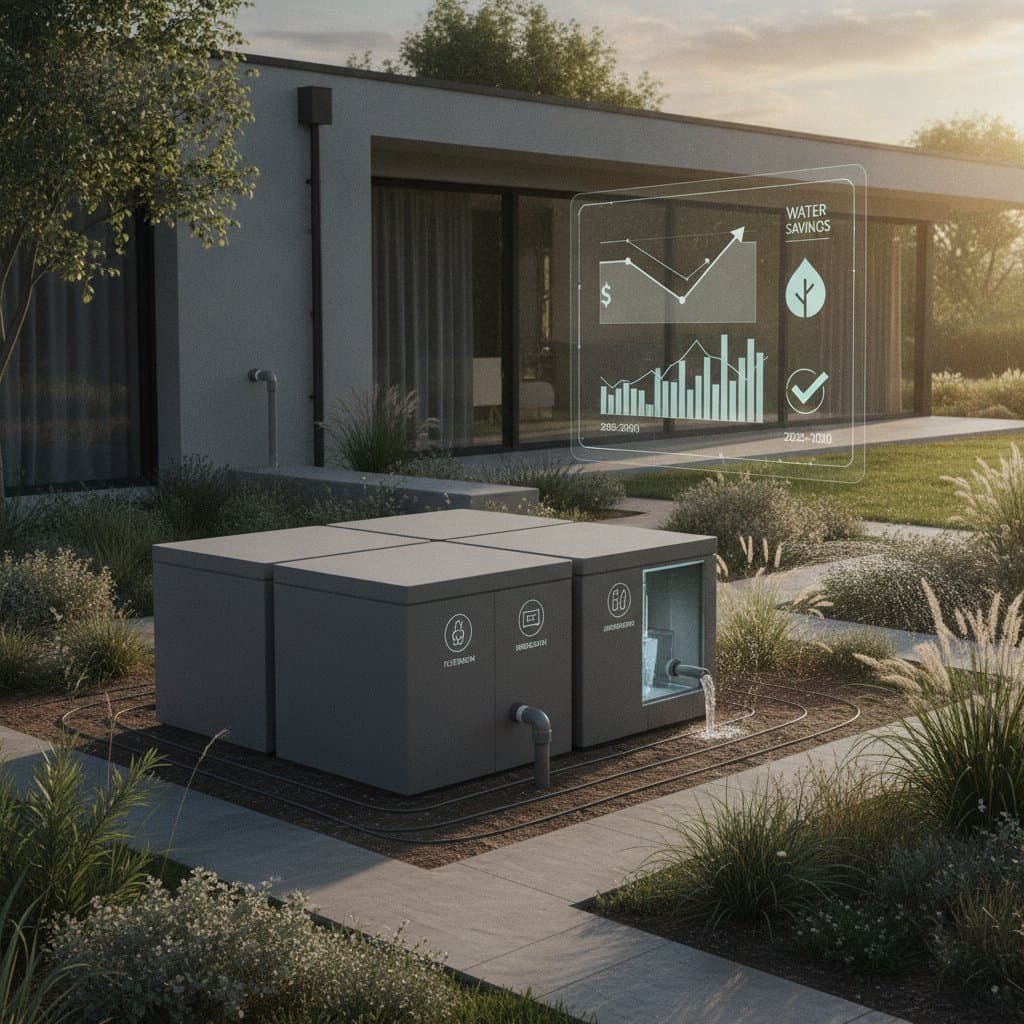
Greywater systems gather water from non-toilet fixtures, apply filtration to eliminate debris, and channel it toward secondary applications. This process diminishes reliance on treated municipal water for routine tasks like landscape maintenance. In regions facing water scarcity or restrictions, such systems sustain outdoor greenery using recycled resources instead of fresh supplies.
Core elements include:
- Collection pipes that isolate greywater from contaminated blackwater, such as from toilets or kitchen drains.
- Filtration mechanisms to extract particles like hair, lint, and soaps.
- Storage reservoirs calibrated to match family water output.
- Pumping devices that deliver processed water to targeted zones.
Proper assembly adheres to plumbing standards and safeguards health protocols.
Detailed Cost Analysis for Residential Installations
Expenses for a greywater setup vary based on residence scale, fixture count, and reuse method. Simple configurations for yard watering might range from several hundred to a few thousand dollars. Comprehensive units incorporating indoor applications, like lavatory flushing, often exceed several thousand dollars.
A standard cost allocation appears as follows:
- Materials and components: 20 to 30 percent, covering conduits, strainers, and connectors.
- Reservoir units: 25 to 35 percent, influenced by volume and placement.
- Pumping and regulatory devices: 15 to 20 percent, handling circulation and system balance.
- Installation labor: 20 to 30 percent, guaranteeing adherence to safety norms and jurisdictional rules.
Self-assembly reduces workforce expenses, yet plumbing and wiring tasks demand precision and may necessitate approvals. Certified specialists provide the most secure option, particularly for integrations with interior lines.
Projected Savings and Return Timeline
Implementing greywater diversion typically lowers water statements by 25 to 50 percent, contingent on regional pricing and utilization patterns. Residences with expansive yards or heavy irrigation demands often recoup investments within three to five years. As utility rates increase, these economies compound, enhancing overall system worth.
One resident in an arid area shared on a local eco-forum that their irrigation-focused greywater arrangement trimmed monthly expenses by approximately one-third. This setup preserved vibrant foliage amid seasonal shortages, demonstrating practical resilience.
Ongoing Maintenance Requirements
To preserve performance, greywater installations require consistent care. Inspect and cleanse filters each month to avoid obstructions. Annual tank reviews clear accumulated deposits, ensuring operational integrity.
Advanced models feature monitoring sensors that assess purity levels and initiate self-cleaning cycles. Such innovations elevate startup prices but minimize future efforts. Select durable gear with accessible spares and robust vendor assistance.
Weighing Professional Installation Against Self-Build Options
System intricacy determines the choice between expert services and personal construction. Elementary outdoor diversions suit capable individuals with ready-made packages that streamline connections and offer step-by-step guidance.
Elaborate designs involving interior recirculation or sizable reservoirs demand qualified plumbers and electricians. Experts verify code conformity and mitigate pollution hazards. Their fees, though higher, avert costly errors like seepage that could harm structures.
Broader Environmental and Daily Advantages
Greywater practices ease pressure on public water networks and lessen wastewater loads at processing facilities. These outcomes bolster community resources and advance enduring ecological objectives.
Adopters frequently gain heightened consciousness of consumption habits, fostering broader conservation practices. The setup serves as a functional aid and household learning tool.
Steps to Implement a Greywater Solution
Initiate with a thorough usage assessment to pinpoint high-volume sources. Focus on laundry and bathing outputs, which yield the purest recyclable streams. Investigate regional mandates promptly, as approvals or design specifications often apply.
Factor in setup and upkeep budgets alongside enduring gains like diminished bills, elevated real estate appeal, and lessened ecological footprint. Diligent preparation with dependable parts accelerates payback periods.
Greywater integration stands as a potent method to foster residential sustainability and financial prudence. Through methodical design, quality materials, and steady oversight, households convert surplus water into enduring assets.