Installing Greywater Systems: Costs and Permits Uncovered
Homeowners increasingly focus on efficient water use and reuse in daily routines. Greywater recycling systems offer a reliable method to minimize waste and lower utility expenses. These systems gather lightly used water from sinks, showers, and laundry machines, then redirect it for irrigation or toilet flushing. Proper installation demands careful planning, adherence to permits, and evaluation of ongoing costs versus benefits.
What a Greywater System Does
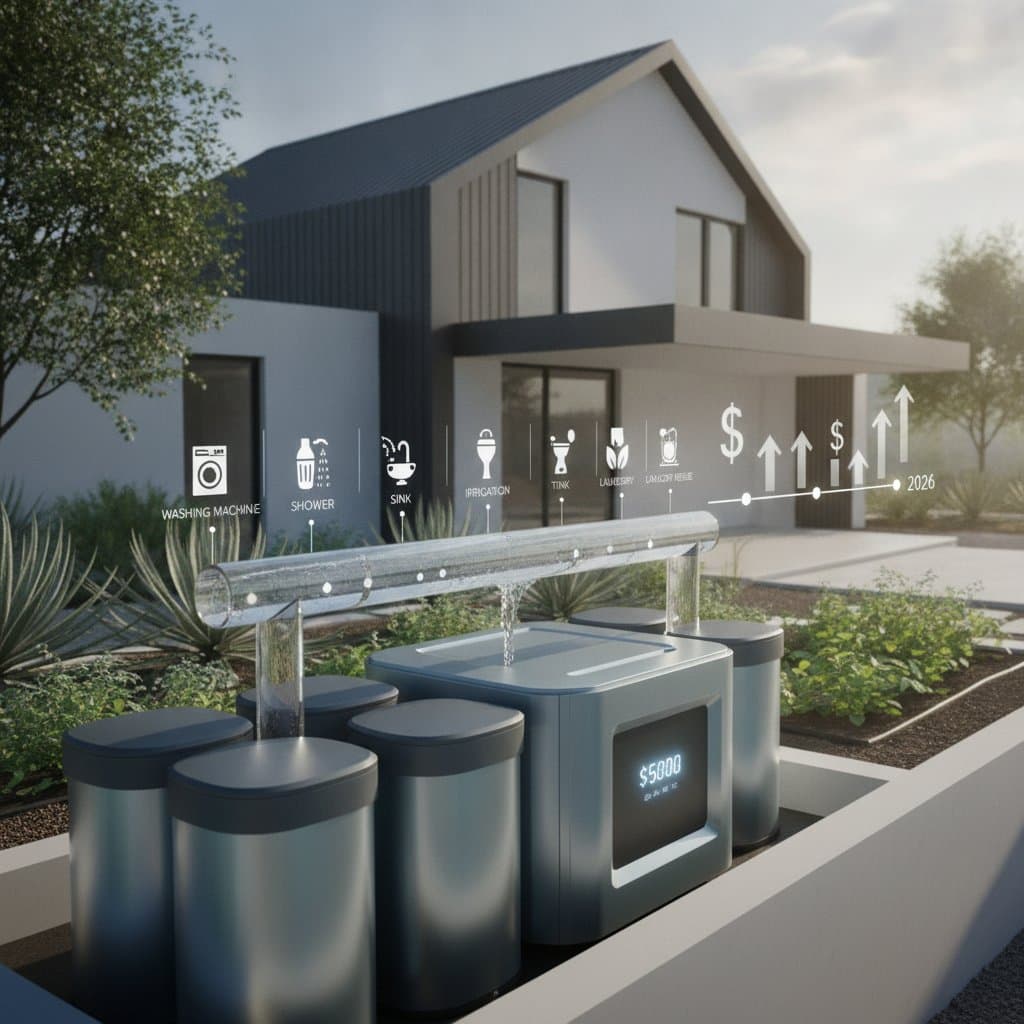
A greywater system gathers wastewater free from sewage contamination. It processes and reroutes this water for non-drinking purposes within the home. Common sources encompass bathroom sinks, bathtubs, and washing machines. The setup isolates this water prior to sewer entry, then purifies it via filtration and settling chambers to eliminate soap residues, hair, and particles.
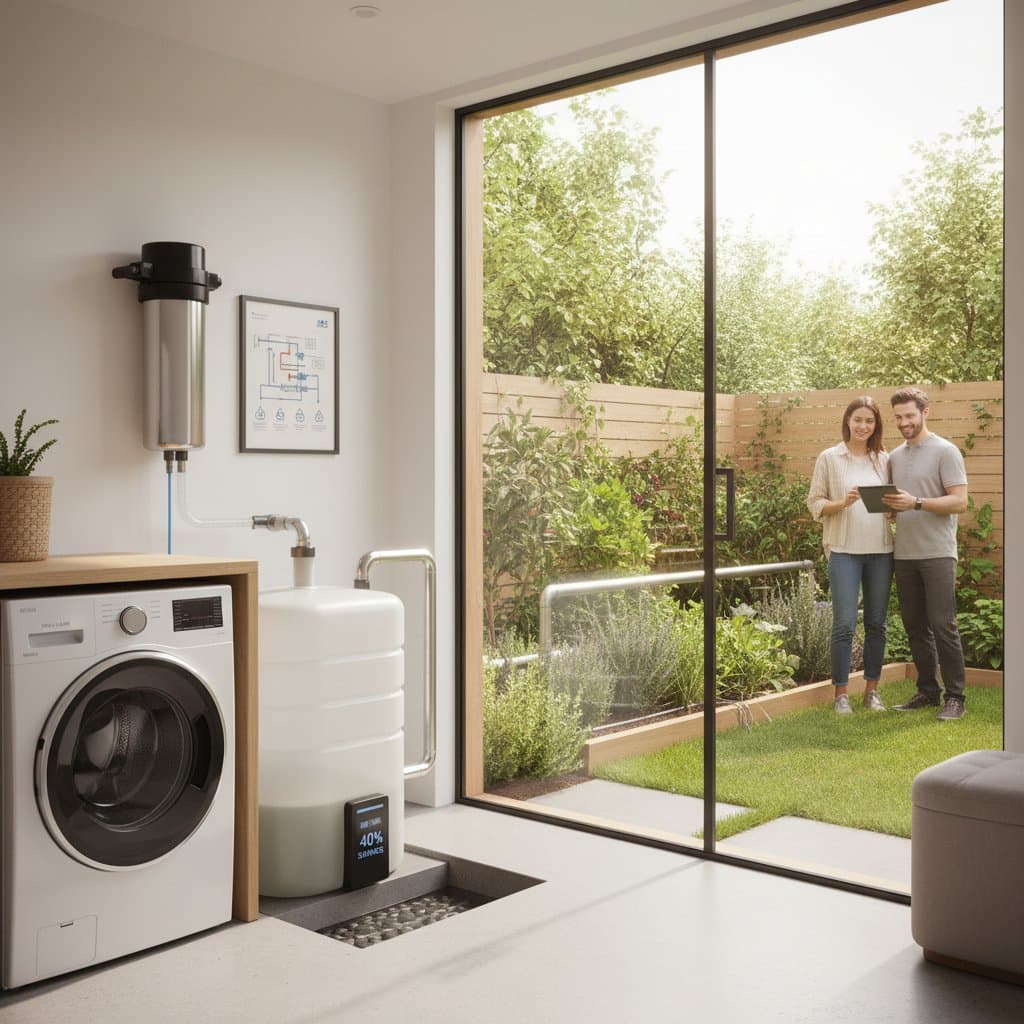
After processing, the water routes to outdoor irrigation or indoor toilet systems. Greywater remains unsuitable for consumption or food preparation, yet it substitutes a substantial volume of fresh tap water. Data from the Environmental Protection Agency indicates that greywater reuse lowers household water demand by as much as 40 percent, influenced by local climate and landscape needs.
Benefits for Homeowners
The primary advantage lies in reduced water bills. In regions with progressive pricing structures, decreased usage yields notable financial relief. Greywater systems enhance drought preparedness as well. During water shortages, property owners sustain gardens and lawns using recycled sources rather than municipal supplies alone.
Environmental gains extend further. Less water waste preserves groundwater reserves and cuts energy demands at treatment plants. These systems also ease pressure on septic setups by rerouting part of the daily water volume.
Types of Greywater Systems
Residential greywater installations typically feature three designs, each varying in capability and expense.
-
Simple Laundry-to-Landscape Systems
These options prove most affordable and straightforward to set up. They channel washing machine output via a diverter valve and tubing directly to outdoor plants. Lacking filtration tanks or pumps, they suit compact yards or single-level residences. -
Direct Diversion Systems
These gather water from various points, including showers and sinks. Built-in filters clear debris before distribution to irrigation networks. Greater complexity demands plumbing adjustments, yet they deliver expanded water recovery. -
Treatment and Storage Systems
Advanced configurations incorporate settling tanks, multi-stage filters, and occasional disinfection components. They enable storage for indoor applications such as toilet replenishment. Higher initial costs accompany broader versatility and oversight.
Cost Breakdown
Expenses for greywater systems depend on design intricacy, property configuration, and local labor fees. Basic laundry-to-landscape units begin at several hundred dollars for components and rudimentary setup. Engaging a plumber or specialist adds comparable fees to verify drainage integrity and code conformity.
Direct diversion setups span one to three thousand dollars, scaled to connected appliances. Expert involvement proves essential, given the precision required for plumbing alterations and regulatory knowledge.
Sophisticated treatment arrays exceed several thousand dollars, encompassing tanks, filters, and potential pumps. Ongoing upkeep rises modestly, as filters demand periodic replacement and tanks periodic flushing. In high-cost water areas or under conservation mandates, these yield quicker returns on investment.
Understanding Permits and Local Requirements
Permits represent a critical, often neglected phase in greywater deployment. Health authorities and building offices oversee collection and application methods to safeguard drinking water and promote secure irrigation.
Jurisdictions generally divide systems into basic and elaborate classes. Single-appliance units, like those for washers, might bypass permits if aligned with predefined criteria. Comprehensive or multi-source systems necessitate plumbing approvals, on-site reviews, and possibly engineering assessments.
Contact the local building department early in the process. Certain municipalities offer incentives to subsidize compliant installations. Requirements may include pipe markings and valve safeguards against potable line intersections. Noncompliance risks penalties or system dismantling.
Maintenance and Long-Term Care
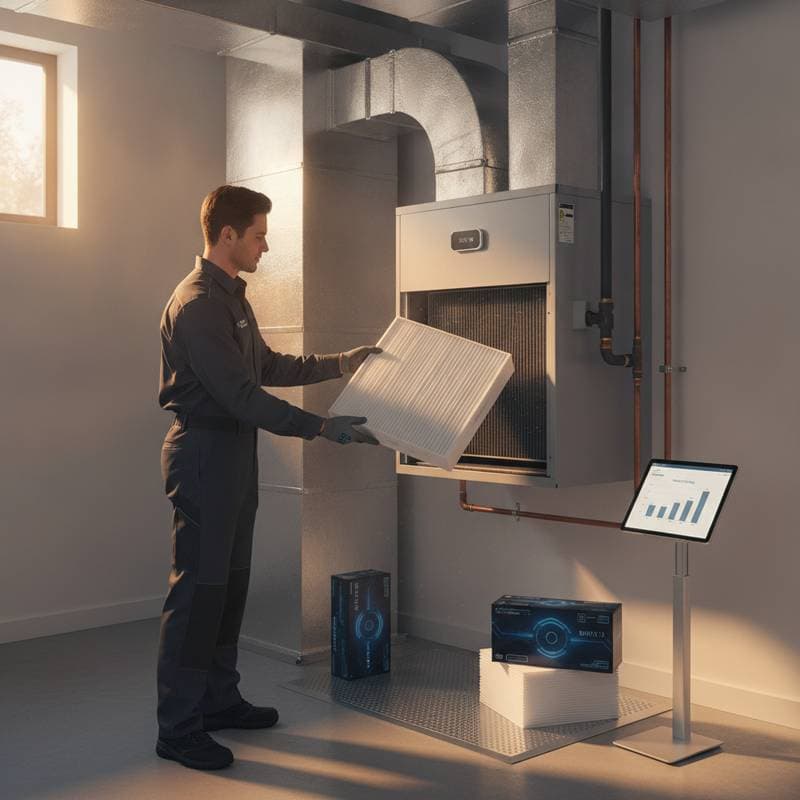
Properly tended greywater systems endure for decades. Essential tasks involve filter cleansing, valve inspections, and irrigation line checks for obstructions. Mulch basins or drip emitters require occasional flushing to prevent clogs.
Annual tank emptying removes accumulated solids. Mechanical pumps, if present, warrant functional tests to maintain flow rates. Establishing a routine simplifies these duties for most users.
Schedule professional evaluations biennially to confirm code alignment. Advancing technologies permit upgrades like enhanced filters or quality-monitoring sensors.
Financial and Environmental Payback
Initial outlays appear substantial, but cumulative savings build steadily. Annual greywater reuse for landscaping conserves thousands of gallons per household. Within years, these reductions frequently recoup setup expenses. In drought-prone zones or under usage limits, systems uphold landscape vitality and property appeal.
Broader impacts benefit communities. Expanded greywater use alleviates municipal supply burdens and trims treatment energy needs. Experts in sustainability discussions highlight these as key residential enhancements for enduring resource management.
Choosing Between DIY and Professional Installation
Experienced individuals may handle basic systems independently. Laundry diversion kits supply valves, hoses, and directives for self-setup, trimming labor expenses. Success hinges on meticulous design to avert contamination or drainage issues.
Professionals provide tailored solutions matched to site specifics and habits. They manage approvals and verifications, streamlining the process. For expansive or integrated designs, their involvement ensures optimal performance and avoids pitfalls.
Sustaining Greywater Efficiency
Greywater systems embody a dedication to fiscal prudence and ecological stewardship. Installed correctly, they deliver consistent economies and fortify homes against escalating water tariffs. Consistent upkeep and regulatory adherence safeguard investments while conserving shared water assets.
Thorough preparation, apt system selection, and expert collaboration facilitate seamless integration. From modest diversions to comprehensive treatments, each choice advances household efficiency. Repurposing wastewater fosters enduring gains for personal and planetary well-being.