Quarterly Filter Swaps for Optimal Indoor Air
Clean indoor air ranks among the most neglected elements of residential comfort. Homeowners frequently prioritize HVAC efficiency and temperature regulation, yet air quality influences health outcomes, energy expenditures, and the durability of heating and cooling equipment. Establishing a routine of quarterly filter replacements yields the most significant gains through improved cleanliness, reduced equipment stress, and avoidance of expensive repairs.
This guide outlines the rationale behind quarterly filter changes, methods for selecting suitable filters, expectations from professional servicing, and techniques to establish an effortless routine that sustains peak air quality annually.
Selecting the Appropriate Filter for Residential Use
Filters vary considerably in performance. The ideal choice hinges on factors such as home dimensions, number of residents, and daily activities. Manufacturers rate filters using MERV, which stands for Minimum Efficiency Reporting Value, a standard that quantifies the capture of particles across different sizes.
- MERV 1 to 4: These consist of basic fiberglass materials that trap large particles like dust and lint. Such filters safeguard the HVAC system yet provide minimal benefits for overall air purity.
- MERV 5 to 8: Constructed from pleated polyester or cotton, these options effectively remove dust, pollen, and certain mold spores. They suit the majority of family homes.
- MERV 9 to 12: Designed for superior performance, these capture smaller contaminants including pet dander and smoke particles. They prove beneficial in households with allergy sufferers or animals.
- MERV 13 and above: Employed in medical facilities or high-demand settings, these deliver exceptional filtration. However, they risk impeding airflow in standard residential units unless the system accommodates higher resistance.
Residential HVAC setups typically benefit from MERV 8 to 11 filters, striking an optimal balance between purification and operational efficiency. Consult the equipment manual prior to any upgrade. Filters that impose excessive resistance may strain the blower motor, leading to diminished comfort and higher energy use.
To determine compatibility, measure the filter dimensions listed in the manual and verify the maximum allowable pressure drop. Retailers often provide compatibility charts based on common HVAC brands, ensuring seamless integration without performance issues.
Indicators for Earlier Filter Replacement
A quarterly cadence serves most residences adequately, though certain circumstances demand accelerated intervals. Monitor these indicators to identify the need for prompt action:
- Accumulation of dust on air vents or household surfaces soon after thorough cleaning
- Inconsistent airflow distribution or prolonged times to achieve desired temperatures in specific rooms
- Escalation in allergy manifestations or lingering unpleasant smells within the home
- Elevation in utility statements despite stable consumption patterns
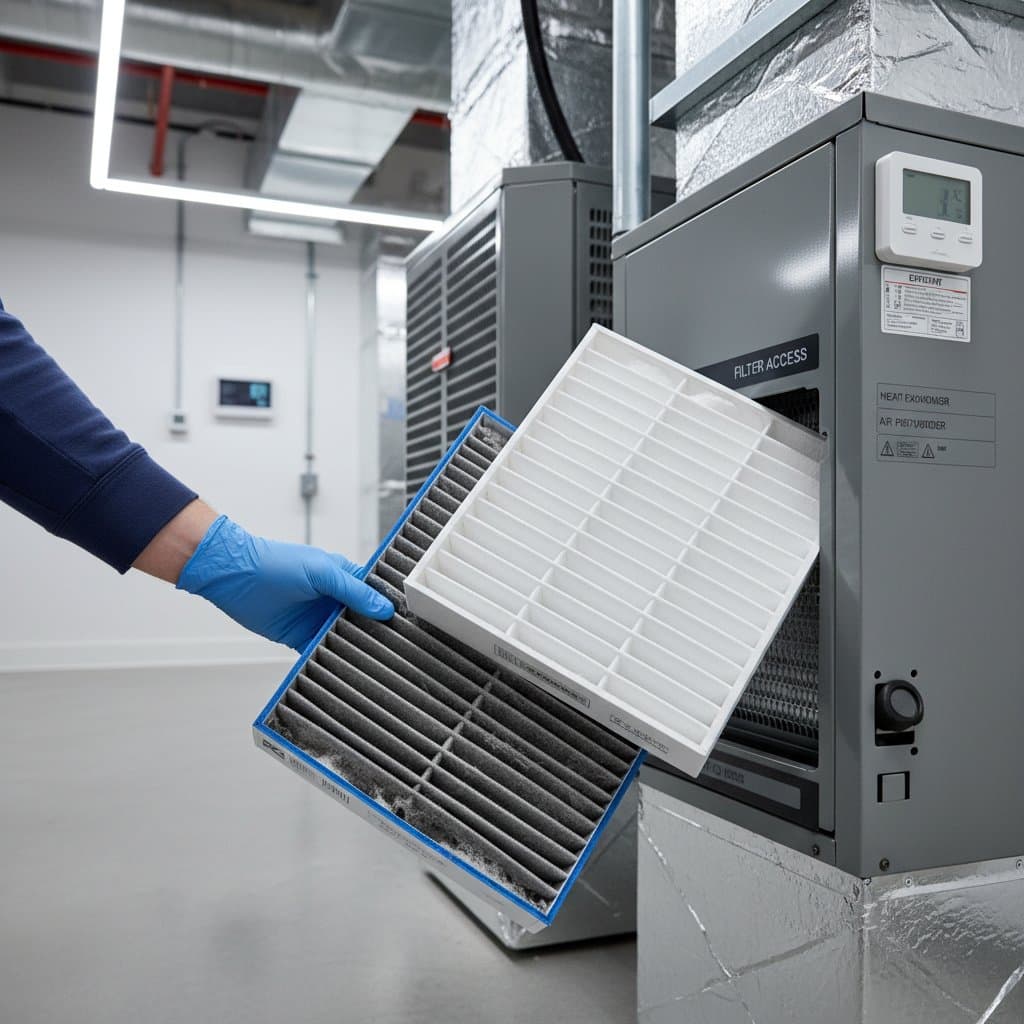
- Apparent grayish or brownish staining visible on the filter material
Residences housing several pets, individuals who smoke indoors, or sites undergoing construction or remodeling accumulate particulates at accelerated rates. In such scenarios, perform monthly visual checks and proceed with replacements accordingly. A brief examination prevents undue burden on the system and maintains consistent performance.
Strategies for Cost Management and Efficiency
Implementing quarterly replacements may appear demanding at first, but this practice qualifies as one of the least expensive upkeep measures available to property owners. Prices for standard pleated filters typically fall between five and twenty dollars per unit. Premium variants seldom surpass thirty dollars. In contrast, the costs associated with emergency technician visits or blower motor replacements far exceed these figures, rendering routine changes a prudent financial decision.
Simplify the process by acquiring filters in bulk quantities. Numerous suppliers extend discounts on packages sufficient for an entire year of maintenance. Store extras in a flat, moisture-free area to avoid deformation. Alternatively, enroll in subscription programs that deliver replacements directly every three months, eliminating scheduling oversights and ensuring adherence.
Property owners sometimes consider reusable filters as an eco-friendly alternative. Although they minimize landfill contributions, proper maintenance involves meticulous washing and complete drying to preserve efficacy. Residual moisture fosters mold or bacterial growth, compromising air quality. For typical households, disposable pleated varieties deliver superior convenience, reliability, and hygiene.
Consider the long-term savings: A single quarterly swap can reduce energy consumption by up to 15 percent, translating to annual savings of one hundred dollars or more on average utility bills, depending on system size and local rates.
Integrating Technology for Filter Management
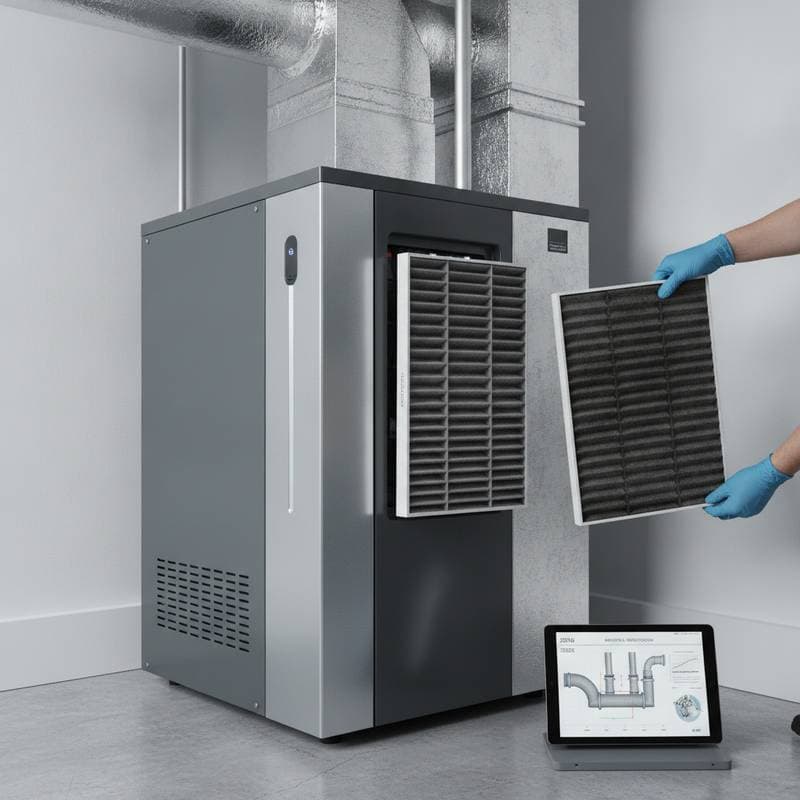
Contemporary HVAC installations frequently incorporate intelligent thermostats or integrated sensors that assess filter condition. These devices gauge airflow impedance and issue notifications for impending replacements. Associated mobile applications may log purchase histories and generate automated alerts, streamlining oversight.
Emerging smart filters feature embedded Bluetooth connectivity. Users access real-time air quality metrics and replacement prompts via smartphone interfaces. Though initial costs exceed those of conventional options, these innovations suit high-traffic homes or leased properties where routine monitoring presents challenges.
Individuals lacking advanced systems can rely on traditional calendar notations or wall charts for reminders. The essential element remains unwavering consistency. Regardless of the method, dependable tracking averts gradual deterioration in air standards, which often manifests subtly until evident issues like discomfort or inflated bills emerge.
Establishing a Sustainable Maintenance Routine
Beyond enhancing air purity, quarterly filter swaps safeguard HVAC investments, curb energy demands, and foster healthier environments. This low-effort practice, requiring mere minutes per session, yields substantial returns in terms of comfort and dependability. Combine it with annual professional evaluations and attention to seasonal variations for enduring operational excellence.
Adherents to structured schedules commonly experience reduced incidence of malfunctions, more uniform climate regulation, and perceptibly invigorated atmospheres. Such predictability also facilitates financial planning, as expenses remain foreseeable without sudden surges in repair demands.
Initiate the practice by scheduling the upcoming quarterly interval on your calendar. Maintain a stock of reserve filters, instruct household members on the replacement procedure, and integrate it into collective responsibilities for seamless execution.