Reduce Water Bills by 40 Percent with Greywater Systems
High water bills accumulate rapidly. Showers, laundry, and bathroom sinks generate substantial volumes of reusable water each day. A greywater system captures this mildly contaminated water and channels it toward irrigation or toilet flushing. For those seeking effective methods to lower water expenses and enhance home sustainability, examine the functionality of greywater systems, associated costs, and necessary permits.
Benefits of Greywater for Finances and the Environment
Many homeowners discover that approximately 60 percent of household water usage drains away from showers, bathtubs, and laundry activities. This water requires no advanced treatment for reuse in gardens or toilet reservoirs. Installation of a greywater system decreases overall water use by 25 to 40 percent.
Such reuse alleviates pressure on municipal sewer infrastructure and groundwater resources. In regions facing water shortages, these systems sustain landscapes during restrictions on outdoor watering. The advantages extend to both economic savings and ecological preservation over time.
Overview of Greywater System Operations
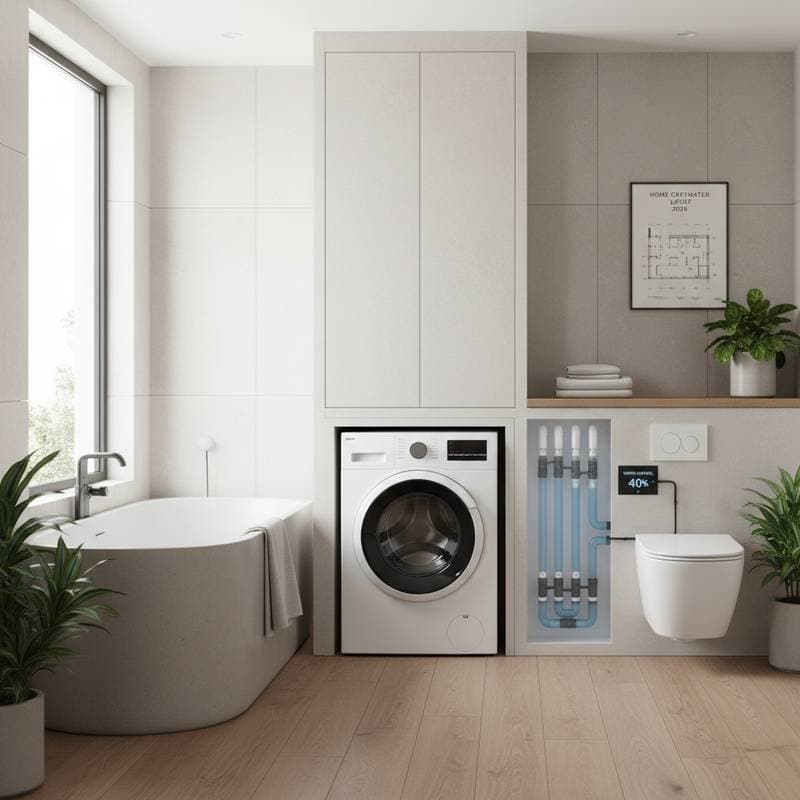
Greywater systems gather water from sinks, bathtubs, and washing machines. They remove debris such as lint, hair, and soap remnants, then direct the water for secondary applications. The primary categories include:
| System Type | Description | Average Installed Cost | Ideal Application |
|---|---|---|---|
| Laundry-to-Landscape (L2L) | Routes washing machine water straight to yard irrigation. | $800 to $2,500 | Suitable for modest gardens or yards |
| Whole-House System | Gathers from various fixtures and treats for toilet or irrigation purposes. | $4,000 to $15,000 | Appropriate for expansive residences seeking enduring reductions |
Laundry-to-landscape configurations suit skilled DIY enthusiasts, whereas whole-house installations demand expert involvement and regulatory approval.
Detailed Cost Analysis
Expenses for greywater systems vary based on design complexity, filtration needs, and intended reuse location, whether indoors or outdoors.
Cost Components
- Basic materials: $300 to $1,200 for valves, PVC pipes, and filters.
- Storage tank: $200 to $2,000 based on capacity from 50 to 500 gallons.
- Pumps and controls: $150 to $800 when gravity flow proves insufficient.
- Professional labor: $1,000 to $4,000 influenced by plumbing accessibility.
- Permits and inspections: $50 to $400 according to regional rules.
Opt for a straightforward laundry-to-landscape approach to maintain totals below $2,000. Comprehensive setups with subsurface irrigation and storage may exceed $10,000.
Savings per Gallon
Effective systems conserve 10,000 to 25,000 gallons of fresh water annually. At typical rates, this yields $150 to $400 in annual reductions. Return on investment occurs within 5 to 10 years, accelerated in areas with elevated water charges or intensive gardening.
Navigating Permits and Regulations
Greywater installations comply with laws in most areas, though procedures differ. Building codes frequently align with the Uniform Plumbing Code (UPC) or International Residential Code (IRC), which specify separation of greywater from blackwater originating in toilets and kitchen sinks.
Standard Permit Obligations
- Backflow prevention: Mechanisms to avoid greywater entry into drinking water supplies.
- Filtration and treatment: Mesh or sand filters to eliminate particulates prior to application.
- Surge capacity: Tanks holding at least 1.5 times daily greywater production.
- Irrigation restrictions: Employ subsurface or drip methods exclusively, avoiding surface sprays.
- Labeling: Designate greywater pipes as non-potable for safety.
Certain jurisdictions waive permits for laundry-only systems confined to subsurface property irrigation. Verify requirements through local county or city building offices prior to commencement.
DIY Installation Versus Professional Services
Capable homeowners tackle laundry-to-landscape projects over a weekend. Essential skills include basic plumbing, PVC handling, and yard mapping. Follow these steps:
- Identify the washing machine drain hose location.
- Fit a three-way valve to switch flow between sewer and landscape.
- Extend 1-inch irrigation tubing to garden zones.
- Create mulch basins near plants to avoid water accumulation.
- Verify flow rates and refine distribution for uniform coverage.
Engage a licensed plumber or greywater expert for projects involving buried lines, indoor applications, or tanks. Professionals guarantee adherence to standards, adequate treatment, and dependable operation.
Pitfalls to Sidestep
Mismanagement affects even basic setups. Consider these common errors:
- Applying greywater to edible plants: Refrain from direct contact with soil-touching fruits or vegetables.
- Omitting filtration: Residues from lint and soaps obstruct components rapidly; incorporate filters or mulch.
- Excess watering: Laundry cycles may surpass plant demands; integrate alternative sources periodically.
- Disregarding terrain: Upward slopes from the laundry area necessitate pumps for conveyance.
- Overlooking upkeep: Perform monthly filter cleaning and pipe inspections to sustain efficiency.
Addressing these issues safeguards the system and ensures safe reuse.
Accessibility and Compliance Factors
For households with mobility limitations, position shutoff valves and labels within reach. Place controls 36 to 48 inches from the floor to accommodate wheelchairs. Review local accessibility mandates akin to ADA guidelines.
Regulations mandate 12 inches of soil over subsurface lines to avert exposure. In frost-prone zones, position lines below freeze levels to prevent damage.
Upkeep and Ongoing Expenses
Post-installation, maintenance costs remain low. Anticipate:
- $20 to $60 annually for filter replacements.
- $30 to $100 every few years for mulch basin renewal.
- $50 to $200 for occasional professional evaluations.
Well-maintained systems endure 15 years or longer. Durable, UV-resistant underground materials extend tank and pipe longevity.
Greywater System Comparisons
| Feature | Laundry-to-Landscape | Whole-House System |
|---|---|---|
| Water Sources | Washing machine exclusively | Showers, tubs, laundry |
| Average Cost | $800 to $2,500 | $4,000 to $15,000 |
| Permit Needs | Frequently waived or basic | Typically mandatory |
| DIY Potential | Elevated | Minimal |
| Maintenance Level | Low | Moderate |
| Optimal For | Compact gardens, rentals, economical initiatives | Permanent residences, sizable lots |
Selection hinges on recycling volume and plumbing proficiency. Laundry-to-landscape serves as an accessible entry point for beginners.
Strategies to Minimize Expenses
Achieve cost efficiencies while preserving functionality:
- Integrate with current irrigation infrastructure.
- Prioritize gravity-based flows to bypass pumps.
- Repurpose suitable barrels for storage.
- Time installation alongside broader plumbing work.
- Seek utility rebates ranging from $200 to $500 for compliant systems.
These measures shorten investment recovery timelines.
Advancing to Comprehensive Systems
Households with frequent shower use or extensive grounds benefit from whole-house integration. Pair with dual-flush toilets and drip networks for optimal results. Key elements encompass:
- 250 to 500-gallon storage.
- Dual-stage filtration with replaceable elements.
- Automated switches for greywater and freshwater during servicing.
Steps to Implement Greywater Recycling
Greywater adoption delivers substantial returns through cost reductions, diminished ecological impact, and resilient landscapes amid scarcity. Contact local installers or building authorities for tailored designs. Proper preparation and investment foster enduring sustainable practices.