What Are Greywater Systems and Why Install One in 2026?
Greywater refers to wastewater from sinks, showers, and laundry that can be reused for irrigation or flushing toilets. Unlike blackwater from toilets, greywater requires minimal treatment for safe outdoor applications. In 2026, with rising water scarcity and utility rates, these systems provide essential benefits such as reduced water consumption by up to 50 percent in households.
Homeowners gain financial savings through lower bills and potential property value increases from sustainable features. Environmentally, greywater recycling conserves freshwater resources and lessens strain on municipal systems. As regulations evolve to encourage water efficiency, 2026 presents an ideal time for adoption, especially with expanding rebate programs.
Types of Greywater Systems
Greywater systems vary in complexity to suit different budgets and property needs. Simple diversion systems route water directly from laundry or showers to garden lines without storage, ideal for small yards with low usage.
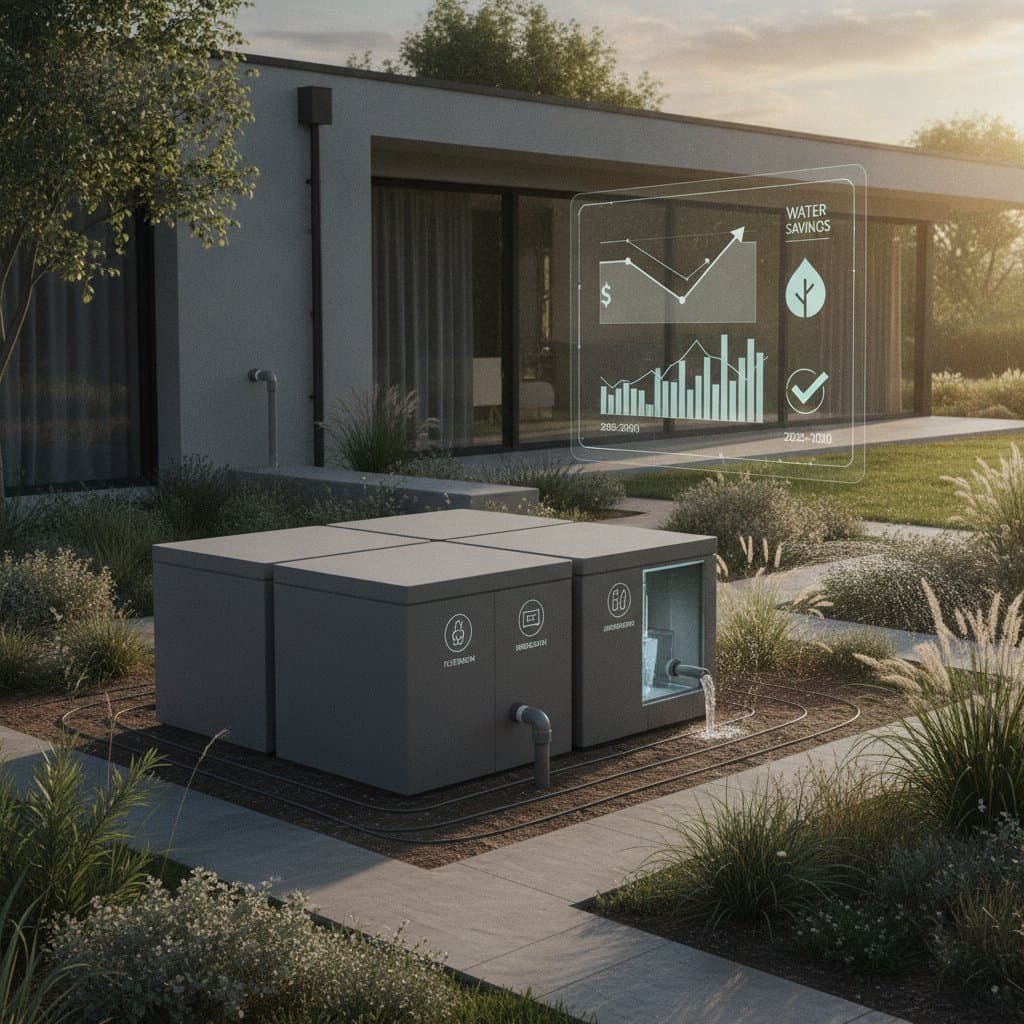
Storage systems collect greywater in tanks for filtration before distribution, suitable for larger landscapes requiring consistent supply. Advanced setups incorporate treatment like biological filters or UV disinfection, ensuring higher purity for broader uses such as toilet flushing.
Each type balances initial investment with long-term efficiency. For instance, a basic diversion might handle 20 gallons daily from a washing machine, while advanced models process up to 100 gallons across multiple sources.
Projected Costs for Greywater Systems in 2026
Installation costs in 2026 depend on system scale, materials, and location. A basic diversion system typically ranges from $500 to $1,500, covering pipes, valves, and mulch basins for irrigation.
Mid-range storage systems, including tanks and basic filters, cost between $2,000 and $5,000. Advanced configurations with pumps, sensors, and treatment units may exceed $8,000, particularly in urban areas with permitting fees.
Ongoing expenses include maintenance supplies at $100 to $300 annually and potential energy for pumps at $50 per year. Factor in property-specific adjustments, such as trenching costs of $10 to $20 per linear foot. Overall, payback periods average three to five years through water bill reductions of $200 to $600 annually.
Navigating Rebates and Incentives in 2026
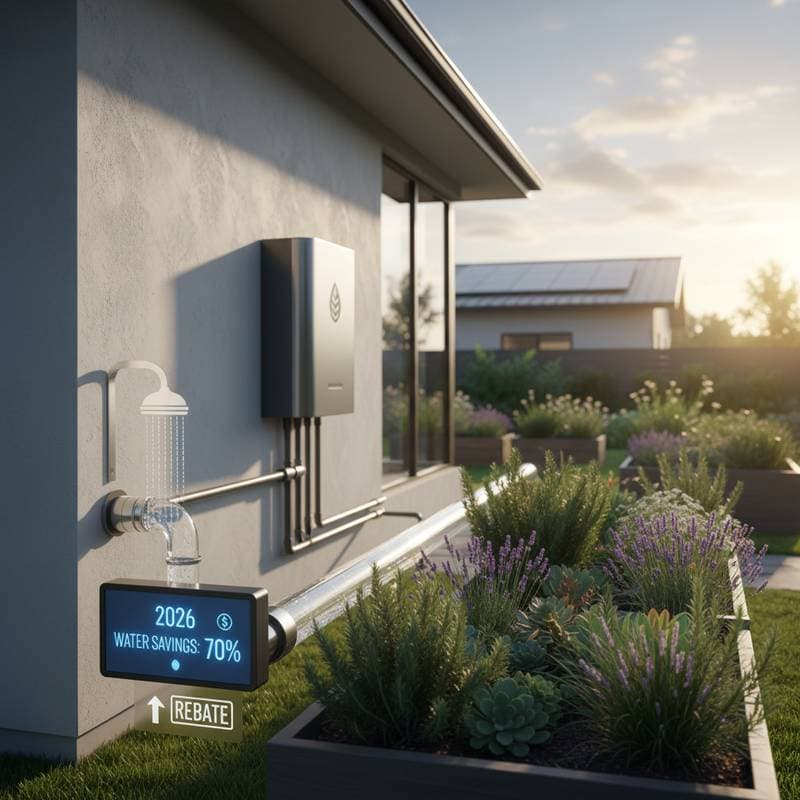
Many regions offer rebates to offset greywater adoption costs. Federal programs through the Environmental Protection Agency provide up to $1,000 for certified systems, while state initiatives in California and Texas match or exceed this amount.
Local utilities often rebate $500 to $2,000 based on system capacity and water savings projections. Eligibility requires compliance with plumbing codes and professional installation. Applications involve submitting plans, receipts, and efficiency estimates.
To maximize benefits, research programs via municipal websites or water districts early. Some areas tie rebates to broader sustainability audits, unlocking additional funds for solar or rainwater integration.
Step-by-Step Installation Guide
Proper installation ensures system reliability and code adherence. Begin with a site assessment to evaluate water sources, soil drainage, and irrigation zones. Consult local regulations, as permits may require engineer stamps for complex setups.
Next, select components like diverter valves for laundry output and irrigation tubing rated for recycled water. Professional plumbers handle connections to avoid cross-contamination with drinking lines.
Testing follows assembly: run trial cycles to check flow, leaks, and filtration. Final adjustments optimize distribution, such as timing irrigation to avoid plant overwatering. The process typically spans one to three days, depending on scale.
Essential Maintenance for Longevity
Regular upkeep prevents issues and maintains efficiency. Follow this schedule for optimal performance.
-
Monitor Flow Rates: Monthly, verify water diversion without blockages in pipes or filters.
-
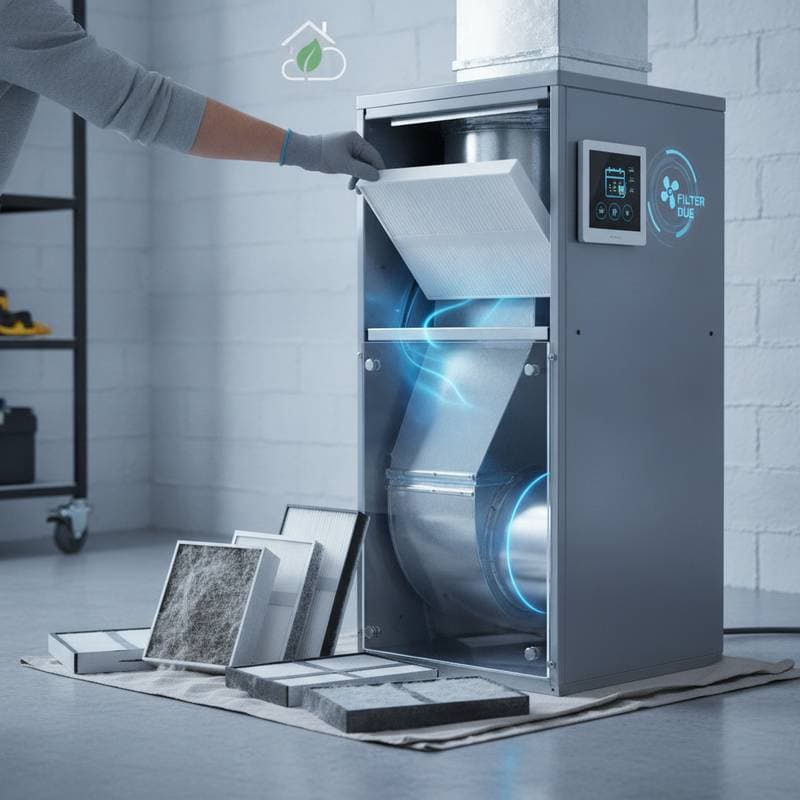
Clean Filters: Quarterly, remove debris from screens and replace as needed to sustain water quality.
-
Check Irrigation Lines: Inspect for clogs or root intrusion, flushing with fresh water if necessary.
-
Test Water Quality: Annually, use kits to detect contaminants and adjust treatments accordingly.
-
Inspect Storage Tanks: If your system uses one, check for odors or signs of stagnation.
Safety warning: Never use greywater for drinking, cooking, or bathing. Keep all pipes separate from potable water lines.
- Review System Performance: Track usage data yearly to ensure savings align with expectations.
Selecting a Qualified Installer
A skilled professional guarantees safe, effective results. Verify licensing, as many jurisdictions mandate certification in greywater or plumbing specialties.
Inquire about prior projects, focusing on similar residential installations. Request references from recent clients to assess punctuality, communication, and post-install support.
Obtain detailed written estimates outlining materials, labor, and timelines. Compare multiple bids to identify value without sacrificing quality. Reputable installers often assist with rebate applications, streamlining paperwork and compliance.
Taking Action for Sustainable Savings
Greywater systems deliver enduring advantages in cost reduction and environmental impact. Assess your home's water patterns and landscape demands to select an appropriate configuration.
Secure rebates promptly and partner with vetted experts for seamless execution. Monitor reductions in utility statements post-installation to quantify benefits.
This upgrade fosters water independence, enriches outdoor spaces, and contributes to community resilience against future shortages.