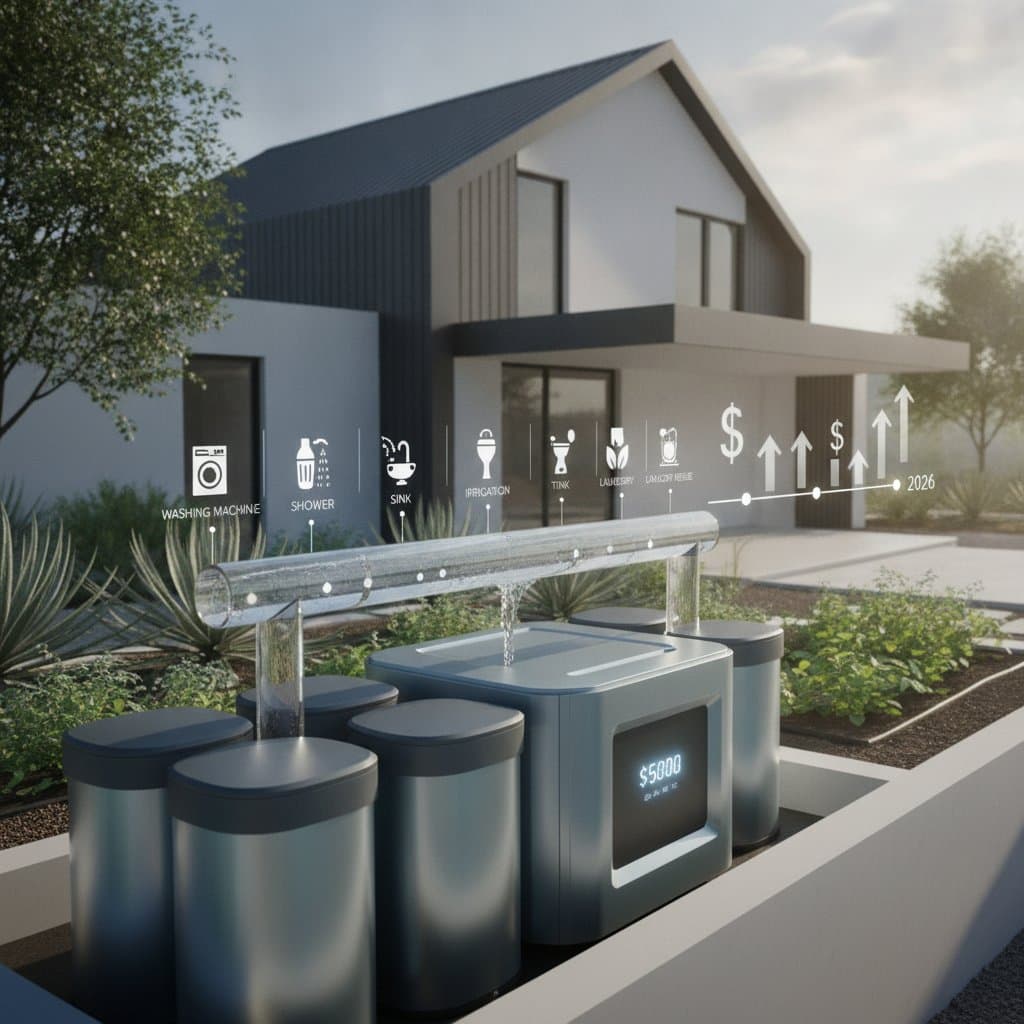
Greywater Systems Reduce Bills: 2026 Costs and Permits
Homeowners seek effective methods to decrease utility expenses and minimize water consumption, and greywater recycling systems emerge as a reliable solution. These systems capture mildly used water from sources such as sinks, showers, and washing machines for repurposing in irrigation or toilet flushing. Once considered specialized environmental enhancements, greywater systems now represent practical investments that yield tangible financial benefits. As water rates rise steadily, installation of such a system delivers substantial impacts on both ecological responsibility and household budgets.
This guide examines the mechanics of greywater systems, outlines expected installation expenses, describes the influence of local permits, and assists homeowners in evaluating DIY versus professional approaches.
Cost Breakdown for Greywater Systems
The expense of installing a greywater system varies from several hundred dollars for a basic diversion configuration to thousands for comprehensive treatment and storage setups. Factors influencing the total include the quantity of connected fixtures, adherence to regional plumbing standards, and the degree of system automation.
Basic Diversion Systems
These configurations gather water from one source, typically a washing machine, and direct it immediately to an outdoor irrigation area.
- Estimated cost: $400 to $1,500
- Key components: Diverter valve, basic filter, irrigation tubing
- Required skills: Suitable for DIY with fundamental plumbing expertise
Such systems recover costs rapidly for properties with frequent irrigation demands. Maintenance remains straightforward, and these setups can decrease outdoor water consumption by 20 to 40 percent.
Storage and Treatment Systems
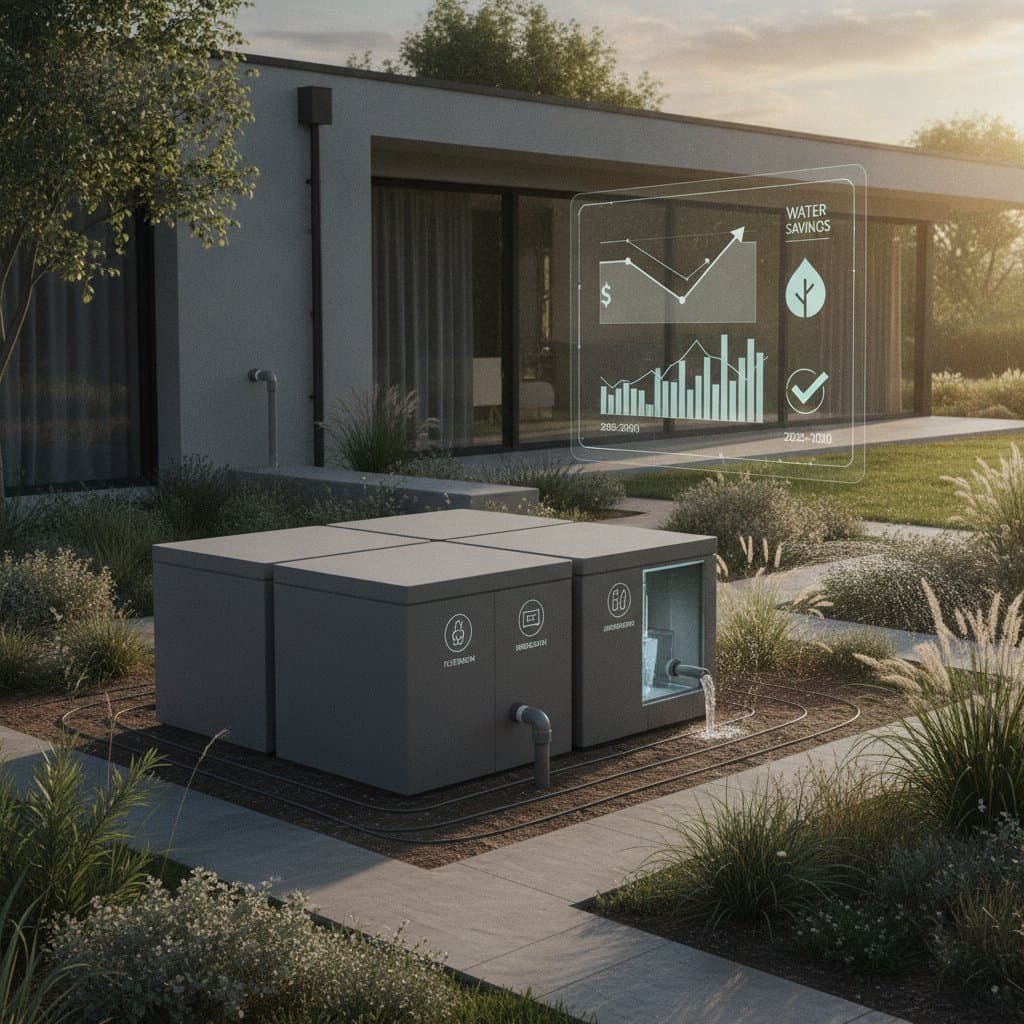
Storage-oriented systems incorporate tanks, filtration mechanisms, and pumps to regulate water distribution. They suit households intending indoor water reuse.
- Estimated cost: $3,000 to $7,000 for typical residences
- Key components: Storage tank, circulation pump, multi-stage filtration, backflow preventer
- Required skills: Professional installation essential
Although initial costs exceed those of simpler options, these systems offer enhanced versatility and dependability. Integration with intelligent sensors allows ongoing assessment of water quality and distribution rates.
Custom or Whole-Home Systems
Properties with expansive living spaces or broad landscaping often require fully integrated greywater solutions.
- Estimated cost: $8,000 to $15,000 or higher
- Key components: Sophisticated filtration, ultraviolet sterilization, automated controls, dedicated plumbing integration
- Required skills: Expert design and installation mandatory
These advanced systems process the majority of household greywater, leading to marked reductions in reliance on municipal supplies.
Navigating Permits and Local Regulations
Regulations for greywater reuse prioritize public health and the integrity of groundwater resources. Permits confirm that recycled water undergoes appropriate management to avoid contamination of drinking water sources.
Typical Permit Obligations
In most areas, a plumbing permit proves necessary for initial setups. Connections to indoor plumbing may necessitate additional building or environmental health approvals. The application procedure generally entails:
- Submission of a detailed site diagram illustrating greywater origins, treatment elements, and distribution zones.
- Proof of backflow prevention measures to safeguard the primary water line.
- Documentation of ongoing maintenance protocols to ensure regular servicing of filters and controls.
Certain jurisdictions expedite approvals for uncomplicated laundry diversion projects, whereas storage configurations demand thorough engineering evaluations.
Inspection and Adherence Protocols
During inspections, officials confirm that greywater conduits bear clear labels and remain distinct from potable water lines. They also evaluate the setup to prevent water accumulation or drainage onto adjacent lands.
Homeowners maintain documentation of filter servicing, routine checks, and water quality analyses. In various locales, these records support permit renewal and compliance verification.
Maintenance and System Durability
Greywater systems demand regular examinations and cleaning to sustain safety and performance. Oversight lapses may result in unpleasant odors, blockages, or microbial proliferation.
Essential Maintenance Routine
- Clean filters every two to three months to eliminate accumulations.
- Flush distribution lines periodically to clear debris.
- Examine valves and pumps for signs of deterioration or seepage.
- Test sensors in systems equipped with digital monitoring.
- Restrict use of strong detergents in linked drains to safeguard vegetation and filtration components.
Contemporary systems often feature scheduling prompts or automated notifications for upkeep activities. Proper attention extends the lifespan of a well-constructed system beyond ten years, with only occasional part replacements.
Available Incentives and Rebates
Numerous local governments and water providers extend financial incentives for qualifying greywater installations. These initiatives promote conservation efforts and alleviate upfront expenditures.
Eligible projects frequently encompass:
- Laundry-to-landscape diversion configurations.
- Expert-installed irrigation networks utilizing recycled water.
- Compliant storage vessels aligned with safety criteria.
Consult official water district resources for active offerings. Reimbursement typically follows submission of installation evidence and completion of final assessments.
Selecting an Appropriate System for Your Residence
The optimal greywater configuration aligns with family size, financial constraints, and outdoor features.
For compact dwellings, a diversion from laundry or shower sources suffices. This option proves economical, uncomplicated, and yields prompt returns.
For sizable households, a tank-supported system supplies recycled water for irrigation and lavatory use. Such arrangements amplify savings and elevate real estate appeal.
Environmentally conscious individuals may prefer constructed wetland or combined systems, which yield pronounced ecological advantages alongside visual enhancements to outdoor spaces.
Prior to acquisition, engage a code-knowledgeable plumber. Obtain several estimates and verify contractor certifications in greywater applications.
Sustaining Efficiency Over Time
Following installation, diligent care preserves the system's cost-saving potential and operational reliability. Record maintenance schedules, component renewals, and modifications to watering patterns.
Adapt operations to climatic variations in your area. In wet seasons, route greywater to sewage lines to avoid soil overload. During arid phases, optimize recycling through synchronized irrigation aligned with plant requirements.
For automated installations, analyze monthly reports from integrated sensors. These tools signal needs for filter attention or tank cleansing.
A greywater system, managed effectively, endures as a valuable, ongoing contributor to reduced expenses and resource stewardship.