Introduction to Greywater Systems
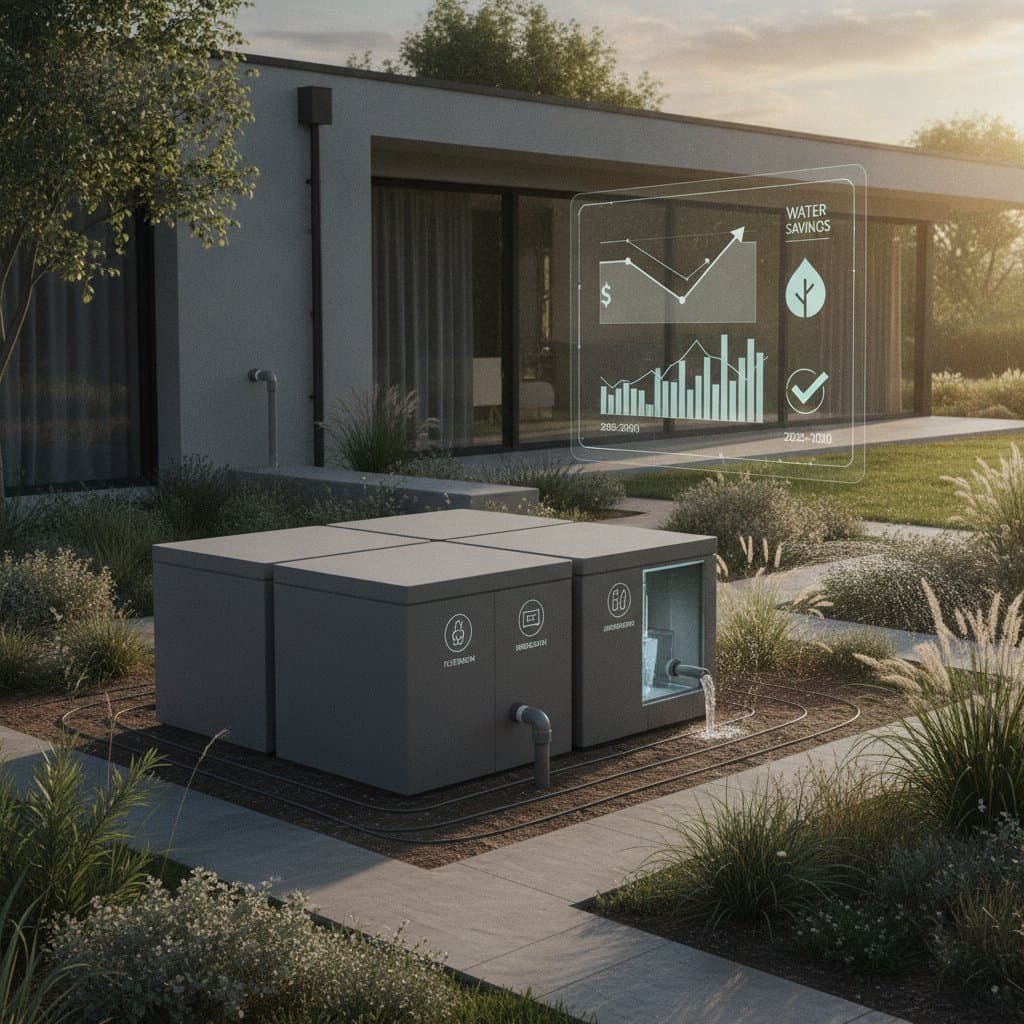
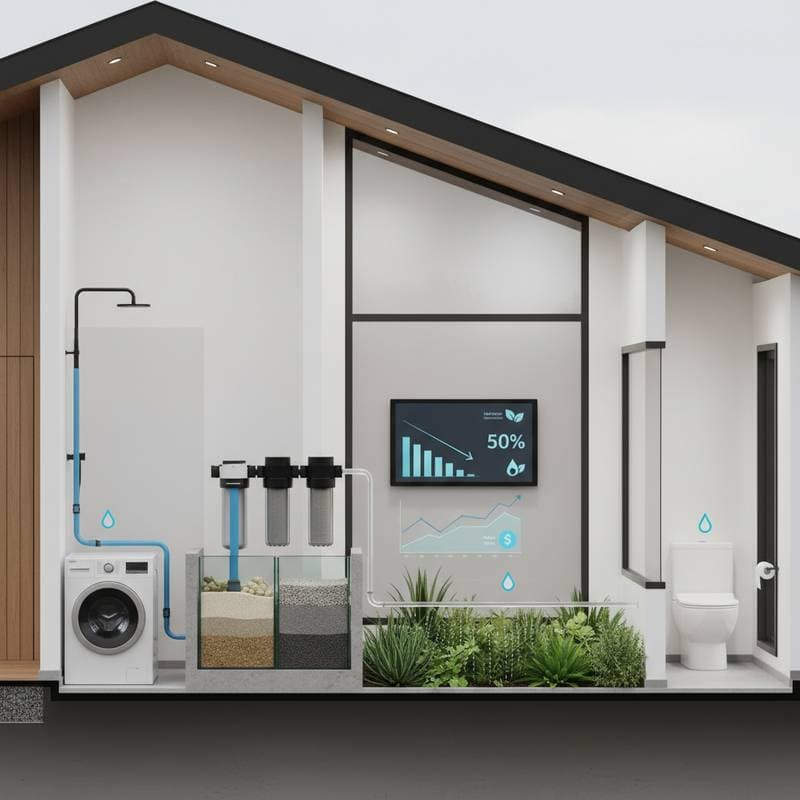
Greywater systems collect and repurpose water from household sources like sinks, showers, and washing machines. These systems divert the water from sewer lines for non-potable uses, such as garden irrigation or toilet flushing. Homeowners enjoy reduced utility bills and support broader water conservation, particularly in areas prone to shortages.
Systems range from basic diverters to sophisticated treatment units. Choose based on household size, water consumption patterns, and regional climate. Correct setup guarantees dependability and alignment with health regulations.
Assessing Costs and Savings
Upfront expenses for greywater systems start at $1,500 for simple diverter configurations and climb to $10,000 for full filtration setups. Prices depend on capacity, materials, and plumbing integration labor. By 2026, modular innovations reduce costs for typical residences.
Savings emerge rapidly from lower municipal water use. Expect 20 to 50 percent reductions in bills, with greater effects in dry regions featuring extensive landscaping. A family of four might save $50 monthly or more, influenced by habits and rebates.
Study pipe diagrams and tank placements to understand home integration. This preparation cuts disruptions and accelerates investment recovery.
Step-by-Step Installation Guide
Start by evaluating water flow in your home and target reuse zones. Hire a certified plumber to check site feasibility and create a contamination-free layout separate from drinking water lines. Secure permits from local officials to verify compliance with zoning and health rules.
Follow these essential steps:
- Fit diverter valves on drain lines from showers and laundry to direct greywater to storage tanks.
- Place tanks in shaded, reachable locations to inhibit algae and simplify upkeep.
- Link output lines to irrigation areas or low-flow toilets, adding pump surge protectors.
- Run comprehensive tests for leaks and flow rates prior to activation.
Professional services promote durability, often backed by warranties. Basic systems allow for DIY approaches, provided you grasp fundamental plumbing principles.
Prioritizing Safety and Compliance
Reserve greywater for non-drinking applications only; steer clear of any contact with food preparation or consumption. Regulations differ by location: some areas require subsurface irrigation to limit exposure, while others insist on filtration for expanded uses. Engage officials at the outset to avoid penalties or modifications.
Apply these protective steps:
- Examine local building codes and acquire necessary permits before alterations.
- Restrict untreated greywater storage to 24 hours to limit bacterial proliferation.
- Choose biodegradable, low-sodium detergents to protect soil and vegetation.
- Mark irrigation zones as off-limits for children and pets during use.
Strategic planning prevents problems like soil pollution or odors. Local community guides offer region-specific compliance resources.
Accessing Rebates and Incentives
Programs change frequently, so verify details from official channels. Water districts often provide up to $2,000 for approved systems, and state initiatives fund conservation projects. Federal support targets drought-affected areas.
Pursue rebates with these actions:
- Visit your water utility's site for application forms and requirements.
- Reach out to state environmental departments for extra funding paths.
- Discuss with certified installers about collaborations that ease submissions.
- Check with conservation groups for residential pilot opportunities.
Installers frequently handle documentation, matching incentives to your setup and area.
Expert and User Perspectives
Sustainability specialists note that fine-tuned greywater systems save thousands of gallons each month. Studies in water-scarce zones report 30 to 50 percent bill drops. Plumbing professionals confirm longevity when systems align with home water characteristics.
Real users echo these results. A resident in an arid area saved 40 percent with a moderate system, praising accurate scaling. Another stressed quarterly filter checks for steady output. Such stories highlight the merits of customized setups and routine care.
Addressing Challenges
Some homes present hurdles for greywater integration. Uneven terrain raises piping complexity and labor by 20 to 30 percent. Small properties restrict tank sites, capping system scale.
Consider these factors:
- Retrofit costs exceeding $8,000 in older structures.
- Plant damage from harsh detergents, necessitating selective choices.
- Performance dips in cooler areas, demanding pipe insulation.
Weigh these aspects to set practical expectations and allocate funds wisely.
Maintenance for Sustained Performance
Routine care upholds system efficiency and water purity. Proactive monitoring spots problems early and averts expensive fixes.
Maintain this routine:
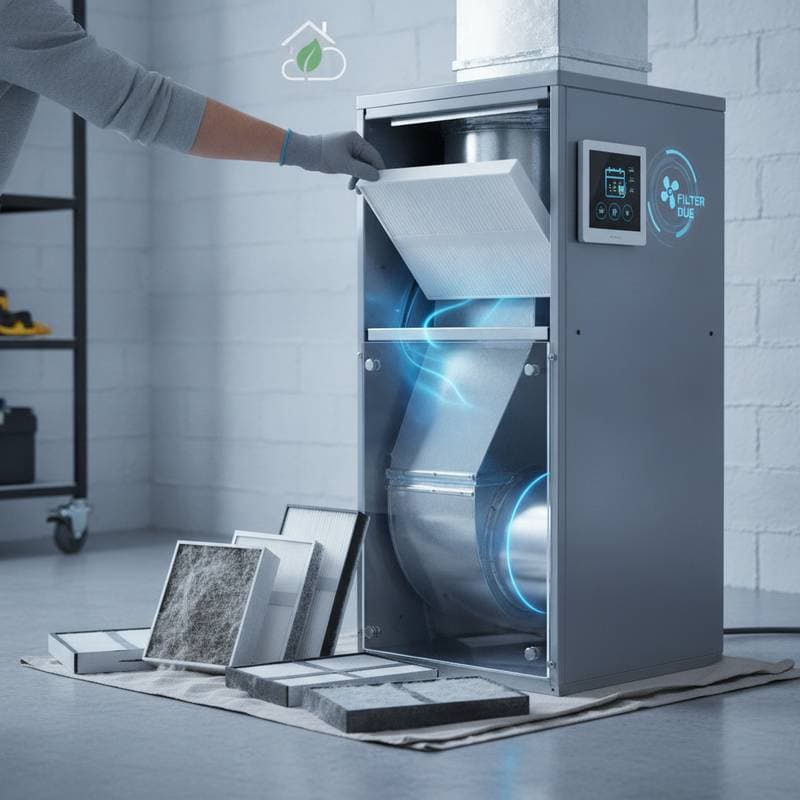
- Clear filters monthly in diverter systems to avoid blockages.
- Inspect pumps, valves, and connections quarterly in complex units.
- Arrange yearly expert reviews to evaluate flows and parts.
These habits ensure smooth function, odor control, and lifespan over 10 years.
Long-Term Benefits in Action
Greywater systems transform everyday wastewater into a resource, bolstering home water independence and easing pressure on public networks. Return on investment arrives within five years, including rebates and savings.
Broader gains include resource preservation and readiness for rising water needs. Adopters position themselves as sustainability leaders, reaping financial and planetary advantages.