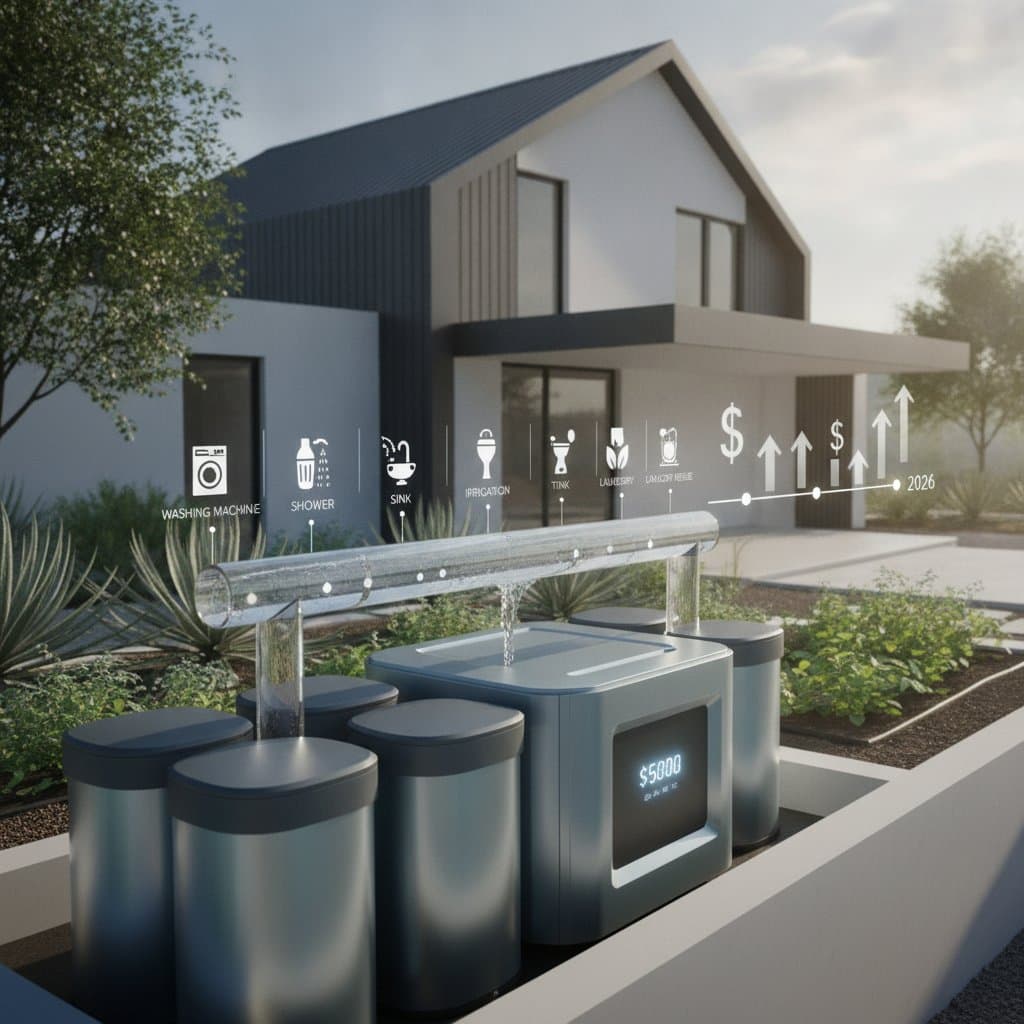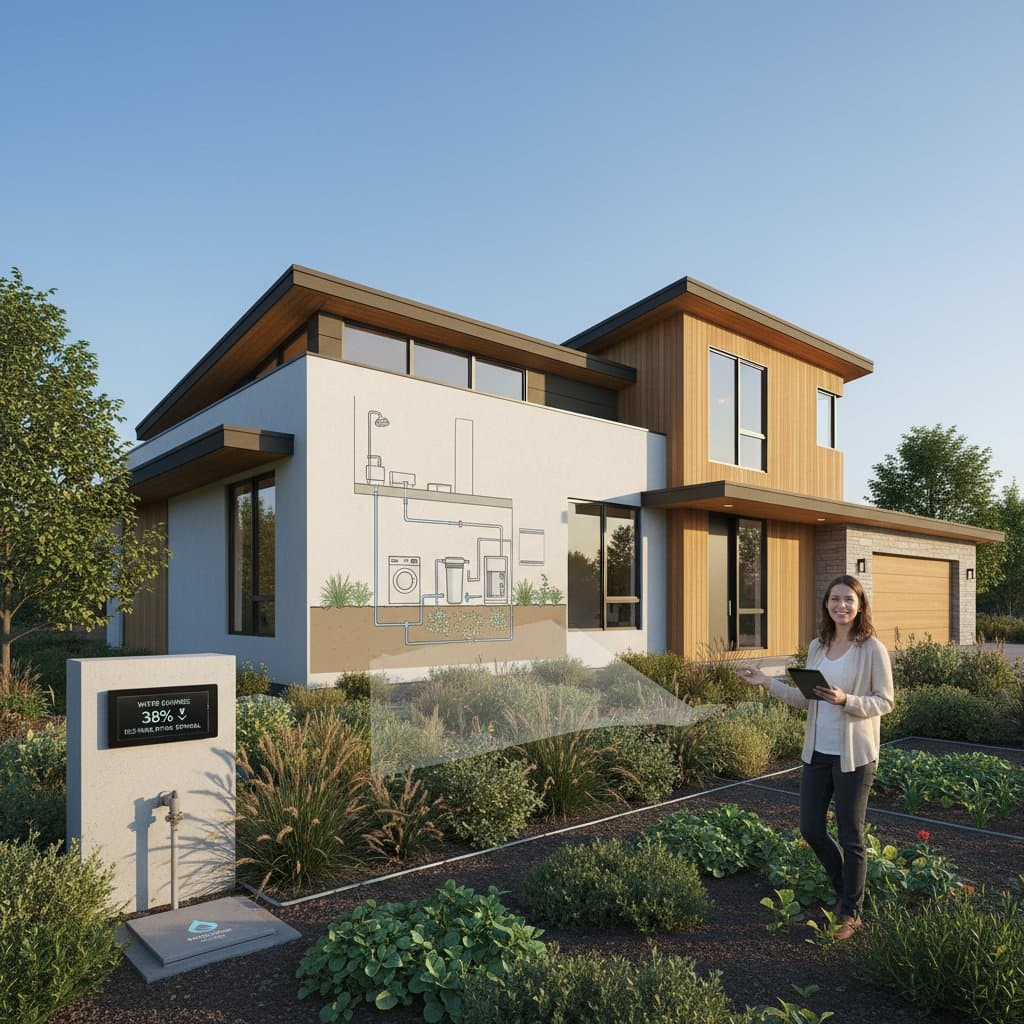
Contact local building and health departments early to align designs with requirements and avoid rework expenses.
Smart Installation Planning
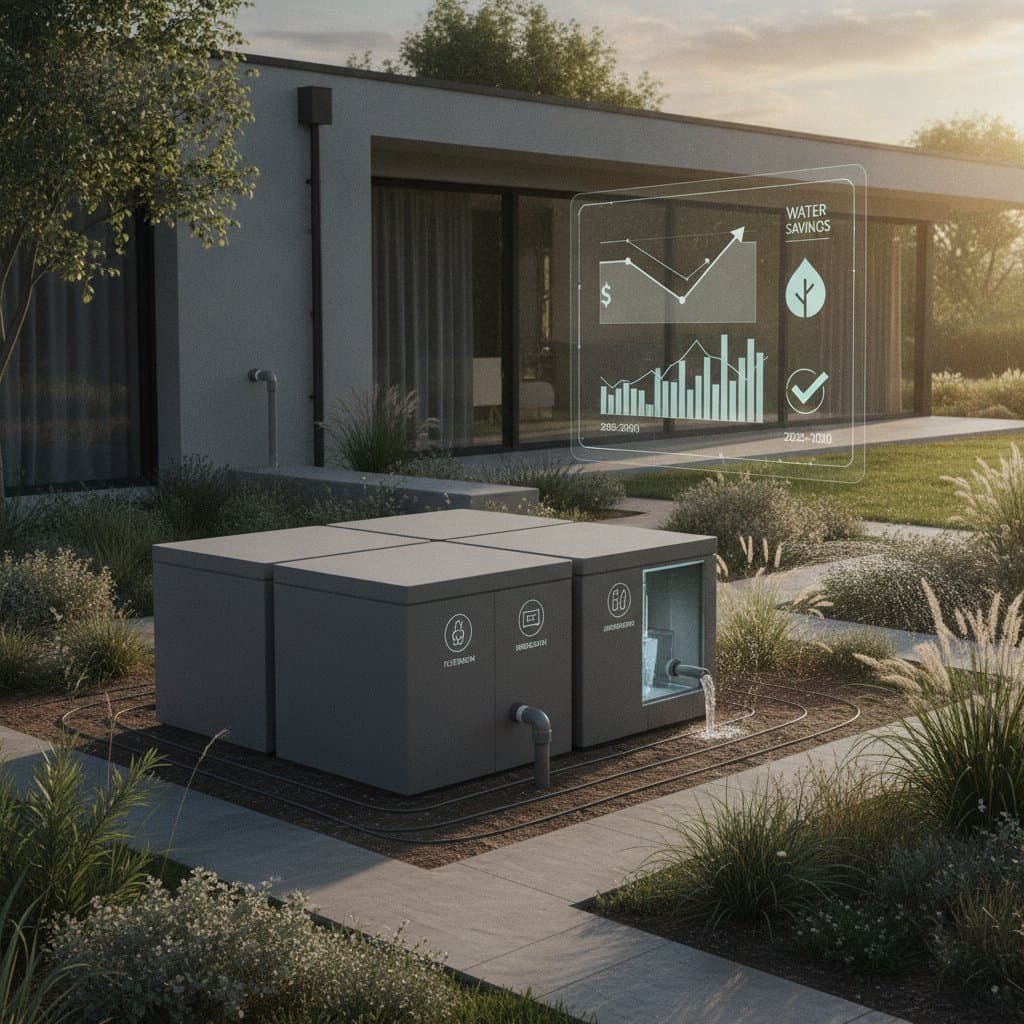
Effective greywater installation hinges on thorough preparation to optimize performance and durability. Begin by charting water production sites, such as bathrooms and laundry rooms, against reuse zones like gardens or orchards. Minimize pipe lengths to cut material and labor costs while reducing potential leak points.
Follow these essential steps:
- Assess current infrastructure. Pinpoint safe greywater sources, excluding kitchens due to grease and food residues that damage plants or filters.
- Choose appropriate filtration levels. Entry-level mesh screens suit basic irrigation; sophisticated sediment and activated carbon units ensure clarity for toilet flushing.
- Incorporate user-friendly access. Position valves and filters for straightforward monthly servicing without disassembling core elements.
- Calculate daily volume needs. A two-person home might process 30 gallons daily, whereas a family of five could generate 150 gallons; match system capacity accordingly to avoid excess spending.
- Account for climate variations. Integrate automated controllers to ramp up irrigation during droughts and scale back in rainy seasons, averting soil erosion or waterlogging.
Safety and Maintenance Protocols
Hygiene remains paramount with greywater to prevent health risks. Maintain strict separation from drinking water supplies and affix clear labels on all dedicated lines. Select phosphate-free, biodegradable cleaning products to protect soil biology and system components from buildup.
Routine upkeep includes:
- Monthly filter rinsing to remove debris.
- Quarterly inspections of pipes for blockages or seepage.
- Annual professional checks on pumps, timers, and sensors.
- Seasonal tank flushes to clear accumulated solids.
With diligent care, these systems endure 20 years or longer, though components like pumps and filters warrant replacement every five to seven years at costs of $200 to $500.
Cost-Saving Strategies
Blend expert services with DIY efforts to lower outlays. For instance, trenching for lateral lines or installing mulch basins saves $300 to $600 in contractor fees. Opt for prefabricated kits, which streamline assembly and reduce total expenses by 20 to 30 percent compared to bespoke designs.
Explore utility rebates to offset investments. Many districts offer $500 to $2,000 credits through water conservation initiatives, based on projected annual savings. Verify eligibility via municipal websites or provider hotlines before committing to purchases.
Pro Tips for Optimal Performance
Launch with a modest setup, such as a laundry diverter, to test integration before expanding. Ensure all access panels remain unobstructed for routine monitoring. Employ low-flow drip lines to target root zones efficiently, minimizing waste from surface runoff.
Integrate digital monitors to log diversion volumes and flag issues like reduced flow from clogged screens. Engage installers certified in greywater protocols to mitigate contamination hazards. Document all components and schedules in a maintenance log for warranty claims and resale value.
Sustaining Long-Term Benefits
A greywater system integrates seamlessly into broader home efficiency measures. Consistent upkeep, eco-friendly product choices, and adaptive usage patterns preserve its effectiveness. Over time, bill reductions compound, and enhanced sustainability appeals to eco-conscious buyers, recouping upfront costs through equity gains.
As water demands intensify, these installations represent proactive adaptation. Master local rules, strategize installations, and commit to ongoing care to secure a resilient, resource-efficient residence that supports personal finances and planetary health.