Understanding Greywater Systems and Their Value in 2026
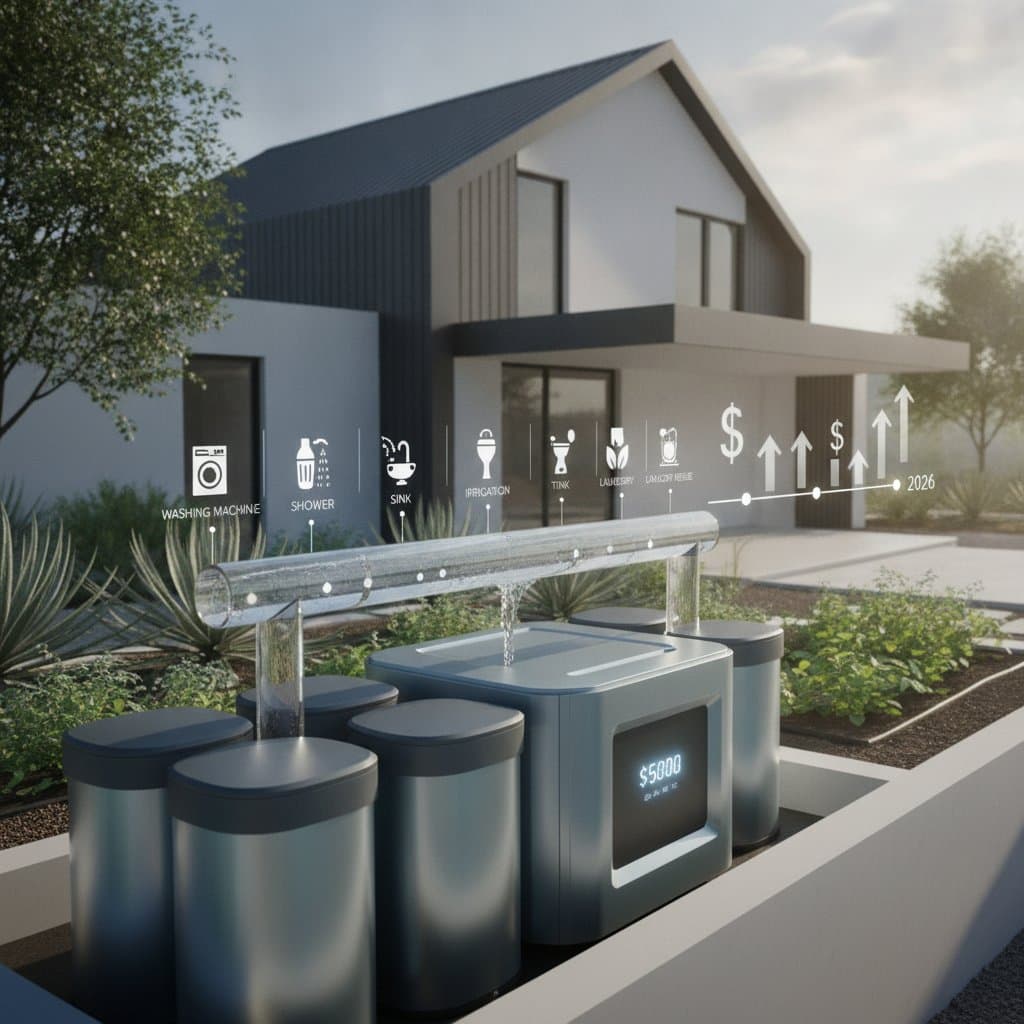
Greywater systems capture water from household sources such as showers, sinks, and laundry machines. This water undergoes filtration and redirection for non-potable uses like garden irrigation or toilet flushing. Homeowners benefit from reduced utility expenses, enhanced sustainability, and decreased pressure on municipal water resources.
A strategic installation yields financial returns through bill savings and property appreciation. These systems also conserve a vital resource amid growing water scarcity concerns. This guide examines costs, return on investment, installation options, and planning essentials for effective implementation.
Exploring Greywater System Types
Selecting the appropriate system depends on property layout, water usage patterns, and budget constraints. Each type varies in complexity, filtration requirements, and suitability for different applications. Understanding these distinctions aids in accurate cost estimation and performance expectations.
Simple Laundry-to-Landscape Systems
These entry-level systems link the washing machine directly to outdoor irrigation lines. They employ basic diverter valves and minimal screening to remove large debris. Such setups suit properties with sloped yards and households committed to using eco-friendly, biodegradable detergents.
Installation involves routing a hose from the machine to mulch basins or drip lines. Expect costs between $700 and $2,000, influenced by pipe lengths and valve quality. Maintenance remains straightforward, focusing on periodic debris clearing.
Gravity-Fed Diversion Systems
These configurations channel greywater from bathroom fixtures to underground irrigation networks without mechanical assistance. Gravity drives the flow through simple mesh filters that capture hair and lint. Proper site grading ensures uniform distribution and prevents surface pooling.
Professionals assess slope angles during planning to optimize efficiency. Costs typically range from $1,500 to $4,000, depending on excavation needs and filter sophistication. These systems excel in mild climates where freezing poses minimal risk.
Pumped or Pressurized Systems
Properties with flat terrain or multi-level plumbing require pumps to propel greywater through distribution lines. These setups incorporate timers and zone controls for targeted application. Basic sedimentation tanks precede filtration to settle solids.
Electricity powers the pump, adding minor operational costs, yet flexibility justifies the investment. Price points fall between $3,000 and $7,000, factoring in pump capacity and wiring. Regular checks on pump seals extend system reliability.
Advanced Filtered and Stored Systems
Comprehensive systems feature multi-stage treatment, including biological filters, UV disinfection, and holding tanks for on-demand release. Treated water supports diverse uses, such as flushing toilets or additional laundry cycles, subject to regional approvals. Storage capacity matches daily greywater production for balanced reuse.
Integration with home automation allows remote monitoring of water levels and quality. Costs span $6,000 to $15,000, reflecting treatment technology and tank size. Long-term durability offsets initial expense through versatile functionality.
Weighing DIY Against Professional Installation
Homeowners evaluate installation methods based on technical skills, time availability, and regulatory demands. Simple projects offer empowerment, while complex ones demand expertise to avoid pitfalls. Both paths require adherence to local building codes.
Benefits of DIY Installation
Undertaking the work personally cuts labor expenses by up to 30 percent. Individuals gain intimate knowledge of components, facilitating independent troubleshooting. Material selection aligns precisely with site-specific needs.
Challenges of DIY Installation
Inexperienced efforts risk plumbing leaks or drainage failures that compromise safety. Unpermitted alterations may lead to fines or system rejection during inspections. Advanced features like pumps exceed typical DIY capabilities.
Advantages of Professional Installation
Certified installers navigate code requirements seamlessly, securing necessary permits. They size systems accurately to match household output and landscape demands. Expertise minimizes contamination hazards and ensures rebate eligibility.
Seek contractors holding credentials from water conservation associations. Review portfolios of prior greywater projects and verify insurance coverage. Detailed contracts outline timelines, warranties, and post-installation support.
Quantifying Performance and Environmental Impact
Greywater adoption delivers tangible outcomes in resource management and cost control. Systems recycle 30 to 50 percent of indoor water usage, directly lowering bills. Broader effects include ecosystem support and infrastructure relief.
Water demand drops by up to 40 percent, easing municipal supply burdens. Diverted flows reduce sewage volume, cutting treatment energy needs. Enriched soil from nutrient-laden greywater decreases fertilizer reliance and irrigation demands.
Community-wide implementation fosters drought resilience and aligns with conservation mandates. Track savings by comparing pre- and post-installation utility statements. These metrics validate the system's contribution to household and planetary health.
Navigating Safety and Regulatory Compliance
Safe operation hinges on design features that isolate greywater from drinking supplies. Protocols prevent pathogen spread and ensure equitable distribution. Compliance safeguards health and preserves warranty validity.
Backflow preventers form a critical barrier against reverse flow into clean lines. Subsurface delivery via drip emitters limits exposure risks. Robust filtration sequences eliminate organics and microbes effectively.
Distinctive purple labeling identifies greywater lines per industry standards. Engage licensed plumbers for inspections confirming code alignment. Annual audits maintain certification and operational integrity.
Ensuring Longevity Through Maintenance and Enhancements
Sustained efficiency requires proactive care tailored to system type. Neglect accelerates wear, while diligence maximizes lifespan beyond a decade. Document routines to streamline seasonal preparations.
Essential Maintenance Practices
Replace or rinse filters quarterly to sustain flow rates. Examine pipes for clogs from soap buildup or root intrusion. Introduce system flushes with vinegar solutions to dispel odors.
Select detergents free of salts and antimicrobials to protect microbial balances. Monitor for unusual noises indicating pump strain. Professional servicing annually addresses hidden issues.
Pathways for System Upgrades
Incorporate sensors that detect soil moisture and automate irrigation cycles. Pair with rainwater collection for diversified supply sources. Modular expansions accommodate growing landscapes or family sizes.
Budget for upgrades during low-usage periods to minimize disruption. Consult evolving regulations for grant opportunities supporting enhancements. These steps amplify savings and adaptability.
Realizing Full Value from Greywater Integration
Effective greywater systems blend seamlessly into home operations, yielding compounding advantages. Monthly usage logs reveal optimization opportunities, such as adjusting laundry schedules. Integration during renovations amortizes costs over broader projects.
Early planning in new builds trims expenses by 20 percent versus retrofits. Collaborate with architects to embed plumbing runs efficiently. This foresight positions properties for premium valuations in eco-conscious markets.
Pursue greywater for its blend of fiscal prudence and ecological stewardship. Informed choices today secure tomorrow's water security. Homeowners emerge with resilient, value-added residences.