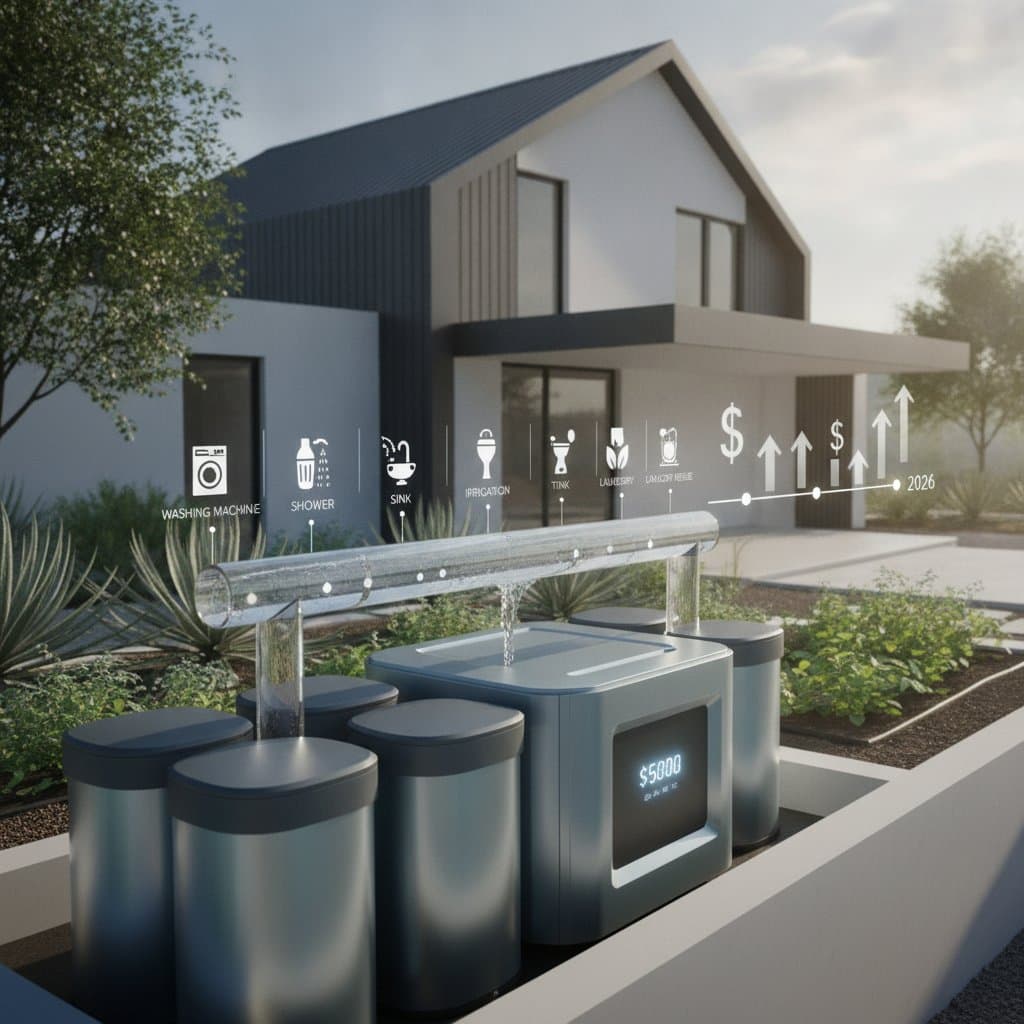
Save Thousands Annually: Understanding 2026 Greywater Installation Costs
Water conservation ranks among the most effective strategies for reducing household expenses and easing demands on municipal water resources. Greywater recycling systems allow homeowners to capture and repurpose water from showers, sinks, and laundry appliances. Rather than discharging this mildly used water into sewers, these systems filter and route it toward landscape irrigation or toilet flushing. Homeowners achieve substantial utility bill reductions, decreased reliance on freshwater sources, and enhanced overall sustainability.
Grasping the associated costs, maintenance requirements, and installation procedures empowers homeowners to evaluate compatibility with their properties and financial plans. Expenses fluctuate based on home dimensions, existing plumbing configurations, and selected system varieties. Proper preparation positions these investments to generate thousands in yearly savings.
Average Greywater Installation Costs
Installation expenses for greywater systems hinge on property scale, system complexity, and plumbing intricacies. Homeowners typically allocate between $2,000 and $9,000 for complete setups.
- Basic laundry-to-landscape configurations fall within $800 to $2,500. These arrangements channel washing machine effluent directly to exterior irrigation networks.
- Comprehensive whole-home systems that process and store water for diverse applications span $5,000 to $15,000, influenced by advanced filtration methods and reservoir volumes.
- Modifications to established residences with intricate plumbing may incur an extra $1,000 to $3,000 for supplementary piping and regulatory assessments.
Engaging certified professionals guarantees adherence to building codes and operational dependability. While some opt for partial self-installation to curb expenses, municipal regulations frequently mandate licensed oversight, particularly for integrations involving interior plumbing elements.
Detailed Cost Breakdown
Dissecting expense components aids in precise budgeting. Overall outlays encompass materials, workmanship, approvals, and elective enhancements.
Materials and Equipment
- Filtration and processing units: $400 to $1,500
- Pumping mechanisms and control valves: $200 to $800
- Reservoir tanks: $300 to $2,000, scaled to capacity needs
- Distribution piping and connectors: $100 to $600
Labor and Installation
Workforce charges generally range from $1,500 to $5,000. Rates escalate for projects involving subsurface plumbing or multi-bathroom integrations.
Permits and Inspections
Jurisdictional authorities commonly demand approvals for water reclamation installations. Associated fees vary from $100 to $500, with supplementary evaluations for indoor connections.
Elective Enhancements
Automated regulators, ultraviolet disinfection units, and sensor-equipped valves improve functionality at added expense. Begin with foundational models and upgrade incrementally as financial benefits accumulate.
Selecting an Appropriate System
System choice must align with household scale, outdoor features, and consumption patterns.
Compact Residences or Apartments
Opt for single-appliance solutions, such as laundry-to-landscape designs. These demand limited area and straightforward upkeep.
Mid-Sized to Expansive Homes
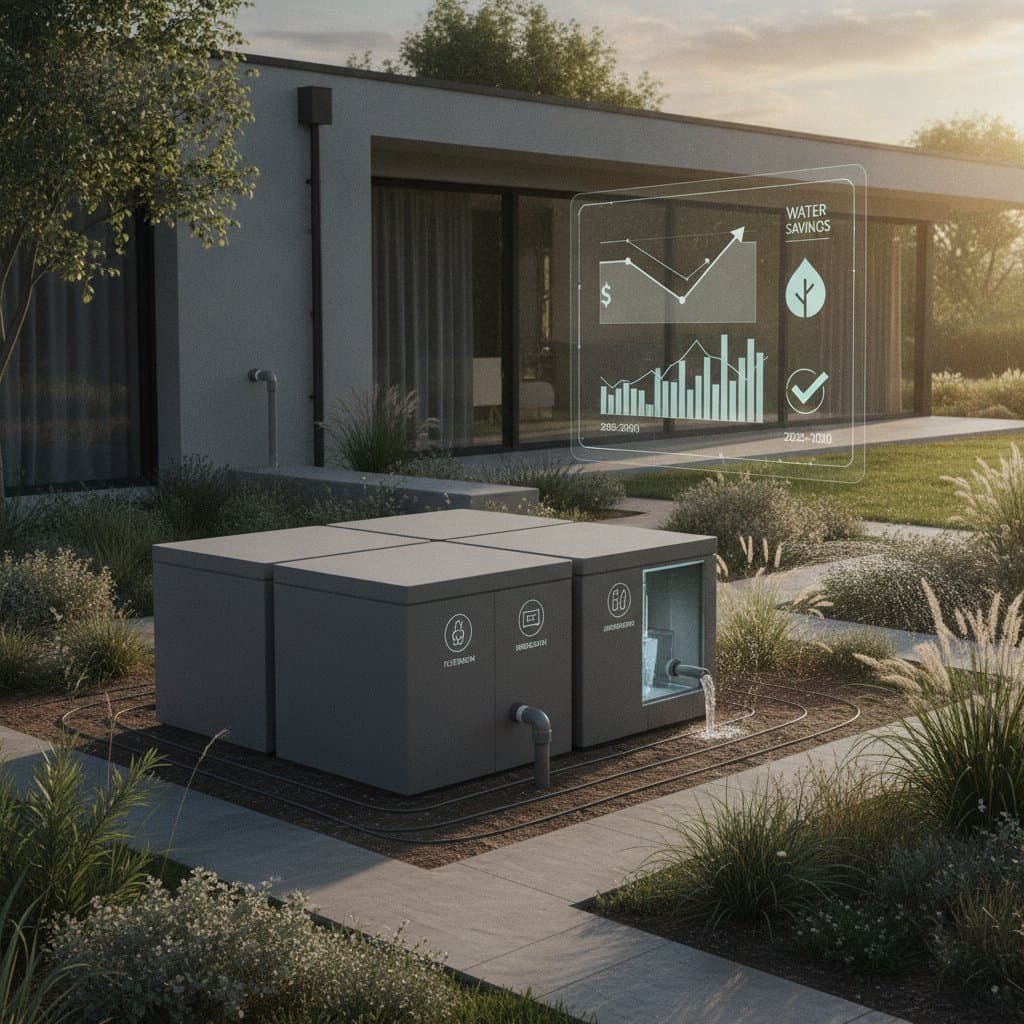
Whole-house variants aggregating effluent from various outlets yield amplified savings. Incorporate reservoirs, purification stages, and programmed dispersal mechanisms.
Properties with Extensive Gardens or Turf
Prioritize direct-application irrigation setups where exterior hydration dominates utility expenditures. Repurposed water sustains vegetation through arid periods.
Structures Aimed at Interior Repurposing
Advanced treatment configurations for lavatory replenishment or surface washing necessitate greater initial outlay yet promise superior enduring returns.
Ongoing Maintenance Expenses
Sustained efficacy demands routine attention. Clean or substitute filters every three to six months, contingent on volume. Flush reservoirs annually or biannually to avert accumulation.
Professional servicing averages $100 to $300 per year. Self-managed tasks prove more economical, provided adherence to operational manuals. Oversight lapses invite malodors, blockages, or microbial proliferation, undermining performance.
Contemporary designs feature digital oversight tools that notify users of impending needs, preempting disruptions and escalating repairs.
Broader Advantages for Environment and Daily Life
Greywater adoption extends past fiscal gains to foster ecological responsibility. Every repurposed gallon alleviates burdens on public processing infrastructure and conserves energy for conveyance and purification.
Studies indicate potential reductions in freshwater consumption by up to 40 percent, varying with regional conditions and landscaped areas. Garden enthusiasts benefit from reliable hydration amid scarcity, preserving vitality without bill spikes. Such setups enhance adaptability to curtailments, maintaining verdant exteriors consistently.
Calculating Return on Investment
Recoupment timelines correlate with regional tariffs and usage intensity. Investments typically amortize within five to seven years. Elevated rates accelerate recovery; modest ones prolong it.
Incorporate incentives like rebates or fiscal deductions to compress periods to three or four years. Post-installation, perpetual savings persist with nominal oversight.
Industry observers note that these features elevate market appeal in water-scarce locales, drawing purchasers who value diminished operations and ecological merits.
Enduring Impacts
Integrating greywater reshapes water management practices within households. Persistent advantages surpass monetary relief.
- Adaptability: Residences remain operational amid shortages or mandates.
- Ecological Stewardship: Lessened municipal withdrawals safeguard communal reserves.
- Awareness Building: Occupants gain insights into consumption, cultivating enduring efficiency.
- Market Enhancement: Sustainable attributes boost attractiveness and potential resale premiums.
Collectively, these installations redefine waste as utility, influencing communal perspectives on resource preservation.
Safeguarding System Performance
Uphold investment integrity through diligent care and judicious use. Document filter renewals, evaluations, and interventions. Address component degradation swiftly to forestall failures.
For automated elements, verify sensor and valve integrity periodically. Purge distribution conduits yearly against deposits.
Integrate these protocols into standard property routines for reliable output and sustained economies. Initial expenditures translate to trimmed statements, robust exteriors, and assurance in optimized habitation.
Greywater integration yields tangible fiscal and planetary gains. Through deliberate strategy, expert execution, and vigilant preservation, households realize annual thousands in savings while advancing water security.