2026 Greywater Costs: Permits and Savings Uncovered
Greywater systems offer homeowners a practical way to reduce water bills, conserve resources, and foster sustainable living. These systems capture and repurpose lightly contaminated water from sources such as showers, bathroom sinks, and washing machines for tasks like landscape irrigation or toilet flushing. Proper planning of costs, including permits, installation, and ongoing maintenance, enables informed decisions that align with budgets and environmental objectives.
What Greywater Systems Accomplish and Their Importance
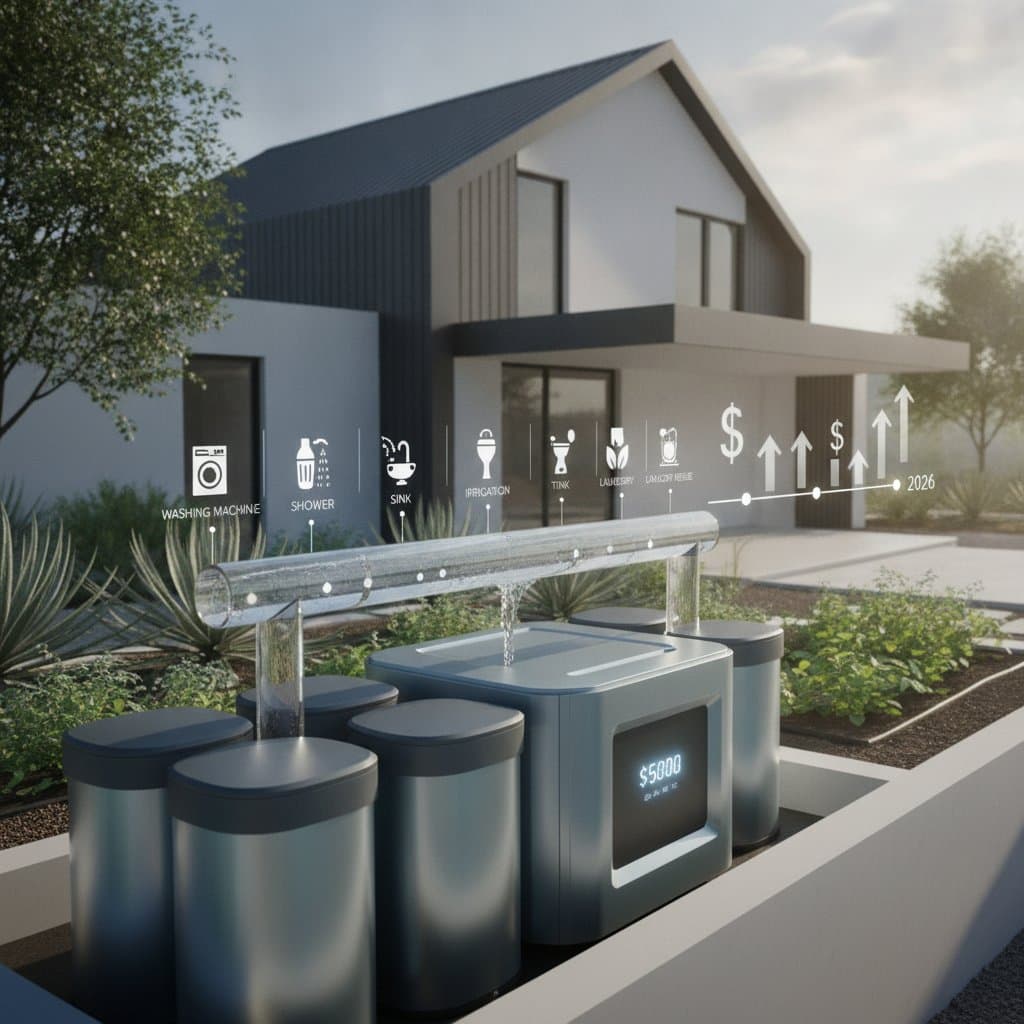
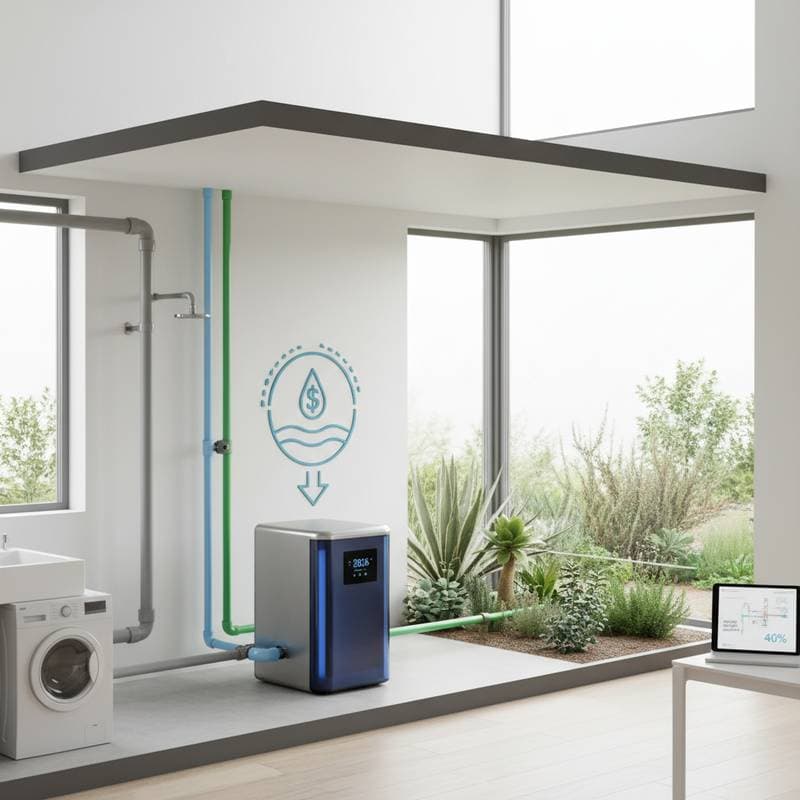
Greywater systems gather wastewater from routine household tasks and redirect it for non-potable uses. Distinct from blackwater, which originates from toilets and kitchen sinks and carries higher contamination levels, greywater involves fewer pollutants. With appropriate filtration and distribution, it supports safe applications in outdoor irrigation or, in permitted areas, toilet flushing.
Such reuse diminishes reliance on fresh water supplies, potentially cutting household consumption by up to 40 percent. In water-scarce regions with rising utility rates, this efficiency yields tangible financial benefits. Moreover, these systems promote self-sufficiency, particularly in locales affected by usage restrictions or droughts.
Types of Greywater Systems and Associated Costs
Greywater systems differ in design, complexity, and expense. Selection hinges on the volume of water to recycle, intended applications, and desired level of automation.
1. Basic Laundry-to-Landscape Configuration
This entry-level option channels washing machine effluent directly to outdoor irrigation via gravity or a modest pump. Piping and filter materials typically range from $200 to $600. Professional installation incurs $300 to $800, resulting in total costs of $500 to $1,400. Individuals with plumbing experience may lower expenses by managing portions of the setup independently.
2. Branched Drain Configuration
This approach aggregates greywater from various fixtures, including showers and sinks, directing it to subsurface irrigation areas. It demands extensive plumbing adjustments and precise layout to avert blockages. Costs for installation fall between $1,500 and $3,000, influenced by the fixtures integrated. Annual maintenance remains modest at $50 to $100 for filter cleaning.
3. Pumped or Filtered Storage Configuration
Homeowners seeking greywater for toilet flushing or scheduled irrigation require a pumped system featuring a storage tank and filtration. Sensors and diverter valves automate operations in these setups. Expenses span $4,000 to $8,000, with premium efficient models exceeding this range. Upkeep includes filter replacements biannually and yearly pump checks, totaling $100 to $300 annually.
Permit Requirements and Regulatory Aspects
Regulations for greywater systems vary by jurisdiction. Most localities mandate a plumbing or environmental permit prior to installation to safeguard public health and prevent contamination of drinking water supplies.
Permit fees generally span $50 to $500, contingent on project scale and inspection demands. In areas with rigorous codes, certified professionals must review designs, adding $200 to $1,000 in fees. Inspectors verify elements like labeling, backflow prevention, and discharge protocols. Non-compliance risks fines or system removal, underscoring the value of adherence.
Homeowners who engage local building authorities early often streamline the process. Transparency with inspectors facilitates recommendations for adjustments that ease approvals.
Hidden Costs to Anticipate
Several overlooked expenses beyond core materials and permits affect overall project budgets. Awareness of these factors averts unexpected financial burdens.
1. Plumbing Modifications
In older structures, accessing drain lines proves challenging. Interventions like cutting pipes or adjusting vents elevate labor by $500 to $1,500. Multi-level homes may necessitate extra pumps or durable piping for outdoor routing.
2. Landscape Adjustments
Irrigation-compatible systems require soil and terrain suitable for absorption. Adding subsurface drip lines or mulch basins costs $200 to $800. Integrating these with comprehensive yard improvements boosts expenses yet enhances performance.
3. Filtration and Treatment Components
Elementary filters address debris like lint, while sophisticated biological or membrane units ensure prolonged water purity. These range from $300 to $1,200, with periodic replacements needed.
4. Electrical Elements
Components such as pumps and sensors draw minimal power, but installing dedicated circuits or protective enclosures adds $100 to $300.
Long-Term Savings Potential
The chief appeal of greywater systems lies in sustained reductions to water bills. An average household conserves 15,000 to 30,000 gallons yearly through such reuse. At prevailing regional rates, this equates to annual savings of $150 to $600. Within five years, these gains frequently recoup significant portions of initial outlays, especially for moderate systems.
Pairing greywater with rainwater collection amplifies benefits, fulfilling irrigation demands without municipal sources. This strategy also buffers against escalating utility costs.
Incentives like tax credits and rebates enhance returns. Drought-prone municipalities offer $200 to $2,000 for compliant installations. Homeowners should consult local water agencies for eligibility, which often requires professional setup and inspection verification.
Environmental and Lifestyle Advantages
Greywater systems advance ecological goals by easing pressure on treatment facilities and minimizing wastewater discharge to stormwater systems. This mitigates erosion and protects groundwater. In arid zones, they sustain landscapes amid conservation mandates.
On a personal level, these installations cultivate resource awareness, prompting mindful consumption patterns. Users frequently note on forums that the systems transform conservation into habitual practice, deepening engagement with sustainability.
Potential Challenges and Mitigation Strategies
While effective, greywater systems demand thoughtful implementation to sidestep issues like odors or clogs.
1. Align System with Property Features
Unique site conditions dictate system scale. Oversizing risks yard flooding or pipe backups. Pre-installation consultation with plumbers or engineers guarantees proper calibration.
2. Select Biodegradable Cleaners
Water quality relies on drain inputs. Avoid chemicals that damage flora or filters; opt for phosphate-free alternatives to maintain efficacy.
3. Commit to Routine Upkeep
Inspect filters quarterly, test pumps yearly, and flush lines seasonally. Neglect accelerates wear and elevates repair needs.
4. Prioritize Safety Protocols
Restrict greywater to non-edible uses. Eliminate potable line connections through labeling and distinct piping.
DIY Versus Professional Installation Options
DIY appeals to skilled individuals, potentially completing basic setups in a weekend for under $500 in supplies. However, errors in gradients or fittings impair functionality and complicate approvals.
Professionals charge $50 to $120 hourly, comprising 30 to 50 percent of totals for standard projects. Delegating labor-intensive tasks like trenching while overseeing key elements balances cost and assurance.
Maintenance and Durability Factors
With diligent care, greywater systems endure 15 to 25 years. Filters and pumps represent frequent replacements. Cartridge filters cost $20 to $60 and need attention two to four times yearly; pumps last five to ten years.
Annual professional servicing at $150 to $300 provides reliability. Maintenance records bolster property value during sales, as appraisers recognize these features.
Smart Home Integration Opportunities
Contemporary systems interface with automation tools to track moisture, weather, and storage. This connectivity, costing $200 to $600 extra, boosts efficiency by 20 to 30 percent. Mobile applications deliver real-time insights into usage and upkeep, reinforcing conservation efforts.
Addressing Common Hurdles
Regulatory or maintenance concerns deter some, yet straightforward remedies exist.
- Clog Prevention: Clean filters routinely and install lint traps on washers.
- Odor Control: Vent pipes adequately and flush periodically to eliminate stagnation.
- Pressure Issues: Adjust valves and verify alignments for optimal flow.
- Seasonal Management: Drain components in vacant properties to avoid decay.
Specialized plumbers resolve persistent problems efficiently.
Sustaining System Performance Over Time
To maximize returns, treat greywater installations as ongoing investments. Schedule comprehensive checks biannually, documenting all activities for reference. Explore expansions like sensor upgrades as technology evolves, ensuring enduring efficiency and savings.