Introduction to Greywater Systems
Greywater systems capture and reuse lightly contaminated water from household sources such as sinks, showers, and washing machines. This approach transforms wastewater into a valuable resource for irrigation and other non-potable uses. Homeowners benefit from reduced water consumption, lower utility bills, and enhanced environmental sustainability.
These systems range from basic diversion setups to advanced treatment installations. Selection depends on household size, local regulations, and budget. Proper implementation ensures safety and efficiency, making greywater reuse a practical choice for modern homes.
System Types and Costs in 2026
Costs for greywater systems vary based on complexity, scale, and features. Simple diversion systems, which redirect water without treatment, start at approximately 500 to 2,000 dollars. These suit small-scale garden irrigation and require minimal plumbing changes.
Mid-range systems with basic filtration and pumps range from 3,000 to 7,000 dollars. They handle larger volumes from multiple sources like laundry and showers. Advanced treatment systems, including disinfection for broader reuse, cost 8,000 to 15,000 dollars or more, depending on customization.
Chart suggestion: A bar graph comparing average system types and costs per square foot of irrigation area.
Installation factors influence total expenses. Professional labor adds 1,000 to 3,000 dollars, while permits and materials contribute another 500 to 1,500 dollars. Homeowners in arid regions may qualify for rebates that offset up to 50 percent of costs through local water conservation programs.
Long-term savings offset initial investments. A typical household reduces water usage by 30 to 50 percent, translating to annual bill reductions of 200 to 500 dollars. Return on investment occurs within three to five years for most setups.
Essential Maintenance Practices
Maintenance adds a small yearly expense, typically 100 to 300 dollars. Filters require cleaning every one to three months to prevent clogs. Pipes must remain clear through regular flushing, and periodic checks detect leaks or cross-connections early.
Homeowners who perform routine upkeep keep running costs low. Professional servicing once a year ensures compliance and longevity. Neglect leads to inefficiencies or health risks, underscoring the need for consistent attention.
Maintenance Checklist
- Clean filters monthly to maintain flow efficiency.
- Flush storage tanks twice a year to remove sediment buildup.
- Inspect valves and pipes quarterly for blockages or wear.
- Adjust irrigation distribution seasonally for even coverage.
- Monitor soil moisture with a meter to avoid overwatering.
Navigating Permits and Local Regulations
Installing greywater systems usually requires a permit to ensure safety and proper plumbing separation. Local rules vary widely, but most permit offices prioritize preventing contamination of drinking water supplies. Compliance protects public health and avoids legal issues.
Permit Tips
- Review local water department websites for specific greywater guidelines.
- Prepare a simple diagram illustrating plumbing connections and flow paths.
- Install approved backflow prevention devices to safeguard potable water.
- Maintain records of all components for easy access during inspections.
Some cities permit small outdoor diversion systems without full approval if conditions such as low volume and surface application are met. Verification with authorities prevents fines, which can exceed 1,000 dollars and surpass installation costs.
Expert insight: Many plumbing inspectors emphasize that early communication with the permitting office accelerates approvals and minimizes redesign needs.
Broader Benefits of Greywater Reuse
Greywater systems extend beyond bill reductions. They enhance resilience during water restrictions by providing an alternative supply. Soil health improves as greywater delivers trace nutrients from soaps and detergents, functioning as mild fertilizers.
Plants respond positively, showing increased growth and drought tolerance. This nutrient boost supports healthier landscapes without additional chemical inputs.
Additional Advantages
- Reduced stormwater runoff mitigates erosion and flooding risks.
- Lower strain on septic tanks extends their lifespan and reduces pumping frequency.
- Improved property value through demonstrated sustainability features appeals to eco-conscious buyers.
Homeowners sharing results on local forums highlight greener gardens during dry spells. Such testimonials inspire community-wide adoption of water-saving practices.
Safety Protocols and Best Practices
Safety remains paramount in greywater systems. Never mix greywater with blackwater from toilets to avoid health hazards. Select non-toxic, biodegradable soaps to minimize salt accumulation in soil.
Avoid applying greywater to root crops or edible leaves consumed raw. Surface irrigation for ornamentals and trees proves safest. These measures protect users and the environment.
Case Study: Suburban Family Installation
A family in a suburban neighborhood installed a mid-range treatment system linked to showers and laundry. Water usage decreased by about 30 percent within the first month. Healthier plants emerged, and no odor problems arose after regular filter cleaning.
Design choices like gravity flow minimized mechanical components and costs. This setup demonstrates accessible benefits for average households, encouraging similar projects.
Steps to Implement Your System
Integrate greywater planning with broader home upgrades for efficiency. Pair it with bathroom remodels or landscape projects to consolidate labor and permitting. Begin with a single source, such as a washing machine, to build familiarity before expansion.
Consult certified plumbers experienced in greywater. Assess site suitability, including soil type and space for distribution. Budget for contingencies like unexpected piping adjustments.
For visuals, include:
- A labeled diagram of a home greywater flow path.
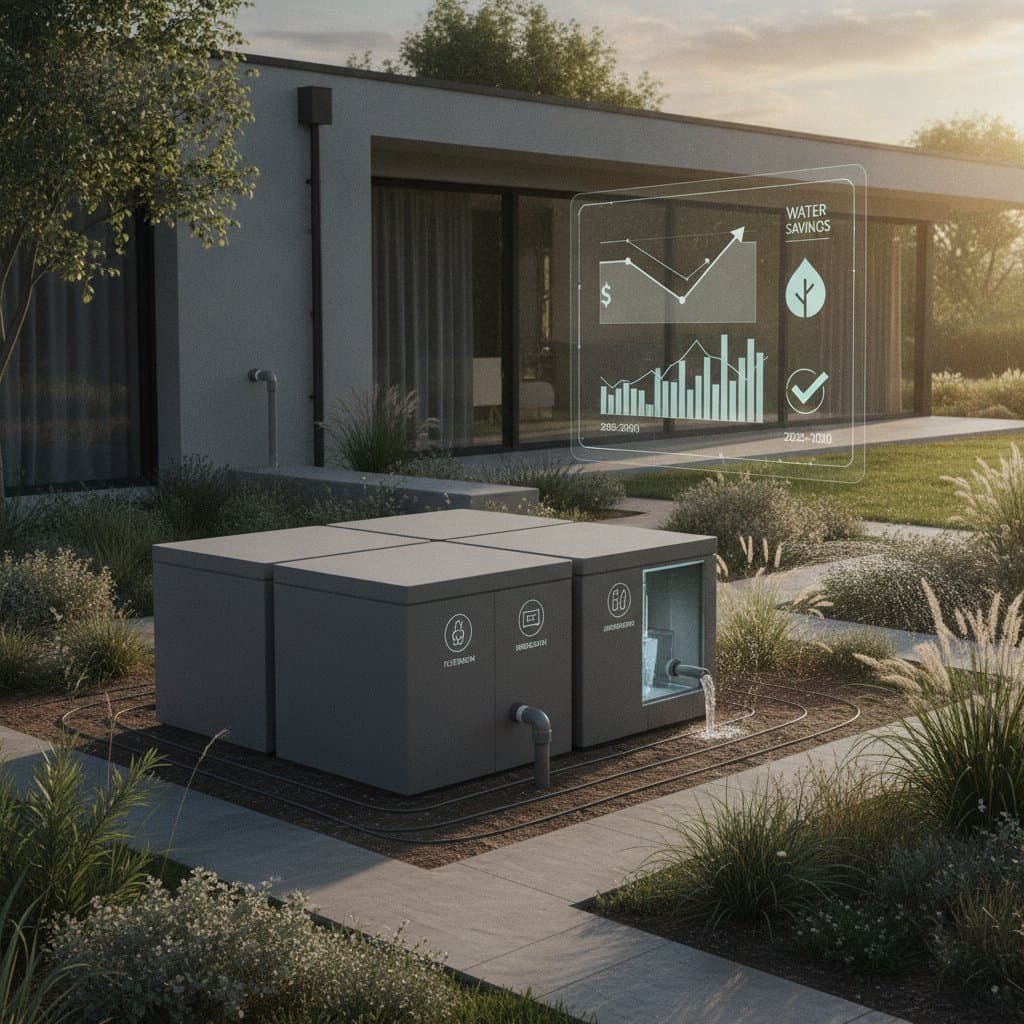
- A photo of an outdoor irrigation field fed by recycled water.
Sustaining Long-Term Impact
Greywater systems convert everyday wastewater into a reliable resource. Knowledge of costs, permits, and maintenance empowers homeowners to build effective setups. Each reused drop fosters savings, sustainability, and community well-being.