Greywater Installation: Costs, Permits, and Savings
Water bills frequently rise due to the volume of water discarded after minimal use. Showers, handwashing, and laundry cycles contribute gallons that could serve other purposes. Greywater systems collect this mildly soiled water and channel it toward irrigation or toilet flushing, offering a pathway to lower costs and conserve resources. Homeowners considering such an installation benefit from evaluating expenses, regulatory needs, and potential returns to determine suitability.
The Importance of Greywater Systems
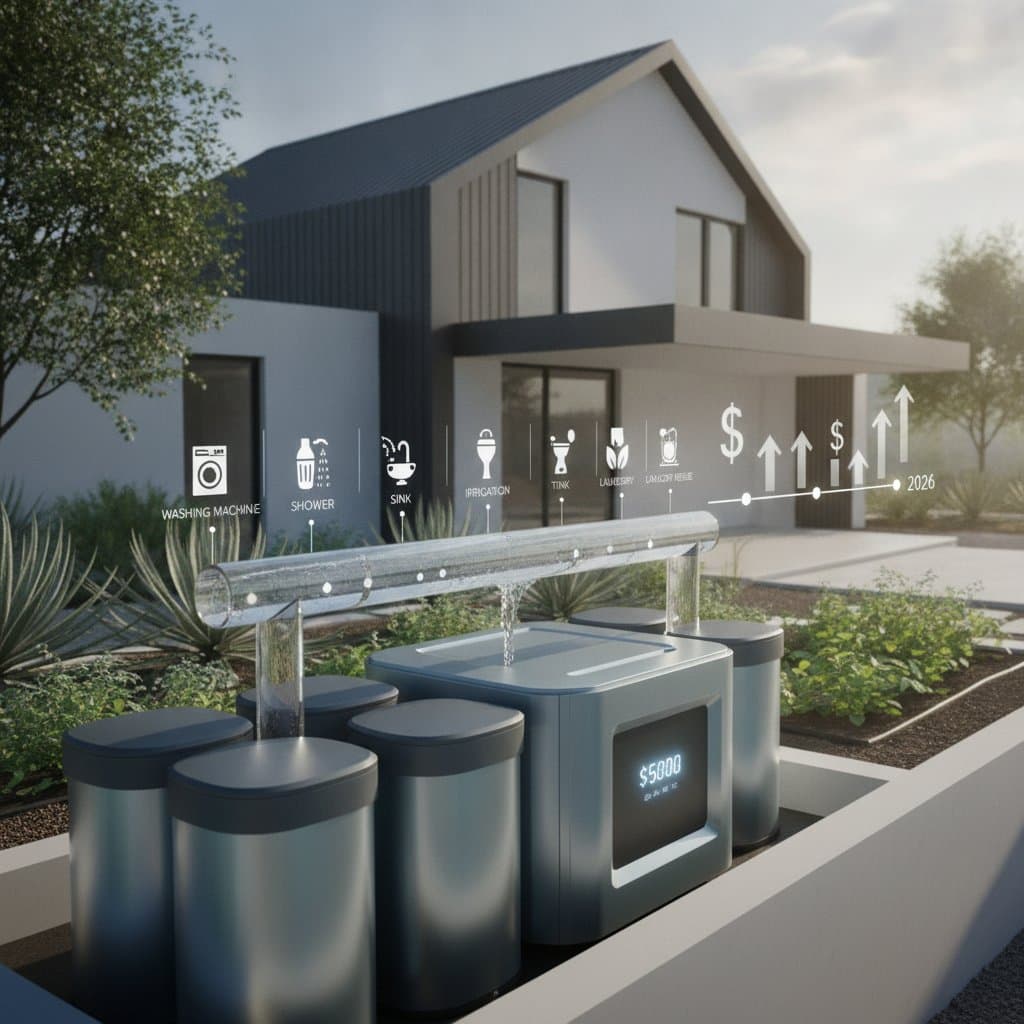
Greywater systems repurpose water from bathroom sinks, bathtubs, and washing machines for non-drinking applications. This approach prevents the loss of water that remains largely uncontaminated. Households typically generate 25 to 40 gallons daily for reuse, potentially decreasing total consumption by 30 to 50 percent. Such reductions ease pressure on municipal supplies and yield noticeable financial benefits.
Cost Breakdown and Practical Considerations
Homeowners often seek straightforward figures on expenses and viability. A basic laundry-to-landscape system ranges from $700 to $1,500 for self-installation. Whole-house setups fall between $3,000 and $8,000, influenced by scale, configuration, and plumbing demands. Advanced professional installations featuring automated filters or controls may reach $15,000.
Individuals with plumbing knowledge can handle modest systems independently. Complex or regulated projects demand a licensed plumber experienced in greywater. Returns include monthly savings of $20 to $60, varying by family size and regional rates.
Types of Greywater Systems
Laundry-to-Landscape Systems
These entry-level options reroute washing machine outflow directly to outdoor areas for plant watering.
- Average cost: $700 to $1,200
- Installation challenge: Moderate
- Best suited for: Single-family residences with yard access
- Daily output: 15 to 40 gallons per load
Gravity or compact pumps direct water via underground drip tubing. Many areas waive permits for on-site, subsurface applications.
Branched Drain Systems
These configurations gather water from showers, bathtubs, and sinks across multiple sources.
- Average cost: $2,500 to $6,000
- Installation challenge: High
- Best suited for: Renovation projects or new builds
- Daily output: 50 to 100 gallons
Piping networks split and allocate water to designated zones. Trenching and slope management ensure gravity-driven movement. Plumbing permits apply in most locations.
Filtered and Pressurized Systems
Advanced setups suit expansive properties or indoor reuse like toilet flushing.
- Average cost: $6,000 to $15,000
- Installation challenge: Requires professionals
- Best suited for: Large households or water-scarce regions
- Daily output: Over 100 gallons
Components include storage tanks, pumps, backflow valves, and optional UV treatment. Strict regulations necessitate full compliance and inspections.
Navigating Permits and Regulations
Local authorities align with the Uniform Plumbing Code or International Plumbing Code for greywater handling. Essential guidelines include:
- Subsurface application only: Prevent exposure to humans or animals.
- Isolation from drinking water: Install air gaps or backflow devices.
- Clear identification: Label pipes as non-potable.
- Storage protocols: Filter and treat water held beyond 24 hours.
Permit fees differ by complexity; basic systems may qualify for exemptions, while detailed plans incur $200 to $1,000 in processing and oversight. Consult the local building office prior to any modifications.
Pitfalls to Sidestep in Installation
Missteps can undermine even thoughtful projects. Common issues include:
- Incompatible cleaners: Avoid salts, bleaches, or boron; opt for biodegradable, eco-friendly options.
- Excessive plant saturation: Align output with vegetation requirements using 12- to 18-inch drip spacing.
- Inadequate gradients: Maintain a 1-inch drop every 8 feet to avoid blockages and ensure drainage.
- Neglecting strainers: Basic screens prolong equipment durability and soil health.
- Overlooking weather variations: Adjust during wet periods or bypass to drains to prevent saturation.
Professional site assessments clarify soil capacity and layout for optimal results.
Strategies to Minimize Expenses
Several tactics lower overall investment:
- Leverage current infrastructure: Tie into nearby drains to cut labor time.
- Choose gravity-based designs: Eliminate needs for power sources.
- Integrate during remodels: Route lines through exposed areas to save on access costs.
- Handle preliminary work: Excavate or lay irrigation yourself, with pros completing connections.
- Seek incentives: Utilities provide $100 to $500 rebates for compliant installations.
Enhancements for Accessibility and Safety
These systems support users with limited mobility through automated features that minimize physical effort. Programmable controls enable distant management. Prioritize safety by positioning valves at 36 to 42 inches high and securing all components. Design for easy upkeep, avoiding low or awkward placements for filters and access points.
Sustaining Performance Through Maintenance
Regular care ensures longevity and efficiency. Inspect filters monthly, cleaning or replacing as needed to prevent clogs. Monitor drip lines for even distribution and clear debris seasonally. Test backflow devices annually and adjust flows based on rainfall or usage patterns. Budget $50 to $200 yearly for parts and professional checks, which sustain savings over a decade or more.
Steps to Implement Your System
Reducing water loss through greywater merits serious consideration as a home improvement. Begin with a laundry-to-landscape model to build familiarity. Solicit bids from two or more certified plumbers, verify regional codes, and tailor the design to your landscape's contours and soil properties. This investment delivers enduring fiscal and ecological advantages.