2026 Greywater System Costs: DIY vs. Professional Installation Breakdown
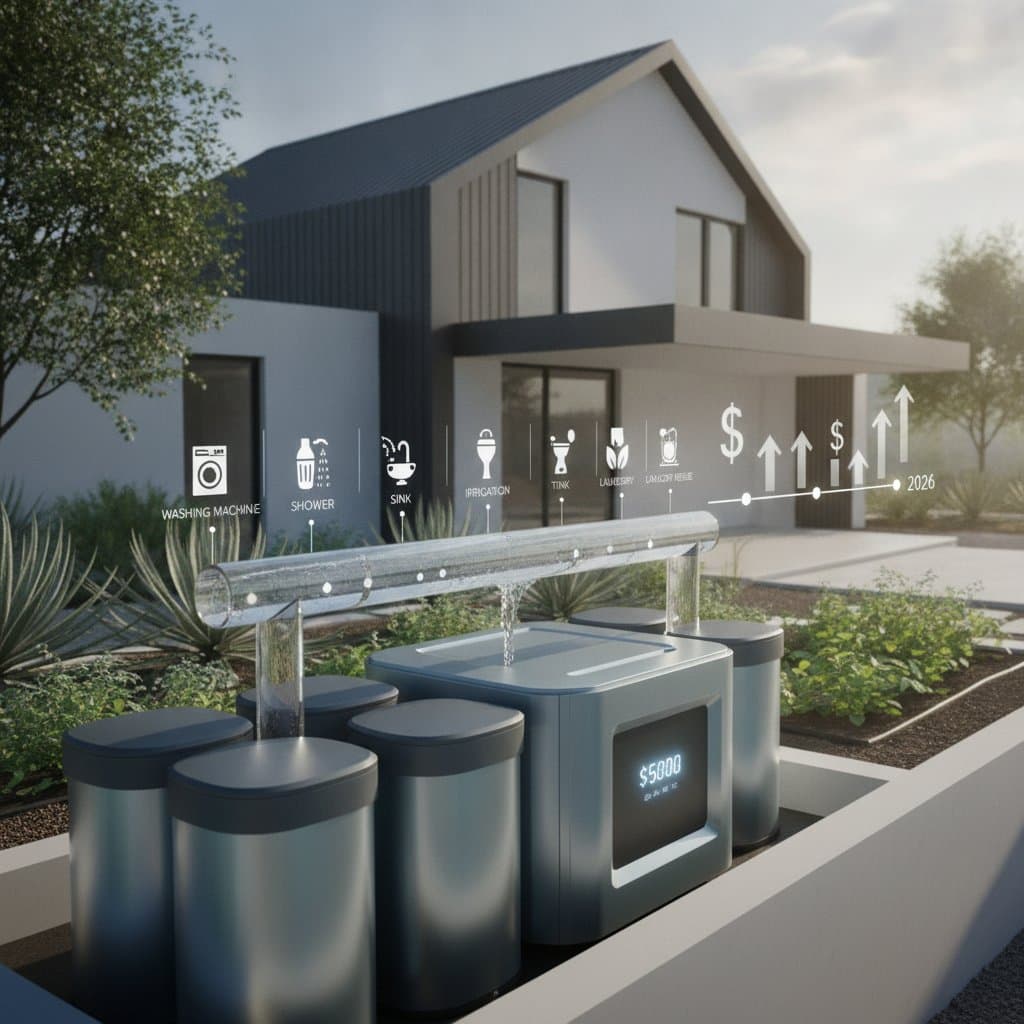
Homeowners increasingly turn to greywater systems to cut water usage and support sustainable living. These setups capture water from sources like showers, sinks, and washing machines, then redirect it for tasks such as garden watering or toilet flushing. While the advantages in cost savings and environmental impact stand out, installation expenses vary significantly. This article breaks down the pricing landscape for 2026, comparing do-it-yourself options with professional services to guide your decision.
Key Components of Greywater System Pricing
Greywater system expenses depend on factors like household size, system sophistication, and site-specific challenges. Basic diversion systems route water directly to landscapes, while advanced models incorporate filtration and treatment for broader reuse. Grasping these elements allows you to forecast budgets accurately and avoid surprises.
Expenses for DIY Greywater Installations
A straightforward DIY greywater project, such as diverting laundry water to garden beds, keeps costs low. Focus on essential materials to stay within budget:
- Diverter valves and piping: $200 to $500
- Basic filters and connectors: $100 to $250
- Hand tools and miscellaneous supplies: $50 to $300, based on existing inventory
- Additional irrigation components like mulch basins: $100 to $400
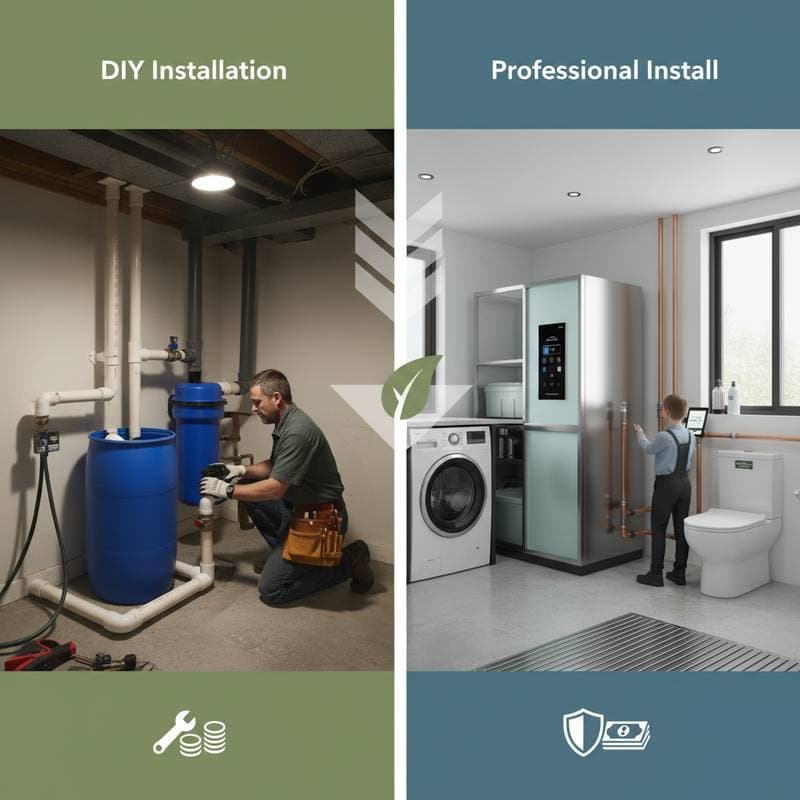
Total outlay for a modest setup often falls between $450 and $1,450. The primary advantage lies in eliminating labor fees, though success demands plumbing know-how, adherence to codes, and thorough testing to prevent issues like backups or contamination.
Pricing for Professional Greywater Installations
Professional services provide expertise that ensures durability and regulatory compliance, justifying the higher initial investment. Expect totals from $3,000 to $12,000 or beyond, influenced by:
- System complexity: Simple diversions start at $3,000, while full treatment systems with pumps exceed $8,000
- Fixture integrations: Connecting multiple sources raises costs by $500 to $1,500 per additional point
- Regulatory hurdles: Permits and inspections add $200 to $1,000
- Enhanced features: Sensors, automated filters, and storage tanks contribute $1,000 to $3,000
Quotes typically cover design, labor, on-site testing, and warranties, reducing future repair needs and offering peace of mind.
Influences on Overall Costs
Multiple variables shape greywater pricing:
- Property configuration: Easy access to pipes lowers labor time and expenses.
- Daily water volume: High-usage homes require robust, pricier capacities.
- Regional codes: Strict areas demand engineering stamps or health approvals.
- Terrain features: Slopes or soil types like heavy clay necessitate custom drainage solutions.
- Reuse intentions: Indoor applications call for UV disinfection or advanced filtration, increasing costs by 30 to 50 percent.
Comparing DIY and Professional Approaches
The choice between self-installation and hiring experts hinges on your technical abilities, financial limits, and local requirements. Each method suits different scenarios when executed with care.
Advantages of DIY Greywater Systems
- Reduced expenses by avoiding contractor fees
- Customization to fit specific needs and materials
- Skill-building experience for future home projects
Challenges with DIY Greywater Systems
- Absence of guarantees against failures
- Potential for regulatory non-compliance or plumbing errors
- Difficulty scaling for multi-fixture or large-property setups
Advantages of Professional Greywater Systems
- Tailored designs that meet all codes and optimize flow
- Thorough testing for leak-free, efficient operation
- Long-term reliability with minimal upkeep demands
Challenges with Professional Greywater Systems
- Elevated starting prices
- Dependence on contractor timelines
- Less room for post-install modifications without extra fees
Essential Tools for DIY Projects
For a basic installation, gather these items:
- Pipe cutters and crimpers
- Assorted valves and threaded fittings
- PVC pipes or flexible hoses
- Sediment and lint filters
- Shovel or trencher for subsurface lines
Prioritizing Safety and Effort
Greywater carries soaps and organics that pose health risks if mishandled. Use protective gear, minimize exposure, and limit untreated storage to 24 hours. Simple diversions might wrap up over a weekend, but intricate designs could span weeks, including research and adjustments.
Essential Questions on Greywater Systems
Industry professionals address frequent inquiries to clarify options.
What Is the Average Cost of a Greywater System?
Ranges typically span $500 to $5,000 for DIY efforts and $4,000 to $15,000 for pro installs, scaled to system scope.
Is a Permit Necessary?
Most jurisdictions require one; contact your local building or environmental office for specifics.
Can Greywater Irrigate Edibles?
Only with rigorous treatment to remove pathogens; opt for non-edible landscaping to simplify safety.
How Long Does Setup Take?
DIY versions often complete in 2 to 5 days; pros handle jobs in 5 to 14 days amid site variables.
What Upkeep Does It Involve?
Routine tasks include filter rinsing every 1 to 3 months, pump checks quarterly, and leak scans annually. Many pro units feature self-cleaning mechanisms.
Are Greywater Systems Secure?
Properly built ones pose no risks for intended uses; avoid potable applications entirely.
How Much Water Does It Conserve?
Average families reclaim 20,000 to 50,000 liters yearly, easing utility costs and resource demands.
Do These Systems Boost Property Value?
Sustainability features appeal to buyers, potentially adding 1 to 3 percent to resale prices.
What Issues Arise Commonly?
Blockages from debris, poor grading causing pooling, or harsh chemicals leading to clogs and smells.
Which Cleaners Work Best?
Select plant-safe, phosphate-free options to safeguard soil and prevent pipe buildup.
How Do Seasons Affect Operations?
Freeze-prone regions need pipe wraps or winter drains; dry areas may require surge protections.
Key Questions for Contractors
Inquire about their greywater portfolio, warranty terms, service schedules, and code adherence proofs.
Guide to Selecting Your Greywater Solution
Step 1: Review Your Needs
Track monthly water patterns and select sources like laundry or baths for diversion.
Step 2: Gauge Your Expertise
Basic pipe work suits confident DIYers; complex needs favor certified plumbers.
Step 3: Tally Full Expenses
Factor in supplies, approvals, fixes, and ongoing care; pros often prove cost-effective long-term.
Step 4: Weigh Potential Drawbacks
Consider contamination hazards, legal penalties, or inefficiency from errors, and plan mitigations.
Sustaining Efficiency and Returns
Regular maintenance preserves your greywater system's performance and extends its lifespan. Schedule annual inspections to catch wear early, and track savings through utility logs. This investment not only lowers expenses but also fortifies your home's resilience in a water-conscious future.