- Intended application: Interior uses necessitate rigorous purification and sanitation.
Request itemized estimates detailing workforce, supplies, and regulatory fees to gauge the complete commitment.
Savings Potential with DIY Approaches
Opting for DIY suits modest projects without elaborate piping or purification needs. For instance, a diverter valve to supply laundry water to select garden areas might suffice. However, errors in design or connections risk leaks or pollution, potentially incurring higher repair bills. Verify compliance with area plumbing standards prior to commencement.
Comparing DIY and Professional Options
The decision between self-installation and expert services hinges on expertise, finances, and familiarity with plumbing tasks. Each path offers distinct advantages and challenges.
Advantages of DIY
- Reduced expenses: Supplies dominate the budget.
- Adaptability: Owners can modify the setup progressively.
- Personal fulfillment: Hands-on involvement appeals to capable residents.
Challenges of DIY
- Potential regulatory breaches: Flawed configurations may violate standards.
- Narrow application: Limited to particular water origins.
- Ongoing duties: Regular filter checks and cleaning fall to the owner.
Advantages of Professional Services
- Regulatory adherence and security: Specialists navigate codes and safeguards.
- Optimized performance: Designs align with property specifics.
- Assurance coverage: Providers often extend warranties.
Challenges of Professional Services
- Elevated initial investment: Workforce and approvals inflate totals.
- Potential delays: Availability constraints affect timelines.
- Reduced adaptability: Post-installation alterations prove expensive.
Essential Tools for DIY Projects
Necessary items include:
- PVC or flexible tubing.
- Diverter mechanisms.
- Screen-based filters.
- Securing clamps.
- Standard tools such as pipe cutters and adjustable wrenches.
- Safety equipment like gloves and eyewear.
Installation Timeline and Precautions
Completing a compact system may span several days, emphasizing preparation and trials. Shut off supply lines before modifying pipes, and don proper protective attire. For interior applications, confirm separation from drinking water conduits to avoid hazards.
Common Greywater Inquiries
Expert insights address frequent concerns.
Components of a Standard System
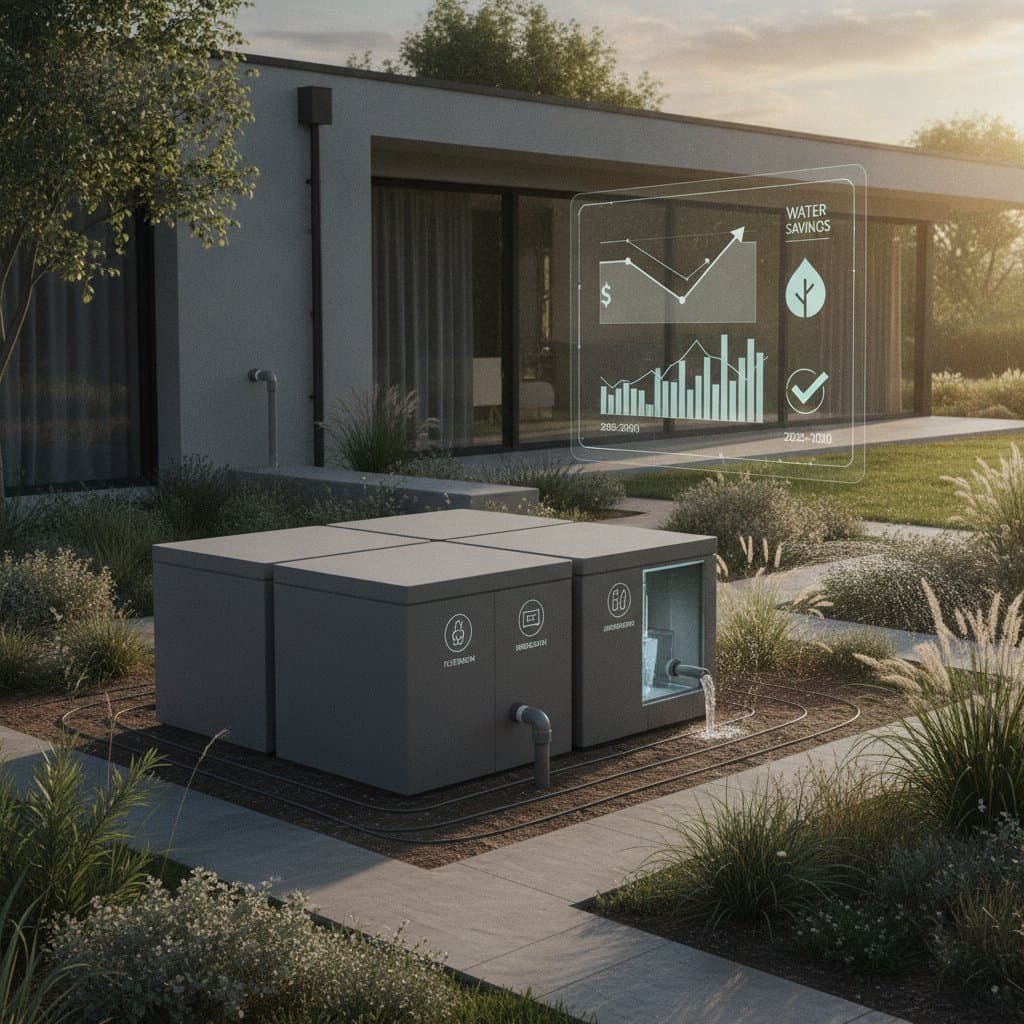
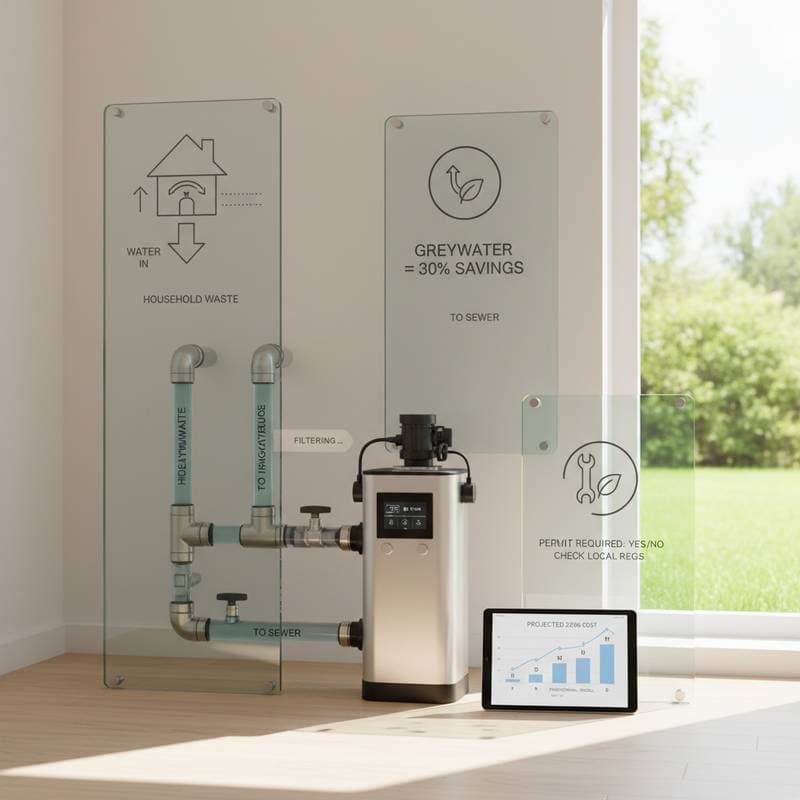
Essential parts comprise collection conduits, treatment filters, control valves, and delivery networks. Sophisticated versions add pumps, reservoirs, and sanitization devices.
Greywater Purity Levels
Greywater remains unfit for consumption, yet suitable for watering or flushing post-filtration. Avoid direct contact with edible plants or ingestion.
Permit Necessity
Most locales mandate plumbing or ecological approvals, particularly for indoor integrations. Certain uncomplicated laundry diversions qualify for exemptions under defined criteria.
Bill Reduction Estimates
Outcomes depend on consumption patterns and system capacity. Residents often halve exterior water needs, notably in arid zones.
Required Upkeep
Perform monthly filter cleanings and periodic line flushes to avert accumulations. Conduct yearly reviews of pumps and valves.
Detergent and Soap Guidelines
Select biodegradable options low in sodium and phosphates to safeguard soil health.
Overflow Management
Well-engineered units feature diversion routes channeling surplus to sewer or septic lines.
Storage Feasibility
Brief holding works, but extended periods foster smells and microbial proliferation. Aim for reuse within 24 hours.
Inspection Recommendations
Certain areas enforce pre-operation reviews. Voluntary checks enhance safety regardless.
Contractor Selection Cautions
Steer clear of those lacking endorsements, comprehensive bids, or credential verification. Ensure familiarity with local mandates.
Seasonal Modifications
In freezing regions, implement winter protections against pipe damage. In drought periods, boost garden allocations.
Expansion Possibilities
Modular designs permit growth. Initiate modestly and incorporate additional inputs as circumstances allow.
Decision-Making Process
Evaluate property details, finances, and objectives systematically.
Step 1: Analyze Usage Patterns
Monitor household water output, targeting showers, basins, and laundry as primary contributors.
Step 2: Review Plumbing Infrastructure
Identify drain paths and assess diversion feasibility. Properties with reachable lines present optimal opportunities.
Step 3: Compute Comprehensive Expenses
Account for supplies, workforce, approvals, and ongoing care.
Step 4: Weigh Potential Hazards
Faulty setups risk polluting safe water or harming grounds. Integrate protections like backflow devices.
Step 5: Finalize Selection
Prioritize ease and standards with professionals. Embrace DIY for assured abilities in limited endeavors.
Project Preparation Essentials
Thorough groundwork facilitates success and regulatory alignment.
Research and Planning
Investigate local codes, system varieties, and supplier options. Sketch potential layouts to align with home features.
Site Preparation
Clear access to drains and irrigation zones. Test soil drainage to inform filtration choices.
Timeline and Budgeting
Establish realistic schedules, factoring weather and approvals. Allocate 10 to 20 percent extra for unforeseen costs.
Collaborating with Experts
Solicit multiple bids and review portfolios. Discuss customization to match sustainability aims.
Sustaining System Performance
Routine attention extends a greywater system's lifespan and efficiency. Schedule filter maintenance, flow monitoring, and usage adjustments. Document all activities in a log for reference. Ultimately, these efforts yield reduced bills and enhanced ecological contributions.