Greywater Costs: Permits and Home Savings Revealed
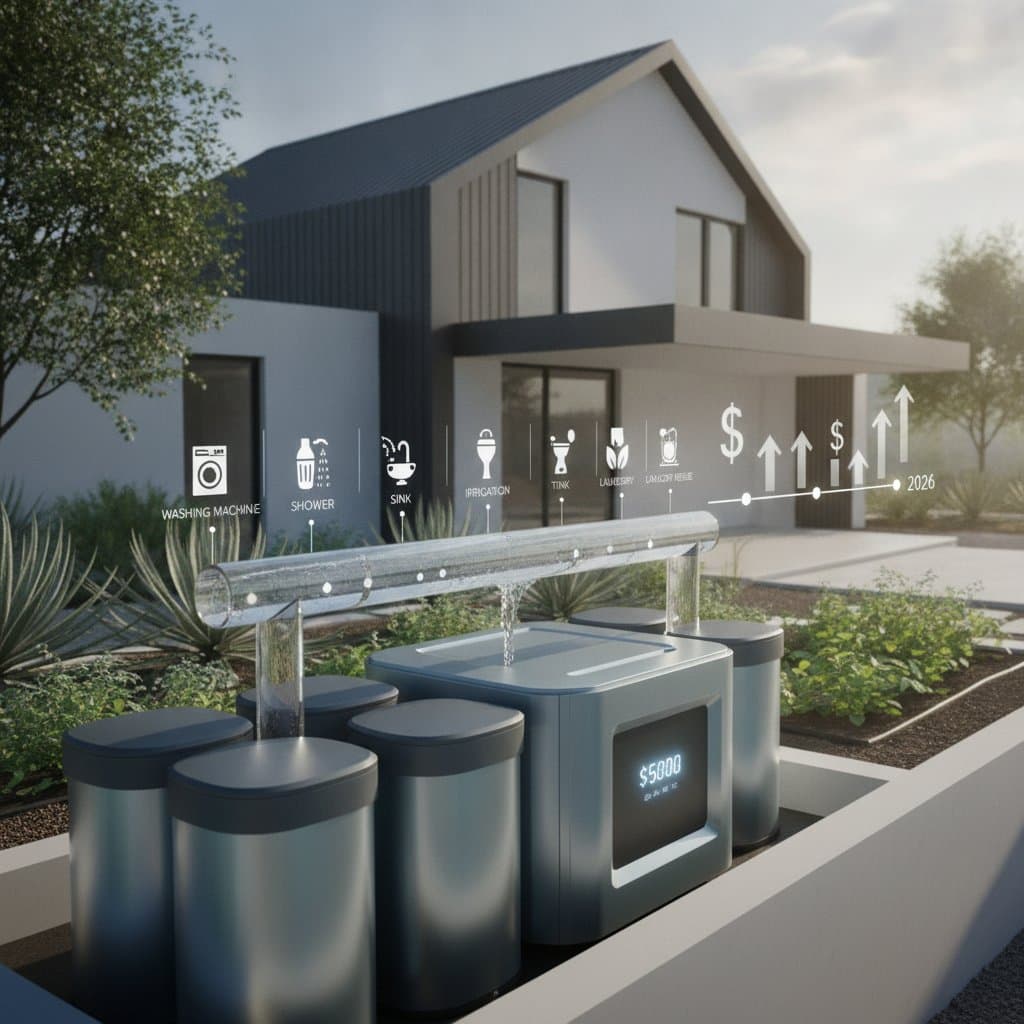
Recycling household water represents a strategic approach to lowering utility expenses and promoting sustainable practices. Greywater systems redirect wastewater from sinks, showers, and laundry for uses such as irrigation or toilet flushing, thereby reducing freshwater consumption and sewage volume. Homeowners frequently inquire about expenses, regulatory approvals, and tangible financial benefits. This guide examines all aspects of greywater costs, contrasts self-installation with expert services, and assists in selecting the most suitable option for individual properties and budgets.
Understanding Greywater Costs
Greywater system installation varies from a straightforward weekend endeavor to an extensive plumbing modification. Expenses hinge on the system's complexity, existing plumbing configuration, and regional codes. Grasping the role of each component proves essential before committing to a project.
Typical Cost Breakdown
Self-installed greywater systems begin at several hundred dollars. Simple configurations that channel laundry water to garden irrigation typically involve hoses, valves, and basic filters. The primary investment involves personal time and labor, though adherence to safety standards and local codes remains mandatory.
Expert-installed systems, which integrate multiple drains with advanced filtration, storage tanks, and pumps, range from a few thousand dollars upward, scaled to property size. Professional labor constitutes a significant portion, often necessitating certified plumbers or water management specialists.
Common elements driving costs include:
- System design and permits: Fees for applications and reviews vary by jurisdiction.
- Materials: Pipes, filters, pumps, tanks, and diverter valves accumulate expenses rapidly.
- Labor: For intricate setups, this accounts for at least half the total.
- Inspection and testing: Local authorities frequently impose fees for operational approval.
- Maintenance supplies: Ongoing needs encompass filters, seals, and cleaning solutions.
Factors that Affect Pricing
Multiple elements shape the overall expenditure:
- System type: Laundry-focused units prove most economical, whereas comprehensive home systems demand greater investment.
- Home layout: Properties with readily accessible plumbing facilitate simpler, less costly work.
- Soil and landscaping: Particular soil compositions require enhanced filtration or distribution features.
- Local regulations: Mandates for certified installation or quality assessments elevate outlays.
- Seasonal conditions: Dry periods simplify integration with existing irrigation networks.
When DIY Might Save or Cost More
Self-installation reduces immediate expenses by bypassing professional fees. Individuals with foundational plumbing skills can assemble a basic laundry-to-landscape unit using standard tools. However, errors in layout or connections may lead to leaks, unpleasant odors, or pollutant risks, with remediation potentially exceeding initial professional costs.
Verification of code compliance precedes any work to prevent penalties or mandatory dismantling.
| Cost Category | DIY Estimate | Professional Estimate |
|---|---|---|
| Materials | $200–$800 | $1,000–$3,000 |
| Labor | $0 (self) | $1,500–$5,000 |
| Permits/Design | $50–$200 | $300–$800 |
| Total (Basic System) | $250–$1,000 | $2,800–$8,800 |
DIY vs Professional: Making the Right Choice
The choice between self-directed and expert-led greywater projects rests on technical proficiency, project scope, and tolerance for hands-on tasks. Each method presents distinct merits and challenges.
DIY Greywater Systems
Benefits:
- Reduced startup expenses
- Complete oversight of components and customization
- Personal achievement in advancing home sustainability
Drawbacks:
- Demands plumbing expertise and hazard awareness
- Potential non-compliance without expert validation
- Constraints on integrating multiple sources
A straightforward laundry-to-landscape setup employs gravity to convey rinse water from the washing machine to plant-adjacent mulch basins. This requires few components and no pump, yet it must steer clear of edible vegetation and observe boundary setbacks.
Professional Greywater Systems
Benefits:
- Assurance of regulatory adherence through specialized knowledge
- Tailored solutions for expansive or intricate properties
- Enduring performance backed by guarantees
Drawbacks:
- Elevated preliminary investment
- Extended timelines for coordination and approvals
Such systems frequently incorporate automated regulators, sophisticated filters, and reservoirs enabling reuse applications beyond irrigation. They suit those prioritizing optimal efficiency with reduced oversight.
Skill and Safety Considerations
Self-directed efforts demand careful management of wastewater, which, despite differing from sewage, carries soaps, fibers, and organics. Designs must inhibit pooling and cross-contamination. Experts routinely deploy backflow safeguards to isolate drinking water supplies.
Time Commitment Comparison
A rudimentary self-setup spans one to two weekends. Expert projects encompass days for planning, approvals, and execution. This extended duration affords relief from managing intricacies independently.
Your Greywater Questions, Answered
Expert responses to frequent inquiries.
What is greywater exactly?
Greywater comprises wastewater from showers, lavatory sinks, and laundry, omitting toilet and kitchen discharges. It holds soaps, lint, and minor residues, suitable for landscape applications post-filtration.
How much can I save on my water bill?
Savings vary by family size and consumption patterns. Numerous owners achieve 30 to 50 percent reductions in exterior watering, gradually recouping setup investments.
Do I need a permit for a greywater system?
Most locales mandate permits for plumbing-integrated units. Certain laundry-to-landscape designs qualify for expedited or permit-free status under defined criteria.
What is included in a professional installation?
Services cover site evaluations, blueprint creation, pipe alterations, diverter installations, pumps, filters, and oversight coordination. Many providers extend upkeep agreements.
Can I use greywater for vegetable gardens?
Avoid direct contact with consumable plant sections. Optimal applications involve decorative areas, turf, or trees; subsurface drip methods suit crop irrigation without surface exposure.
How often do filters need cleaning?
Interval depends on throughput and detergent composition, typically every few months. Select models feature self-cleaning mechanisms to ease this task.
Are greywater systems safe for pets and children?
Proper execution ensures safety. Underground routing or mulch containment limits access; prohibit surface accumulation to minimize interaction risks.
What if my home has older plumbing?
Retrofit remains feasible, though pipe access may necessitate upgrades. A specialist assesses line integrity prior to proceeding.
How long does a system last?
Routine care sustains functionality beyond ten years. Components like pumps and filters warrant earlier renewal based on utilization.
Are there odor problems?
Well-engineered units remain odor-free. Stagnation or overlooked filters provoke smells; consistent checks avert issues.
Do I need special soaps or detergents?
Opt for biodegradable, sodium-minimal varieties to safeguard soil. Steer clear of bleach, boron, or phosphate-laden options.
Can greywater be stored for later use?
Brief retention works with treatment, but prolonged holding invites degradation. Immediate diversion characterizes most designs.
What red flags should I watch for when hiring a professional?
Scrutinize providers bypassing approvals, unlicensed in plumbing, or providing imprecise quotes. Insist on comprehensive breakdowns and assurance details.
Is greywater the same as rainwater harvesting?
Distinct practices: the former repurposes indoor used water, the latter captures rooftop precipitation. Integration maximizes conservation.
What ongoing maintenance is required?
Tasks involve filter servicing, line inspections, pump verifications, and flow monitoring. Seasonal efforts total mere hours.
How to Decide: Your Step-by-Step Guide
Aligning system selection with financial means, abilities, and reuse objectives streamlines choices. Follow this sequence for clarity.
Step 1: Assess Your Situation
Pinpoint peak water demands. Properties with extensive grounds gain most from diversion. Evaluate regional weather and terrain for irrigation viability.
Step 2: Evaluate Your Skills and Resources
Plumbing familiarity and project enthusiasm favor self-work. Desire for durability sans hassle points to experts.
Step 3: Calculate True Costs
Account for procurement, approvals, workforce, and sustainment. Project bill reductions across years; effective designs achieve payback swiftly.
Step 4: Assess Risk
Weigh leak potentials, infractions, or breakdowns. Warranties and support from professionals mitigate uncertainties.
Step 5: Make the Final Decision
Weigh expenditures, durations, and intricacies. Convenience-driven sustainability favors pros; fiscal and experiential priorities suit modest self-starts.
Preparing for Your Greywater Project
Thorough groundwork guarantees efficient rollout and durability. Preparation applies equally to independent or assisted efforts.
Research and Planning
Investigate jurisdiction-specific rules. Permit exemptions may apply to basic types; familiarize with endorsed configurations pre-purchase.
Gathering Information and Materials
Compile essentials: valves, conduits, filters, distribution lines. Assess durability and system harmony. For hires, solicit varied bids with transparent pricing.
Site Preparation
Examine drain accessibility. Laundry or bath lines serve as sources; map garden sectors to plant requirements.
Timeline and Budgeting
Outline phases from approval to completion. Allocate for initial and periodic outlays, including component renewals.
Safety and Compliance
Prioritize hazard protocols and code fidelity throughout.
Long-Term Benefits and Smart Maintenance
Operational greywater yields fiscal relief, robust greenery, and ecological gains. Bill decreases, landscape vitality, and waste minimization follow promptly.
To sustain performance:
- Conduct routine filter and outlet checks.
- Purge conduits with fresh water quarterly.
- Monitor application depths against excess.
- Renew deteriorated components proactively.
- Log service intervals and fixes.
Greywater conversion elevates routine outflows to assets. Incremental or comprehensive adoption delivers prompt, enduring advantages.