Greywater Installation: Costs, Permits, and Long-Term Savings
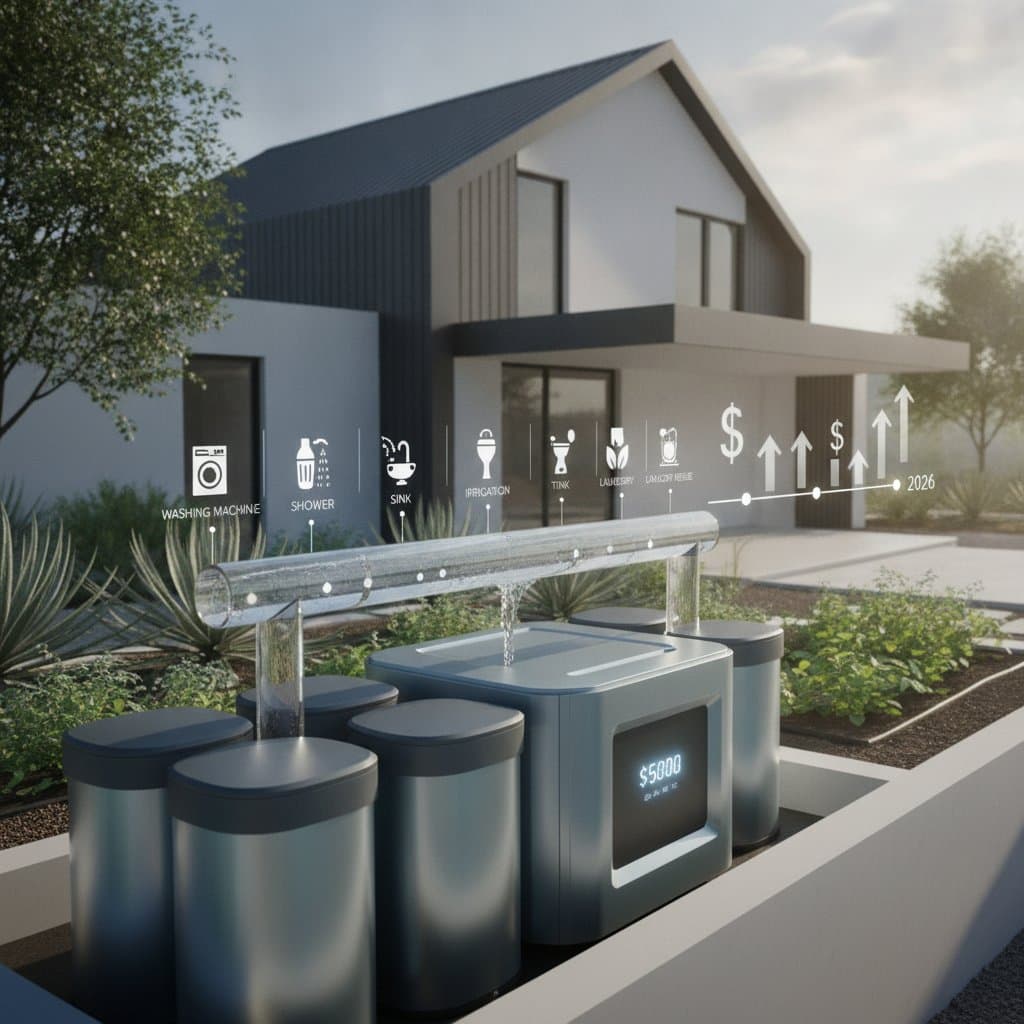
Homeowners seek ways to lower utility expenses, yet water usage often receives less attention than electricity or heating. Greywater systems collect water from sources such as showers, sinks, and washing machines, then redirect it for irrigation or toilet flushing. These systems offer a straightforward method to decrease household water consumption while maintaining everyday convenience. Before proceeding with installation, individuals benefit from understanding associated costs, necessary permits, and potential savings over time.
The Importance of Greywater Systems
Rising municipal water rates and periodic drought restrictions complicate outdoor watering efforts. Greywater systems provide homeowners with greater control over a portion of their water resources. These setups recycle 30 to 60 percent of indoor water usage, varying by the number of connected fixtures. Such efficiency equates to hundreds of gallons conserved weekly in an average household.
In a standard home, water from showers and laundry represents the primary reusable greywater volume. Redirecting this flow eases the burden on septic or sewer systems and trims monthly bills. Additionally, it sustains landscaping through consistent irrigation, even in arid periods, fostering environmental resilience.
Types of Greywater Systems
Greywater systems vary from basic manual configurations to sophisticated automated treatment options. Selection hinges on property configuration and financial considerations.
| System Type | Typical Cost Range | Description | Best For |
|---|---|---|---|
| Laundry-to-Landscape | $200 to $800 | Diverts washing machine outflow directly to garden beds using simple hoses | DIY projects with basic tools |
| Branched Drain | $800 to $2,500 | Gathers water from several fixtures and disperses it via subsurface pipes | Medium-sized landscapes |
| Gravity-Fed | $1,500 to $3,000 | Relies on natural slope for water movement, eliminating the need for pumps | Properties with sloped terrain |
| Pumped System | $3,000 to $6,000 | Employs pumps to transport greywater uphill or across extended distances | Flat terrain or expansive lots |
| Treatment and Storage | $6,000 to $15,000 | Incorporates filtration and disinfection for potential indoor applications | Advanced homes or commercial sites |
These estimates cover materials and initial setup. Regional labor variations necessitate obtaining professional quotes for accuracy.
Navigating Permits and Building Codes
All greywater installations require adherence to local plumbing and environmental regulations. Building departments typically mandate a plumbing permit for modifications to drain lines or addition of pumps. Certain jurisdictions permit laundry-specific systems without formal approval, provided discharge occurs on-site and employs certified components.
Prepare for installation by addressing these steps:
- Contact the local building authority to verify permit needs.
- Develop a detailed schematic illustrating connected fixtures and discharge locations.
- Adhere to setback distances, such as 5 feet from boundaries and 10 feet from foundations or wells.
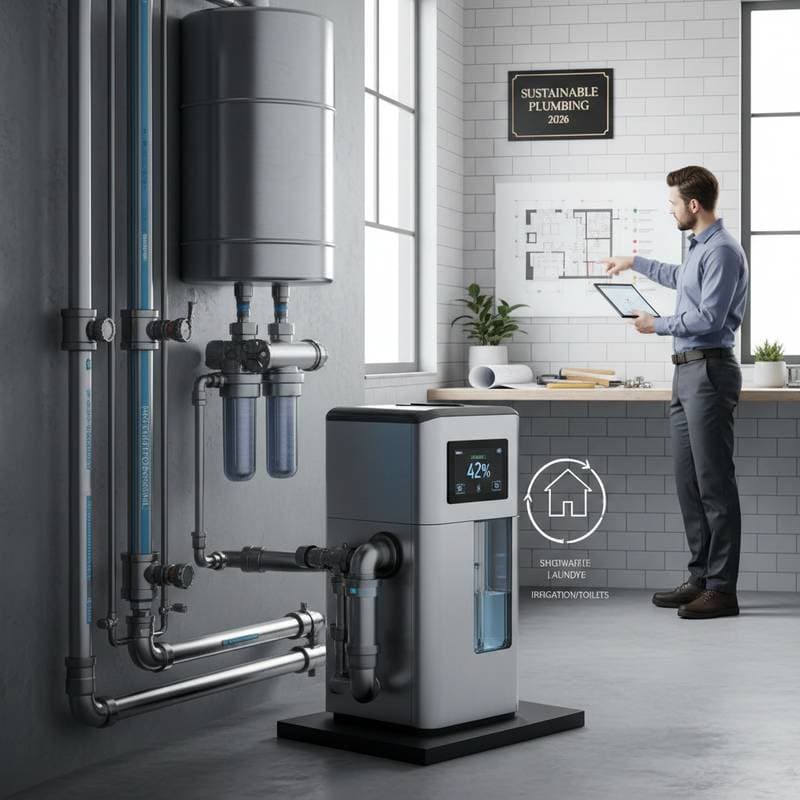
- Integrate filtration mechanisms to block lint, hair, and debris from obstructing lines.
- Mark all pipes clearly as non-potable greywater to prevent mix-ups with drinking water supplies.
Inspectors prioritize distinct separation between potable and recycled water pathways. Backflow prevention devices and precise labeling remain essential in nearly all regions.
Factors Influencing Installation Costs
Professionally installed systems serving a shower and washing machine average $2,000 to $4,000. Basic laundry diversions often fall below $1,000, whereas comprehensive setups with pumps, filtration, and subsurface networks surpass $10,000.
Key elements that impact expenses include:
- Number of fixtures integrated: Additional connections demand more piping and control valves.
- Distance to application areas: Extended pathways increase material and labor demands.
- Soil composition: Dense clay or rocky ground may require specialized trenching techniques.
- Degree of automation: Sensors, timers, and advanced filters elevate upfront costs while enhancing reliability.
For straightforward laundry systems, DIY approaches suit those with kits from hardware stores. Essential tools encompass a drill, PVC cutter, adhesive, and foundational plumbing knowledge. Intricate designs involving pumps, reservoirs, or buried infrastructure warrant engagement of a certified plumber to guarantee regulatory compliance.
Anticipated Savings on Water and Expenses
An effectively designed greywater system reduces overall household water demand by 25 to 40 percent. For a four-person family, annual conservation reaches 10,000 to 20,000 gallons. With standard utility rates, this translates to $200 to $500 in yearly bill reductions. Regions charging premium sewer fees amplify these benefits by minimizing wastewater volume processed publicly.
Indirect advantages encompass drought-resistant yards and lessened pressure on communal water supplies. Local utilities frequently offer rebates that offset 20 to 50 percent of installation expenses, accelerating payback periods.
Pitfalls to Sidestep During Setup
Selecting inappropriate cleaners leads to system inefficiencies; opt for biodegradable options devoid of boron or chlorine. Neglecting terrain gradients risks water stagnation or reverse flow, undermining functionality. Excessive application saturates soil, harming vegetation roots.
Omitting strainers allows debris buildup, rapidly obstructing emitters and conduits. Avoid integrating kitchen outputs, as grease and organic residues pose health risks and maintenance challenges.
Steps to Implement Your Greywater System
Treat greywater installation as a deliberate home upgrade: prioritize thorough planning, regulatory observance, and durable components. Begin with a modest laundry-to-landscape configuration to build familiarity, then scale up for broader coverage as needs evolve. This phased approach maximizes efficiency and minimizes risks, yielding enduring water conservation and cost efficiencies.