Prepare Your HVAC System for Fall Efficiency
As temperatures drop and heating systems take over, maintaining your HVAC filters becomes crucial for optimal performance. Regular filter changes ensure efficient operation, lower energy costs, and superior indoor air quality throughout the season. This comprehensive guide provides practical steps to inspect, select, and replace filters, along with insights on professional maintenance to safeguard your home comfort.
Homeowners often overlook filter maintenance until issues arise, such as rising utility bills or uneven heating. By addressing this task proactively, you protect your investment and create a healthier living environment. Follow these steps to transition your system smoothly into fall.
The Impact of Clogged Filters on Your HVAC Performance
A dirty filter restricts airflow, forcing your system to work harder and consume more energy. This inefficiency not only elevates monthly bills but also accelerates wear on key components like the blower motor and heat exchanger. Over time, these strains lead to premature breakdowns and unexpected repair expenses.
Poor filtration allows dust, pollen, and allergens to accumulate and recirculate, compromising air quality. Residents with respiratory sensitivities may experience increased discomfort, while the overall atmosphere feels stagnant. Addressing filter issues promptly restores balance and promotes well-being.
Restricted airflow often results in hot or cold spots throughout the home, making temperature control challenging. Rooms farther from the unit may remain uncomfortable, prompting overuse of thermostats and further energy waste. Consistent maintenance prevents these imbalances.
In severe cases, overheating occurs when insufficient air cools internal parts adequately. This thermal stress can warp metals or crack heat exchangers, posing safety risks and necessitating costly replacements. Proactive filter care mitigates such dangers effectively.
Finally, neglected filters contribute to frequent service needs by damaging ancillary parts like fan blades and evaporator coils. Dust buildup insulates these elements, reducing heat transfer efficiency. Investing time in regular checks yields substantial long-term savings.
Determining Replacement Frequency for Optimal Results
The ideal interval for changing HVAC filters varies based on environmental and household factors. Larger families generate more particulates through daily activities, necessitating checks every four weeks. Similarly, high-traffic homes accumulate debris faster, demanding vigilant monitoring.
Pet owners face accelerated clogging from fur and dander, often requiring monthly replacements to maintain clear ducts. For allergy sufferers, bi-monthly changes minimize irritants, fostering a more breathable space. Track symptoms to adjust your schedule accordingly.
Daily system operation, common in cooler climates, shortens filter lifespan compared to seasonal use. Pleated filters, with their denser media, endure up to 90 days under moderate conditions, while basic fiberglass types demand monthly attention due to lower capacity.
Establish a routine by inspecting filters on the first of each month. Look for visible dirt buildup, discoloration, or resistance when holding against light. Stock extras in various sizes to handle surprises without delay.
Step-by-Step Guide to DIY Filter Replacement
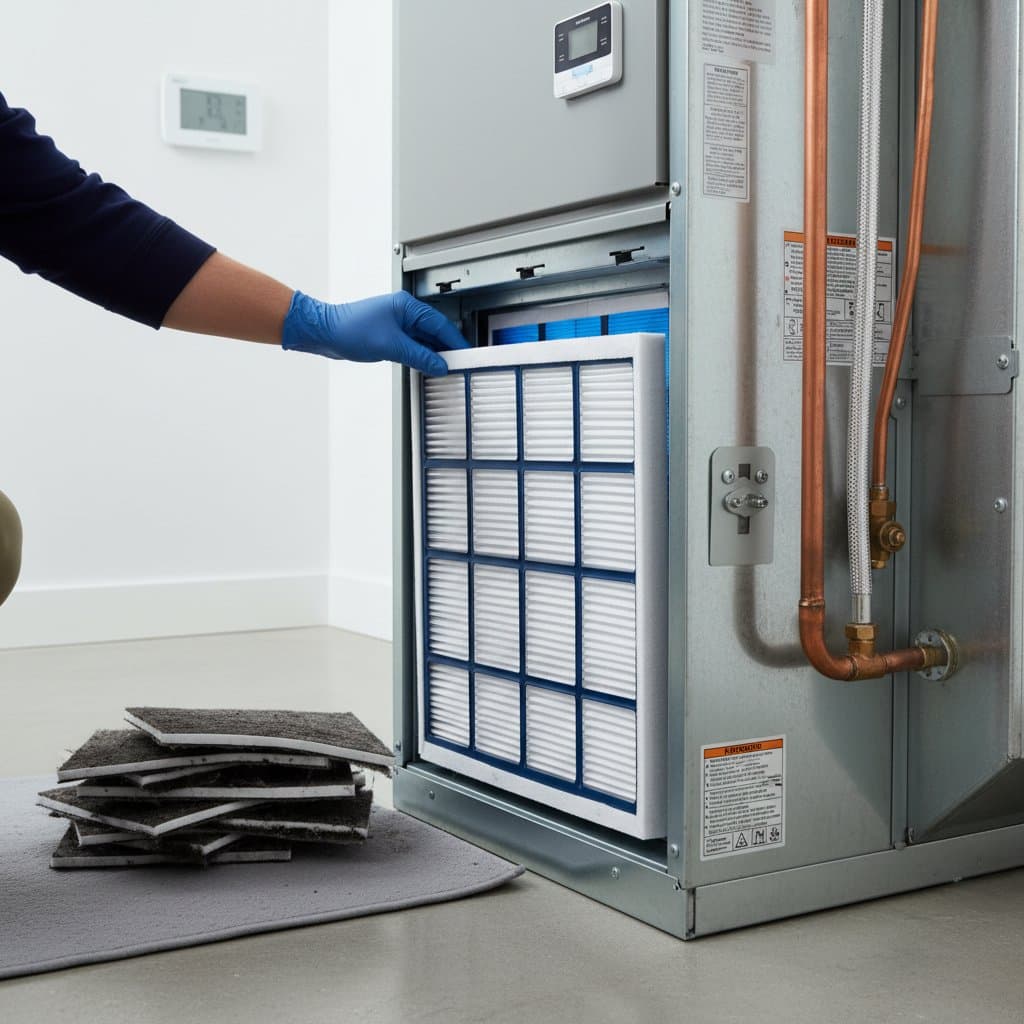
Locate your filter by consulting the unit's manual or checking common spots like the return air grille or furnace cabinet. Shut off power at the breaker to ensure safety before proceeding. Slide out the old filter, noting its dimensions and airflow direction indicated by arrows.
Select a compatible replacement with the same size, typically marked as 16x25x1 or similar. Opt for higher MERV-rated pleated filters for better capture without excessive restriction, especially in homes with standard systems. Install by aligning arrows toward the blower to facilitate proper air pull.
Test the system briefly after installation to confirm smooth operation and even airflow from vents. If resistance persists, verify fit and cleanliness of surrounding areas. Document the installation date on the frame for future reference.
When to Engage Professional HVAC Services
DIY replacement suits straightforward systems with accessible panels and familiar routines. Confidence in basic tools and manufacturer guidelines enables quick, effective changes. Maintain records of past replacements to anticipate needs.
However, seek expert help if airflow diminishes post-replacement, suggesting deeper issues like duct blockages. Uncertainty about sizing or type compatibility warrants a technician's assessment to avoid mismatches that impair performance.
Complex setups with multiple filters or intricate duct configurations benefit from professional handling. Annual inspections encompass coil cleaning, refrigerant verification, and safety checks, uncovering problems before they escalate. Schedule these visits in early fall for peak readiness.
Professionals use specialized tools to clean inaccessible areas, enhancing overall efficiency. This service often includes performance tuning, potentially boosting energy savings by 10 to 20 percent. Combine with filter changes for comprehensive care.
Essential Safety Protocols During Maintenance
Prioritize safety by disconnecting power sources prior to any access. Inspect for hazards like exposed wires or corrosion, and refrain from operation if anomalies appear. Unusual odors or sounds signal the need for immediate professional intervention.
Wear gloves to handle dusty filters and dispose of them properly to prevent indoor contamination. Refrain from modifying the system with unauthorized additives or cleaners that could void warranties or introduce toxins. Stick to recommended products for reliable results.
Ensure adequate ventilation in the work area, particularly in enclosed spaces. If discomfort arises from dust exposure, pause and resume with protective measures. These precautions protect both you and your equipment.
Practical Tips from HVAC Specialists
Experts emphasize that filter oversight accounts for many preventable failures. One industry report highlights that timely changes avert up to 40 percent of common repairs. Integrate this into broader fall preparations for maximum impact.
Choose filters based on system specifications; high-efficiency options suit modern units but may strain older models. Test airflow post-installation to confirm compatibility. Users report 15 percent efficiency gains from consistent pleated filter use.
Mark calendars or set reminders for monthly checks, and purchase in bulk for convenience. Pair with thermostat adjustments to optimize heating cycles. These habits sustain performance and comfort.
Sustain Efficiency Through Seasonal Habits
Incorporate filter maintenance into your fall checklist alongside gutter clearing and insulation checks. This routine extends equipment longevity by reducing operational stress. Enjoy consistent warmth, reduced costs, and fresher air as winter approaches.
Monitor energy statements for trends post-changes, adjusting frequency as needed. Consult manuals for model-specific advice to tailor your approach. Your proactive efforts ensure a reliable HVAC system year-round.