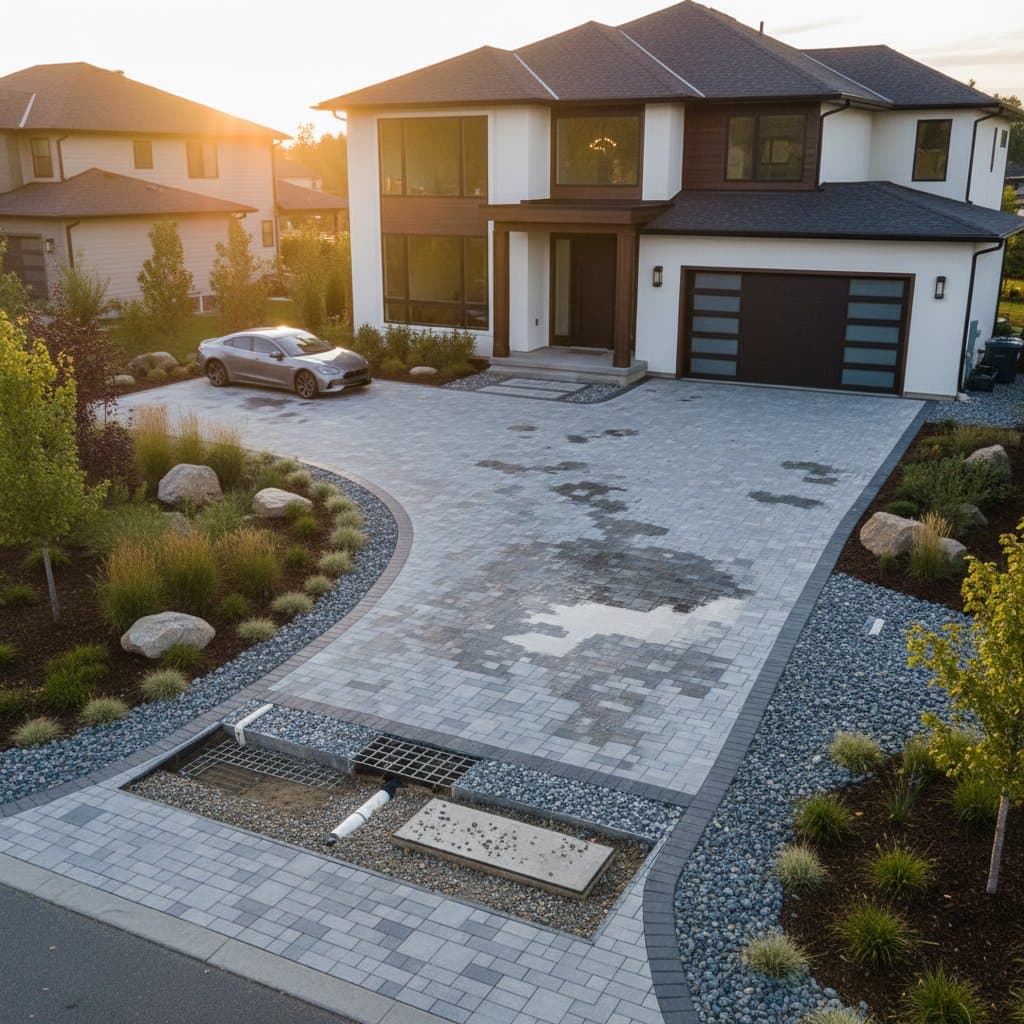
Understanding Permeable Driveways: Costs and Advantages
Permeable driveways offer homeowners and businesses a reliable method to address sustainability and stormwater control. Water passes through the surface and seeps into the underlying soil, which cuts down on runoff, removes contaminants, and lessens the load on municipal drainage networks. As interest in eco-conscious landscaping rises, opting for a permeable driveway represents a choice that benefits both the environment and finances.
This guide examines the elements that shape permeable driveway expenses, reviews pricing strategies, and provides guidance on selecting the appropriate type to match budgets and site requirements.
Core Cost Elements for Permeable Driveways
Expenses for permeable driveways vary based on material choices, design intricacies, local labor rates, and site-specific factors. Professional installation typically costs between $8 and $18 per square foot nationwide, which positions it higher than standard asphalt or concrete alternatives.
National Average Cost Ranges
Homeowners generally invest $10 to $15 per square foot for a complete setup. This covers site clearing, foundational layers, surface application, and details like borders or ornamental accents.
Regional Cost Differences
Labor costs, material access, and ground composition drive variations by location. Cities with rigorous stormwater rules often incur higher fees, whereas rural or suburban sites benefit from reduced labor but face elevated transport charges for supplies.
Seasonal Pricing Shifts
Projects surge in spring and summer, prompting contractors to provide incentives during fall or winter lulls. Precipitation and temperature also guide timing, as they impact material curing and overall scheduling.
Broader Economic Influences
Rising fuel costs, workforce availability, and shipping fees contribute to totals. Sustainable options like recycled stone or resin composites may see price swings tied to global supply dynamics and demand for green materials.
Pricing Approaches and Frameworks
Contractors apply diverse pricing methods tailored to project scale and details. Grasping these enables better quote evaluations.
Hourly Billing Compared to Fixed Quotes
Hourly charges apply to tasks like digging or leveling, while fixed rates encompass full-scope work including supplies, workforce, and debris disposal. Smaller or tailored jobs suit hourly models, but larger projects favor the certainty of fixed pricing.
Square Footage or Full-Project Rates
Square-foot pricing predominates, permitting size adjustments to align with funds. Intricate setups involving channels, sub-bases, or landscape blending may use project-wide estimates.
Packaged Deal Options
Providers frequently bundle digging, foundation work, and surfacing for savings over piecemeal hiring. These combinations streamline processes and trim expenses.
Ongoing Maintenance Plans
Installations occur once, yet firms propose yearly service packages for checks, resealing joints, and debris removal to sustain water flow and durability.
Service Levels and Corresponding Costs
Permeable driveways come in tiers that balance materials, resilience, and personalization.
Entry-Level Installations and Pricing
Basic setups feature gravel or crushed rock atop a porous foundation. These economical choices suit low-traffic areas like rural lots, though they demand frequent clearing to avoid blockages.
Mid-Tier Professional Options
Standard projects employ concrete pavers or porous asphalt for everyday residential demands. Pricing here accounts for expert setup, base drainage prep, and perimeter supports, typically $12 to $16 per square foot.
High-End Comprehensive Solutions
Premium selections include resin-bound gravel or recycled stone pavers, delivering refined looks, superior filtration, and extended service life. Expect $15 to $20 per square foot due to premium components and craftsmanship.
Custom or Specialized Projects
Tailored features such as embedded lights, patterned edges, or hue-matched units elevate design and costs. Commercial or expansive sites often incorporate custom drainage engineering, pushing expenses beyond $20 per square foot.
Factors Shaping Permeable Driveway Expenses
Beyond materials, key elements influence budgets and help set realistic projections.
Project Scale and Coverage
Greater areas demand expanded digging, more base fill, and additional labor. Bulk discounts apply for sizable works, yet overall outlays scale with square footage.
Design Intricacy and Expertise Needs
Curved layouts, inclines, or artistic motifs call for advanced tools and skills. Ensuring even drainage grading extends time and fees.
Timeline and Scheduling
Most jobs span three to five days, influenced by conditions and details. Rush orders or off-hour labor incur surcharges.
Required Supplies and Tools
Premium stones, stabilizing meshes, and filter layers boost efficacy at added cost. Rentals for rollers, diggers, and blenders factor into bids.
Optional Enhancements and Extra Fees
Supplementary services bolster performance and endurance during permeable driveway projects.
Digging and Ground Preparation Charges
Fees depend on earth type and removal depth. Challenging soils like clay necessitate stabilizers such as fabric liners, raising totals.
Water Management Add-Ons
While surfaces absorb moisture, some sites require buried pipes or retention pits. These demand extra resources and installation time.
Border and Edge Finishes
Stone or concrete restraints secure edges and define boundaries. Ornamental variants improve aesthetics but increase spending.
Rush or Accelerated Scheduling
Priority timelines involve additional staff or extended shifts, commanding higher rates for swift delivery.
Financial and Ecological Returns
Permeable driveways yield lasting gains in operation, eco-impact, and asset enhancement.
Effective Runoff Control
These surfaces channel rain into the earth, slashing flood risks and pollutant spread. Agency studies show reductions in runoff by up to 80 percent versus impervious pavements.
Aquifer Replenishment Benefits
Rain filters through soil and gravel layers, cleansing impurities like metals before recharging underground reserves.
Regulatory Alignment
Many areas mandate water management for builds; permeable designs satisfy these, potentially waiving fees.
Urban Heat Mitigation
Unlike heat-trapping asphalt, permeable options with reflective stones promote ventilation and lower temperatures around properties.
Enhanced Property Worth
Sustainable features appeal to green-minded markets, combining utility and style to lift resale values.
Material Selection Guide
Material decisions affect both budget and functionality. Consider these prevalent choices.
Interlocking Pavers
Concrete or stone units with gaps direct water to sub-layers. They withstand wear and allow simple part replacements, needing periodic sweeping and sand replenishment.
Porous Asphalt Surfaces
This variant mimics regular blacktop but includes open spaces for drainage. It handles high loads yet requires expert application and routine vacuuming.
Resin-Bound Aggregates
Blended stones and resin create seamless, attractive finishes with strong permeability. Higher initial costs yield robust, eye-catching results.
Grid Systems with Grass or Gravel
Cellular bases filled with turf or stones blend naturally while bearing vehicles. Ideal for light-use zones, they involve refills and plant tending.
Upkeep Strategies for Durability
Consistent care maintains permeability and extends service.
Standard Cleaning Practices
Sweep routinely and wash periodically to clear debris from voids. Steer clear of pore-clogging treatments.
Managing Vegetation Growth
Remove weeds from gaps manually or with natural agents to preserve integrity without ecological harm.
Addressing Wear and Repairs
Refill joints and fix minor fissures promptly to avert escalation. Early action safeguards structure.
Projected Service Life
Well-installed systems endure 20 to 30 years or more, outlasting conventional drives with basic oversight.
Selecting a Reliable Contractor
A skilled professional guarantees optimal results and adherence to standards.
Qualifications and Accreditations
Seek members of paving or environmental groups, verifying expertise in hydrology and system planning.
Coverage and Assurances
Full policies shield against mishaps; warranties on labor and function provide peace of mind.
Feedback from Past Clients
Examine ratings and case examples to gauge dependability and quality.
Clear Quoting Procedures
Demand itemized breakdowns of components to facilitate comparisons and eliminate surprises.
Steps to Implement Your Permeable Driveway
A permeable driveway functions as an integrated water-management solution that also raises property appeal. Aligning design, materials, and expertise maximizes returns.
Assess ground stability, water patterns, and financial limits first. Solicit several bids, weigh material pros and cons, and proceed with a vetted team to secure efficiency and value.