Greywater Costs 2026: Substantial Water Savings Ahead
Water prices continue to rise, prompting homeowners to seek effective methods for reducing consumption while preserving daily comfort. Greywater systems provide a reliable solution by capturing and repurposing water from sources such as showers, bathtubs, and laundry machines for applications like garden irrigation or toilet flushing. These systems lead to consistent reductions in utility bills and decreased reliance on municipal water resources. Knowledge of greywater system costs, components, and efficiency enables homeowners to implement upgrades that yield benefits over an extended period.
Typical Greywater System Costs
The expense of a greywater system varies based on its scale, configuration, and automation features. Entry-level systems that divert laundry water directly to landscaping represent the most economical choice. Advanced systems that collect water from various fixtures and process it for indoor applications involve higher upfront investment but generate greater long-term savings.
Estimated cost ranges:
| System Type | Description | Approximate Cost |
|---|---|---|
| Basic diversion system | Laundry or single-source reuse | $400 to $1,000 |
| Mid-range filtration system | Uses tanks, filters, and pumps | $1,500 to $4,000 |
| Whole-home system | Integrates multiple water sources | $5,000 to $15,000+ |
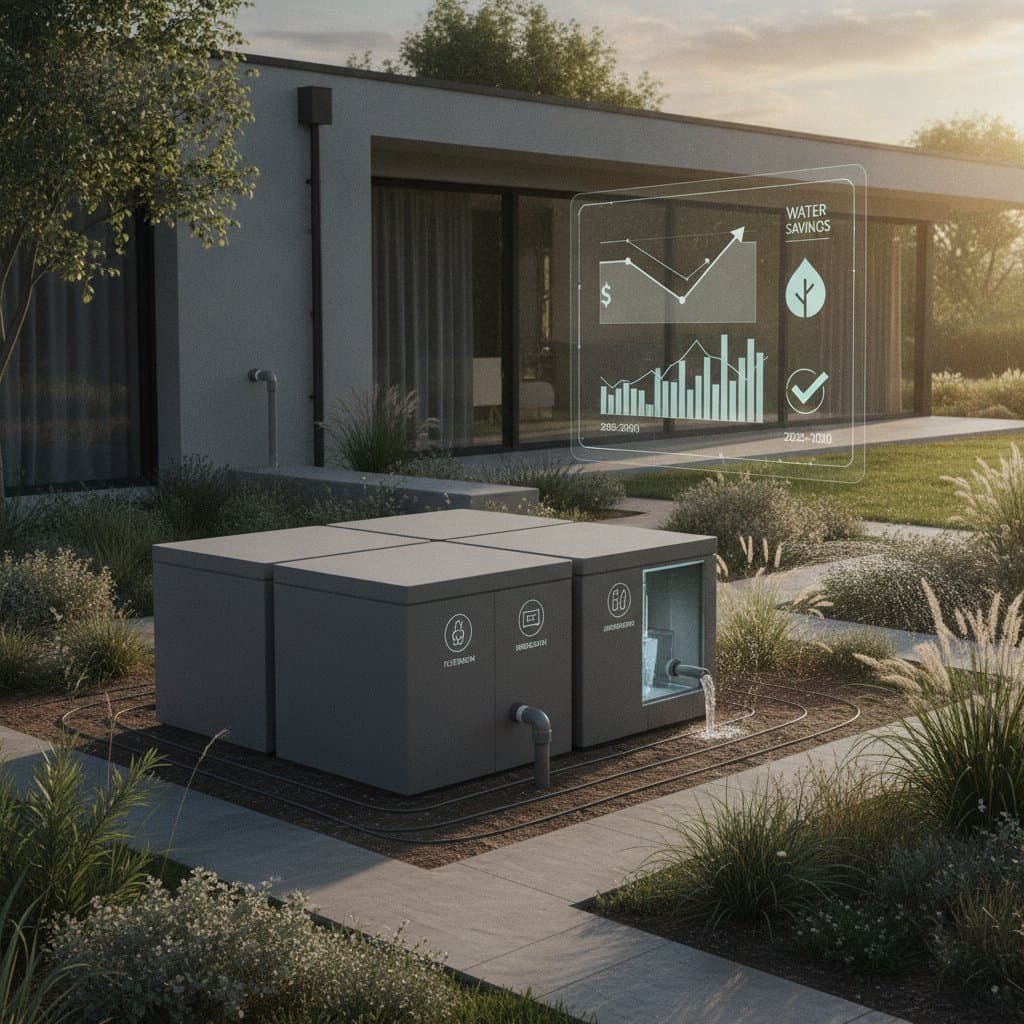
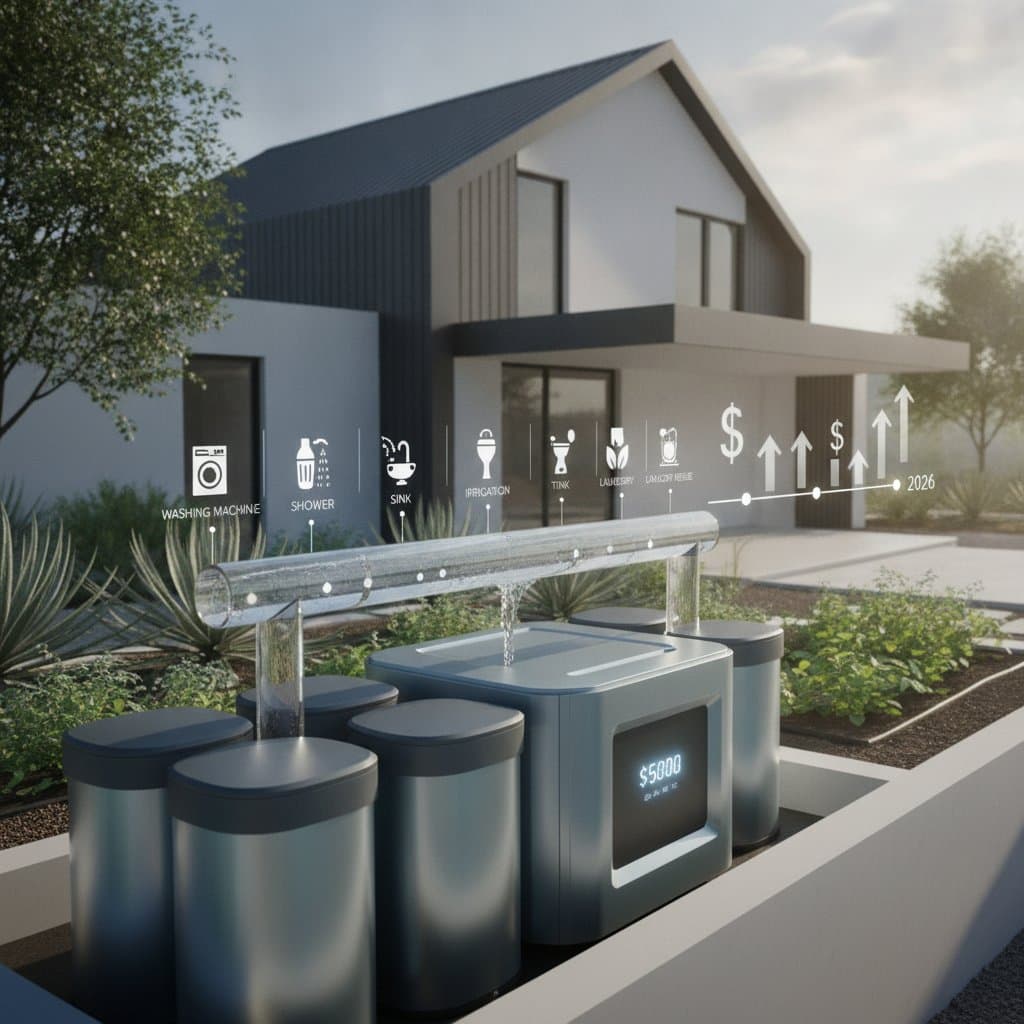
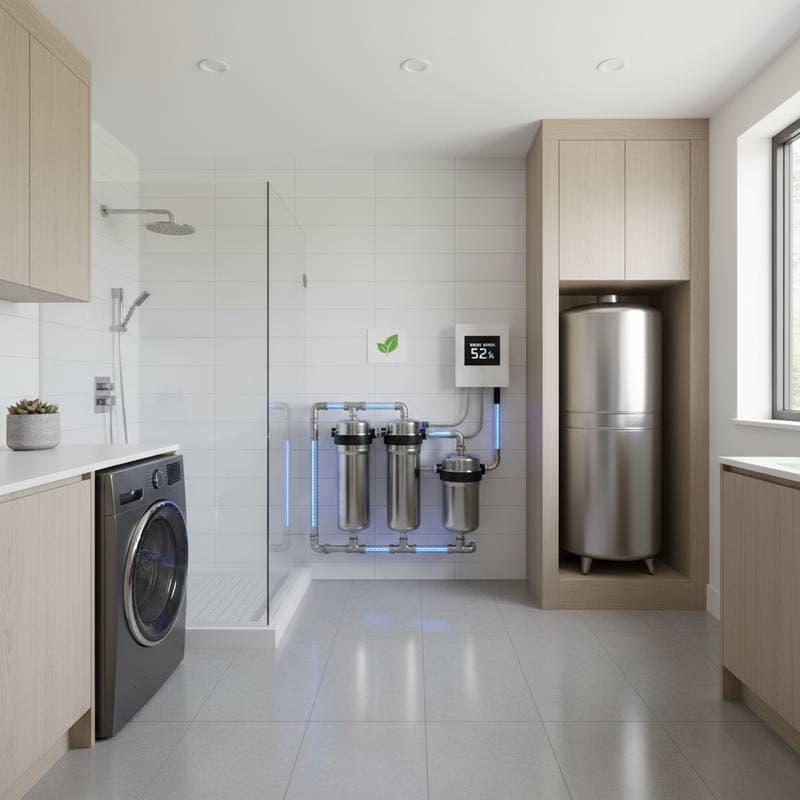
Suggested image: A labeled diagram showing how greywater flows from a shower drain through a filter to an irrigation tank. Alt text: Diagram of a home greywater recycling system.
Installation expenses fluctuate according to the home's configuration and regional plumbing regulations. Properties with readily accessible piping facilitate simpler retrofits, whereas older structures might demand additional workmanship. Engaging a certified professional for installation guarantees adherence to safety protocols and building codes.
Benefits Beyond Cost Savings
Greywater systems extend value far beyond financial reductions. They contribute to environmental preservation and enhance everyday living.
Reduced Freshwater Demand
By recycling water onsite, these systems alleviate pressure on regional aquifers and reservoirs. Such measures prove particularly valuable in areas prone to water shortages or imposed conservation mandates.
Lower Sewage Output
Directing less volume to sewer lines reduces the load on municipal treatment plants and may qualify households for discounted wastewater charges.
Healthier Landscaping
Greywater supplies essential nutrients from mild soaps and detergents, fostering robust plant growth when applied judiciously. This approach enriches soil composition without the need for supplemental fertilizers.
Home Value Boost
Properties equipped with sustainable water management features appeal to environmentally aware purchasers. A thoughtfully installed greywater system can elevate market desirability and support premium pricing.
Comparing Greywater to Other Water-Saving Options
Greywater systems form a key element in comprehensive water conservation strategies. Evaluating them against alternatives helps determine the optimal investment.
| Method | Average Savings | Maintenance | Typical Cost |
|---|---|---|---|
| Low-flow fixtures | 15% to 25% | Very low | $100 to $500 |
| Rainwater harvesting | 20% to 40% | Moderate | $2,000 to $8,000 |
| Greywater recycling | 30% to 50% | Moderate to high | $1,500 to $15,000 |
Greywater systems achieve superior savings through consistent operation, independent of weather conditions. Integrating them with low-flow devices maximizes overall efficiency.
Maintenance Tips for Long-Term Results
Proper upkeep ensures a greywater system operates at peak performance while maintaining safety.
- Clean filters on a regular schedule to prevent blockages that impede flow and stress pumps.
- Flush storage tanks periodically, ideally every few months, to eliminate soap accumulations.
- Examine piping for leaks during routine checks to avoid water loss and structural issues.
- Test pump functionality monthly; many units include indicators for pressure irregularities.
- Select biodegradable detergents to protect vegetation and prolong equipment lifespan.
Homeowners can handle most basic tasks independently, though an annual professional review confirms system integrity.
Common Questions from Homeowners
Is Greywater Safe for All Plants?
Ornamental plants and turf grasses generally tolerate greywater effectively. Refrain from applying it to edible crops unless employing rigorous filtration to remove contaminants.
Do Greywater Systems Produce Odors?
Well-maintained installations remain odor-free. Unpleasant smells typically indicate neglected filters or water stagnation, which require prompt attention.
How Much Space Does Installation Require?
Compact units for basic applications fit within small outdoor areas. Comprehensive systems supporting indoor reuse demand allocated space in utility zones.
Can Homeowners Install Systems Independently?
Simple diversion setups lend themselves to DIY efforts. Complex configurations involving treatment or indoor integration necessitate expertise from licensed professionals.
Financial Payback and Long-Term Value
A strategically chosen greywater system recoups its cost via diminished water expenses. Mid-level installations often achieve breakeven within three to five years, while expansive models extend this timeline. Persistent savings accrue thereafter, amplifying returns.
Pairing greywater with complementary upgrades, such as energy-efficient appliances, fortifies a residence's ecological footprint. Market analysts observe that homes featuring advanced water conservation sell more rapidly and command higher values, reflecting buyer preferences for reduced operational costs.
Steps to Implement Your Greywater System
Adopting a greywater system delivers enduring advantages through deliberate planning. Assess current water usage and identify viable sources for diversion. Choose between a modest starter system or a comprehensive installation based on household needs.
Solicit estimates from qualified contractors and evaluate proposals meticulously. Inquire about incentives from local utilities that can subsidize initial outlays. Proceed with installation to realize immediate and sustained water management gains.