Understanding Greywater Systems: Costs, Permits, and Practical Setup
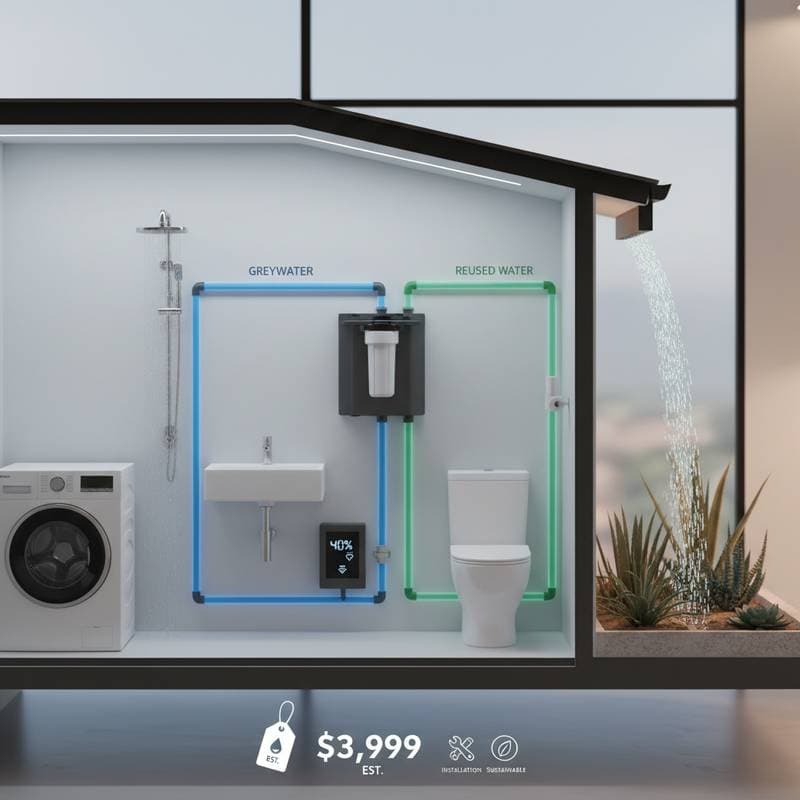
Homeowners seeking to decrease water bills and embrace sustainable practices increasingly adopt greywater systems. These systems capture and repurpose mildly contaminated water from sources such as showers, bathtubs, sinks, and washing machines for tasks like garden irrigation or toilet flushing. By implementing such a system, a household can lower water usage by as much as 40 percent. However, potential installers often face uncertainty regarding expenses and regulatory hurdles. Gaining clarity on these elements allows for informed planning that sidesteps expensive errors and maximizes long-term benefits.
Core Components of a Greywater System
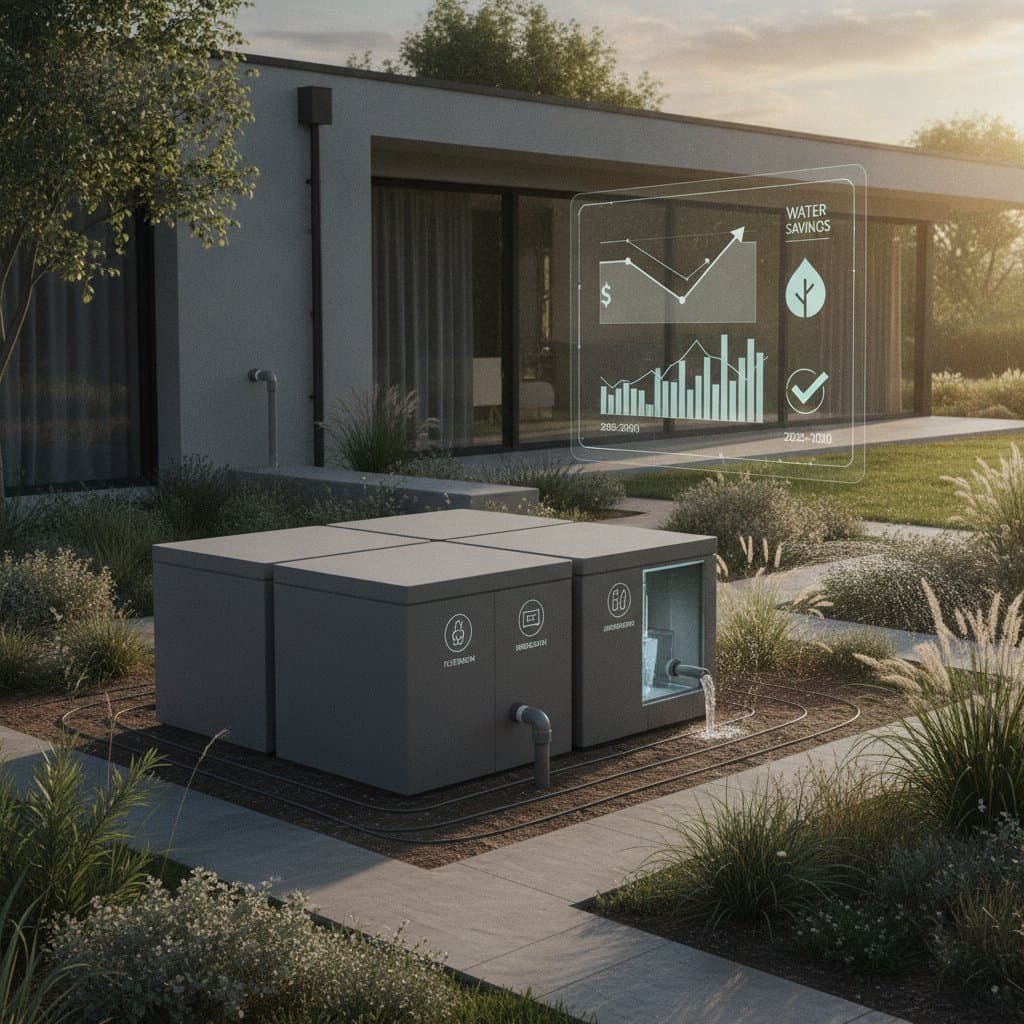
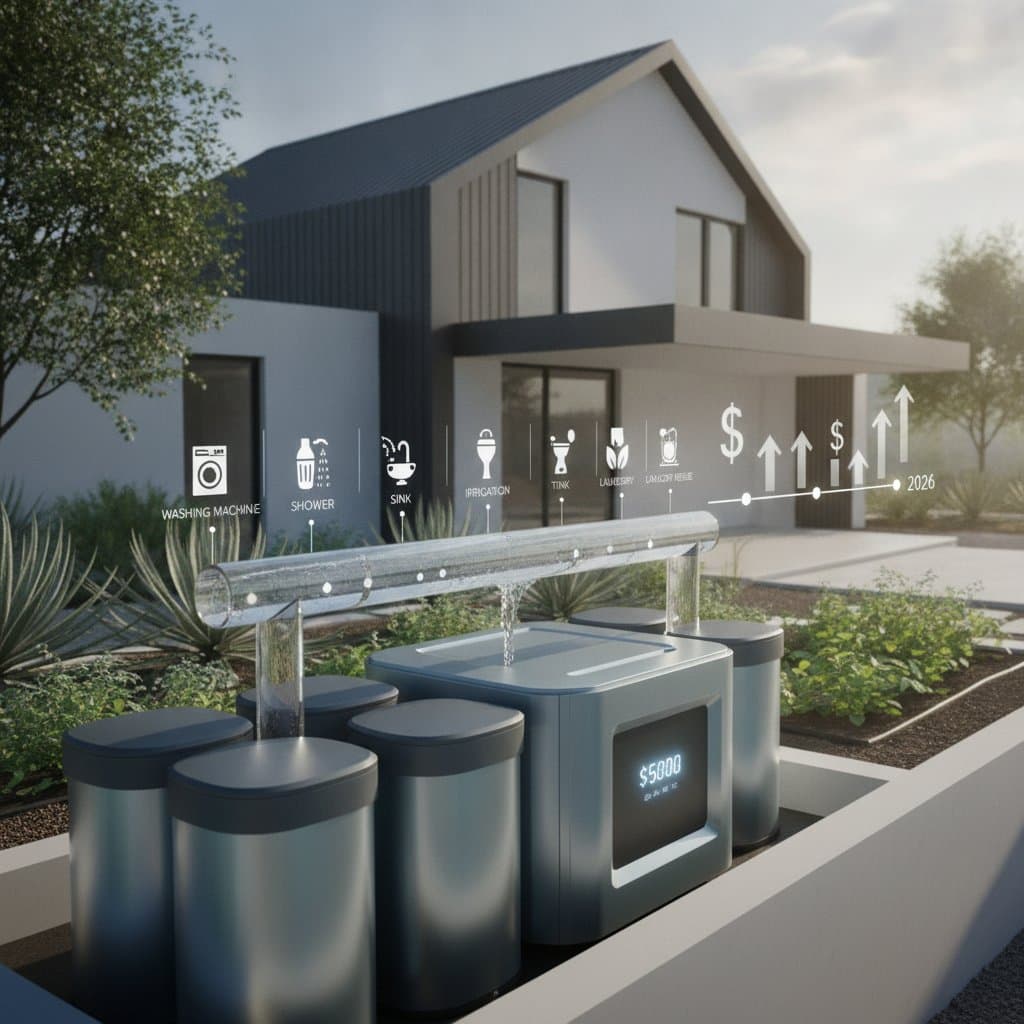
A typical greywater system gathers wastewater from designated household fixtures, processes it through filtration, and channels it toward non-potable applications. Essential parts consist of collection piping to route the water, a filtration mechanism to remove debris and particulates, a storage reservoir to hold the treated water, and a distribution network to deliver it to end uses. Basic configurations leverage natural gravity for flow, minimizing energy needs, whereas intricate designs incorporate pumps to navigate multi-level homes or distant irrigation zones.
Systems range widely in sophistication. For instance, a straightforward laundry-to-landscape arrangement diverts washing machine effluent directly to outdoor plants via perforated hoses, requiring minimal equipment. In contrast, comprehensive units that integrate multiple bathroom sources demand advanced controls, such as surge protectors and automated valves, to manage flow rates and prevent backups. Selecting components based on household size and water output ensures efficiency; a family of four might prioritize a 50-gallon tank to handle daily greywater volumes of 20 to 30 gallons.
Detailed Cost Analysis by System Scale
The financial investment in a greywater system hinges on its scale, materials, and installation demands. Entry-level options, like a manual diversion kit for laundry water, involve basic PVC pipes, a three-way valve, and mulch basins, totaling around $200 to $500 in supplies. These setups suit small yards and provide quick returns through reduced municipal water charges.
Intermediate systems, featuring basic filtration and a holding tank, generally cost $1,000 to $4,000. Such configurations often include a sediment filter, a biological treatment chamber using plants or bacteria to break down organics, and a simple pump for even distribution. For example, a mid-sized home might install a $2,500 system that filters shower and sink water for subsurface irrigation, recouping costs in three to five years via 40 percent bill reductions.
High-end, automated whole-home systems surpass $10,000, particularly with professional oversight. These incorporate sensors for water quality monitoring, UV disinfection for added safety, and integration with smart home apps for remote adjustments. Labor represents 30 to 50 percent of the expense; plumbers charge $75 to $150 per hour, with projects spanning 8 to 40 hours based on plumbing modifications. Additional ongoing costs include replacement filters at $30 to $50 every three months and pumps from $100 to $400, depending on horsepower ratings suited to pipe lengths and elevations.
Homeowners can offset initial outlays through utility rebates or incentives. Certain water districts provide up to $1,000 in credits for verified installations that demonstrate measurable conservation.
Navigating Permits and Regulatory Compliance
Local authorities oversee greywater installations through plumbing codes and environmental protections to safeguard public health and ecosystems. Nearly all jurisdictions mandate permits for systems altering plumbing lines or involving storage, ensuring no risk of pathogen spread to edible crops or groundwater. Exemptions occasionally apply to uncomplicated, non-storage designs like direct laundry diversions, provided they adhere to guidelines such as employing phosphate-free soaps and directing flow below soil surface to avoid runoff.
To initiate the process, consult the municipal building or health department early. Submit detailed plans showing system layout, materials, and discharge points; fees range from $100 to $500, with elaborate projects necessitating engineering stamps or site inspections. Approval timelines vary from one week for simple reviews to several months for environmental impact assessments in water-scarce areas.
Proactive steps enhance success. Research state-specific resources, such as California's strict tiered classifications for greywater types, or Texas incentives for drought-resistant setups. Engaging a code consultant early can prevent redesigns, saving hundreds in fees. Post-installation, annual inspections in some locales verify ongoing functionality, reinforcing the system's role in broader conservation efforts.
Choosing Between DIY and Professional Installation
Confident DIY enthusiasts can tackle basic greywater projects with standard tools and online guides. A laundry diversion, for example, requires a pipe cutter, solvent cement for joints, and a level to ensure proper slope for gravity flow. Allocate one to two days for routing pipes from the washing machine outlet, installing a diverter valve, and testing for leaks by running cycles and observing yard absorption.
Safety considerations are paramount; always shut off water supplies and wear protective gear during cuts. Resources like manufacturer manuals detail precise measurements, such as maintaining a 1 percent downward pitch in pipes to facilitate drainage without pumps.
Complex installations demand professional expertise to meet codes and avoid hazards. Licensed plumbers assess site specifics, like soil percolation rates for irrigation fields, and integrate backflow preventers to isolate greywater from potable lines. Expect quotes to include material sourcing and warranties; selecting certified installers through associations like the Water Reuse Association guarantees quality. Professional involvement proves invaluable for troubleshooting, such as adjusting pump pressures to match fixture outputs and prevent system strain.
Essential Maintenance for Long-Term Performance
Regular care sustains a greywater system's efficiency and longevity, typically spanning 10 to 20 years with proper attention. Inspect and clean filters monthly to clear lint, hair, and soaps; a clogged unit reduces flow by 50 percent, undermining savings. Flush storage tanks quarterly with a vinegar solution to dissolve mineral buildup, and monitor irrigation zones for salt accumulation by rotating discharge points seasonally.
Vigilance detects issues early. Persistent odors indicate bacterial overgrowth, resolvable by adding enzyme treatments; erratic pump operation might stem from debris, addressed by disassembling and rinsing impellers. Opt for eco-friendly inputs: select detergents with less than 0.5 percent phosphorus to minimize soil toxicity, and avoid oils or chemicals that harm microbial filters.
Document maintenance logs to track patterns, such as seasonal usage spikes, and adjust accordingly. This disciplined approach not only preserves water quality but also extends component life, deferring replacements and amplifying environmental impact.
Realizing Savings and Sustainability Through Greywater
Implementing a greywater system transforms water management into a strategic asset for cost-conscious homeowners. Beyond immediate bill reductions of up to 40 percent, these setups foster resilience against rising utility rates and water shortages. By methodically addressing costs, regulations, and upkeep, individuals craft tailored solutions that deliver enduring value. This investment in reuse technology not only lightens financial loads but also contributes to planetary health, one household at a time.