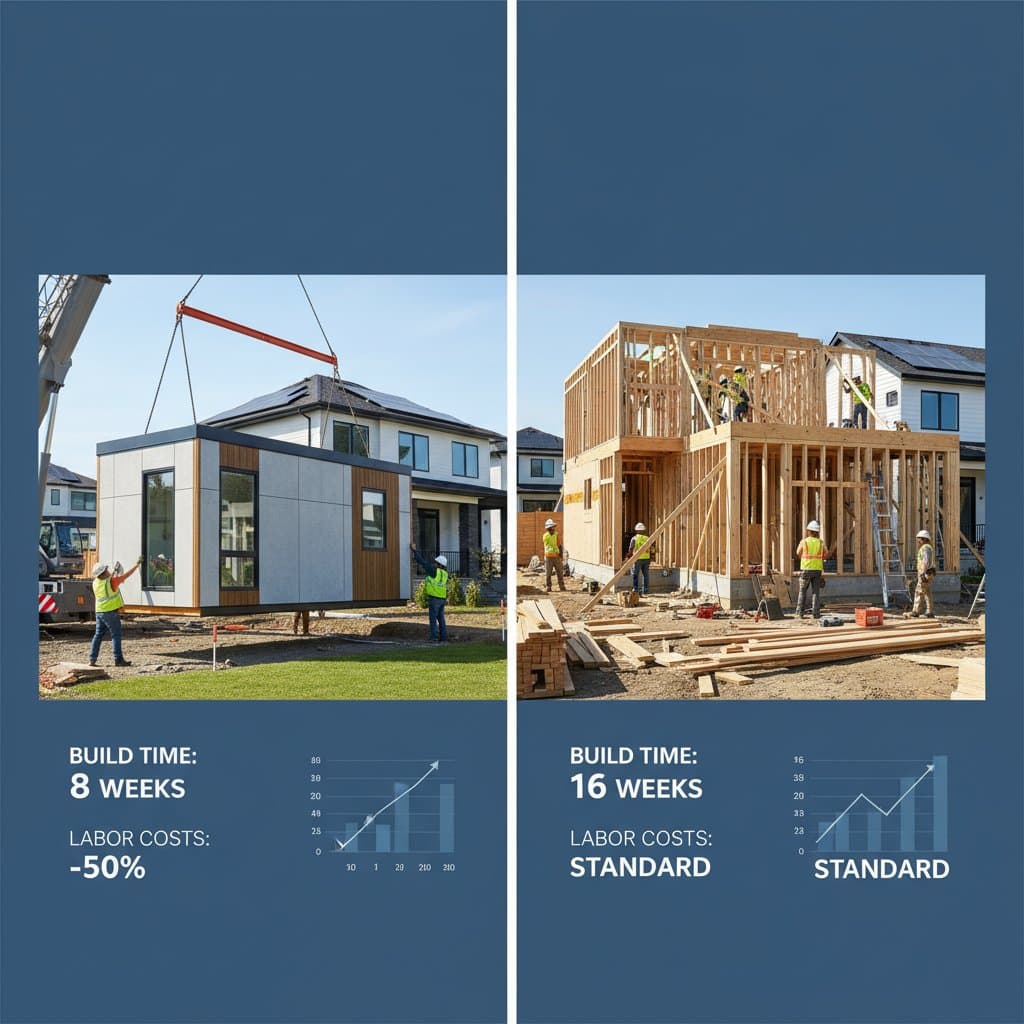
Understanding Modular ADUs
Modular accessory dwelling units represent a modern approach to expanding living spaces. These structures arrive pre-fabricated in sections, assembled on-site with minimal disruption. Homeowners benefit from this method when seeking additional rooms without extensive renovations.
Traditional home additions involve on-site construction from the ground up. Workers build each element sequentially, which extends the overall timeline. This contrast highlights why modular options appeal to those prioritizing efficiency.
Cost Comparison for 2026
In 2026, expect modular ADUs to cost between $150,000 and $250,000 for a 600-square-foot unit, depending on location and features. This range includes delivery, assembly, and basic finishes. Savings arise from factory-controlled production, which reduces material waste by up to 20 percent.
Traditional additions typically range from $200,000 to $350,000 for similar sizes. Labor accounts for 40 to 50 percent of expenses due to weather delays and skilled worker shortages. Modular builds cut these labor costs in half by shifting much of the work to controlled environments.
Key factors influencing prices include regional building codes and site preparation needs. Modular units often qualify for streamlined permits, further lowering administrative fees.
Timeline Differences
Modular ADU projects complete in 3 to 6 months from design to occupancy. Factory fabrication takes 4 to 8 weeks, followed by 1 to 2 weeks for on-site assembly. This accelerated pace minimizes family displacement and rental income loss.
Conventional builds span 6 to 12 months or longer. Site work faces interruptions from rain, supply chain issues, and scheduling conflicts. The sequential nature amplifies delays, often pushing budgets over by 15 to 25 percent.
Homeowners report quicker returns on investment with modular options. For rental purposes, earlier completion means sooner revenue generation.
Flexibility and Customization Options
Modular ADUs offer extensive design choices despite their efficiency. Factories produce units with high-end kitchens, energy-efficient windows, and smart home integrations. Customization occurs during the planning phase, ensuring alignment with property aesthetics.
Traditional methods allow similar personalization but require more owner oversight. Changes mid-project prove costly and time-intensive. Modular approaches balance adaptability with predictability.
Consider zoning laws that favor modular units for their lower environmental impact. Many areas incentivize these builds through tax credits or expedited approvals.
Long-Term Value and Maintenance
Modular ADUs enhance property value by 10 to 20 percent, according to market trends. They serve as versatile spaces for aging in place, guest quarters, or income-generating rentals. Durability matches site-built structures when using quality materials.
Maintenance remains straightforward for both types. Modular units feature sealed components that resist moisture better in humid climates. Traditional additions may encounter issues from on-site variables like uneven foundations.
Energy efficiency stands out in modular designs. Integrated insulation and solar-ready roofs reduce utility bills by 30 percent over time.
When to Choose Modular Over Traditional
Opt for modular ADUs if time constraints dominate your decision. Busy professionals or families with tight schedules find this method ideal. It suits urban lots where space limits large-scale construction.
Select traditional builds for highly unique designs or when integrating with historic homes. These projects demand custom craftsmanship that factories cannot replicate fully.
Evaluate your budget and goals early. Consult local builders to assess site feasibility and financing options.
- Review zoning regulations for ADU permissions.
- Obtain multiple quotes from modular and traditional providers.
- Factor in utility connections and landscaping costs.
- Plan for interior furnishings to maximize functionality.
Maximizing Returns on Your ADU Investment
Both approaches deliver value, yet modular ADUs excel in speed and affordability for 2026 projects. They transform underused spaces into assets that support lifestyle needs and financial growth. Homeowners who prioritize efficiency often achieve superior outcomes with less stress.
Assess your property's potential today. The right choice aligns construction benefits with long-term living enhancements.