Understanding Greywater System Costs in 2026
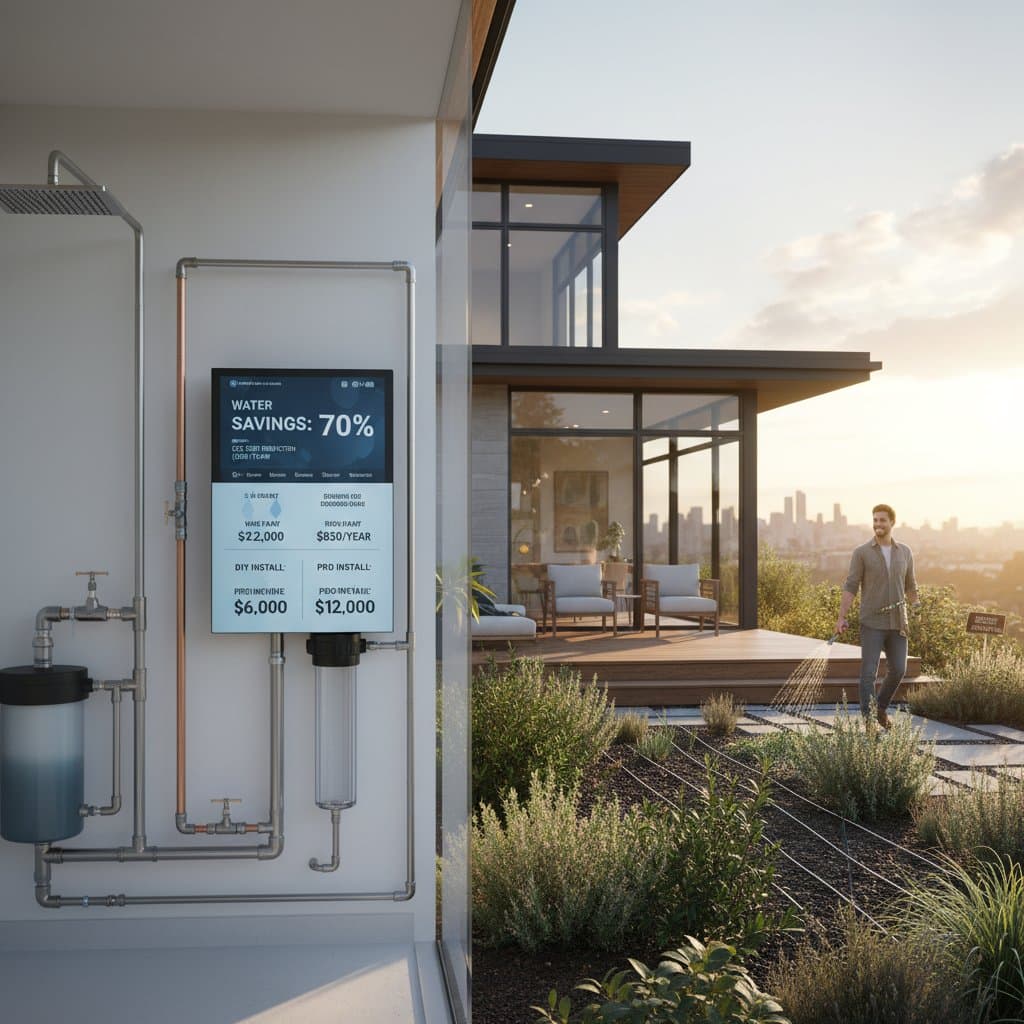
Greywater systems recycle water from household sources like sinks, showers, and laundry for uses such as irrigation or toilet flushing. These setups lower water consumption and utility expenses while supporting environmental goals. Projected costs in 2026 range from $500 for basic DIY configurations to $10,000 or more for comprehensive professional installations, influenced by several key elements.
Several factors determine the overall expense of a greywater system. System type plays a primary role: laundry-only units remain the most affordable, typically under $2,000, whereas full-house or irrigation-integrated models exceed $5,000 due to added complexity. Home layout affects pricing; multi-story structures or properties with outdated plumbing demand extensive pipe rerouting, increasing labor and materials by 20 to 50 percent.
Water quality objectives further impact budgets. Basic diversion systems cost less, but those incorporating sediment filters, UV sterilizers, or storage tanks add $1,000 to $3,000 for enhanced treatment. Labor rates vary by location and contractor expertise; urban areas with high demand see hourly fees of $100 to $150, compared to $75 in rural regions. Permitting and inspection fees range from $100 in lenient municipalities to $1,000 for areas requiring engineering approvals.
Homeowners must account for ongoing maintenance, such as filter changes every six months at $50 to $200 and annual inspections costing $200 to $500. These elements contribute to the total cost of ownership, often recouped through water savings of 30 to 50 percent on bills within three to five years.
DIY Versus Professional Installation: Key Considerations
Deciding between DIY and professional installation hinges on technical skills, financial constraints, and regulatory demands. Simple systems suit handy homeowners, while complex ones benefit from expert involvement to ensure safety and efficiency.
Advantages and Challenges of DIY Installation
DIY approaches reduce upfront expenses by 40 to 60 percent, allowing direct control over customization. Participants gain practical knowledge of plumbing and sustainability practices. However, success requires strong plumbing expertise and familiarity with building codes; errors like inadequate slopes can cause drainage failures or contamination.
Permits pose another hurdle, as many jurisdictions mandate professional oversight for approval. Leaks from poor connections or improper sealing may lead to water damage, escalating repair costs beyond initial savings.
Advantages and Challenges of Professional Installation
Professionals guarantee adherence to local codes, minimizing legal risks and ensuring optimal system performance. Warranties typically cover one to five years, providing peace of mind. Installers handle sizing and integration precisely, avoiding common pitfalls.
The main downside involves higher costs and potential delays from scheduling. Projects may extend one to two weeks if custom components or site challenges arise.
Essential Skills and Tools for DIY Projects
Even straightforward installations necessitate plumbing proficiency, including knowledge of water flow, required slopes of at least one percent for drainage, and discharge limits to prevent pooling. Essential tools include pipe cutters, adjustable wrenches, PVC sealants, connectors, measuring tapes, and levels.
Homeowners should verify compatibility with existing pipes, often PVC or ABS, and plan for shutoffs to avoid disrupting household water supply.
Prioritizing Safety and Efficiency
Greywater handling demands caution to prevent bacterial proliferation or cross-contamination with potable lines. Professionals install backflow preventers and maintain clear separation between systems. DIY efforts risk health hazards if standards lapse.
Time commitments differ: professionals finish most jobs in two to four days, whereas DIY endeavors span weekends, with surprises like hidden pipe access extending timelines.
Common Questions About Greywater Systems
Experts address frequent inquiries to guide homeowners through planning and implementation.
What Components Make Up a Typical Installation?
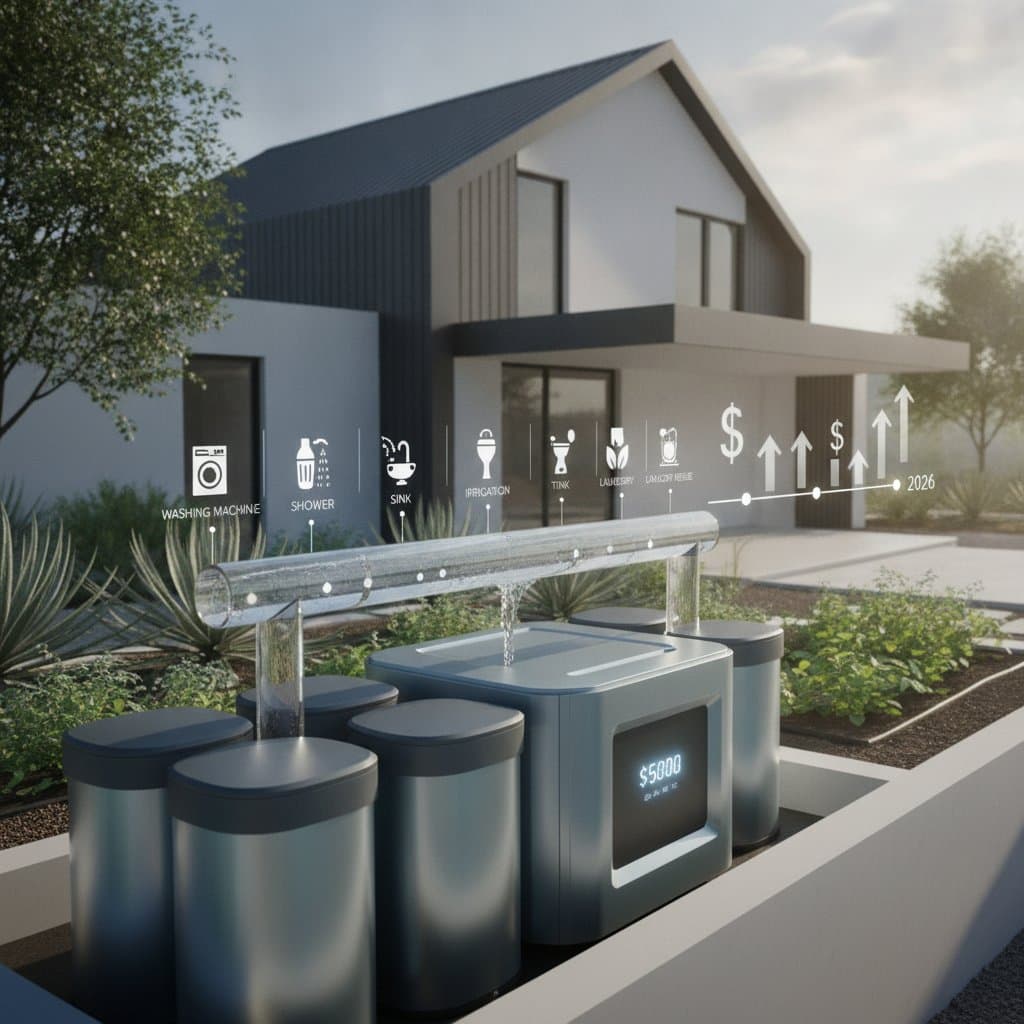
Standard setups feature collection pipes from sources like sinks or showers, a filtration or settling chamber to remove debris, and distribution lines for irrigation or flushing. Pumps and tanks appear in advanced configurations for broader reuse.
How Much Can These Systems Save on Water Bills?
Reductions depend on family size and habits; average households see 20 to 40 percent drops in usage, particularly for landscaping, translating to $200 to $500 annual savings in high-water-cost areas.
Is a Permit Always Necessary?
Most locales mandate permits for multi-fixture systems, with fees and processes varying. Laundry-to-landscape designs sometimes qualify for exemptions, but consultation with building officials remains essential.
What Is the Expected Installation Duration?
Professionals complete basic units in one to two days; elaborate systems with storage may require three to five days, factoring in site evaluations and testing.
Can Greywater Safely Irrigate Vegetable Gardens?
Untreated greywater suits ornamental plants or subsurface applications only. Edible gardens demand advanced treatment to eliminate pathogens; direct contact risks health issues.
What Ongoing Maintenance Do Systems Need?
Routine tasks involve filter cleaning monthly and leak checks quarterly. Pump-equipped models benefit from yearly professional tune-ups to sustain efficiency.
Is Retrofitting Feasible for Older Homes?
Retrofitting works for most properties, though aged pipes may require replacement. Accessible drains and yard space simplify the process; obstructions increase complexity by 30 percent.
What Issues Arise Most Often?
Clogs from soaps or hair, insufficient pipe angles, and irrigation overloads top the list. Regular monitoring prevents escalation.
How Do Seasons Influence System Use?
Winters reduce greywater volume and irrigation needs; designs incorporate overflows or diversions to manage excess or scarcity.
Key Questions for Prospective Contractors
Inquire about code compliance history, warranty details, maintenance support, and permit management. Demand itemized quotes to compare value.
Warning Signs in Contractor Selection
Avoid those bypassing permits, providing ambiguous estimates, or guaranteeing excessive returns. Confirm licenses and references.
Do These Systems Boost Property Value?
Sustainable upgrades appeal to green buyers, potentially raising resale prices by 2 to 5 percent in drought-prone zones.
What Is the System Lifespan?
Well-maintained units endure 10 to 20 years; filters and pumps replace every three to seven years.
Can Systems Expand Over Time?
Modular designs permit additions, such as integrating showers after initial laundry setup.
How Does Greywater Differ from Blackwater?
Greywater derives from non-toilet sources and supports reuse post-treatment. Blackwater, from toilets, contains high contaminants and requires specialized processing.
Step-by-Step Guide to Choosing and Installing Your System
System selection starts with a clear assessment of needs and capabilities, leading to confident implementation.
Step 1: Analyze Household Water Patterns
Track daily usage to estimate greywater volume, often 50 to 80 liters per person from baths and laundry. Pinpoint accessible fixtures for initial diversion.
Step 2: Gauge Personal Expertise
Review past plumbing work; if codes and tools feel daunting, opt for professionals. Online resources aid preparation but substitute experience poorly.
Step 3: Tally Comprehensive Expenses
Factor permits at $200 average, tools or materials at $300 for DIY, and maintenance at $300 yearly. Offset against savings projections using local utility rates.
Step 4: Weigh Potential Risks
Evaluate fines up to $5,000 for non-compliance or health threats from poor design. Prioritize setups matching skill levels.
Step 5: Commit to the Approach
Weigh cost benefits against effort; complex or regulated scenarios favor experts for reliability.
Setting Up for Success: Preparation Essentials
Thorough groundwork streamlines projects and maximizes returns.
Navigate Local Regulations
Contact building departments early for code specifics, permit timelines of 30 to 60 days, and approved system lists. Some areas offer rebates up to $1,000 for compliant installs.
Collect Resources and Supplies
Assemble plans, materials like three-quarter-inch pipes, and filters suited to water chemistry. Consult guides from sustainability organizations for best practices.
Prepare the Installation Site
Clear access to drains and yards, mark utility lines to avoid damage, and test soil drainage for irrigation points.
Establish Timelines and Budgets
Allocate four to eight weeks for planning and execution. Build a 20 percent buffer for unforeseen costs.
Smart Budgeting Strategies
Seek grants for eco-upgrades, buy components in bulk, and phase installations to spread expenses. Track ROI with usage meters pre- and post-install.
Sustaining Your Greywater System for Long-Term Benefits
Regular care preserves performance and extends lifespan, ensuring continued savings and reliability. Schedule seasonal checks to adapt to usage shifts, and document maintenance for warranty claims. A well-managed system not only cuts costs but also contributes to water conservation efforts, fostering a resilient home environment.