Understanding Greywater Systems for Savings and Sustainability
Homeowners who seek effective methods to lower water bills and adopt sustainable practices increasingly choose greywater recycling systems. Greywater refers to mildly used water from sources such as showers, bathroom sinks, and laundry machines. Rather than allowing this water to flow into the sewer, a recycling system captures, filters, and repurposes it for tasks like garden irrigation or toilet flushing. The concept proves straightforward, yet factors like home plumbing configuration, daily water consumption, and specific objectives influence the associated costs, setup process, and upkeep demands.
This guide provides a detailed overview of budgeting for a greywater system. It covers options for installation, from self-managed projects to expert services, and outlines expected ongoing expenses. Readers gain practical knowledge to make informed decisions that balance financial benefits with environmental impact.
Breaking Down Greywater System Costs
The expense of installing a greywater system spans a wide range, typically from several hundred dollars to multiple thousands. Key variables include the chosen system type, the size of the residence, the intricacy of existing plumbing, and the decision to involve professionals.
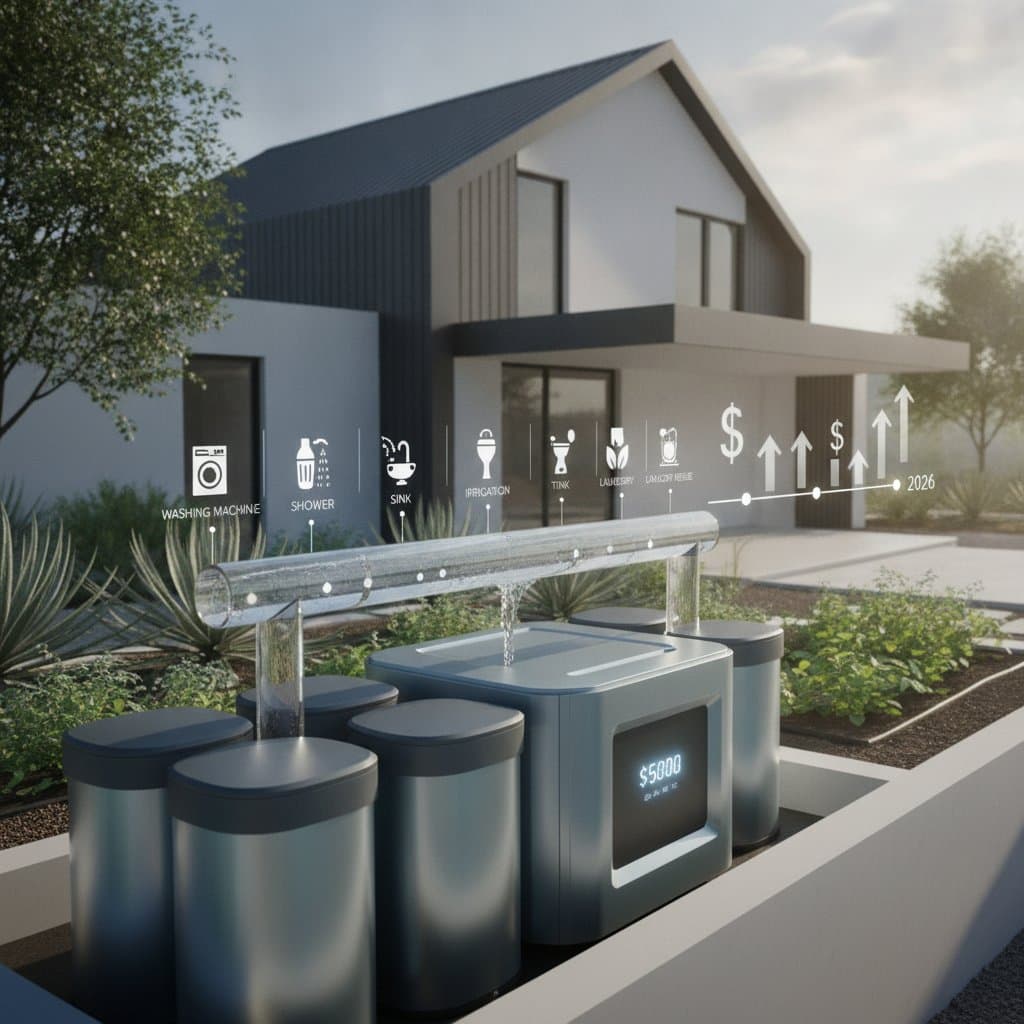
- Simple laundry-to-landscape configurations generally range from $200 to $1,000 for materials when a homeowner handles the setup. These systems rely on natural gravity flow and basic tubing to channel water from the washing machine directly to garden areas, ideal for modest outdoor watering needs.
- Comprehensive whole-home setups that support both irrigation and indoor applications, such as toilet flushing, fall between $2,000 and $5,000. Such systems incorporate advanced filters, pumps for water movement, and storage reservoirs to ensure reliable operation across multiple household fixtures.
- Sophisticated treatment units compliant with stringent purity regulations can exceed $5,000 to $10,000, particularly in homes requiring extensive plumbing modifications or integration with older infrastructure.
Consider a real-world example from a homeowner's experience shared in an online forum: the individual installed a basic laundry-to-landscape system and recouped the investment within two years through reduced outdoor watering expenses. To estimate personal costs, homeowners should assess local material prices and consult regional suppliers for accurate quotes.
Choosing Between DIY and Professional Installation
Handy individuals can manage the installation of straightforward greywater systems, but intricate designs demand the expertise of licensed plumbers or specialized greywater technicians.
For DIY approaches, focus on laundry-to-landscape models. Allocate a full weekend for the task, with material costs staying below $800 in most cases. Begin by installing a diverter valve on the washing machine's drain hose, then route the flexible piping to connect with existing outdoor irrigation lines. Test the setup thoroughly to confirm proper flow and avoid leaks.
Professional services become necessary for whole-home integrations that link various plumbing fixtures or involve indoor redistribution. Labor often accounts for 40 to 60 percent of the total budget. Experts navigate local regulations, including backflow prevention and filtration standards, to create a safe and efficient system. As one plumbing professional noted in an instructional video, homeowners frequently overlook the nuances of water treatment and pressure management, which professionals address to prevent health risks and system failures.
Before proceeding, evaluate your home's layout. Measure distances from water sources to reuse points, and review municipal codes to ensure compliance from the outset.
Evaluating Financial and Environmental Returns
The return on investment for a greywater system hinges on regional water rates, family size, and usage patterns. Smaller households might experience incremental reductions in bills, whereas larger ones with extensive landscaping see more pronounced gains.
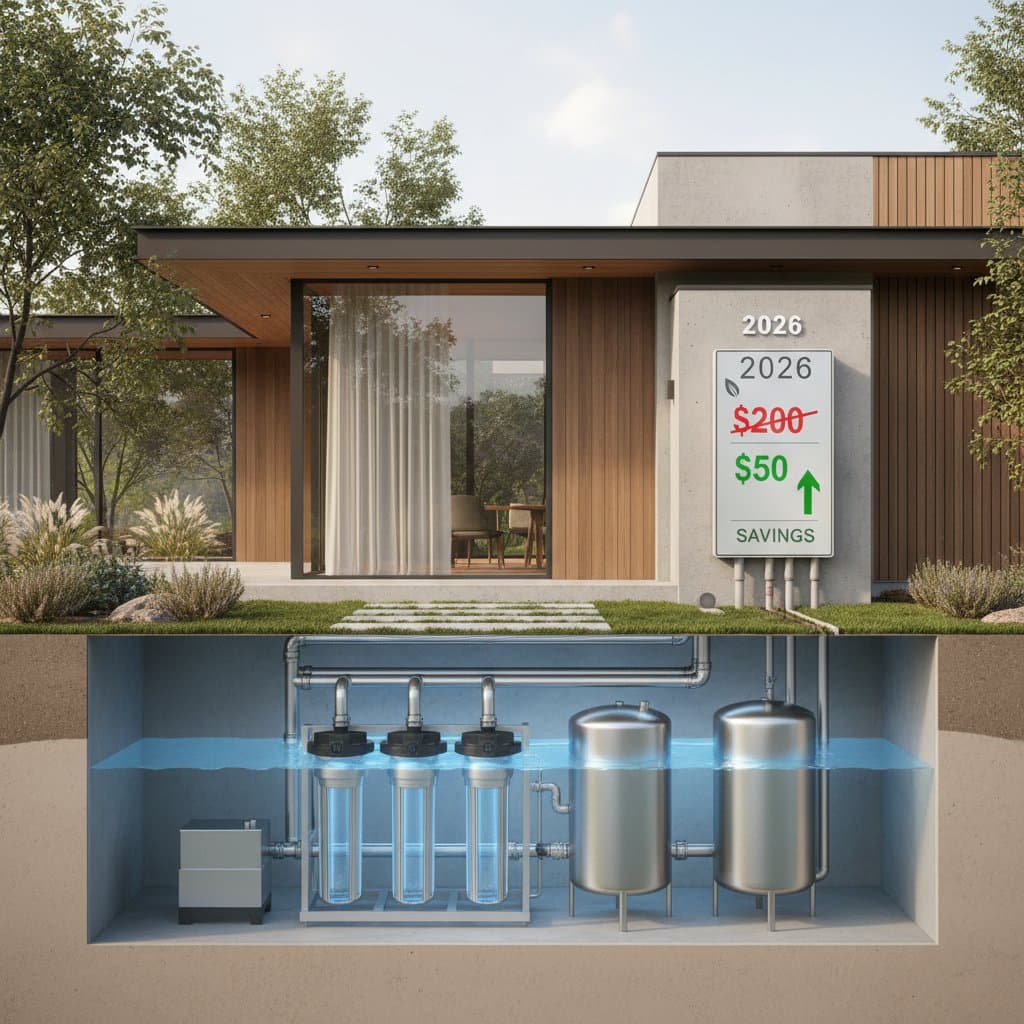
Take a typical scenario: a family incurring $100 monthly on water utilities installs a mid-range system and subsequently saves $25 to $40 each month. These reductions accumulate quickly, often covering the initial outlay within three to five years, depending on consistent usage. Track savings by monitoring utility statements before and after installation to quantify the impact.
Beyond finances, the ecological advantages prove compelling. Greywater diversion lessens the volume of wastewater entering municipal systems and conserves freshwater resources. In areas facing water scarcity, such as arid climates, these systems contribute to broader conservation efforts. Pairing greywater with rainwater harvesting can amplify benefits, potentially cutting overall water dependency by up to 50 percent.
Indicators for Professional Assistance
Engage a specialist when the project involves indoor water reuse, significant plumbing alterations, or adherence to rigorous local ordinances. Certified installers assess site conditions, recommend optimal components, and certify the system's safety and efficiency.
Seek professional intervention promptly if signs of trouble appear, such as unpleasant odors, water discoloration, or reduced flow rates. These symptoms often signal clogged filters, malfunctioning pumps, or bacterial buildup. Early diagnostics prevent costly overhauls and maintain the system's longevity.
To locate reliable providers, inquire with local environmental agencies or sustainable building associations for vetted recommendations.
Strategies for Long-Term System Maintenance
Treat a greywater installation as a durable asset that enhances both property value and planetary health. Maintain detailed logs of servicing activities, including filter replacements every three to six months and pump inspections annually. After periods of intense usage or severe weather, inspect for clogs, leaks, or structural damage to piping.
Enhance performance by integrating complementary measures, such as installing low-flow showerheads and selecting drought-resistant plants for irrigated zones. Homeowners who adopt these holistic approaches frequently achieve water usage reductions approaching 40 percent. Schedule seasonal cleanings to remove sediment and ensure filters operate at peak efficiency.
Realizing Lasting Benefits Through Greywater Adoption
Greywater systems represent more than a passing eco-initiative; they deliver tangible, everyday advantages in resource management. Homeowners who invest time in cost planning, precise installation, and diligent care unlock dependable water recycling that bolsters financial stability and environmental stewardship. Start by auditing your current water habits to identify the most suitable system scale, then proceed with confidence toward substantial, enduring rewards.