Understanding Greywater Systems
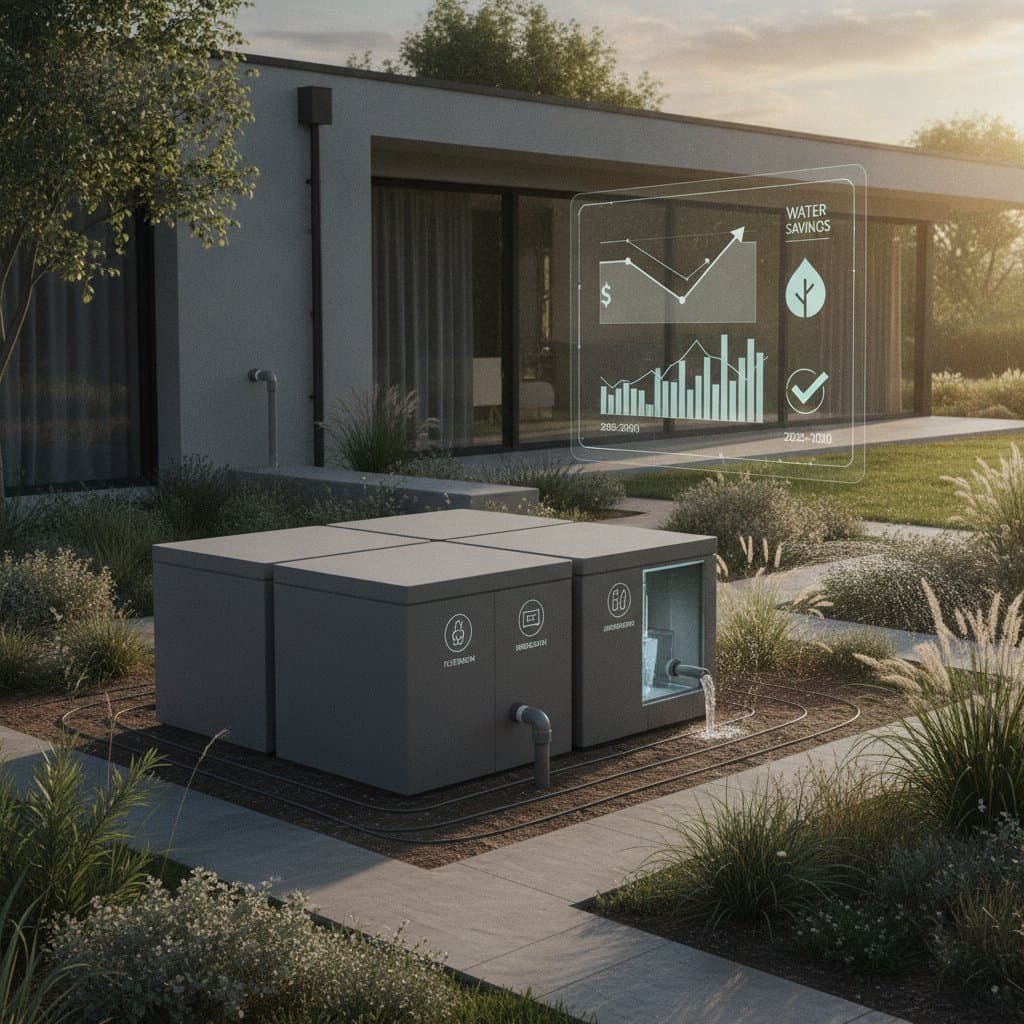
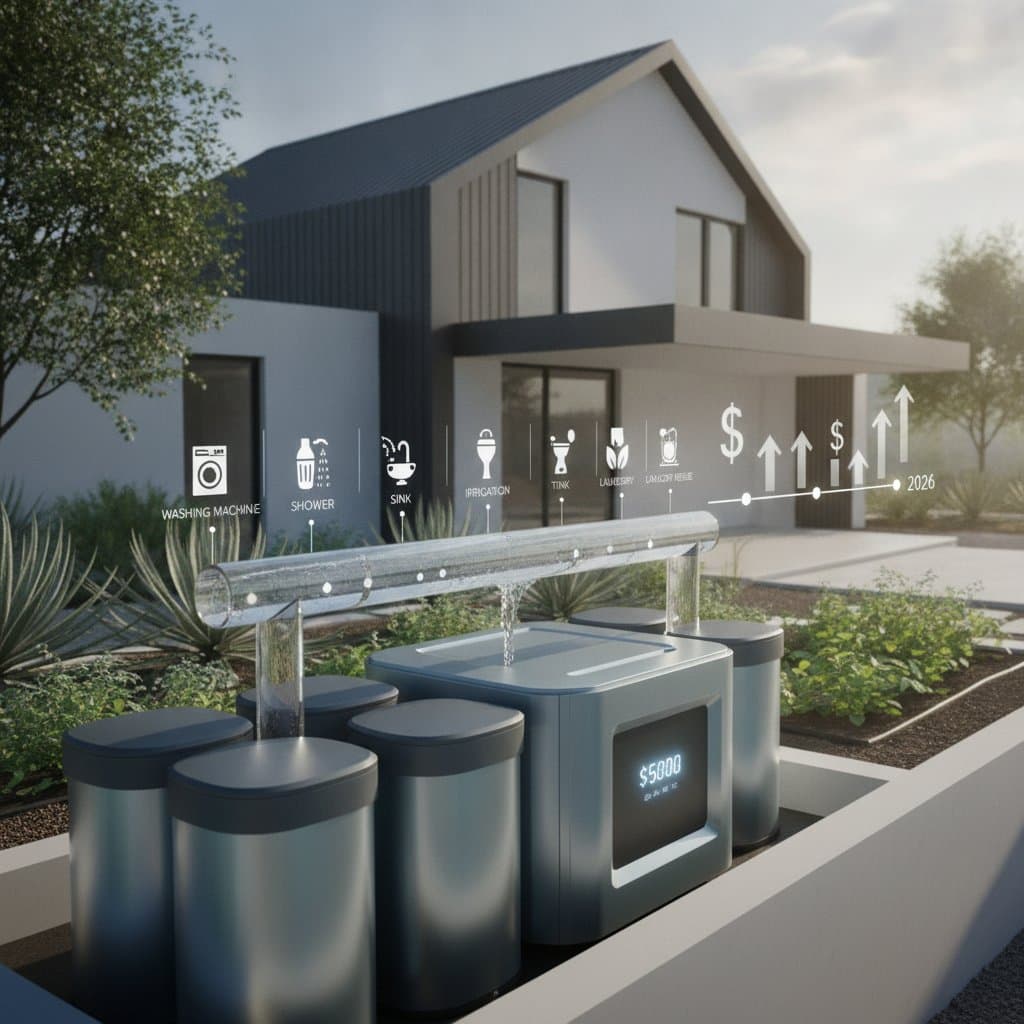
Greywater refers to wastewater from household sources such as laundry, showers, and sinks, excluding toilet waste. These systems collect and repurpose this water for irrigation or flushing toilets, promoting efficient resource use. Homeowners benefit from decreased reliance on municipal supplies, leading to notable cost reductions and environmental gains.
In regions facing water scarcity, greywater adoption supports broader conservation efforts. Systems vary in complexity, from basic diverter valves to advanced treatment units. Selecting the appropriate type depends on household size, local regulations, and intended applications.
Installation Costs in 2026
Projected costs for greywater systems in 2026 range from $1,500 for a simple laundry-to-landscape setup to $10,000 for comprehensive whole-home installations. Factors influencing price include system capacity, materials, and labor. Basic models suit smaller households, while larger units handle greater volumes for families or multi-unit properties.
Permits and compliance with building codes add to expenses, often between $200 and $500. Professional installation ensures proper setup, minimizing risks of contamination or inefficiency. Homeowners should obtain multiple quotes to identify cost-effective options aligned with their needs.
Return on Investment and Savings
A greywater system typically yields a return on investment within five to seven years through water bill reductions of 30 to 50 percent. For an average household using 100 gallons of greywater daily, annual savings can exceed $300, depending on local rates. Over time, these systems also mitigate rising utility costs influenced by inflation and demand.
Property values increase by up to 5 percent in markets favoring sustainable features, as buyers prioritize low-maintenance, eco-friendly homes. Insurance premiums may decrease in areas prone to water shortages, further enhancing financial appeal. Long-term, the system offsets initial outlay while contributing to household stability.
Choosing Installation Approaches
DIY installations appeal to handy homeowners with basic plumbing knowledge. Simple diverter systems, costing under $500 in materials, redirect laundry water to garden beds without complex plumbing. Follow manufacturer guidelines and local codes to avoid voiding warranties or incurring fines.
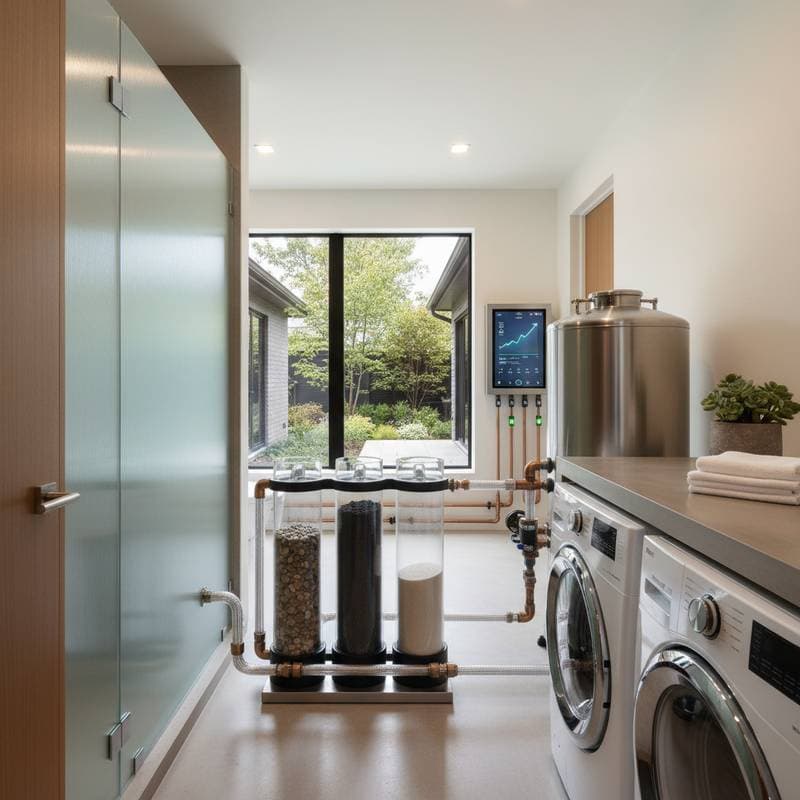
Professional services provide assurance for intricate setups, such as filtration and pumping systems. Experts assess site conditions, integrate with existing infrastructure, and handle permitting. This option, though pricier, reduces error risks and ensures optimal performance from the outset.
Essential Maintenance Practices
Regular maintenance preserves system efficiency and longevity. Key tasks include:
- Cleaning filters monthly or per manufacturer specifications to prevent clogs.
- Refraining from bleach or harsh detergents that could damage soil or vegetation.
- Checking valves and seals quarterly for leaks or wear.
- Flushing storage tanks every six months to avoid sediment accumulation.
Plumbing professionals observe that most problems stem from neglected upkeep rather than inherent defects. Consistent attention allows a greywater system to operate effectively for 15 years or longer, requiring only minor adjustments.
Broader Environmental and Community Impacts
Greywater reuse diminishes pressure on public water resources and cuts energy use in treatment processes. Each gallon recycled spares the environment from extraction and purification demands. In arid areas, this practice bolsters local water security and preserves habitats.
Homes equipped with such systems demonstrate commitment to sustainability, appealing to environmentally aware buyers. Reduced wastewater discharge into sewers eases municipal infrastructure burdens. Overall, adoption fosters resilient communities better equipped for climate challenges.
Steps to Implement Your System
Begin by auditing household water usage to determine system scale. Track laundry, bathing, and sink outputs over a month for accurate estimates. Consult local regulations early to confirm eligibility and requirements.
Establish a budget covering equipment, installation, and contingencies. Research reputable suppliers and contractors through reviews and demonstrations. Pilot a small-scale setup if uncertainty persists, scaling up as confidence grows.
Realizing Sustained Value
A well-planned greywater system delivers ongoing financial relief and ecological advantages. Homeowners experience lower bills, enhanced property appeal, and peace of mind in resource management. Through diligent care and strategic choices, this investment integrates seamlessly into daily life, yielding rewards for years ahead.