Greywater Costs and Permit Essentials
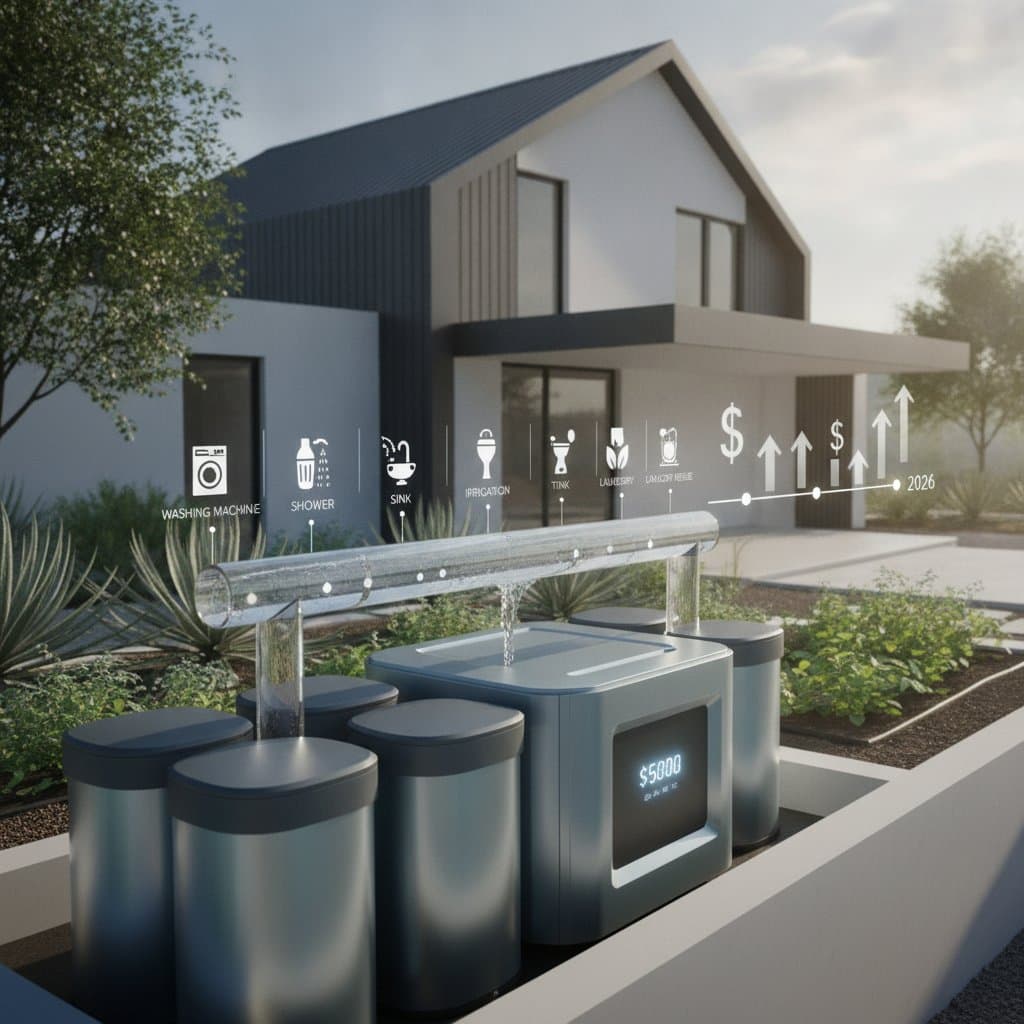
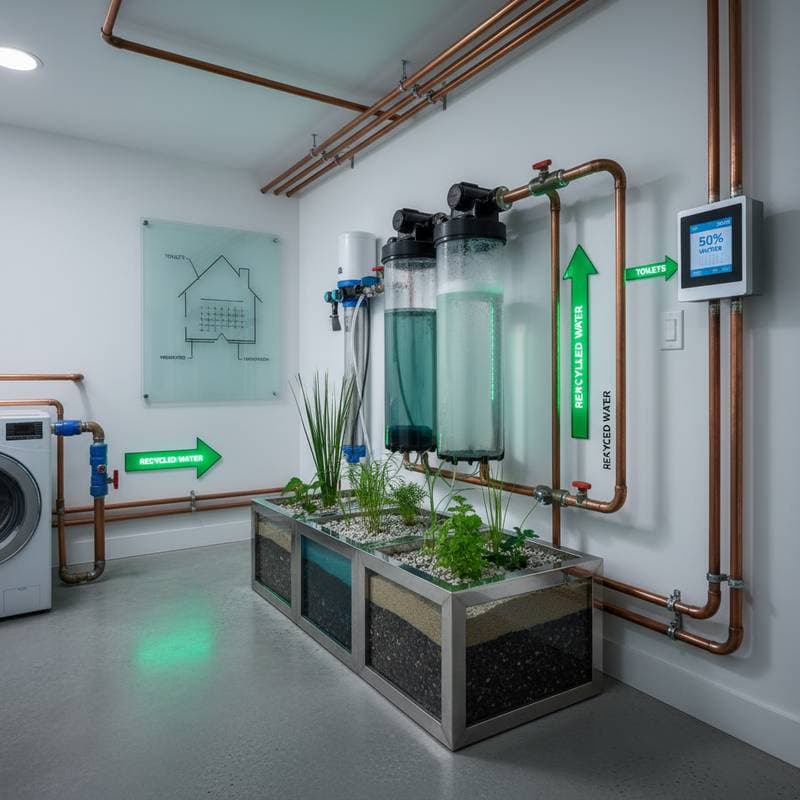
Homeowners seek effective methods to lower water bills and enhance home sustainability. Greywater systems offer a practical approach by reusing water from sources such as showers, sinks, and washing machines for irrigation or toilet flushing. These installations can reduce overall household water consumption by as much as 50 percent, depending on system design and regional factors. To proceed successfully, individuals must evaluate costs, secure necessary permits, and plan for ongoing maintenance. Thoughtful preparation minimizes risks and maximizes benefits.
Breaking Down System Costs
Greywater system expenses differ based on scale, household configuration, and local rules. Simple setups for landscape irrigation prove affordable, whereas comprehensive treatment systems demand greater investment.
Entry-Level Laundry Systems
Laundry-to-landscape configurations suit beginners and budget-conscious homeowners. These divert washing machine effluent directly to garden beds via diverter valves and buried drip lines. Material and basic installation costs range from $300 to $1,500, influenced by pipe lengths and soil conditions. Such systems avoid pumps, which simplifies upkeep and reduces energy needs.
Mid-Tier Multi-Source Systems
Configurations that gather water from showers and sinks incorporate surge tanks, basic filters, and diversion valves. Plumbers often modify existing lines, extending project duration. Expect costs between $2,000 and $5,000, covering components and labor. These balance expanded reuse capacity with manageable complexity.
Comprehensive Whole-House Solutions
Advanced units process water for flushing toilets, irrigating landscapes, or reloading laundry cycles. Features include multi-stage filtration, UV disinfection, and programmable controllers. Professional engineering ensures compliance and integration with home electrical systems. Prices start at $6,000 and exceed $15,000 for custom designs, offset by substantial utility reductions in water-scarce areas.
Additional and Recurring Expenses
Account for these factors beyond initial outlay:
- Filter Maintenance: Replace or rinse units two to four times annually to prevent blockages.
- Water Quality Checks: Comply with local mandates for biannual testing to verify pathogen levels.
- Power Consumption: Factor in 50 to 200 kilowatt-hours yearly for pump-operated models.
- Unexpected Fixes: Budget $200 to $500 for annual repairs to address sediment buildup or valve failures.
These costs remain low relative to annual water savings, which can reach $500 or more in high-rate regions.
Weighing DIY Against Professional Setup
Decide on installation method by assessing technical skills, regulatory demands, and desired outcomes.
Benefits of Self-Installation
Individuals with plumbing knowledge can assemble laundry-focused systems using off-the-shelf kits. Acquire parts like three-way valves and mulch basins from hardware stores. Labor savings cut total expenses by 40 to 60 percent. Resources such as detailed manuals and online forums guide precise execution, from trenching to testing flows.
Advantages of Expert Installation
Certified specialists deliver tailored designs that adhere to codes and optimize performance. They manage filings for approvals, conduct pressure tests, and install safeguards against cross-contamination. For complex builds, regulations mandate licensed work to avoid fines up to $1,000. Experts also provide warranties and follow-up support.
Direct Cost Analysis
Self-built options total under $1,000 for basics, versus $3,000 or more professionally. However, errors like improper sloping can cause backups, leading to $1,000 in corrections. Prioritize safety and legality; consult municipal guidelines early to align approach with requirements.
Essential Maintenance Practices
Sustained performance relies on consistent care to safeguard health and efficiency.
Daily and Weekly Checks
- Filter Cleaning: Dislodge debris weekly using a soft brush and mild soap.
- Seal Inspections: Examine connections monthly for moisture or wear.
- Line Flushing: Introduce fresh water quarterly to clear residues.
- Flow Monitoring: Note any reduced output or foul odors as early warnings.
- Pump Servicing: Lubricate moving parts per device specifications, typically biannually.
Adapting to Seasons
In winter, insulate outdoor pipes or reroute flows indoors to prevent freezing. Summer setups benefit from timers linked to rain sensors, conserving water during wet spells. Adjust diverters to match evapotranspiration rates, ensuring plants receive 1 to 2 inches weekly without excess.
Indicators for Expert Intervention
Seek professional help if effluent shows discoloration, emits strong scents, or causes backups. Annual audits by technicians detect subtle issues like bacterial overgrowth. Prompt action preserves system integrity and avoids health risks.
Steps to Implement Greywater Reuse
Adopt greywater to achieve fiscal and ecological gains through systematic steps. Begin with a home audit: map fixtures producing suitable wastewater, such as bathroom drains excluding kitchen sources. Contact local environmental offices for permit types, often categorized as simple diversion or treated reuse, with fees from $50 to $300.
Compare installation paths, factoring in time commitments and code adherence. Post-setup, log meter readings monthly to quantify reductions, aiming for 30 to 50 percent drops. Optimize with biodegradable soaps free of salts and boron, which harm soils. Over years, these systems lower dependency on municipal supplies, conserve aquifers, and elevate home resilience.