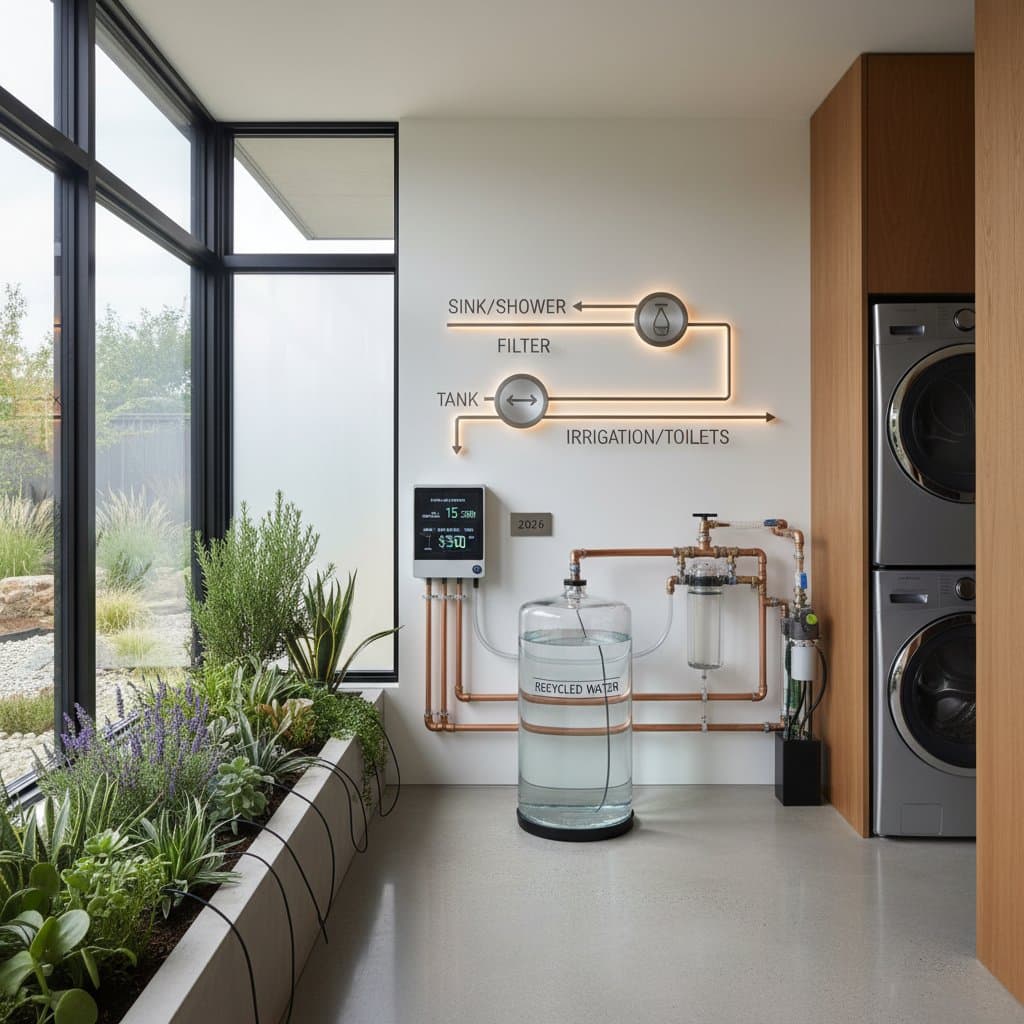
Understanding Greywater: Costs, Permits, and Water Savings
Homeowners seek reliable methods to conserve water amid drought restrictions and escalating utility rates. Greywater systems offer a practical, sustainable approach to minimize waste while sustaining gardens, lawns, and landscapes. Grasping system operations, expenses, and regulatory needs enables effective planning that aligns with local rules and financial constraints.
Defining Greywater and Its Importance
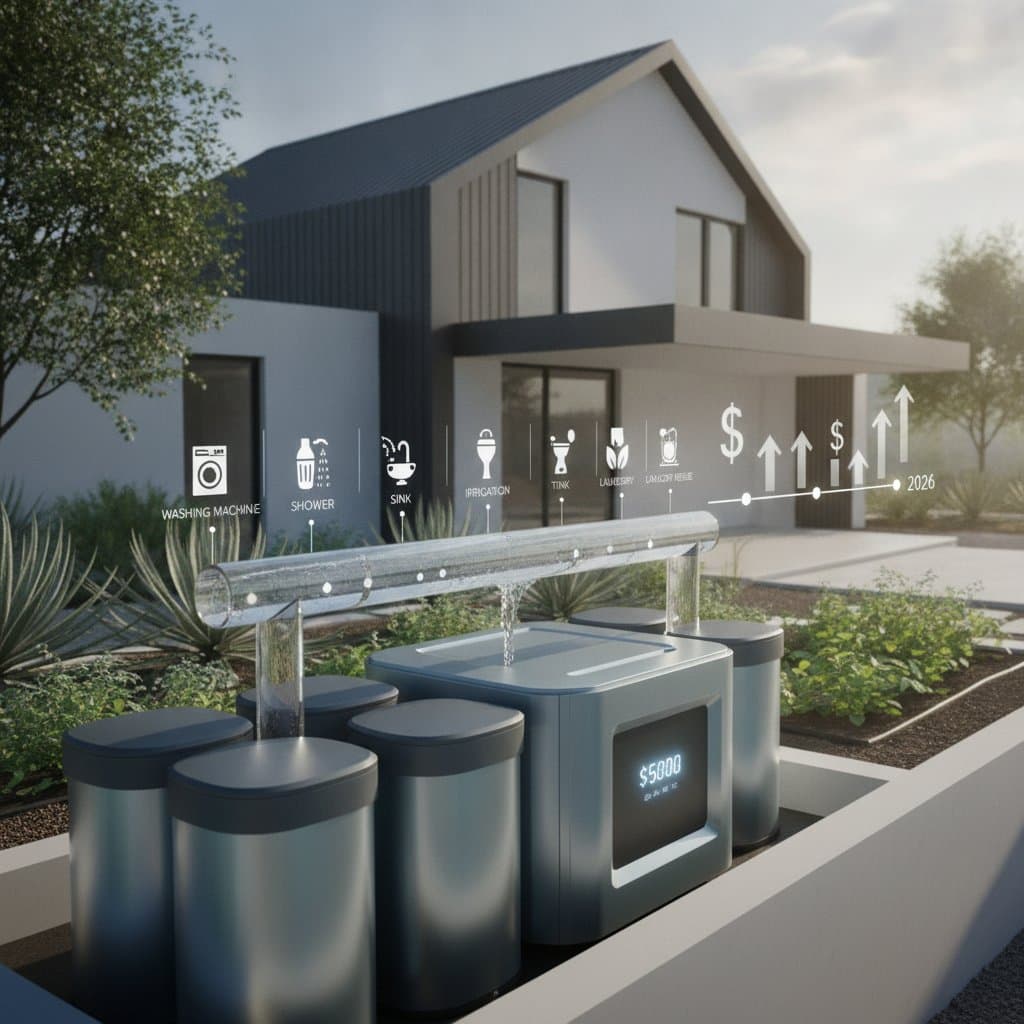
Greywater consists of mildly contaminated water from showers, bathtubs, bathroom sinks, and washing machines. This category excludes toilet and kitchen sink water, deemed blackwater due to higher contamination levels. With appropriate filtration and diversion, greywater safely nourishes plants and landscapes, potentially halving freshwater demands in many homes.
Water conservation specialists note that greywater reuse substantially lowers overall household water needs. The Environmental Protection Agency indicates that outdoor watering represents a major share of residential consumption, positioning greywater diversion as a key strategy for cost reduction and community resource preservation.
Greywater System Operations
Greywater systems capture water from household plumbing prior to sewer entry. They filter and hold the water briefly for redistribution. Designs vary, but three primary types prevail:
-
Laundry-to-landscape systems
These basic configurations channel washing machine output straight to yard irrigation areas, typically relying on gravity without pumps or tanks. -
Branched drain systems
These capture flows from bathroom sinks, tubs, and laundry, routing them via pipes and valves to landscape zones after basic filtration. -
Tank-based or pumped systems
Advanced versions incorporate filtration, storage tanks, and pumps for precise control over distribution timing and locations, often necessitating expert setup.
Selection hinges on site configuration, water volume, and funding. Each type carries distinct expenses, upkeep demands, and approval processes.
Calculating Greywater Installation Expenses
Installation prices fluctuate based on system intricacy and components. Simple laundry-to-landscape units start at several hundred dollars, whereas comprehensive home-wide systems with advanced filtration and tanks reach thousands.
Contractors base fees on capacity, lot dimensions, and plumbing integration challenges. Self-managed elements cut costs where codes permit permit-free basic designs.
One documented example from a conservation initiative revealed a mid-level system trimming outdoor water charges by one-third, recouping investment via utility reductions in under three years.
For accurate budgeting, itemize as follows:
- Materials: Pipes, valves, filters, tanks, and connectors form the primary outlay.
- Labor: Expert work often comprises at least half the total.
- Permit charges: Municipal offices apply nominal fees for evaluations and checks.
- Upkeep items: Budget for filter replacements, cleaning supplies, and periodic expert visits.
Navigating Permits and Regulations
Verify local ordinances before proceeding. Jurisdictions outline permit mandates and inspection protocols for system varieties. Basic laundry-to-landscape setups frequently bypass permits if they adhere to criteria like subsurface delivery and restricted surface exposure.
Storage or pumping systems demand plumbing approvals to safeguard health and ecology against pollution risks. Adherence to sanitation and runoff standards proves essential.
In governed communities, consult association policies on irrigation alterations. Pre-approval may apply for drainage modifications.
Numerous locales provide rebates for compliant installations, contingent on permitted setups and verifications, thereby easing financial burdens.
Planning Your Greywater Installation
Effective implementation starts with structured preparation. Follow this sequence:
-
Evaluate water origins
Pinpoint greywater-generating fixtures and estimate daily yields. Showers and laundry cycles yield steady volumes. -
Outline landscape targets
Identify irrigation priorities, favoring deep-rooted plants like trees and shrubs over edibles. -
Choose system configuration
Match complexity to objectives, considering ease of care, finances, and compliance. -
Review rules and approvals
Engage municipal authorities promptly to detail required submissions. -
Execute and verify
Adhere to safety protocols for self-installs; engage certified experts for intricate designs. -
Schedule upkeep
Routinely service components and document activities for optimal performance.
Weighing DIY Against Professional Setup
Self-directed projects suit capable individuals aiming for affordability. Gravity-fed laundry systems simplify DIY efforts with accessible components. Instructional resources and local sessions guide precise execution.
Expert involvement suits elaborate configurations, guaranteeing code conformity and addressing site-specific hurdles like slopes or plumbing constraints. Professionals furnish guarantees and records vital for incentives or coverage.
Comparative analyses highlight that hired installations endure longer with reduced ongoing efforts, contrasting quicker DIY returns that demand vigilant monitoring. Assess personal expertise, available time, and durability priorities.
Strategies for Minimizing Expenses
Offset upfront costs through targeted approaches:
- Leverage current plumbing paths to limit structural alterations.
- Initiate modestly with source-specific designs, scaling as needed.
- Integrate rainwater collection for diversified supply.
- Pursue agency rebates from water districts.
- Invest in robust components to extend service life.
Efficiency experts advocate pairing greywater with subsurface drip lines, which target roots, curb evaporation, and foster vigorous growth.
Ensuring Long-Term Maintenance
Sustained functionality requires diligent oversight. Rinse or swap filters to sustain flow and avert scents. Inspect lines for blockages from residue accumulation.
Select plant-compatible, biodegradable cleansers free of bleaches or salts that degrade soil. Track vegetation vitality and hydration levels for equitable distribution.
Annual expert evaluations confirm pump, valve, and filter integrity. Service contracts often encompass thorough assessments and adjustments.
Realizing Environmental and Economic Gains
Greywater diversion yields dual advantages. It eases municipal infrastructure loads, cuts treatment energy, and bolsters aquifer recharge.
Economically, progressive savings accumulate, particularly from curtailed outdoor use. In water-scarce zones, benefits amplify during peak seasons with penalties.
Landscape assessments demonstrate superior plant resilience and erosion control versus conventional methods, thanks to steady moisture and minimal surface loss.
Sidestepping Frequent Errors
Optimize outcomes by evading these oversights:
- Directing greywater to contact-edible produce.
- Proceeding sans regulatory verification.
- Neglecting filter routines.
- Permitting surface pooling or adjacent drainage.
- Employing soil-damaging, sodium-rich products.
Proactive design and care mitigate risks, ensuring enduring efficacy.
Advancing Your Water Conservation Project
A greywater setup empowers proactive resource management, fiscal prudence, and ecological stewardship. Tailor selections to water patterns and site demands, from basic diversions to sophisticated arrays.
Initiate by charting flows and consulting officials on approvals and supports. Solicit bids from specialized installers for assured results.
Persistent bill reductions and dependable watering justify the endeavor, transforming conservation into a cornerstone home enhancement.