2026 Greywater System Costs: Install Now to Reduce Water Bills
Increasing water rates and stricter drought regulations prompt homeowners to seek effective conservation methods. Greywater recycling systems capture water from showers, sinks, and laundry for reuse in irrigation or toilet flushing, thereby lowering overall household consumption. These systems recover their initial investment in just a few years, particularly in regions with elevated utility charges. A clear grasp of expenses, setup needs, and savings projections enables informed decisions about suitability for specific properties.
Functions of a Greywater System
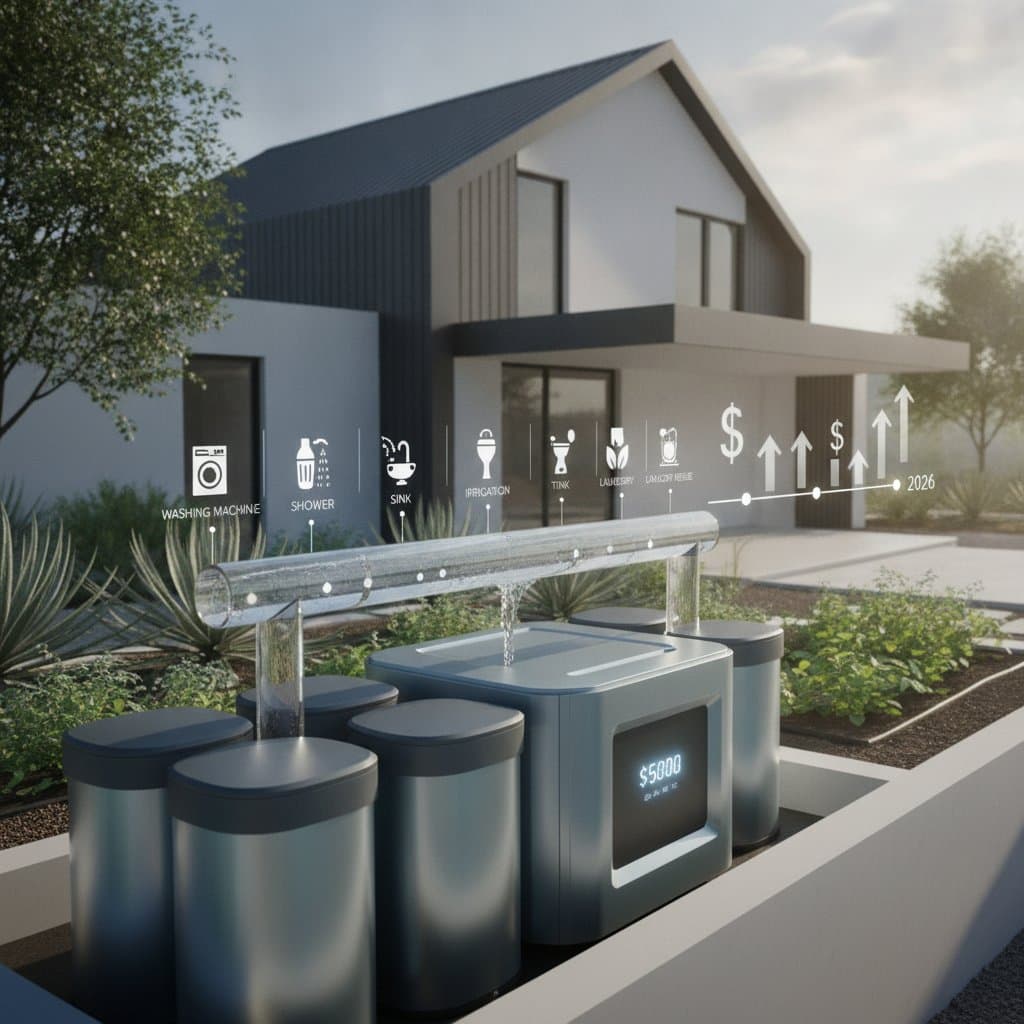
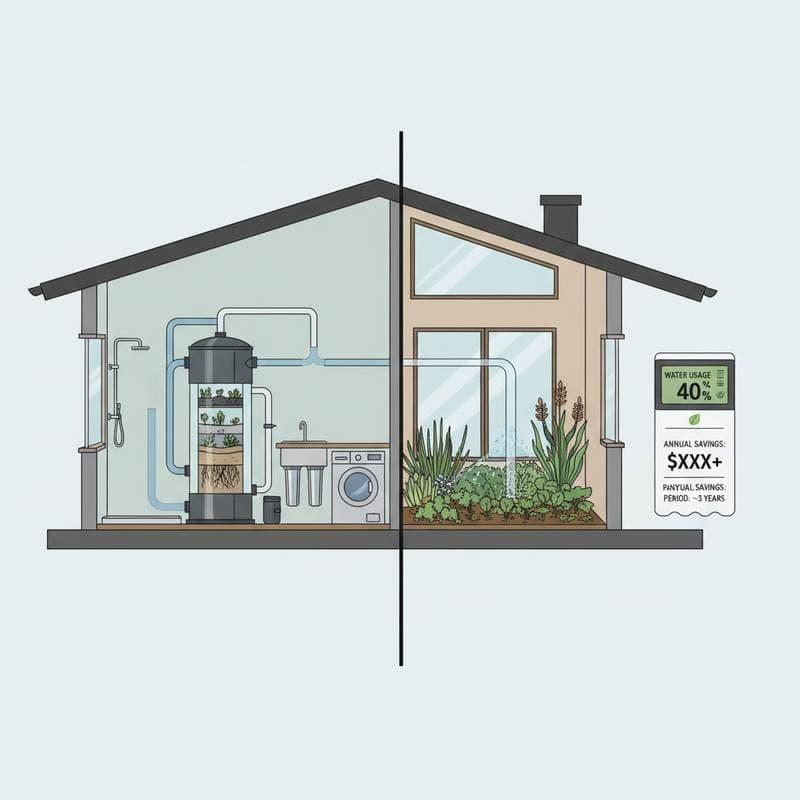
Greywater systems gather mildly contaminated water from fixtures like bathroom sinks, bathtubs, and washing machines. This water undergoes filtration before redirection to non-potable applications, such as garden watering or subsurface irrigation. Such setups diminish reliance on fresh water supplies by up to 40 percent in typical households. Options span basic gravity-based designs to sophisticated configurations incorporating pumps, storage reservoirs, and advanced treatment.
For instance, a straightforward system employs a diverter valve to channel washing machine effluent directly to landscape areas. Advanced variants store and process several hundred gallons daily, enabling automated delivery to indoor fixtures or precise drip lines. Selection hinges on factors including family size, property layout, existing plumbing, and compliance with regional codes.
Standard Installation Expenses
Professional installation of a greywater system generally costs between $1,500 and $6,000. Basic configurations that divert laundry water to exterior use align with the lower range, whereas comprehensive units connected to various plumbing lines may exceed $10,000. Variations arise from material quality, reservoir capacity, and installation intricacy.
- Laundry-to-landscape configurations: $1,500 to $2,500
- Full-home systems featuring tanks and filtration: $4,000 to $8,000
- Bespoke setups with pumps and automation: $8,000 to $12,000
Self-installation lowers expenses, yet adherence to plumbing standards often necessitates expert involvement for safety and legality. A qualified plumber typically finishes the work in two to four days. Budget an additional $200 to $500 for permits and inspections, varying by local jurisdiction.
Upkeep and Ongoing Expenses
After setup, greywater systems require consistent maintenance to maintain optimal performance. Rinse or replace filters every three to six months to avoid blockages. Annual tank cleaning prevents sediment accumulation and bacterial growth. Pump electricity usage remains low, typically under $10 per month.
Optional enhancements like ultraviolet disinfection or chlorination units incur minor recurring costs for replacement bulbs or chemical tablets. Systems handling laundry water demand attention to avoid clogs from detergent residues or unpleasant odors. Opt for biodegradable, low-sodium detergents to minimize issues and extend component life. Proactive care ensures longevity and averts expensive fixes.
Estimating Savings Potential
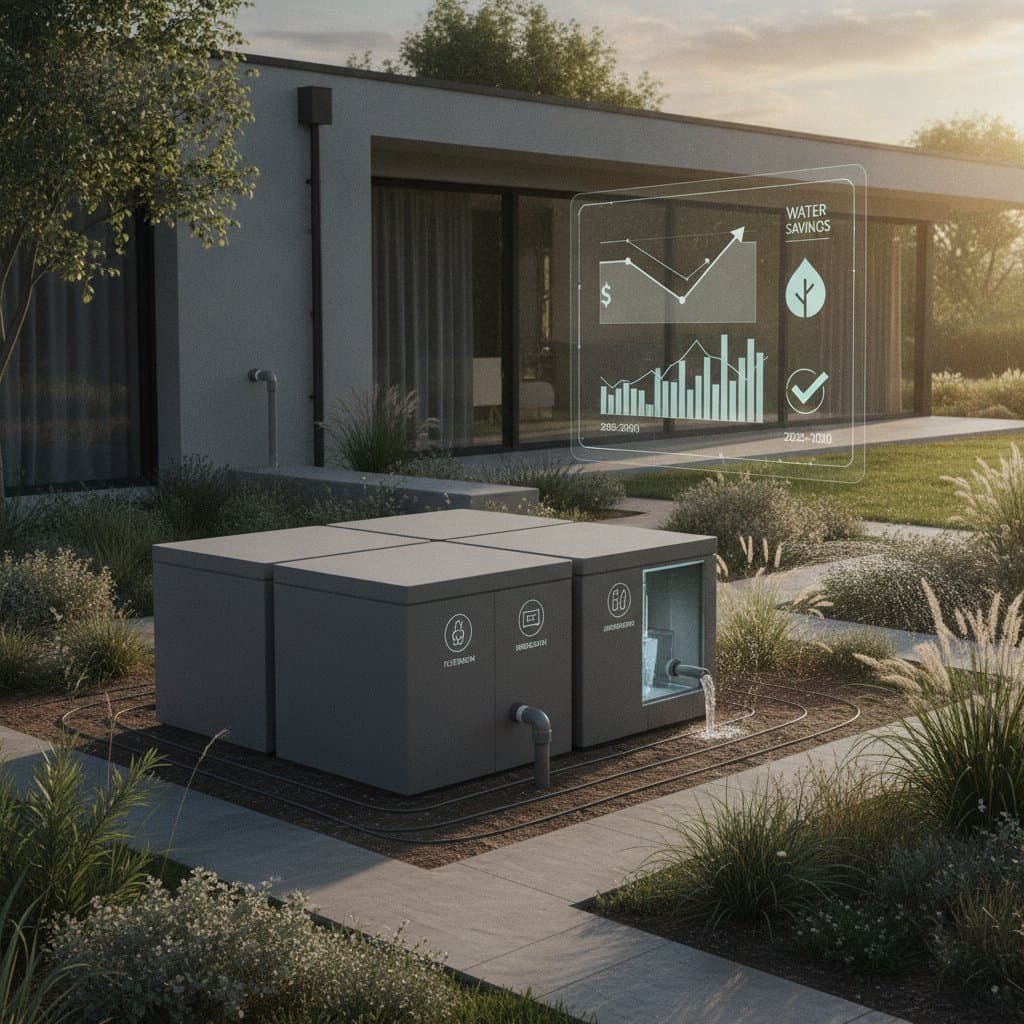
Annual savings vary with regional water tariffs and daily usage patterns. In districts charging $5 or higher per thousand gallons, redirecting 50 percent of greywater might yield $400 to $700 in yearly reductions for a standard family. Over ten years, these figures often cover the full installation outlay. Certain locales provide rebates or tax credits that offset initial costs by as much as 30 percent.
Indirect benefits include safeguarding landscapes amid watering bans during droughts. Property owners with extensive gardens or lawns value the consistent moisture supply that sustains vegetation through prolonged dry spells. This reliability enhances overall home resilience.
Selecting an Appropriate Configuration
Verify local building codes prior to proceeding, as some jurisdictions restrict use to outdoor subsurface applications while others approve indoor recycling. Engage a licensed plumber experienced in greywater projects; request client references and examples of completed installations. Prioritize systems certified under NSF protocols for filtration efficacy and safety.
Evaluate your home's greywater output and reuse opportunities. A residence with two bathrooms and a washing machine generates approximately 100 gallons daily, sufficient for a 500-square-foot garden. Align tank volume and treatment intensity with actual demands to avoid unnecessary oversizing.
Steps to Implement Your System
A greywater installation represents a pragmatic step toward sustainable home management. It lowers utility expenses, aligns with community water conservation efforts, and builds capacity for seasonal shortages. Post-installation, the system operates seamlessly, managing substantial water recycling with minimal daily input. Through meticulous preparation, skilled execution, and regular maintenance, homeowners secure enduring financial benefits and contribute to broader resource preservation.