AI Drones: An Efficient Approach to Chimney Preparation for Fall
As temperatures drop and homeowners anticipate warm fires, chimney upkeep emerges as a critical task. A properly inspected and cleaned chimney promotes safety, operational efficiency, and seasonal comfort. Traditional methods, such as scaling roofs or probing tight flues, pose challenges and dangers for many individuals. AI drones address these issues by offering a rapid, secure, and intelligent solution for chimney evaluation and upkeep prior to autumn.
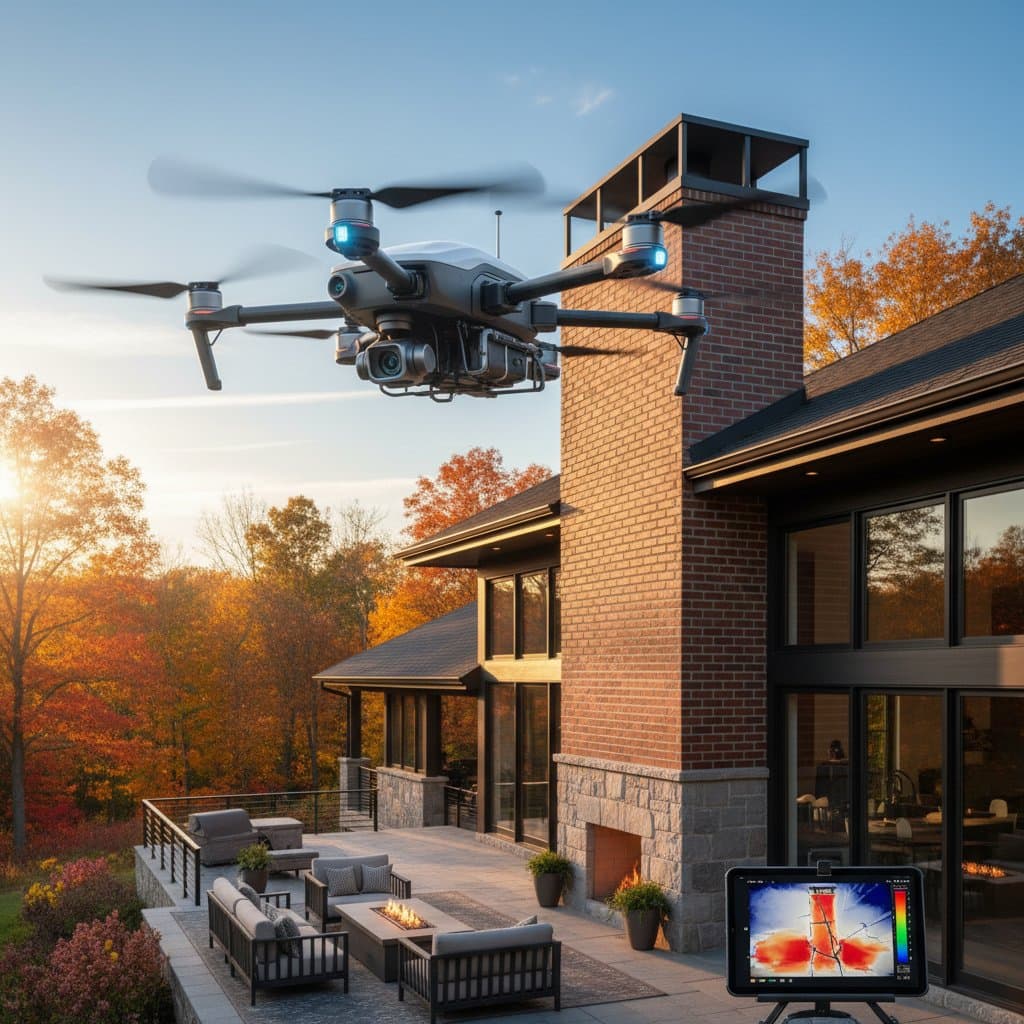
These drones employ sophisticated navigation systems and high-definition cameras to pinpoint fractures, obstructions, and accumulations without requiring ladders or elevated platforms. Both homeowners and service providers benefit from this technology, which streamlines preparation while lowering expenses and hazards.
Costs Associated with AI Drone Chimney Inspections
AI drone evaluations present a viable substitute for conventional hands-on assessments. To determine suitability, consider standard pricing and comparisons to established techniques.
Expenses for Do-It-Yourself Inspections
Individuals with a suitable drone featuring quality cameras and sensors may conduct their own reviews. Entry-level drones with high-definition capabilities begin at several hundred dollars, while models with AI functions for object detection and preset routes command higher prices. Additional outlays cover protective equipment like gloves and eyewear, plus time invested in mastering controls and reviewing footage.
Do-it-yourself expenses encompass:
- Drone acquisition or leasing charges
- Spare batteries
- Safety apparel
- AI processing software fees
Initial outlays appear substantial, yet repeated use for annual checks or broader property tasks yields returns.
Expenses for Professional AI Drone Services
Engaging certified operators generally costs between one hundred and several hundred dollars, varying by chimney intricacy and location. Experts deploy drones with thermal imaging and three-dimensional modeling to generate thorough assessments of residue deposits, fissures, and stability issues.
Professional fees typically cover:
- Drone piloting and image collection
- AI evaluation of structural integrity
- Comprehensive report with visuals
- Guidance on remediation or upkeep
Such services bypass training requirements and operational perils, delivering specialized advice that averts expensive future fixes.
Elements Influencing Costs
Multiple factors shape total pricing:
- Chimney elevation and structural complexity
- Roof access ease
- Number of flues
- Degree of residue or creosote presence
- Local market rates
Basic single-flue evaluations prove less expensive than those for tall buildings with numerous, obscured outlets. Extensive cleaning or stonework restoration incurs extra charges.
Scenarios Where Do-It-Yourself Approaches Prove Costlier
Do-it-yourself methods appear economical, but interpretive errors or mishandled flights risk missing critical flaws. Failing to identify a significant fracture or residual deposits could trigger fires or emissions, with remediation expenses exceeding any initial economies.
Do-It-Yourself Versus Professional: Selecting the Optimal Path
The decision between self-directed and expert-led drone inspections hinges on technological familiarity, roof viability, and chimney state.
Advantages of Do-It-Yourself Drone Evaluations
- Flexibility: Conduct reviews at preferred times without appointments.
- Financial benefits: Drone ownership diminishes ongoing fees over periods.
- Skill development: Acquire proficiency in piloting and diagnostics.
- Prompt results: Spot evident debris or barriers swiftly.
Limitations of Do-It-Yourself Methods
- Restricted depth: Standard drones often lack advanced AI for subtle defects or concealed fissures.
- Hazard exposure: Close-range operations near roofs endanger novices.
- Absence of certification: Insurers or guarantees may demand validated documentation.
Advantages of Professional Evaluations
- Thorough examination: AI tools scrutinize visuals for minor anomalies.
- Risk mitigation: Homeowners avoid physical involvement or device management.
- Expert counsel: Reports outline cleaning needs or priority fixes.
- Swift completion: Processes conclude in under sixty minutes.
Limitations of Professional Services
- Elevated initial expense: Fees surpass single self-managed efforts.
- Availability issues: Coordination challenges peak during autumn.
- Dependency: Outcomes rely on provider schedules and delivery times.
Required Competencies and Equipment for Do-It-Yourself Efforts
Successful self-inspections demand ease with drone handling, basic image analysis, and protocol adherence. Key items include:
- Drone offering reliable stability, high-definition or thermal lenses
- Controller and mobile application for real-time monitoring
- Gloves, protective eyewear, and stable footwear
- AI diagnostic program or review application
Hazards and Precautionary Measures
Maintain clearance from electrical wires and foliage. Refrain from operations in strong winds or precipitation. Do not fly over active or residual fire zones. Optimal visibility and illumination ensure precise outcomes.
Duration Comparisons
Self-directed sessions span one to two hours, encompassing preparation and review. Professionals finish evaluations faster and furnish reports on-site.
Essential Questions on AI Drone Chimney Inspections
Expert responses to frequent inquiries.
How Frequently Should Chimney Inspections Occur Using Drones?
Perform evaluations at minimum once prior to heating periods and once afterward. This monitors accumulations or deterioration from thermal variations.
Can AI Drones Identify Interior Fractures?
Sophisticated units with AI pattern recognition and heat detection reveal thermal disparities indicating fissures or breaches.
Are Drone Inspections Suitable for Aging Chimneys?
Affirmative, provided cautious operation and distance maintenance. Drones avoid direct contact that could harm delicate materials.
Does a Drone Inspection Eliminate the Need for Chimney Sweeping?
No. Evaluations detect problems, yet physical extraction of soot and creosote necessitates manual intervention.
Is Renting an AI Drone a Viable Alternative to Purchase?
Rental options abound from providers. This suits occasional needs, but verify inclusion of current software and instructional support.
What Indicators Appear in Inspection Recordings?
Seek obstructions, fissures, eroded mortar, corrosion, or irregular staining. Dark trails signal water penetration or residue escape.
Are Drone Inspections Permissible in All Locations?
Regulations vary by jurisdiction; consult local aviation authorities for airspace rules and certification needs.
How Reliable Are AI Analytical Systems?
These tools achieve ninety percent or higher precision in defect detection, though human oversight confirms interpretations for complex cases.
Which Indicators Warrant Urgent Attention?
Prioritize wide cracks exceeding one-quarter inch, heavy creosote layers, leaning structures, or flue blockages over fifty percent.
How Does One Prepare for a Professional Drone Inspection?
Clear surrounding areas of obstacles, secure pets indoors, and provide access details. Inform technicians of known issues for targeted focus.
Decision-Making Framework: A Sequential Process
Step 1: Review Current Conditions
Examine chimney age, stature, and upkeep records. Indicators like emission reversals or unusual scents favor expert involvement.
Step 2: Gauge Personal Capabilities and Assets
If drone ownership and operational confidence exist, self-management suffices. Otherwise, professionals guarantee precision and security.
Step 3: Compute Comprehensive Expenses
Account for ancillary elements such as application fees, training duration, and error-related liabilities.
Step 4: Conduct Hazard Evaluation
Balance climbing or aerial risks against expert facilitation conveniences.
Step 5: Finalize Selection
Opt for the option yielding maximal assurance and enduring economies. Professional AI drone services before autumn suit most scenarios.
Chimney Project Preparation Essentials
- Investigate chimney configuration and prior interventions.
- Assemble equipment or verify service specifications.
- Book assessments promptly to precede seasonal rushes.
- Establish financial limits encompassing subsequent actions.
- Account for atmospheric conditions, as calm, clear weather enhances drone performance.
Sustaining Chimney Health Through Seasons
Regular monitoring prevents escalation of minor issues into major threats. Integrate drone inspections into annual routines alongside sweeps and seals. This proactive stance safeguards homes, cuts long-term costs, and ensures reliable heating performance year-round.