Understanding Greywater Systems and Their Savings Potential
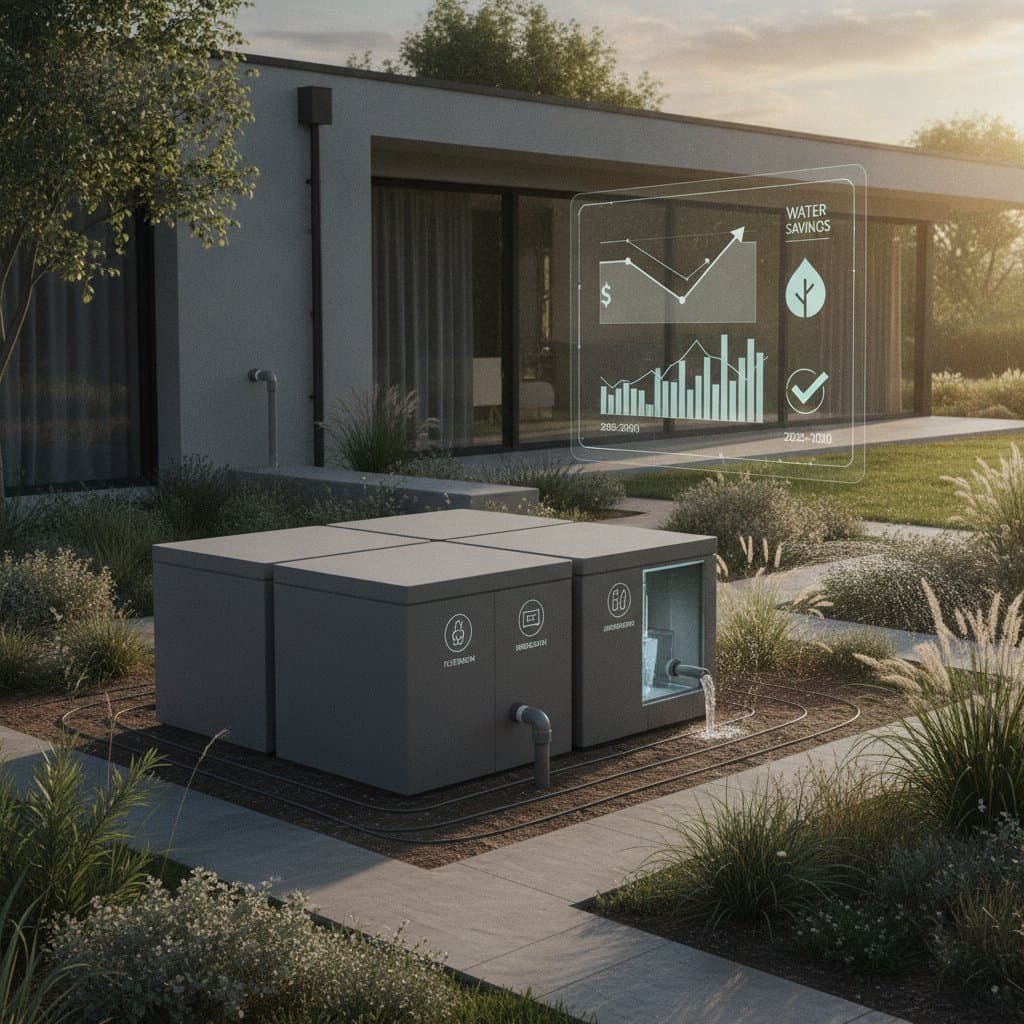
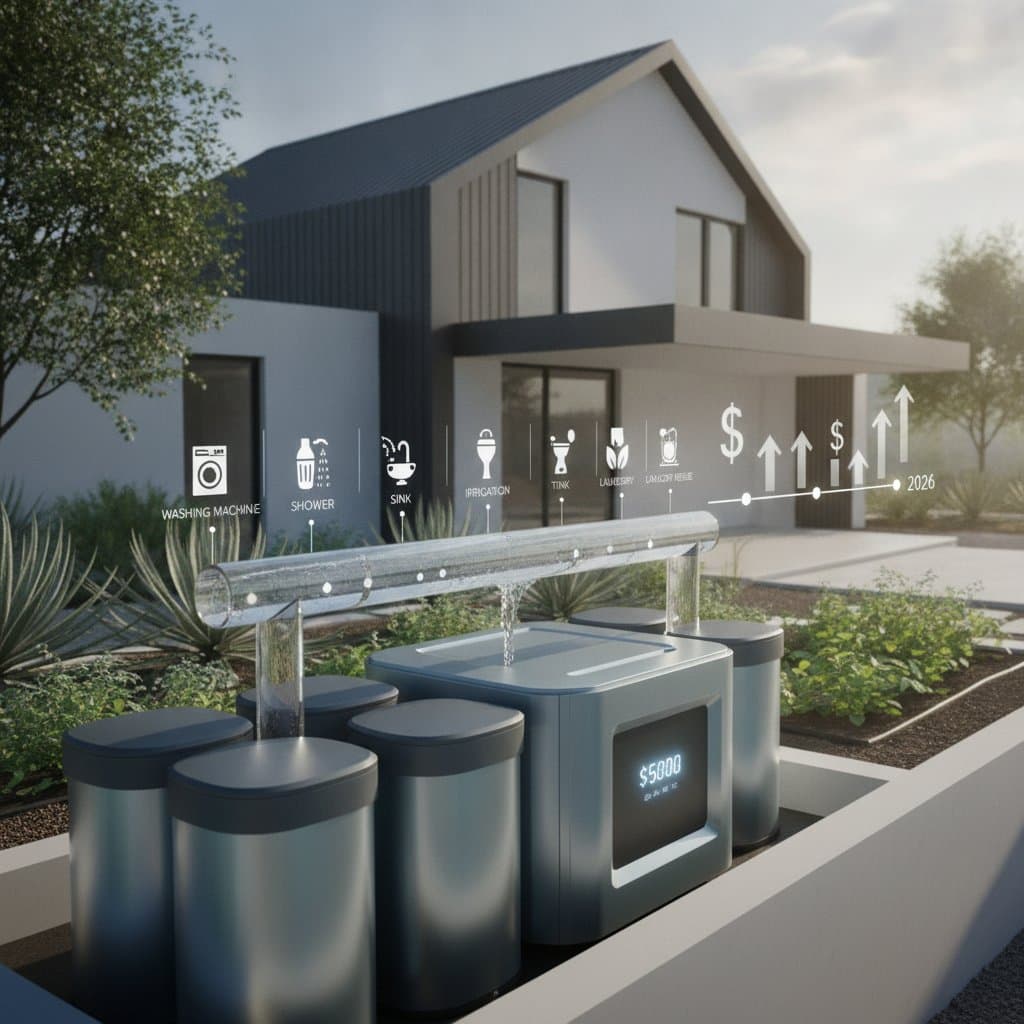
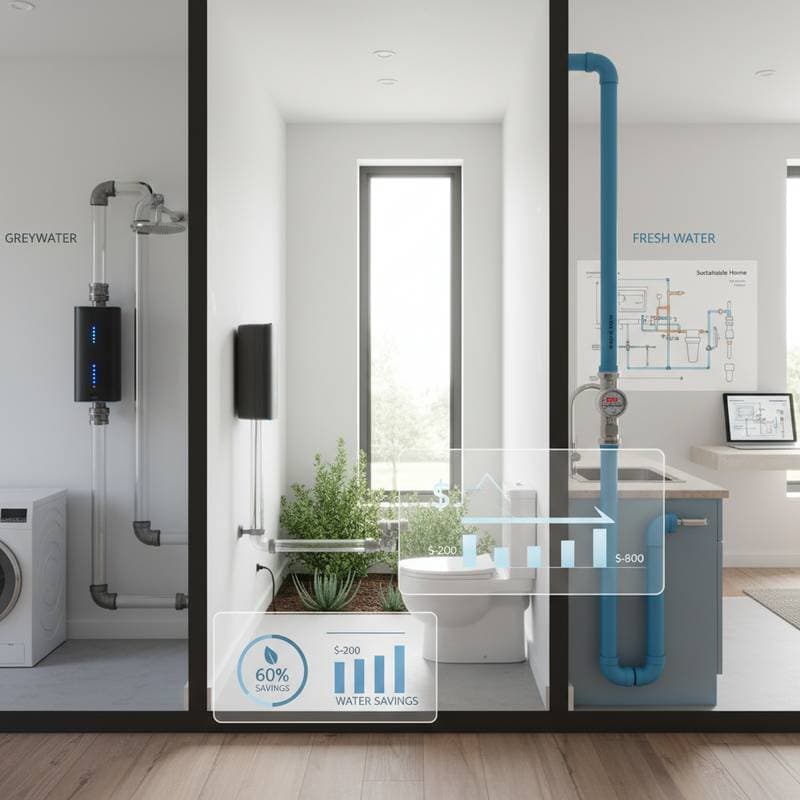
Greywater systems recycle water from household sources such as showers, sinks, and laundry for non-potable uses like irrigation. These systems reduce water consumption by up to 60 percent in typical households, leading to annual savings of $200 to $800 on water bills, depending on local rates and usage patterns. Homeowners in 2026 can expect costs to range from $1,500 for basic setups to $15,000 or more for advanced installations, influenced by system type and local requirements.
Initial expenses include filtration equipment, storage tanks, and plumbing modifications. Labor often accounts for the largest portion, especially in professional installations that integrate automated pumps, sensors, and controls for optimal performance. Selecting the right system requires balancing upfront investment with long-term efficiency and compliance.
Cost Breakdown for Greywater Systems
Basic gravity-fed systems start at $1,500 to $3,000, suitable for simple irrigation in small yards. Mid-range options with basic filtration cost $3,000 to $6,000, handling moderate household greywater volumes. Advanced filtration and storage systems range from $6,000 to $15,000 or more, incorporating features like UV disinfection and automated distribution.
Labor represents the primary expense, often exceeding equipment costs in retrofit projects. Integration with existing plumbing adds complexity, particularly in older homes. Professional systems enhance reliability through components such as pumps for uphill distribution and sensors for monitoring water levels.
Factors Affecting Total Project Cost
System complexity plays a key role; gravity-fed designs cost less than those requiring pumps for elevation changes. The home's plumbing layout influences expenses, as accessible pipes simplify retrofitting compared to concealed or outdated configurations.
Soil type and landscaping needs affect distribution costs; sandy soils drain quickly, while clay may require additional piping. Local regulations introduce variability through permit fees, which can range from $100 to $500, and mandatory inspections.
Water quality objectives determine add-ons like multi-stage filters or UV sterilizers, increasing costs by 20 to 50 percent but ensuring safer reuse. DIY approaches lower initial outlays but demand technical knowledge to avoid inefficiencies or violations.
DIY Versus Professional Installation: Key Considerations
Homeowners must weigh skills, time, and risk when selecting between DIY and professional greywater installations. DIY suits those with plumbing experience, offering customization at reduced cost. Professionals provide expertise for complex setups, ensuring durability and regulatory adherence.
Advantages of DIY Greywater Systems
DIY installations reduce expenses if tools and materials are on hand, potentially saving thousands in labor fees. Designs can adapt precisely to site-specific irrigation demands, such as targeting drought-prone garden areas.
Participants gain practical knowledge of home plumbing, fostering confidence in future maintenance tasks. Simple systems, like diverter valves for laundry water, install in a day with basic supplies.
Challenges of DIY Greywater Systems
Municipal rules often mandate licensed professionals for plumbing alterations, complicating permits. Improper connections risk contaminating drinking water supplies, posing health hazards.
Ongoing maintenance falls entirely on the owner; neglected filters lead to clogs and reduced flow. Basic setups handle limited volumes, unsuitable for larger households generating substantial greywater.
Advantages of Professional Greywater Installations
Experts navigate local codes, securing approvals and avoiding fines. Installations receive engineering input for efficient water routing and filtration, maximizing reuse rates.
Safety features prevent cross-contamination, with warranties covering defects. Systems endure longer under professional oversight, often outlasting DIY counterparts by years.
Challenges of Professional Greywater Installations
Upfront costs rise due to skilled labor and premium materials, sometimes doubling DIY estimates. Availability depends on contractor schedules, delaying projects during peak seasons.
Owners relinquish some design control unless details are outlined in contracts. Customization requires clear communication to align with preferences like eco-friendly components.
Time and Risk Assessment
DIY efforts span multiple weekends, involving pipe rerouting and testing phases. Professionals complete most projects in two to five days, streamlining the process.
Primary DIY risks include leaks or contamination from errors, potentially causing water damage or health issues. Professional approaches mitigate these through inspections, though higher costs demand careful budgeting.
Common Questions About Greywater Systems
Industry professionals address frequent inquiries to guide informed decisions.
Primary Uses for Greywater
Greywater supports irrigation of gardens, flushing of toilets, and watering of lawns. Direct contact with potable sources remains prohibited to safeguard health.
Potential Water Savings
Households reclaim 30 to 60 percent of indoor water usage through greywater recycling. Annual bill reductions reach hundreds of dollars in high-cost regions, amplifying financial benefits over time.
Permit Requirements
Connections to household plumbing necessitate permits and inspections in most areas. These measures verify adherence to health and environmental standards, preventing misuse.
Maintenance Frequency
Clean filters every two to four months based on usage intensity. Inspect tanks and pumps annually for wear, ensuring consistent performance.
Storage Considerations
Short-term storage proves feasible with proper filtration to curb odors and bacteria. Disinfection elements become essential in retention systems exceeding 24 hours.
Greywater Versus Blackwater
Greywater derives from sinks, showers, and laundry, containing lower pathogen levels. Blackwater, from toilets and kitchen sinks, demands advanced treatment due to elevated contaminants.
Safety for Vegetable Gardens
Avoid surface application near edible crops to minimize health risks. Subsurface methods suit ornamental plants, trees, and turf effectively.
System Longevity
Properly maintained installations last 10 to 20 years. Replace filters and pumps every five to ten years to sustain efficiency.
Essential Questions for Installers
Inquire about capacity matching household needs, detailed maintenance plans, warranty terms, and permit management. Request demonstrations of operation and basic troubleshooting.
Indicators of System Issues
Monitor for slow drainage, unpleasant smells, or waterlogged ground. Examine filters, valves, and joints for obstructions or failures.
Electricity Needs
Gravity systems operate without power, ideal for off-grid setups. Pump-driven models consume minimal energy with efficient motors, adding little to utility bills.
Value Assessment
Investments pay off through bill savings and ecological gains, often recouping costs in three to five years. Suitability varies by water rates and sustainability priorities.
Step-by-Step Guide to Choosing a Greywater System
Step 1: Analyze Household Water Use
Track monthly consumption to pinpoint greywater sources like bathroom and laundry outputs. Prioritize high-volume areas for maximum recycling impact.
Step 2: Gauge Personal Capabilities
Evaluate plumbing proficiency and code familiarity for DIY viability. Opt for professionals if complexity exceeds comfort levels.
Step 3: Compute Comprehensive Expenses
Factor in materials, labor, permits, and yearly upkeep. Tools like online calculators aid in projecting five-year returns.
Step 4: Weigh Potential Hazards
Consider contamination or flooding risks in DIY scenarios. Professional designs incorporate safeguards, justifying added expense for risk-averse owners.
Step 5: Finalize Your Approach
Align selection with budget, expertise, and environmental objectives. Test small-scale pilots if uncertainty persists.
Project Preparation Essentials
Code and Regulation Review
Consult municipal guidelines on greywater applications and inspection protocols. Certain jurisdictions limit uses or specify approved technologies.
Optimal Site Selection
Route water to irrigation-heavy zones like flower beds or orchards. Steer clear of wells, water bodies, or food-producing plots to comply with safety norms.
Effective Budgeting Strategies
Allocate 10 to 20 percent of funds for maintenance reserves. Prioritize durable components to minimize future replacements.
Scheduling Factors
Account for permit processing times, often one to four weeks. Engage installers early to coordinate timelines efficiently.
Ensuring Long-Term System Performance
Greywater adoption advances water conservation and household resilience. Conduct routine checks on filters and flows to uphold efficiency.
Address issues promptly to prevent escalation, preserving investment value. Integrate system monitoring into seasonal home maintenance routines for sustained benefits.