Greywater Systems: Costs, Permits, and Water Conservation Guide
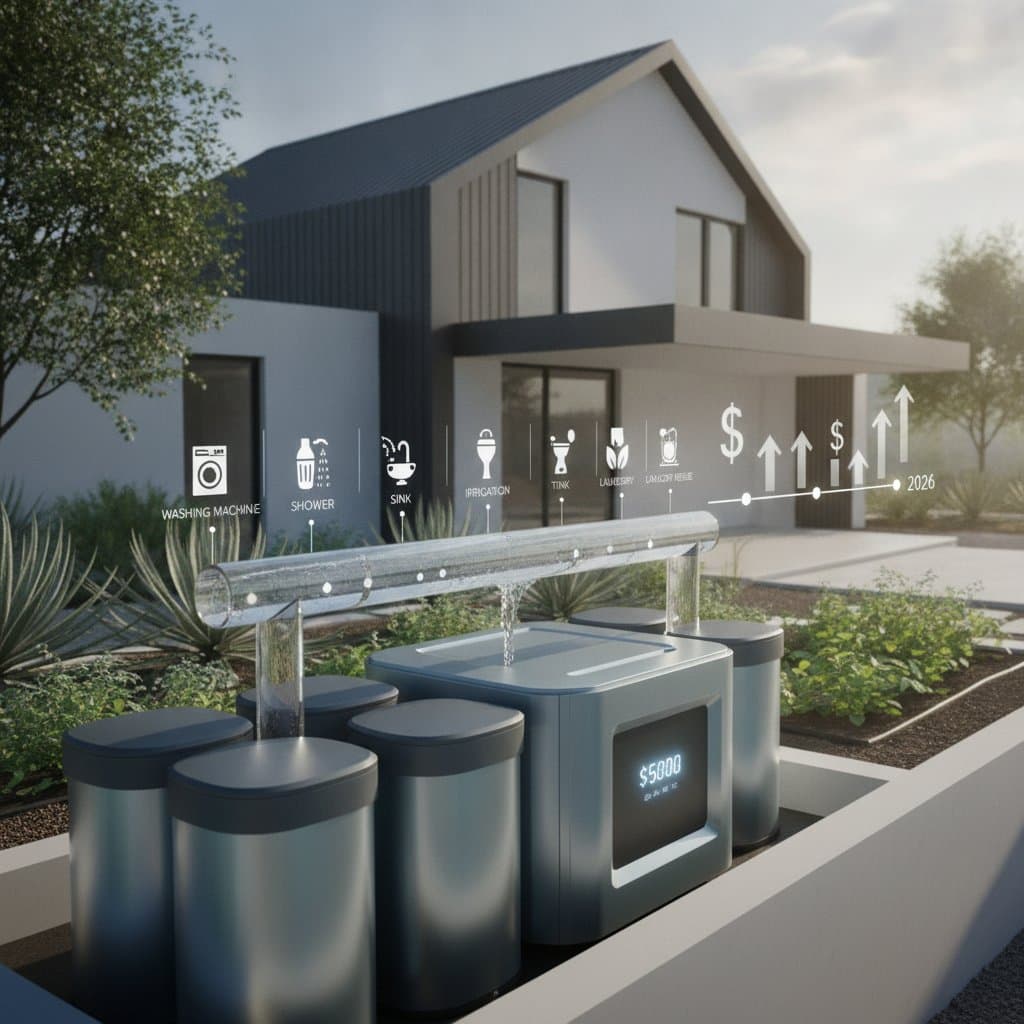
Homeowners seeking to lower water expenses and enhance environmental sustainability frequently explore greywater systems. These setups repurpose mildly contaminated water from sources such as showers, sinks, and laundry appliances for tasks like outdoor watering or toilet flushing. Although the ecological and monetary advantages prove evident, key considerations encompass expenses, approvals, and ongoing care. Grasping these elements enables homeowners to select a configuration aligned with their finances and regional codes.
Greywater System Varieties
Selecting an appropriate greywater arrangement starts with comprehending the options and their operations.
-
Basic Laundry-to-Landscape Configurations
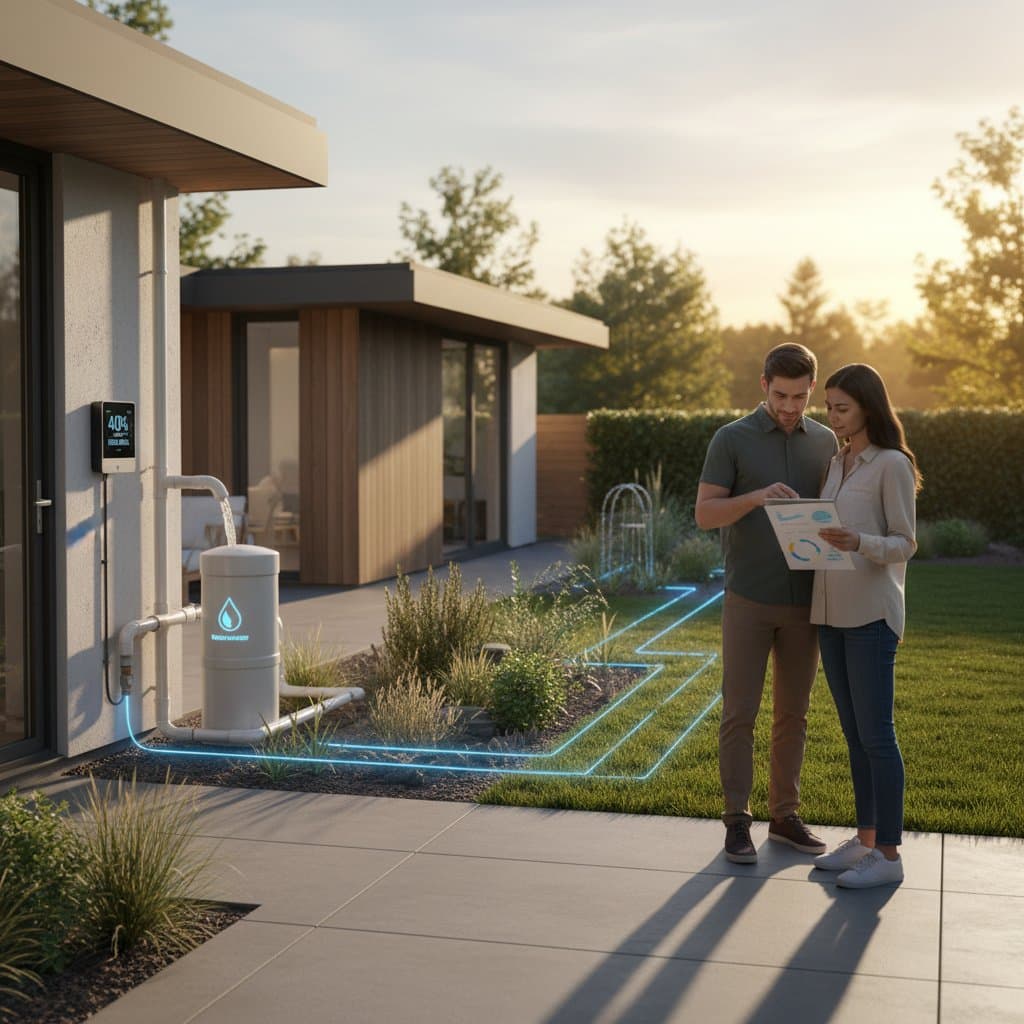
The least expensive choice, these systems prove simplest for setup. They redirect washing machine outflow straight to yard irrigation via subsurface conduits. Expect expenses of $400 to $1,200 for self-installation, rising to $2,000 with expert assistance. Such systems suit irrigating trees, bushes, or expansive garden zones effectively. -
Gravity-Based Branched Drain Arrangements
These utilize natural downhill flow to channel greywater from bathing areas or lavatories to planting beds. Prices span $1,500 to $3,000, influenced by site topography and plumbing accessibility. Absent pumps, upkeep remains minimal, yet precise engineering ensures uniform dispersal. -
Pumped and Filtered Configurations
Sophisticated versions incorporate purification and propulsion mechanisms, permitting indoor applications like lavatory replenishment. For standard residences, costs fall between $4,000 and $8,000. Factors such as setup intricacy, cleansing protocols, and reservoir units elevate the overall outlay. Property owners prioritizing extensive reuse often prefer these. -
Professional-Scale or Full-Residence Systems
Suited to expansive estates or multi-dwelling structures, these demand expert blueprinting and surpass $10,000 in price. Features encompass superior cleansing, sterilization, and programmed oversight. Implementation necessitates specialized endorsements, rigorous approvals, and scheduled service agreements.
Approval Processes and Code Compliance
Regulations govern greywater installations to safeguard community well-being and avert pollution risks. Jurisdictions typically mandate endorsements for setups beyond elementary laundry diversions. Approval charges vary from $100 to $1,000, potentially including evaluation fees.
Endorsements address plumbing alterations, reverse-flow safeguards, and outflow security. Certain locales insist on technical schematics or ground permeability assessments. Submit blueprints prior to commencement; authorities conduct post-installation verifications.
A plumbing expert on a renowned renovation discussion board observed that numerous denials stem from bypassing preliminary blueprint evaluations. Presenting thorough illustrations and designating conduit compositions upfront accelerates ratification.
Standard endorsement stipulations encompass:
- Distinct isolation of greywater conduits from drinking water supplies
- Explicit marking of non-drinkable discharge points
- Employment of certified substances for buried lines
- Required distances from aquifers, boundaries, and aquatic features
Initiate contact with the municipal construction or ecology office before proceeding. Numerous districts offer greywater protocols or validated templates that expedite scrutiny.
Self-Installation Versus Expert Engagement
Property owners weigh self-managed versus commissioned setups based on expertise, configuration complexity, and jurisdictional mandates.
Self-Managed Setup:
Ideal for laundry diversions or straightforward gravity designs. Expenditures cover supplies and rudimentary implements, generally below $1,000. Primary obstacles include accurate severance and linkage of discharge lines. Individuals must possess plumbing proficiency and terrain leveling skills.
Commissioned Setup:
Advisable for pump-integrated, reservoir-equipped, or interior-reuse models. Credentialed pipefitters guarantee adherence to standards, manage documentation, and oversee assessments. Such engagements provide guarantees and shield against subsequent accountability.
A residential optimization authority on LinkedIn emphasized that engaging verified specialists minimizes contamination hazards or operational breakdowns. Although initial investment increases, enduring dependability compensates accordingly.
Frequent Greywater Hurdles
Improperly planned or neglected systems encounter various obstacles.
-
Blockages from Cleansers or Debris
Discharge may carry fibers or surfactant remnants that accumulate in channels. Opt for eco-compatible cleansers designated safe for greywater. Incorporate netting barriers or particulate interceptors to avert most obstructions. -
Imbalanced Dispersal Patterns
In gravity designs lacking equilibrium, zones might inundate while others parched. Modify allocation controls or integrate circulation moderators. -
Unpleasant Aromas or Microbial Proliferation
Stilled fluids foster disagreeable scents. Distribute discharge within one day and eschew unprocessed retention. Introduce ventilation for oxygenation or non-chemical sanitization measures as aids. -
Cold-Weather Disruptions or Off-Season Pauses
In frigid climates, equip with isolation controls or protective wrapping to avert conduit fractures. During subzero periods, reroute to sanitary sewers until conditions ameliorate.
Expense Analysis: Greywater Compared to Conventional Watering
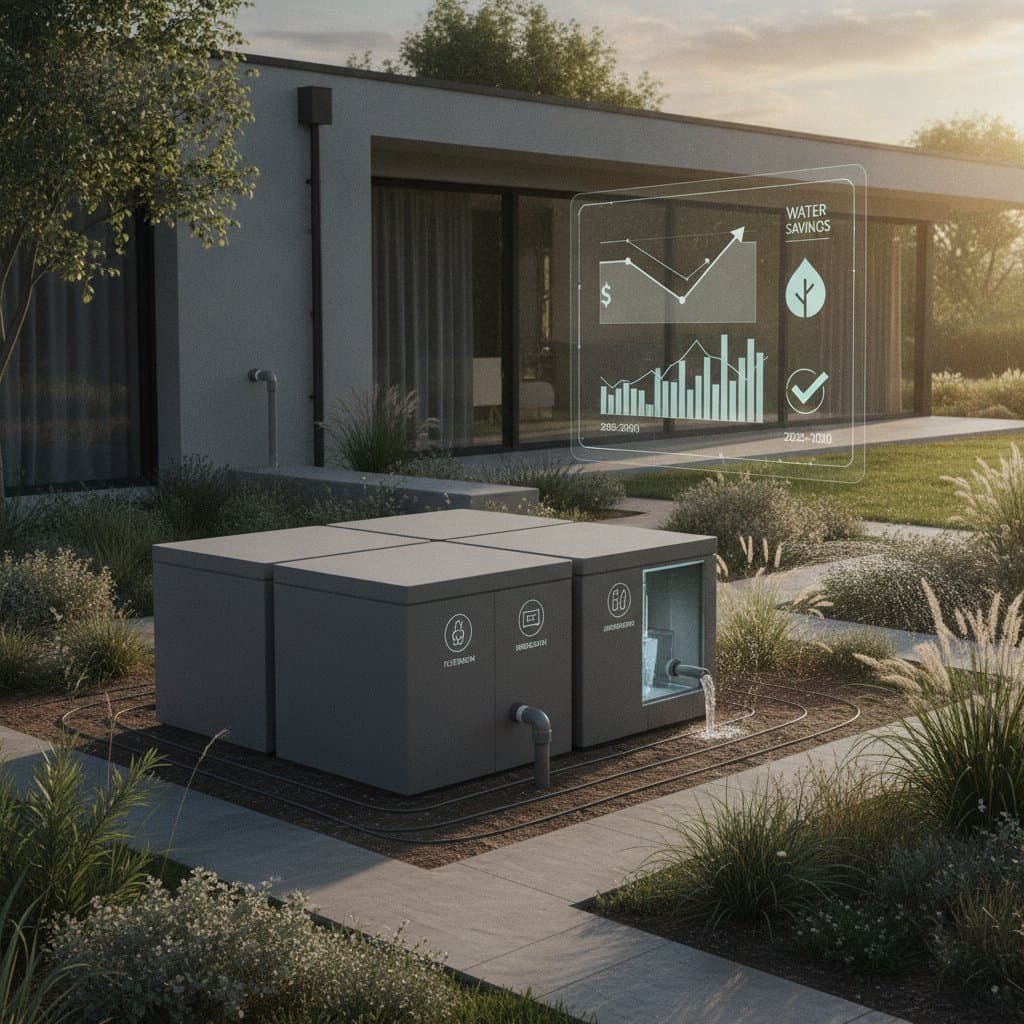
Standard watering depends on treated public supplies, whose rates escalate across locales. Long-range fiscal evaluations underscore greywater's fiscal merits.
| System Variety | Upfront Expense | Yearly Water Outlay | Upkeep Level | Cumulative Gains |
|---|---|---|---|---|
| Conventional watering | $1,000 to $3,000 | $400 to $800 | Minimal | None |
| Laundry-to-landscape greywater | $400 to $2,000 | $50 to $100 | Minimal | Moderate |
| Sophisticated filtered greywater | $4,000 to $8,000 | $50 to $150 | Moderate | Substantial |
| Complete-residence greywater | $10,000 or higher | $0 to $100 | Moderate to elevated | Exceptional |
Across ten years, a moderate-tier installation yields thousands in water reductions. These offsets typically eclipse setup and care costs.
Ecological and Daily Advantages
Greywater extends past fiscal relief to foster prudent resource management. Repurposing domestic fluids eases pressure on public processing facilities and curbs subsurface depletion. It retains soil-enriching elements like phosphates and nitrates, nurturing vegetation.
Households implementing these often embrace complementary practices, including harvest collection or indigenous planting. Outcomes include fortified domestic surroundings and diminished reliance on imported supplies.
Numerous residents indicate heightened consciousness of consumption patterns post-adoption. System oversight promotes selective cleanser application and concise bathing routines.
Safeguarding Longevity
Post-integration, greywater integrates into the dwelling's infrastructure. Maintain comprehensive logs of configurations, part details, and service chronicles to clarify future modifications or fixes. Prominently tag all non-drinkable pathways for occupant and technician safety.
Upon transfer of ownership, furnish successors with operational manuals. Select districts mandate revelation of such features in transactions. Systematic archiving upholds standards and preserves asset worth.
Sustaining System Performance
Regular inspections form the cornerstone of reliability. Quarterly checks of filters, valves, and dispersal points detect issues early. Annual professional reviews ensure code conformity and optimal efficiency. Budget $100 to $300 yearly for routine care, adjusting for system scale. Proactive attention maximizes savings and environmental impact over the system's lifespan.