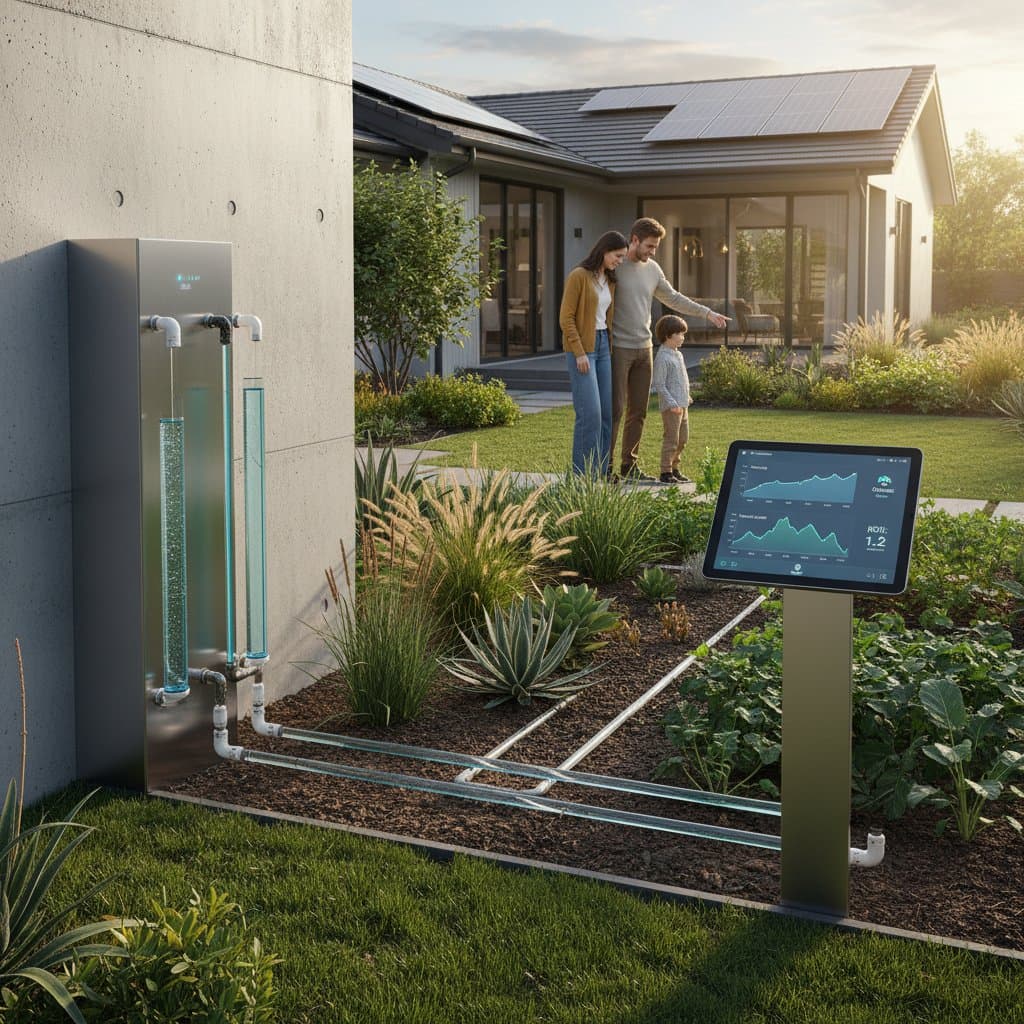
Greywater Costs in 2026: Strategies for Real ROI
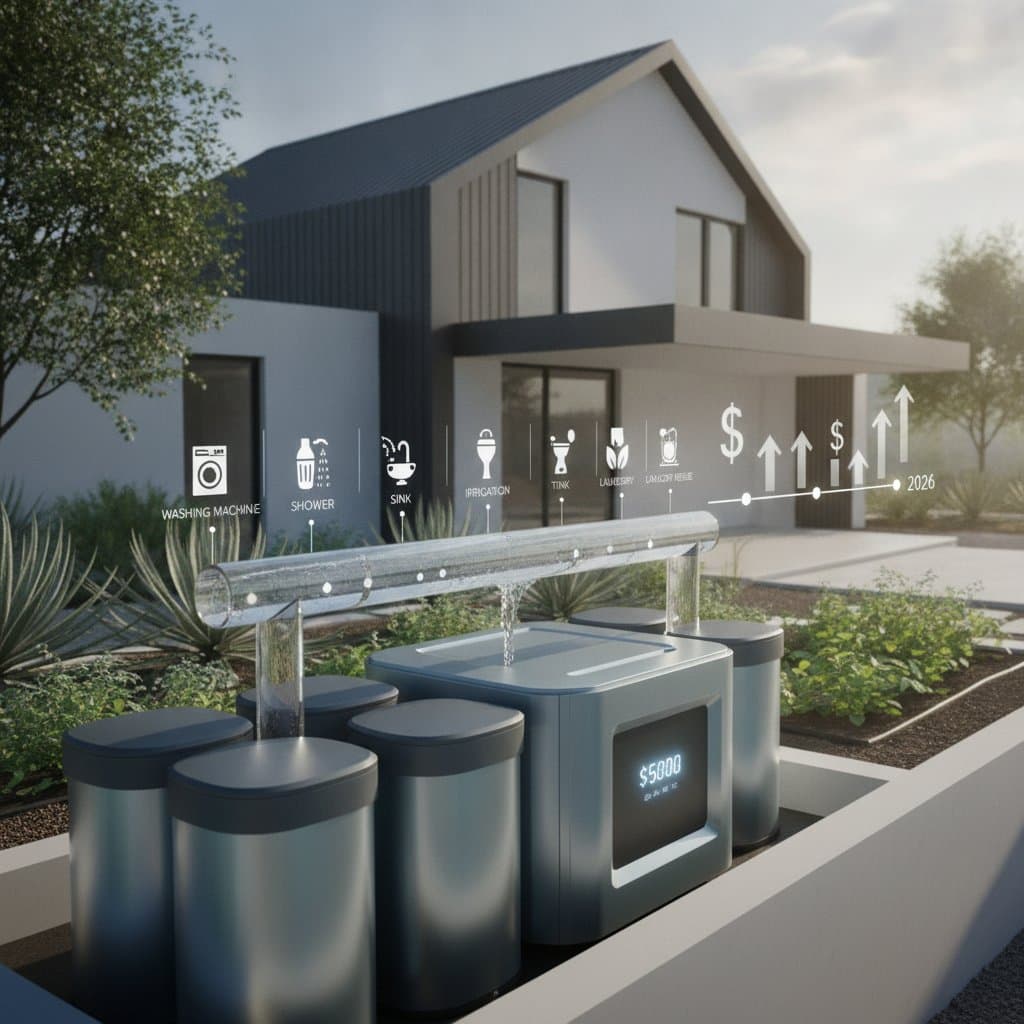
Homeowners seeking sustainable methods to lower utility bills increasingly adopt greywater recycling systems. These systems repurpose water from sources such as showers, bathtubs, and laundry machines for tasks like garden irrigation or toilet flushing. Although the upfront investment may appear substantial, a thorough analysis of long-term savings reveals compelling financial and environmental returns. Grasping the complete cost structure and accumulation of benefits empowers homeowners to evaluate greywater integration as a valuable property enhancement.
Breaking Down the Costs
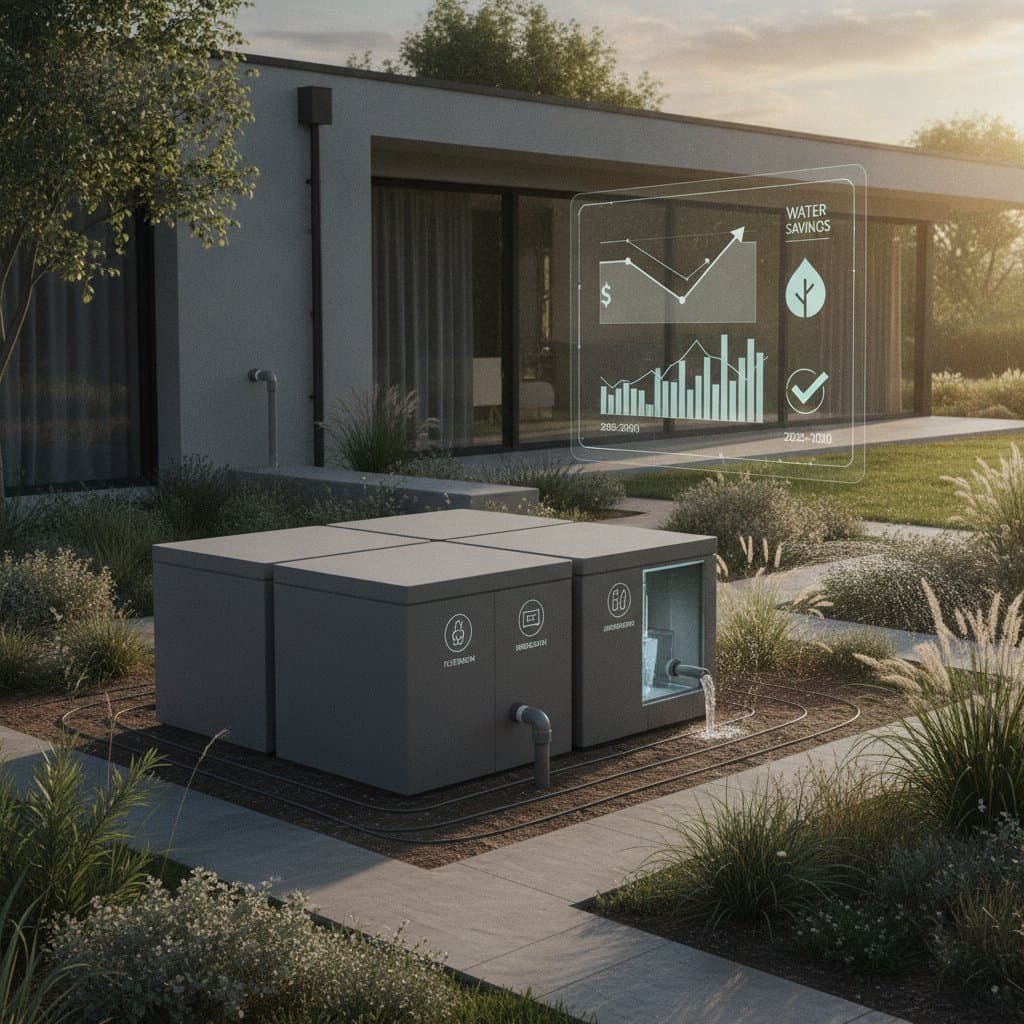
Greywater systems involve multiple expense categories, including installation, plumbing modifications, filtration components, and storage solutions. For a modest household, a straightforward laundry-to-landscape configuration might range from $500 to $2,000, whereas a comprehensive whole-home system handling various sources could exceed $5,000 due to added tanks, pumps, and control mechanisms. These advanced features enhance water distribution and usability, justifying the higher initial outlay.
Professional installation typically accounts for 40 to 60 percent of the total budget. A qualified plumber verifies adherence to local codes and safeguards against contamination of potable water supplies. Individuals opting for do-it-yourself approaches can reduce labor expenses by 30 to 50 percent, provided they invest in appropriate pipes, filters, and verification tools. Local rebate initiatives from water districts frequently cover 20 to 50 percent of costs, thereby shortening the recovery timeline to three to five years.
Accumulating Savings Over Time
By recycling greywater, households decrease reliance on municipal water supplies, yielding direct reductions in monthly bills. In regions facing water scarcity or elevated rates, savings can reach $50 to $200 annually for irrigation alone. Households that redirect greywater to landscaping often achieve 30 to 50 percent less outdoor water consumption, compounding to substantial sums over multiple years.
ROI hinges on variables like family size, regional water pricing, system scale, and utilization rate. For instance, a four-person household in a high-cost area might recoup expenses in two to four years by pairing greywater with efficient drip irrigation. Beyond finances, these systems provide water independence, particularly valuable in arid climates where shortages disrupt traditional supplies.
Evaluating DIY Versus Professional Installations
Do-it-yourself greywater setups suit handy homeowners familiar with basic plumbing. A gravity-based system channeling laundry water outdoors requires tools like diverter valves and mulch basins, completable in a weekend for under $1,000. Key steps include mapping drainage paths, installing inline filters to capture lint, and testing for leaks to avert issues like blockages or unpleasant smells.
Professional installations prioritize durability and regulatory compliance. Experts incorporate advanced filtration, such as sand or bio-filters, to purify water for safe reuse, often backed by five-year warranties. They also adapt systems to evolving codes, minimizing future retrofit needs. Although initial costs rise by $2,000 to $4,000, professionals deliver peace of mind through optimized performance and reduced repair likelihood.
Essential Maintenance Practices
Regular upkeep sustains greywater system performance and longevity. Clean or replace filters every one to three months to preserve water clarity and prevent clogs. Inspect storage tanks biannually for sediment accumulation, flushing as needed to maintain capacity.
For irrigation applications, alternate watering zones weekly to promote even soil moisture and avoid nutrient imbalances. These routines demand two to four hours quarterly, with supplies costing $20 to $50 per year. Annual inspections by a specialist, at $100 to $200, verify pump operation and sensor accuracy, averting expensive breakdowns.
Broader Environmental and Lifestyle Advantages
Greywater adoption eases pressure on urban water networks and treatment facilities, fostering ecological balance. Homeowners sustain lush landscapes during restrictions, supporting biodiversity without excess resource use. This practice aligns with eco-friendly lifestyles, enabling reduced consumption while upholding daily comforts like vibrant gardens.
In real estate, properties featuring greywater systems appeal to environmentally aware buyers. Such upgrades signal forward-thinking design, potentially expediting sales in markets valuing sustainability. The intangible benefits, from enhanced resilience to personal satisfaction, amplify the overall worth.
Steps to Implement Greywater Recycling
Begin with a home water audit to quantify recyclable volumes from daily activities. Measure shower and laundry outputs over a week to determine system capacity needs. Engage a licensed plumber for site assessment, focusing on soil type and code requirements.
Integrate greywater with complementary measures, such as rainwater harvesting or low-flow appliances, to amplify efficiency. Track initial savings via utility statements to refine usage. As water prices escalate, greywater emerges as a prudent choice, blending cost recovery with resilient, sustainable home management.