Introduction to Fall Chimney Maintenance
As cooler weather arrives, many homeowners anticipate the comfort of a crackling fire. However, neglected chimneys pose serious risks, including fires and carbon monoxide exposure. Proactive preparation transforms your fireplace from a potential hazard into a reliable source of warmth.
This guide outlines essential steps for chimney readiness. By addressing these tasks, you safeguard your home and family while enhancing efficiency. Begin with a thorough assessment to identify issues early.
Why Chimney Preparation Matters
Chimney fires cause thousands of incidents annually, often due to creosote buildup, a flammable residue from wood smoke. These fires can spread rapidly, damaging structures and endangering lives. Carbon monoxide, an odorless gas, accumulates in poorly ventilated systems, leading to health emergencies.
Regular maintenance prevents such dangers. It also improves airflow, reducing smoke backup and boosting heating performance. Homeowners who invest time in preparation avoid unexpected disruptions during peak season.
Beyond safety, proper care extends the lifespan of your chimney and fireplace components. Costly repairs from neglect far exceed the expense of routine checks. Consider the peace of mind that comes with a verified, functional system.
Step-by-Step Chimney Preparation Checklist
Follow this structured approach to ready your chimney for fall use. Start from the roof and work downward for comprehensive coverage. Schedule professional help where expertise is required.
1. Schedule a Professional Inspection
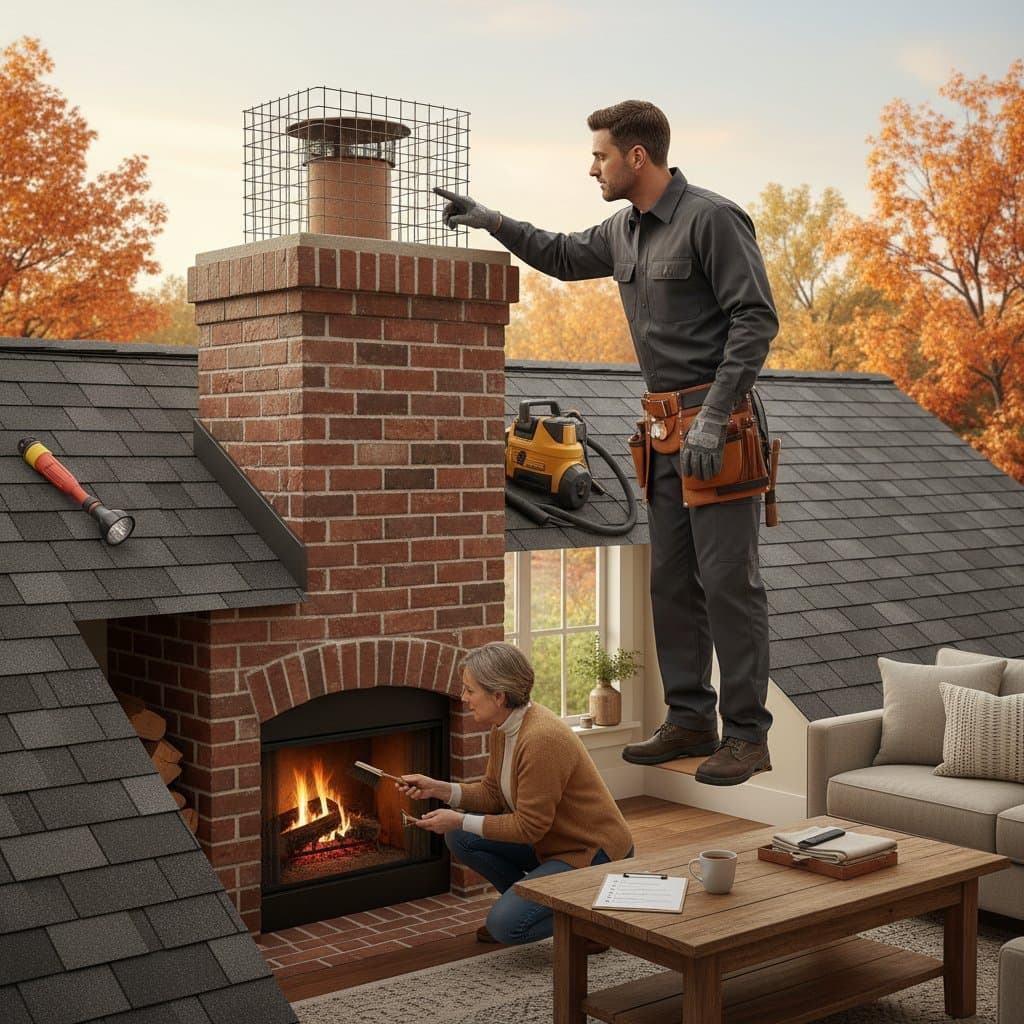
Hire a certified chimney sweep for an annual inspection, ideally before heavy use. Professionals use cameras to examine the flue for cracks, blockages, or structural damage. They assess the chimney crown, flashing, and liner integrity.
Inspections reveal hidden issues like deteriorating mortar or animal nests. Address findings immediately to prevent escalation. This step forms the foundation of safe operation.
2. Remove Creosote Buildup
Creosote accumulates inside the flue and requires removal to avert fires. Professionals scrape and brush the interior, often using specialized tools for thorough cleaning. DIY attempts risk incomplete removal and further damage.
After cleaning, verify smooth airflow by observing smoke patterns during a test fire. Creosote levels vary by fuel type; seasoned hardwoods produce less than softwoods or treated materials. Maintain cleanliness with proper burning habits year-round.
3. Inspect and Install Chimney Cap
A sturdy cap protects against debris, animals, and rain entry. Check for rust, bends, or missing screens on existing caps. Replace damaged units with models suited to your chimney size.
Caps also prevent downdrafts that push smoke into the home. Secure installation ensures longevity. Without a cap, water infiltration leads to masonry deterioration over time.
4. Test and Maintain the Damper
The damper regulates airflow and seals the flue when idle. Open and close it to confirm smooth operation without sticking. Lubricate hinges if needed, and inspect for warping or holes.
A functional damper conserves energy by blocking drafts. Replace worn dampers promptly. This component directly impacts heating efficiency and indoor air quality.
5. Verify Smoke and Carbon Monoxide Detectors
Install or test detectors near the fireplace and on every level of your home. Replace batteries annually and units every ten years. Ensure alarms sound clearly during tests.
These devices provide early warnings for malfunctions. Place carbon monoxide detectors away from fuel-burning appliances but within reach for maintenance. Compliance with local codes enhances protection.
6. Check Surroundings and Firebox
Clear flammable materials like furniture or decorations within three feet of the fireplace. Inspect the firebox for cracks in bricks or the hearth. Seal minor gaps with high-temperature mortar.
Examine the fire screen for secure fit and intact mesh. Proper spacing prevents embers from escaping. These precautions minimize ignition risks in the living area.
Additional Maintenance Considerations
Burn only dry, seasoned wood to minimize creosote formation. Avoid green wood or trash, which increase residue and pollutants. Store firewood off the ground in a covered area to prevent moisture absorption.
For gas fireplaces, inspect the pilot light and gas lines for leaks. Professional servicing ensures compliance with safety standards. Hybrid systems may require combined evaluations.
Document all maintenance activities, including dates and service providers. This record aids future inspections and insurance claims if needed. Stay informed on evolving building codes in your region.
Securing Long-Term Fireplace Benefits
Diligent fall preparation yields immediate and lasting advantages. Your home remains protected from preventable disasters, allowing focus on enjoyment rather than worry. Efficient chimneys lower fuel consumption, contributing to cost savings over winter.
Families benefit from reduced health risks and enhanced comfort. A well-maintained fireplace becomes a cherished gathering spot. Commit to seasonal checks as a standard practice for enduring safety.