2026 HVAC Filters: New Standards for Better Air Quality
Cleaner indoor air ranks as a health priority that influences family well-being and home functionality. The upcoming changes in HVAC filter standards will transform expectations for heating and cooling systems. These updates target airborne pollutants, energy efficiency, and performance issues. Homeowners must grasp how these advanced filters affect comfort and upkeep routines.
Why Air Quality Standards Are Changing
Research highlights the health impacts of indoor airborne contaminants, elevating air quality concerns. Dust, pollen, pet dander, smoke, and volatile organic compounds degrade home air conditions. Traditional filters capture larger particles effectively but falter against microscopic ones that persist in circulation. The revised standards prioritize enhanced particle capture alongside steady airflow.
Experts balance superior filtration with energy demands. A report from the Indoor Air Quality Association indicates that more than half of residential HVAC systems use filters mismatched for optimal operation. Such imbalances raise energy costs or compromise cleaning. The new standards unify filter designs to enable cleaner air without straining equipment.
Understanding the New Filter Ratings
The updated requirements refine filter evaluation methods. The MERV scale persists, supplemented by detailed metrics for microscopic particle capture and airflow resistance. Labels will display filter lifespan, energy effects, and confirmed efficiency ratings.
These enhancements allow standard residential systems to handle finer particles once limited to specialized setups. Brand consistency aids informed purchasing decisions. Homeowners can compare options more reliably under this framework.
Implications for Homeowners
Filter selection and replacement timing represent the primary changes for homeowners. New filters offer extended lifespans when installed and used properly. Unmaintained systems, with accumulated dust on coils or vents, diminish the advantages of advanced technology.
HVAC professionals note that infrequent changes often result in subpar air quality. Discussions in home maintenance forums confirm that many extend filter use past recommendations. Clear replacement guidelines on packaging address this pattern.
Key Benefits of the Updated Standards
Beyond purer air, the new filters yield tangible gains as they enter the market.
-
Improved Health Protection
Advanced designs trap fine particles linked to respiratory issues, such as dust, bacteria, and smoke remnants. This leads to fewer allergy flare-ups and irritations. -
Energy Efficiency Gains
Balanced resistance and capture reduce motor effort for air circulation, cutting overall energy use. -
Longer System Lifespan
Effective debris removal spares internal parts from wear, postponing repairs and extending unit durability. -
Consistent Comfort Levels
Optimized airflow ensures even temperatures, resolving uneven heating or cooling in various rooms.
Choosing the Right Filter Under the New Standards
Detailed labels simplify selection by matching filters to system specifications. Data on airflow and performance clarifies choices. Products specify usage duration under typical household scenarios.
Compare MERV ratings with the airflow efficiency index, which assesses air passage at varying fan speeds. A mid-range option might suit low-dust homes with strong capture and moderate resistance. Pet-owning or smoking households may opt for higher filtration, accepting minor energy trade-offs.
The Role of Maintenance Schedules
Even superior filters demand regular checks and swaps. A robust schedule underpins HVAC effectiveness. Smart thermostats and sensors enable tracking based on real-time airflow, surpassing calendar-based methods.
Implement this plan:
- Monthly visual inspections for clogs or discoloration.
- Quarterly vent and register cleanings to preserve flow.
- Seasonal expert evaluations of coils, ducts, and fans.
- Automated replacement alerts via smart home integrations.
Consistent adherence maximizes filter benefits and sustains efficiency.
Professional Service Insights
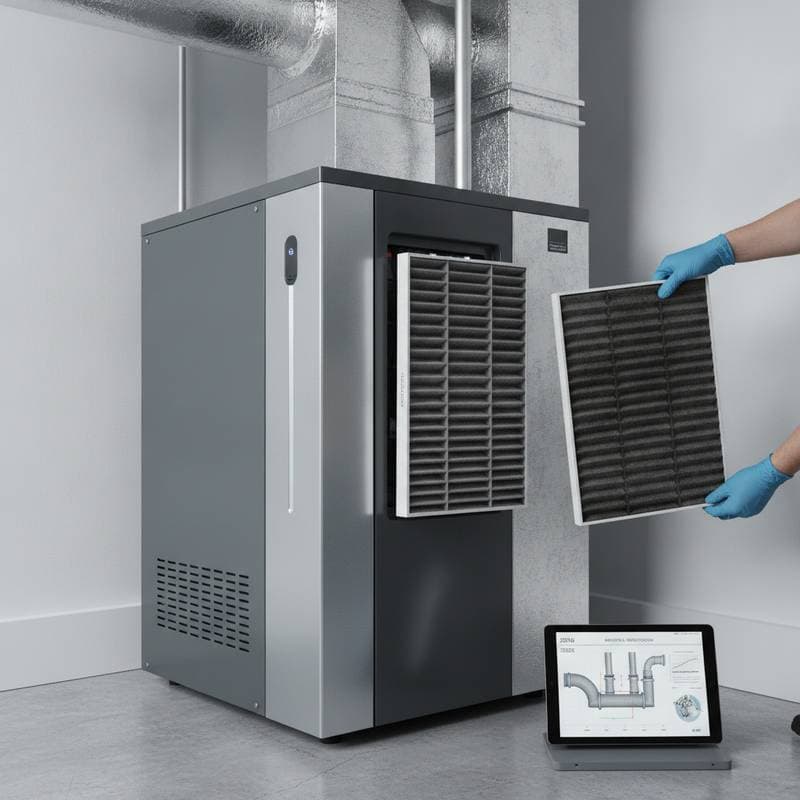
Homeowners often manage replacements independently, yet expert assistance enhances outcomes with new filters. Technicians assess pressure and confirm safe airflow post-installation. They detect duct modifications needed for high-efficiency models.
An HVAC engineer emphasized that mismatched filters undermine systems. Certain units require tweaks to manage advanced filtration without pressure drops. Professional consultation safeguards performance and warranty terms.
Cost Considerations and Long-term Value
Initial costs for these filters exceed traditional types. However, savings from lower energy and fewer changes provide quick returns. Energy Star analyses reveal up to 15 percent reductions in HVAC consumption with proper filters.
Fewer contaminants reaching coils and ducts lessen cleaning frequency. These efficiencies accumulate substantial savings over time.
How These Standards Affect Indoor Environments
The standards promote healthier spaces by regulating humidity and curbing microbial growth. This proves vital in humid or dusty regions prone to mold and particle buildup.
Enhanced circulation also protects electronics and furnishings from dust damage. Sensitive components endure less settling, prolonging their condition.
Smart Integration and Monitoring
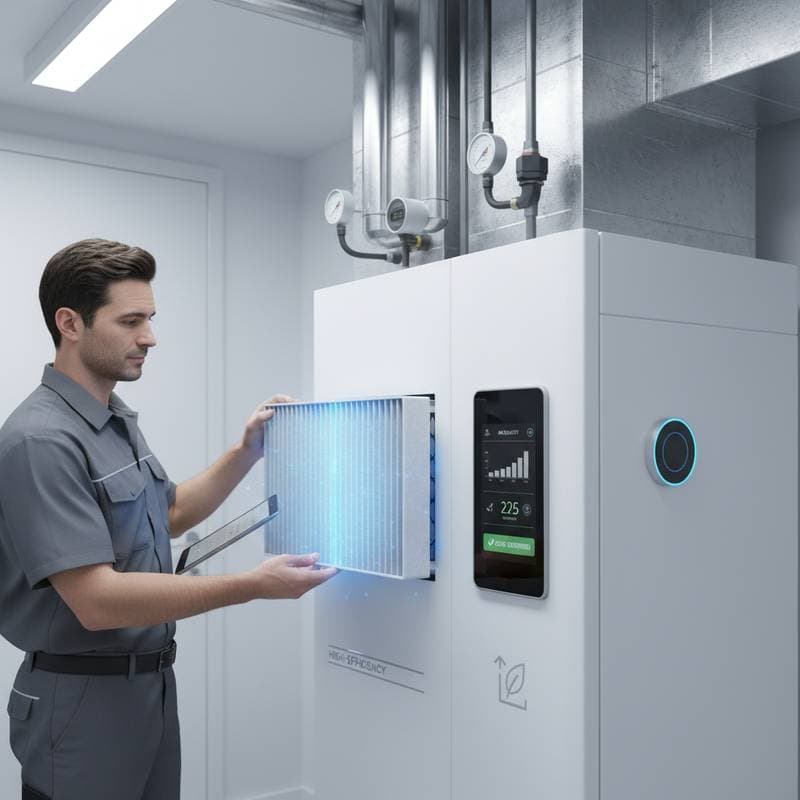
Connected HVAC systems align with these standards. Sensors monitor performance, pressure changes, and replacement needs. Some filters feature chips that relay data to thermostats on quality and runtime.
This setup eliminates estimation, allowing app-based checks for timely interventions. Optimal performance follows from precise maintenance.
Preparing for the Transition
Begin preparations now by assessing current performance, duct cleaning, and upgrading to compatible high-rated filters. This sets a strong foundation for seamless adoption.
Log replacement dates and observe system responses to higher grades. Many notice immediate gains from incremental improvements.
Common Missteps to Avoid
Certain errors can undermine the standards. Steer clear to optimize results.
-
Using the wrong size or fit
Gaps permit unfiltered air passage. Confirm dimensions precisely. -
Overlooking airflow direction
Reversed installation hampers efficiency and burdens the motor. -
Extending usage too long
Delays cause pressure issues and air degradation. -
Skipping regular maintenance
Dirty ducts or vents negate filter strengths. Full-system care is essential.
Sustaining Peak Performance
Embracing these standards invests in health and efficiency. Regular routines, timely replacements, and expert guidance yield enduring comfort. Filters, though small, drive system vitality. Adapt to these innovations for cleaner, cost-effective homes centered on well-being.