2026 Greywater Costs: Permits and Savings for Homes
Greywater systems provide homeowners with an effective method to reuse water from sinks, showers, and laundry for purposes such as irrigation or toilet flushing. With rising water prices and increasing emphasis on conservation, these systems offer substantial long-term savings and promote sustainability. This guide details the costs, permit requirements, and benefits to assist in planning a system suited to your home and budget.
Typical Costs for Greywater Installation
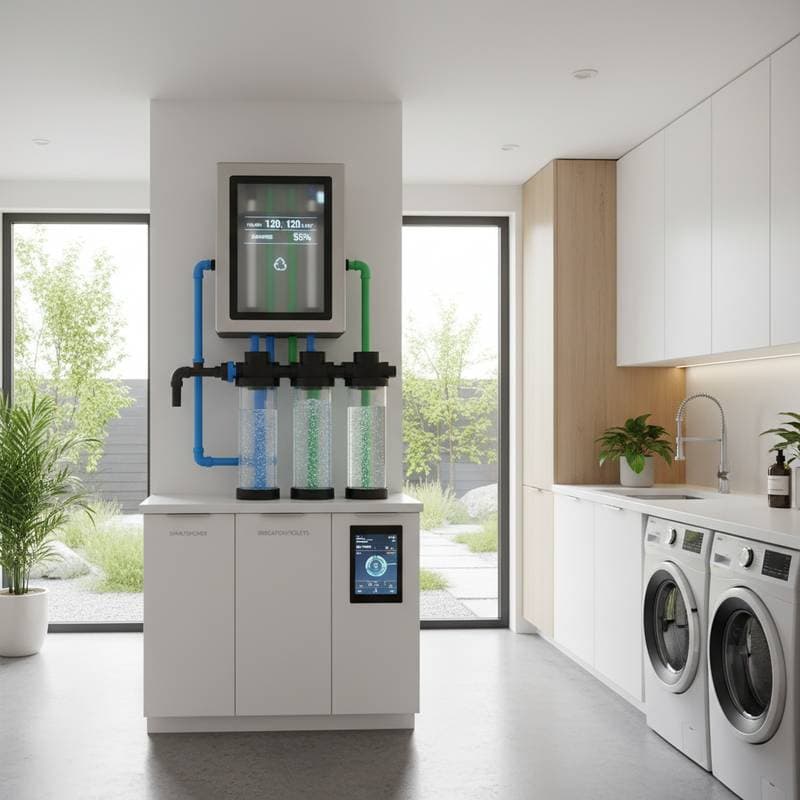
Installation costs vary based on system size and required plumbing modifications. A basic laundry-to-landscape setup typically ranges from $500 to $1,500, while a comprehensive whole-home system with advanced filtration and storage can cost $3,000 to $10,000 or more. Factors such as labor rates, material quality, and adherence to local regulations significantly influence the total expense.
Key cost components include:
- Design and planning – Engage a professional for a site assessment to evaluate water flow, soil conditions, and safety protocols.
- Permits – Most local building departments mandate permits, with fees ranging from $100 to $500 depending on jurisdiction.
- Equipment – Essential items like storage tanks, sediment filters, pumps, and diverter valves range from basic models at $200 to high-end units exceeding $2,000.
- Labor – Professional installation, including plumbing rerouting and landscaping integration, often accounts for 40 to 60 percent of the total cost.
- Inspection and testing – Post-installation verification ensures compliance with health and environmental standards, adding $200 to $500.
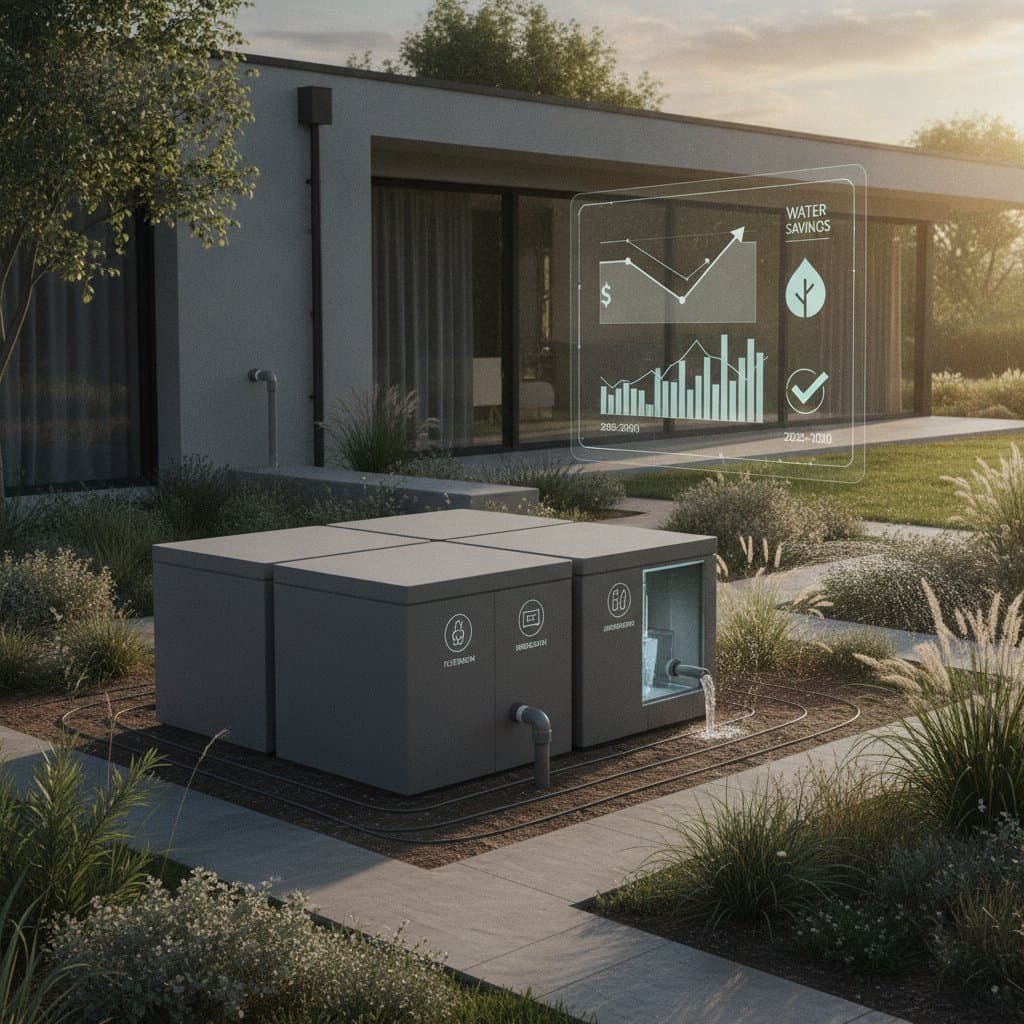
Homeowners benefit from comparing options through a visual aid. Consider a side-by-side bar chart that illustrates low-, mid-, and high-cost system types alongside projected savings over five to ten years.
Long-Term Savings and Payback Period
These systems reduce water bills by minimizing reliance on municipal supplies. Households with extensive gardens or high consumption patterns often achieve payback within three to five years. The extent of savings hinges on the volume of reused water and system efficiency.
A standard mid-range system typically cuts water usage by 20 to 40 percent, translating to annual savings of $200 to $600 for average families. Regular maintenance, such as filter cleaning and leak inspections, keeps ongoing costs minimal, often under $100 per year.
For instance, a household irrigating a half-acre yard might save $400 annually on water bills. Over ten years, these cumulative savings surpass initial investment, yielding both financial returns and reduced environmental impact.
Visualize progress with a line graph depicting cumulative savings versus upfront costs across a decade.
Addressing Common Concerns and Ensuring Safety
Homeowners frequently express concerns about potential odors or health risks from contamination. Well-designed systems mitigate these through features like multi-stage filtration and proper piping slopes that maintain water freshness and prevent stagnation. Importantly, exclude water from toilets or kitchen sinks, classified as blackwater, which requires professional wastewater treatment.
Essential safety practices include:
- Select biodegradable soaps and detergents to minimize chemical residues.
- Direct greywater irrigation subsurface to avoid human contact and evaporation.
- Refrain from applying untreated greywater to edible crops; opt for treated systems if necessary.
- Conduct biannual inspections of filters, pumps, and valves to detect wear or blockages.
Adhering to these guidelines ensures the system operates safely, efficiently, and in full compliance with local regulations.
Insights from Homeowners and Experts
Individuals who have implemented greywater systems frequently report delight in reduced utility bills and healthier landscapes. Water conservation specialists on professional forums emphasize that issues arise primarily from inadequate design or neglected upkeep, rather than inherent flaws in the technology. Certified professionals tailor installations to specific home layouts, soil types, and landscaping demands.
One experienced plumbing contractor observes that homeowners, upon noticing initial bill reductions, commonly upgrade their systems for broader applications. Such testimonials underscore the practicality and value of greywater solutions in everyday settings.
Steps to Install and Maintain Your System
Begin the process by defining your objectives, such as targeting laundry water diversion or processing all eligible household greywater. Obtain multiple quotes from licensed installers and investigate rebates or grants from utilities, which can offset 20 to 50 percent of costs in water-scarce regions.
Establish a routine maintenance plan: Clean filters every three months, test pump functionality quarterly, and monitor overall flow annually. These practices sustain peak performance, prolong system durability, and maximize returns on your investment. By integrating greywater reuse, homeowners not only lower expenses but also contribute to broader water conservation efforts.