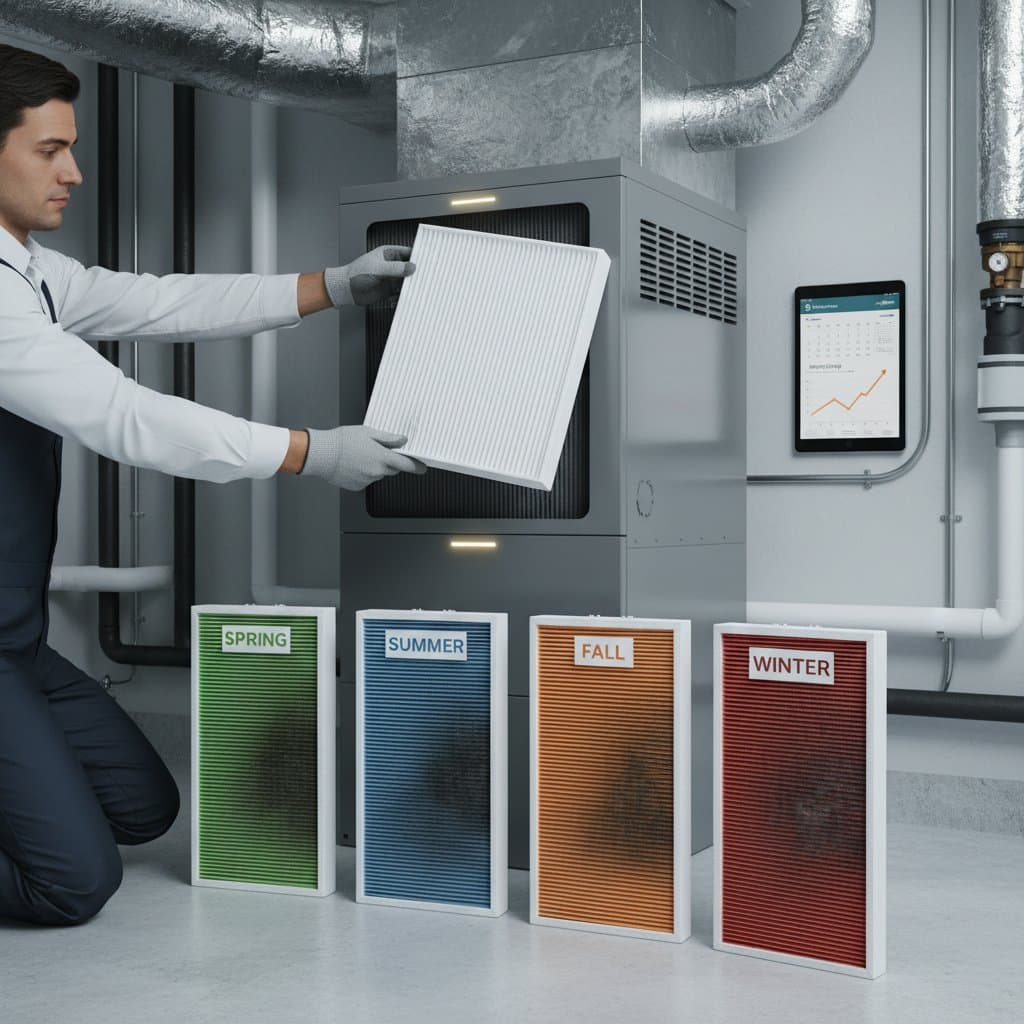
Why Quarterly Filter Swaps Matter
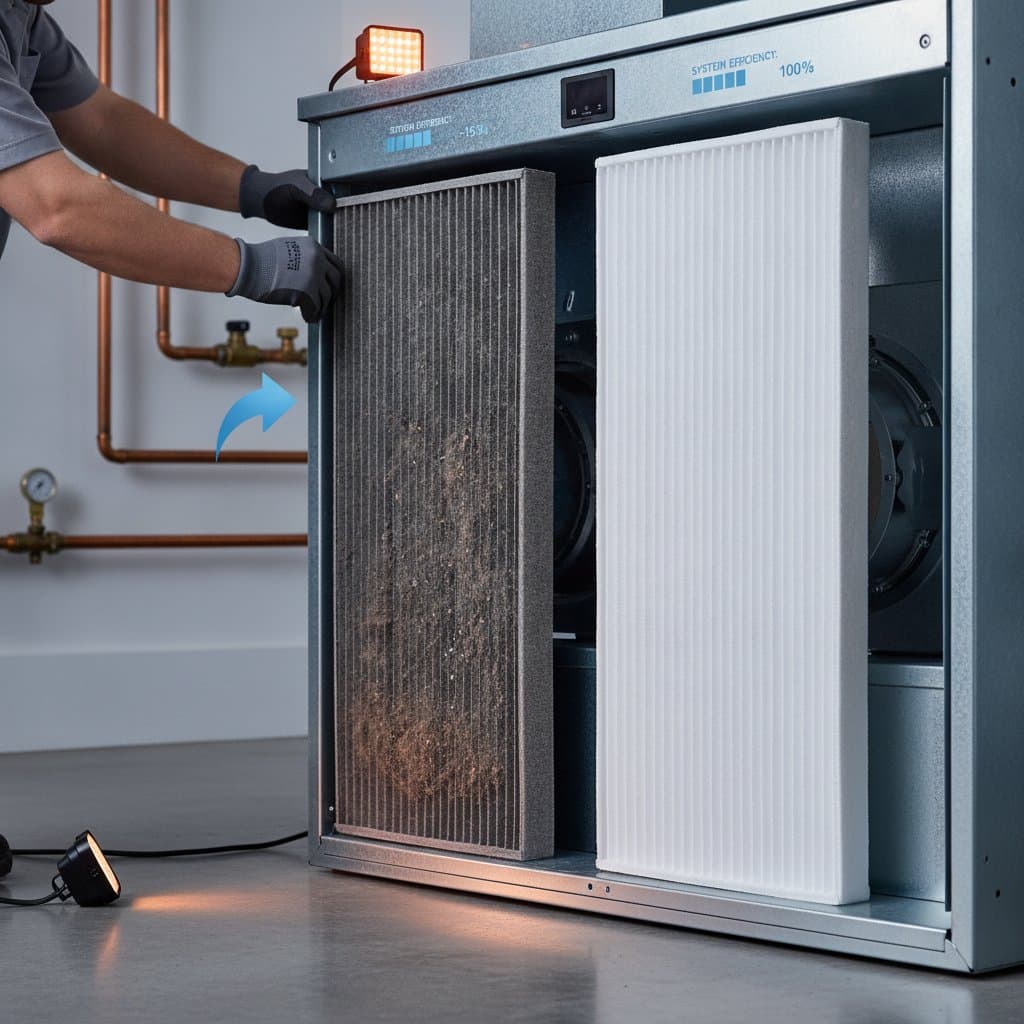
HVAC systems rely on air filters to capture dust, pollen, pet dander, and other particles that circulate through homes. Over time, these filters become clogged, forcing the system to work harder and increasing energy use. Regular replacement every three months prevents this buildup, leading to lower utility bills and superior indoor air quality.
Clean filters also protect the health of occupants by reducing allergens and irritants. Studies indicate that improved filtration can decrease respiratory issues, particularly in households with sensitive individuals. Beyond health, efficient filters extend the lifespan of HVAC components, avoiding costly repairs.
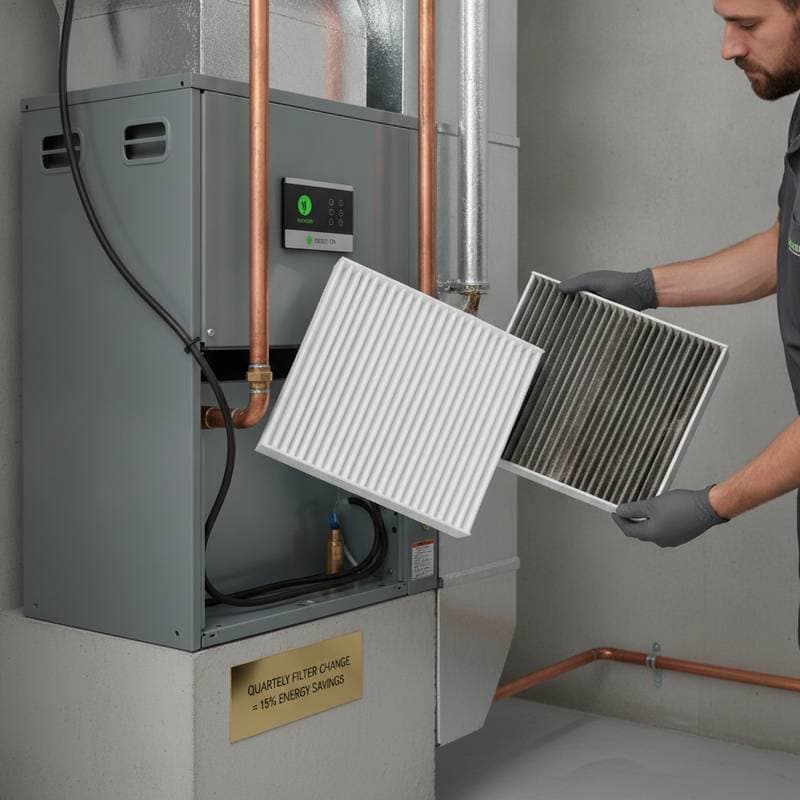
A consistent quarterly routine requires minimal effort but yields substantial returns. Homeowners report up to 15 percent savings on heating and cooling costs after adopting this practice. Start with an assessment of your current filter condition to establish a baseline for improvements.
Selecting the Appropriate Filter
Filters vary by material, efficiency rating, and design, each suited to specific needs. Basic fiberglass filters offer minimal protection and suit standard applications, while pleated filters provide greater surface area for better particle capture. For households with allergies or pets, high-efficiency particulate air (HEPA) options trap 99.97 percent of particles as small as 0.3 microns.
Check the minimum efficiency reporting value (MERV) rating on packaging, which ranges from 1 to 16. A MERV 8 to 11 filter balances airflow and filtration for most homes, preventing strain on the system. Avoid the highest MERV ratings unless recommended, as they may reduce efficiency in older units.
Measure your filter slot precisely before purchase to ensure a proper fit. Standard sizes include 16x25x1 inches, but custom options exist for irregular setups. Consult your HVAC manual or a professional for guidance on compatibility.
Setting Up Your Quarterly Plan
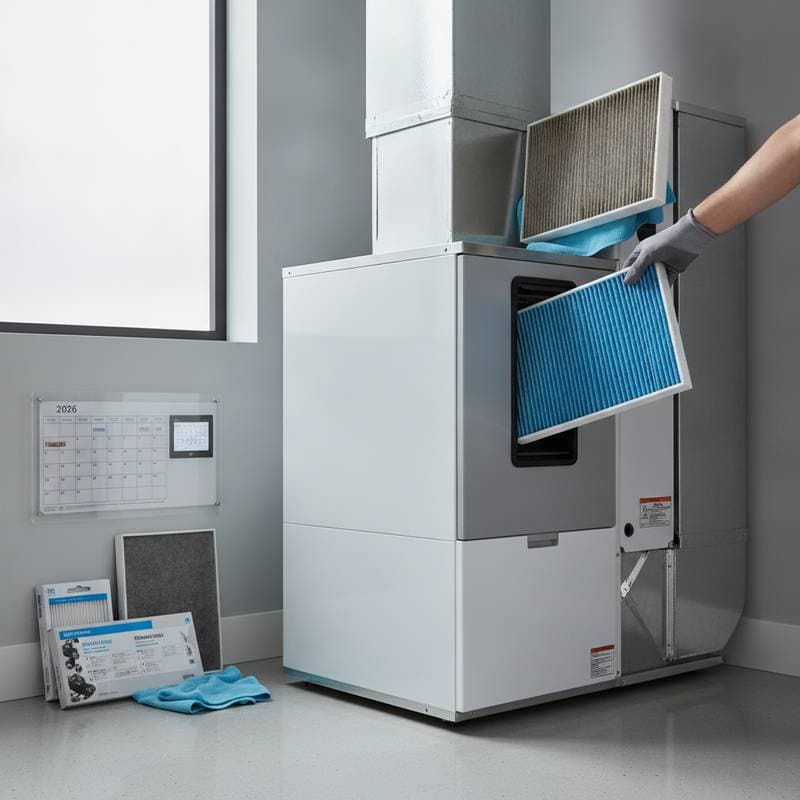
Begin by marking your calendar for replacements in January, April, July, and October, aligning with seasonal changes. These intervals account for varying air quality demands, such as pollen in spring or dust in fall. Set phone reminders or use apps dedicated to home maintenance.
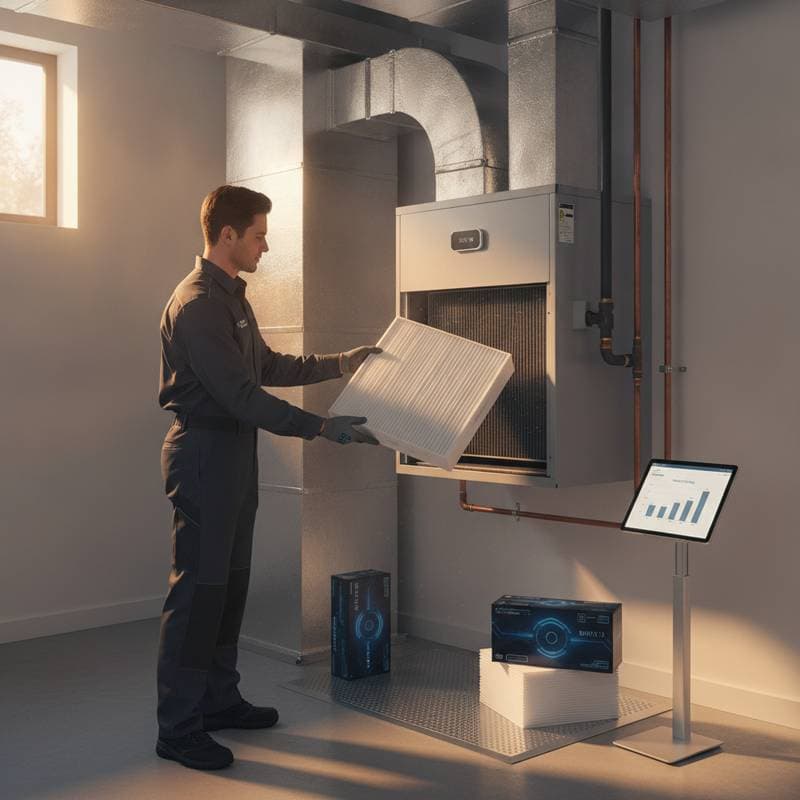
Locate the filter compartment, typically near the return air duct or furnace. Slide out the old filter, note its direction (arrow pointing toward airflow), and insert the new one. This process takes under five minutes for most systems.
Track performance by noting energy bills before and after changes. Monitor air quality with simple tests, like observing dust levels on surfaces. Adjust frequency if needed; high-traffic homes may require monthly swaps during peak seasons.
Real-World Examples
Case 1: Pet Owners
A family with two active dogs experienced persistent dust and pet hair despite monthly cleanings. They upgraded to pleated MERV 11 filters and adopted a quarterly replacement schedule with bimonthly inspections. Within weeks, visible dust diminished, fan operation quieted, and allergy symptoms eased for family members.
Case 2: Urban Apartment
Residents in a high-rise near construction sites faced soot and traffic pollutants entering through vents. Installing high-efficiency filters and performing quarterly swaps trapped fine particles effectively. Indoor air remained fresh, odors from outside dissipated, and the HVAC unit ran more smoothly without strain.
Case 3: Seasonal Home
Owners of a lakeside cabin visited only during summer and holidays. They programmed automated reminders tied to their smartphone calendar for quarterly filter changes during off-season trips. This approach kept the system primed, eliminating the need for deep cleans and ensuring immediate comfort upon arrival.
These scenarios illustrate adaptability across living situations, proving that tailored routines enhance daily life without overwhelming schedules.
Common Questions
How do I determine if my filter needs replacement?
Examine the filter by holding it against a light source. If light fails to pass through or only faintly appears, replacement is necessary. Visual inspection reveals clogs that impair airflow.
Is it possible to clean disposable filters?
Disposable filters cannot be vacuumed or washed effectively. Exposure to moisture compromises their integrity, reducing future performance. Always install fresh units to maintain optimal function.
What should I do if the filter appears clean but emits a musty odor?
A musty smell signals hidden moisture or bacterial growth. Remove the filter promptly, install a new one, and operate the fan continuously for several hours to circulate fresh air and eliminate lingering scents.
Are reusable filters a good investment?
Reusable filters involve higher initial costs but offer longevity of up to five years with diligent care. Clean them by rinsing under lukewarm water with mild detergent, then air-dry completely before reinstallation to preserve effectiveness.
Does filter replacement require professional assistance?
Homeowners handle most replacements independently using basic tools. Seek a technician if the access panel is obscured or if the system demands specialized equipment for safe handling.
Extra Tips for Cleaner Air
- Seal doors and windows during periods of elevated outdoor pollen to minimize influx.
- Employ HEPA-filtered vacuums for weekly carpet cleaning to capture embedded particles.
- Wipe down or replace vent covers quarterly if dust accumulates on surfaces.
- Incorporate air-purifying plants such as spider plants or peace lilies to naturally filter toxins.
- Schedule duct inspections every two to three years to detect leaks or excessive debris buildup.
Sustaining Efficiency and Comfort
Consistent filter maintenance forms the foundation of a reliable HVAC system. By integrating quarterly swaps into your routine, you secure cleaner air, reduced operational costs, and prolonged equipment life. This proactive approach transforms a basic task into a cornerstone of home wellness.
Observe gradual improvements in energy efficiency and occupant health over time. Pair filter care with overall system tune-ups annually for comprehensive protection. Ultimately, these steps deliver peace of mind, knowing your environment supports vitality and savings year after year.