Why Fall HVAC Filter Changes Matter
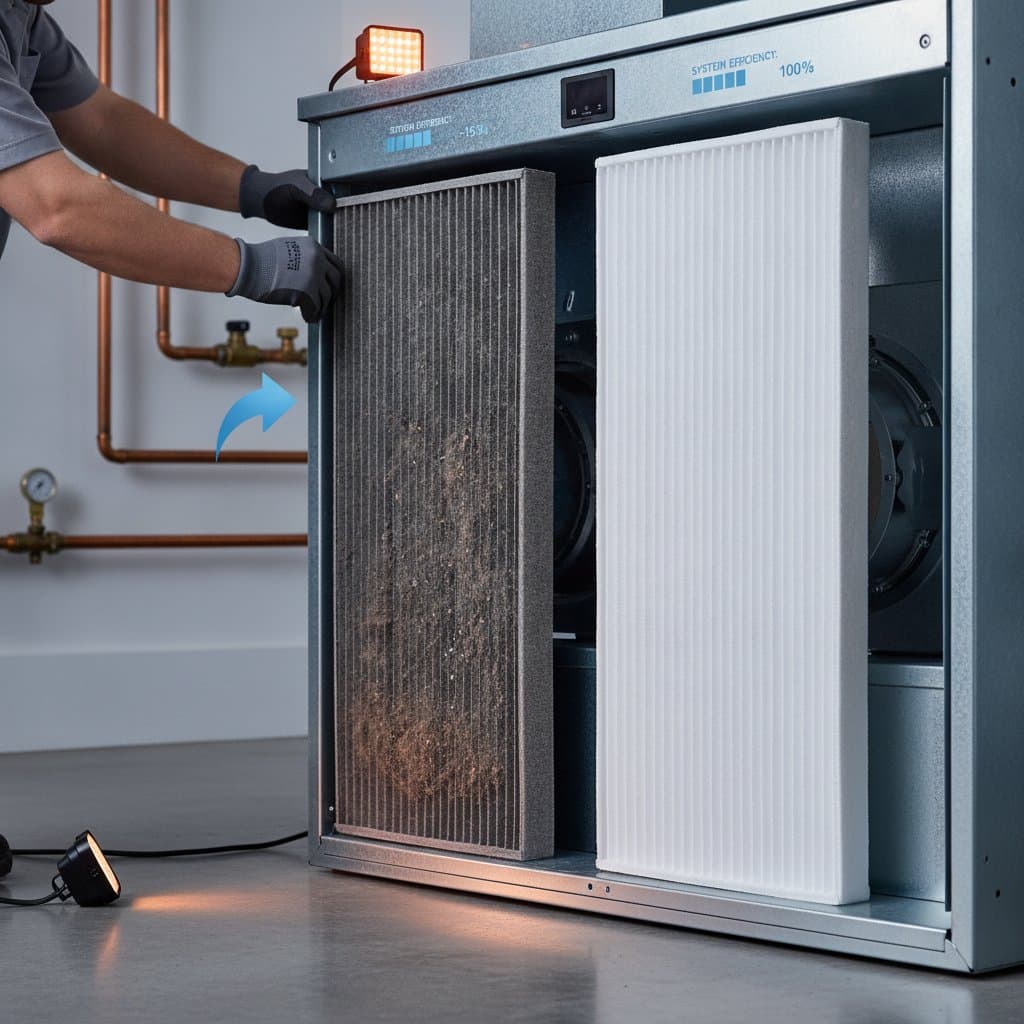
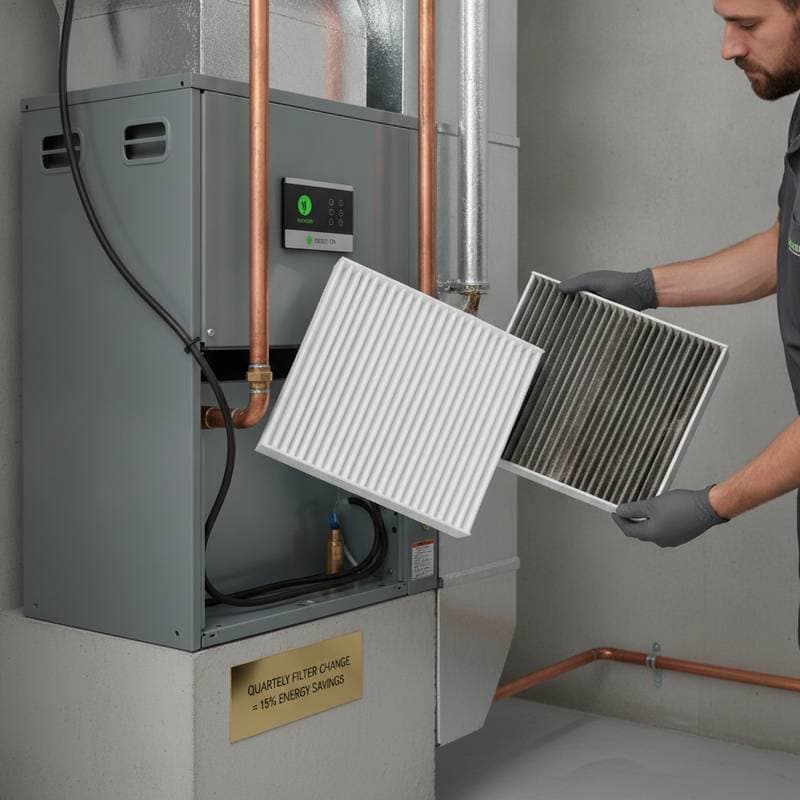
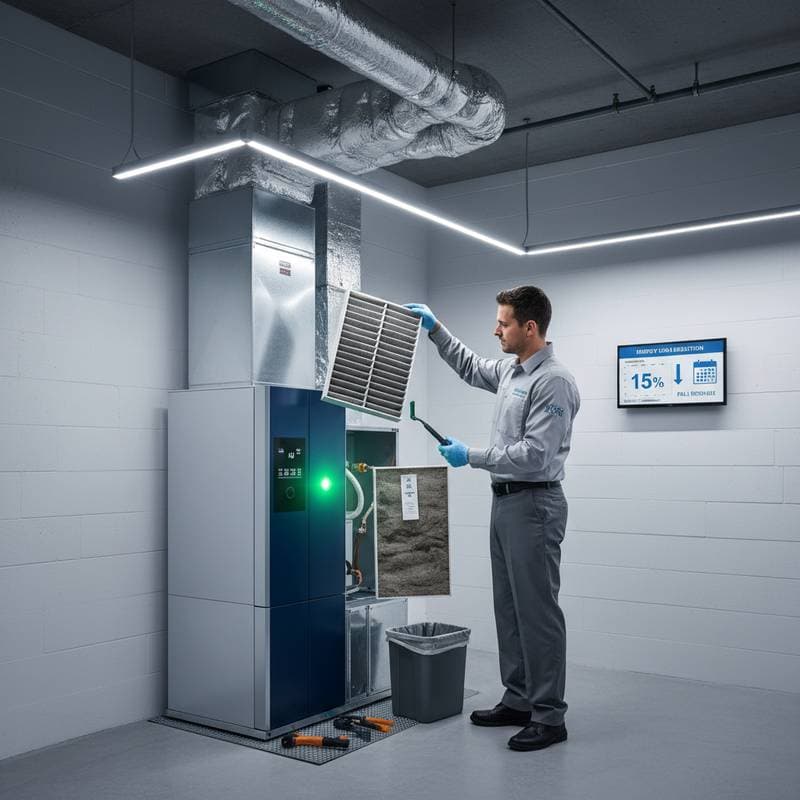
As temperatures drop, your HVAC system shifts from cooling to heating, increasing reliance on clean filters to maintain efficiency. Regular filter replacements during this transition can reduce energy consumption by up to 15 percent, according to industry standards. This simple practice not only lowers utility bills but also enhances indoor air quality and prolongs equipment life.
Homeowners often overlook filter maintenance until issues arise, such as reduced airflow or higher energy costs. By establishing a fall schedule, you ensure optimal performance when the system works hardest. The following guide provides practical steps to implement these changes effectively.
Filter Replacement Schedule
Filters vary in lifespan based on material and household factors like pet ownership or occupancy levels. Adhering to a consistent schedule prevents clogs that strain the blower motor and raise energy use.
- Replace basic fiberglass filters every 30 days to capture large particles without restricting airflow.
- Change pleated filters every 60 to 90 days, as their denser construction traps more dust and allergens.
- For high-efficiency filters designed for allergy relief, replacement every three to six months suffices, though monitor closely in high-pollen areas.
In fall, perform a complete system inspection and filter swap before daily furnace operation. Households with pets, smokers, or allergy sufferers benefit from monthly visual checks. Set calendar reminders or app notifications to track these intervals and avoid oversight.
Selecting the Appropriate Filter
HVAC filters differ in efficiency, measured by the Minimum Efficiency Reporting Value (MERV) rating. This scale indicates the smallest particle size a filter can capture, from large debris to microscopic contaminants.
Higher MERV ratings provide superior filtration but may increase resistance if incompatible with your system. Consult your unit's manual for recommended ratings to balance air quality and performance.
- MERV 1 to 4: Offers basic defense against dust, lint, and carpet fibers in low-demand environments.
- MERV 5 to 8: Effectively removes mold spores, pet dander, and pollen, ideal for standard homes.
- MERV 9 to 12: Captures fine particles such as lead dust, auto exhaust residues, and textile fibers.
- MERV 13 to 16: Delivers advanced protection against bacteria, viruses, and smoke, comparable to medical facilities.
If upgrading, verify compatibility to prevent strain on the blower. A licensed HVAC technician can assess your setup and recommend options that optimize airflow without compromising filtration.
Transitioning Your HVAC System for Fall
Prepare your heating system for seasonal demands with a brief maintenance routine. This process minimizes startup issues and ensures smooth operation as outdoor temperatures fall.
Follow these steps methodically to complete the task safely and effectively:
- Power down the HVAC system at the thermostat and breaker to eliminate electrical hazards.
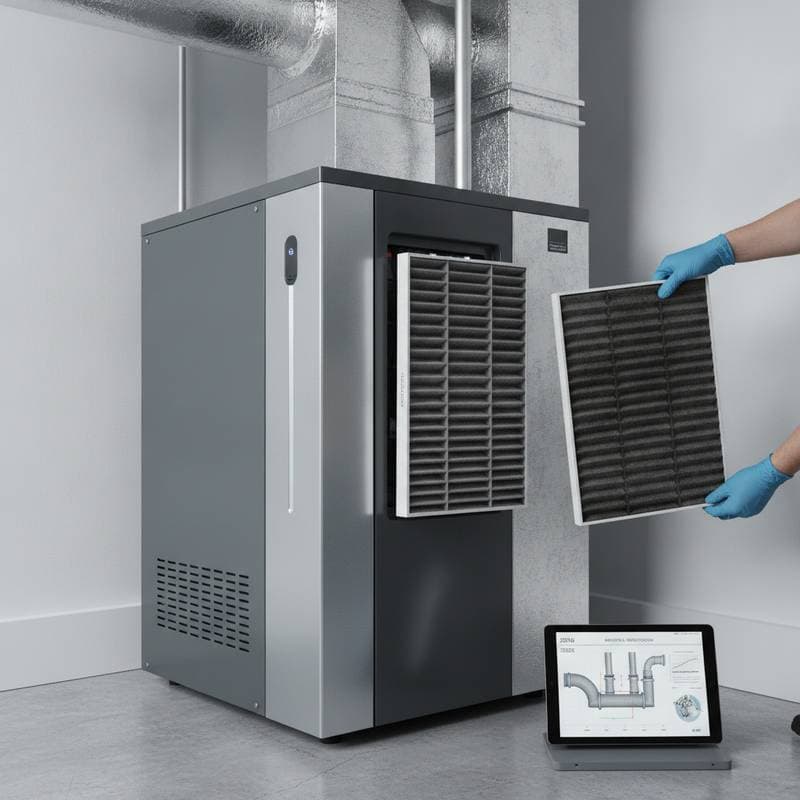
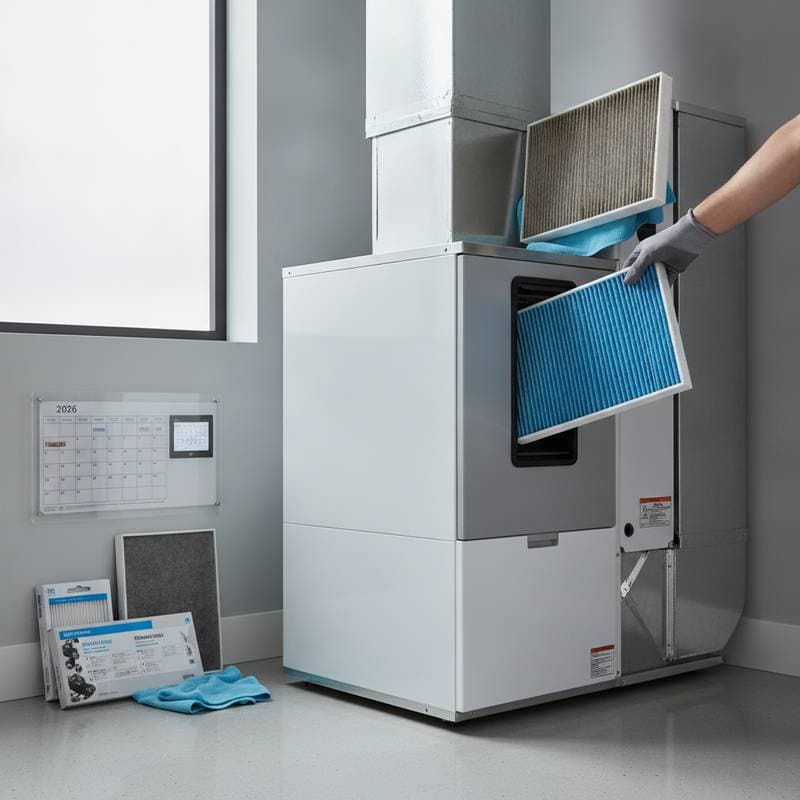
- Locate and remove the existing filter, handling it gently to contain dust particles.
- Vacuum the intake grille and surrounding area to eliminate accumulated debris and improve initial airflow.
- Examine the new filter for defects, such as bends or rips, which could reduce effectiveness.
- Install the filter with the airflow direction arrows pointing toward the furnace, ensuring a secure fit.
- Restore power and run the system briefly, monitoring for abnormal sounds that indicate potential obstructions.
Completing this routine early in the season wards off inefficiencies and costly breakdowns during peak heating months.
Enhancing Indoor Air Quality in Fall
Filter changes alone improve air circulation, yet complementary habits amplify benefits. These practices reduce airborne irritants and support the HVAC system's role in maintaining a healthy home.
Incorporate the following routines into your fall cleaning regimen:
- Vacuum floors and upholstery weekly with a vacuum equipped with a HEPA filter to minimize dust re-entry into the air.
- Ensure return vents remain unobstructed by repositioning furniture or area rugs that block intake.
- Operate exhaust fans during cooking and bathing to expel humidity, preventing mold growth in ducts.
- Introduce air-purifying plants such as snake plants or peace lilies, which absorb volatile organic compounds naturally.
- Arrange professional duct cleaning every three to five years, especially if visible dust accumulates rapidly.
Such measures foster cleaner air, alleviate respiratory discomfort, and allow your HVAC to operate with less resistance.
Deciding Between DIY and Professional Service
Most filter replacements qualify as straightforward homeowner tasks, requiring minimal time and no advanced skills. This approach empowers you to maintain control over routine upkeep.
Opt for DIY when conditions align with simplicity:
- The filter compartment is readily accessible without ladders or disassembly.
- You rely on conventional disposable filters rather than custom installations.
- Familiarity with your system's basic layout reduces the risk of errors.
Engage a professional for complex scenarios:
- Filters housed in enclosed units like attics or furnace cabinets demand specialized access.
- Advanced systems, including electrostatic cleaners, require calibration to function properly.
- Persistent issues like rapid clogging or uneven airflow suggest underlying duct or component problems.
Technicians often bundle filter service with comprehensive checks of motors, belts, and coils. They also measure static pressure to confirm safe operating parameters, providing peace of mind.
Budgeting for Filter Maintenance
Expenses for filters fluctuate with size, type, and efficiency level. Budget-conscious choices include purchasing in bulk from reliable suppliers to secure discounts and steady supply.
Basic fiberglass options typically cost under five dollars per unit, suitable for frequent changes. Pleated or high-MERV variants range from ten to thirty dollars, offering greater value through extended use and superior performance.
Professional services add fifty to one hundred fifty dollars per visit, depending on regional rates and inclusions. Seasonal maintenance contracts, priced annually, frequently encompass multiple filter swaps, inspections, and priority repairs. These plans mitigate unexpected expenses by addressing wear proactively.
Prioritizing Safety During Maintenance
Safety forms the foundation of any HVAC task to protect yourself and the equipment. Disconnect power sources before handling components to avoid shocks or unintended activation.
Select filters matched to your system's specifications to prevent excessive resistance, which leads to overheating or motor failure. Individuals with sensitivities should don a dust mask and work in well-ventilated spaces when removing soiled filters.
Seal used filters in plastic bags before disposal to contain allergens and prevent secondary contamination. If discomfort arises from dust exposure, pause and seek fresh air immediately.
Realizing Long-Term Advantages
Diligent filter management yields compounding rewards beyond immediate savings. Systems with clean filters experience less strain, potentially extending operational life by years and deferring major investments.
Energy efficiency stabilizes monthly bills, with reductions compounding over heating seasons. Health improvements manifest as fewer allergy flare-ups and reduced cleaning demands from settled dust.
Users report consistent comfort through even heating distribution and subdued operational noise. These outcomes underscore the value of proactive care in sustaining a welcoming home environment.
Sustaining HVAC Performance Year-Round
View filter upkeep as essential grooming for your heating infrastructure. Dedicate time quarterly to inspections, aligning with seasonal shifts for sustained reliability.
Maintain a log detailing filter dimensions, acquisition dates, and swap records. This documentation reveals trends, such as accelerated soiling from nearby construction, enabling timely adjustments.
Pair regular changes with yearly expert evaluations to detect subtle deteriorations. As fall progresses, these efforts ensure your HVAC delivers warmth efficiently, safeguarding comfort and economy through winter.