Understanding Septic Tank Replacement Costs
Homeowners with private septic systems encounter replacement as a major expense. Costs fluctuate based on property size, soil type, tank material, and local rules. Grasping these influences enables precise budgeting and prevents surprises.
This resource outlines regional pricing differences, cost drivers, and expectations for various systems. It covers billing approaches, service levels, and concealed charges to equip you for informed choices.
Core Elements of Septic Tank Replacement Pricing
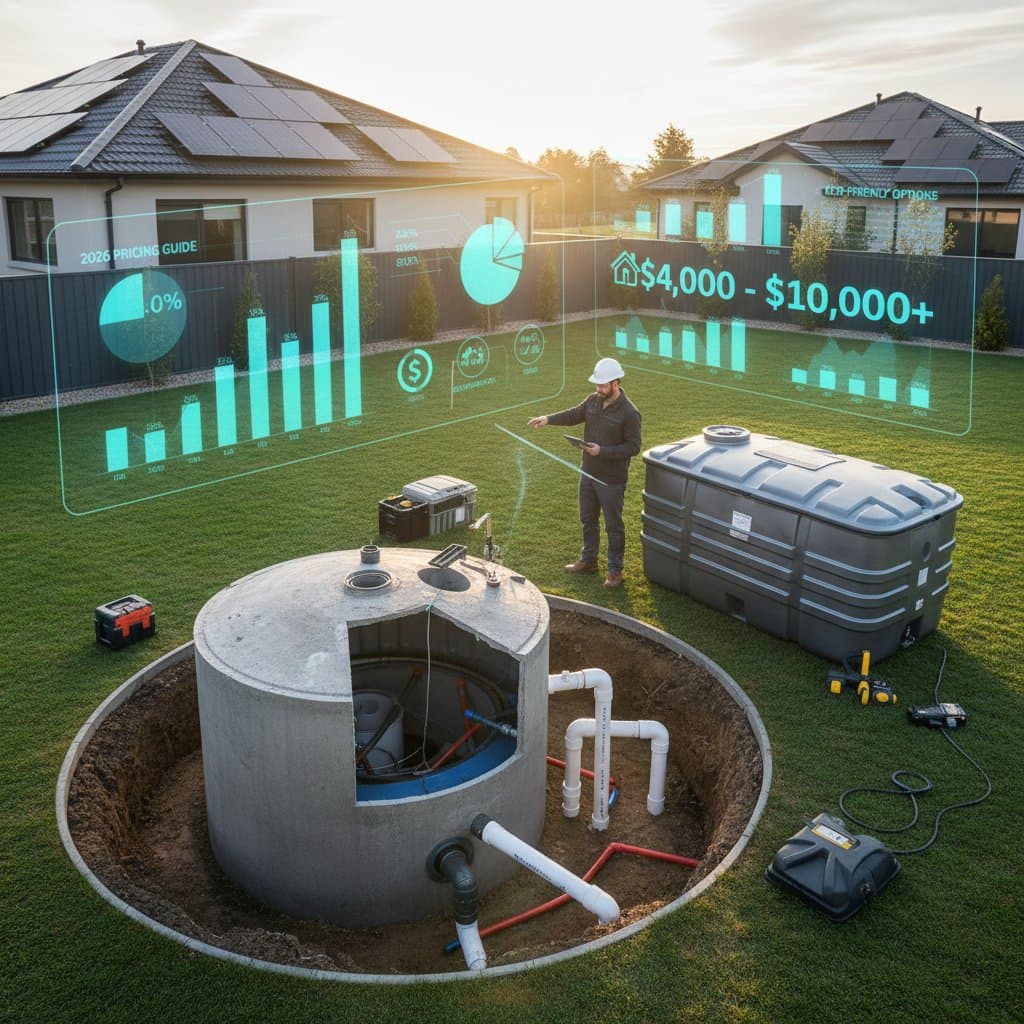
A complete replacement involves removing the existing tank and installing a new one. The national average for a full project sits between $4,000 and $10,000, with typical expenditures around $6,000 to $7,000 for standard setups. Systems for one- or two-bedroom homes cost less, whereas those for larger residences demand higher investments.
Variations by Region
Regional differences arise from soil quality, wage levels, and permit expenses. Rural locations with straightforward access and relaxed oversight often feature lower prices. Urban or coastal zones impose rigorous environmental rules, elevating inspection and design fees. Sites with rocky terrain or elevated water tables necessitate extensive digging, increasing overall outlays.
Impacts of Season and Timing
Contractors handle peak workloads in dry periods when soil suits excavation. Rainy seasons complicate operations, potentially raising costs through delays and extra tools. Off-season scheduling sometimes yields savings, as firms incentivize steady employment for their teams.
Broader Economic Pressures
Fluctuations in fuel, supply chains, and workforce availability affect pricing. Tank materials like concrete, fiberglass, or plastic vary with production and delivery expenses. High demand for experts drives up labor fees. Proactive planning allows locking in rates before market shifts occur.
Common Pricing Approaches
Professionals apply diverse methods tailored to project demands.
Hourly Billing Compared to Fixed Quotes
Hourly charges apply to minor fixes or partial work, ranging from $100 to $200 per hour. Complete replacements favor fixed quotes that encompass digging, placement, and restoration. Such structures provide cost certainty, although unforeseen issues might adjust the final amount.
Pricing by Capacity or Full Project
Firms often base fees on tank volume in gallons. A 1,000-gallon unit may run $1,000 to $2,000, while a 2,000-gallon version surpasses $4,000 prior to installation. All-inclusive project pricing merges tank and labor costs for a comprehensive estimate.
Bundled Packages for Efficiency
Certain providers bundle pumping, checks, and replacement for reduced rates. This suits systems long overdue for care. Such combinations cut expenses by 10 to 15 percent versus individual bookings.
Ongoing Maintenance Plans
Emerging services include subscription models for routine oversight. These cover periodic reviews, pumping, and replacement rebates, distributed across months or years. They suit those seeking steady financial planning and proactive monitoring.
Service Levels and Associated Costs
Replacements vary in scope and sophistication, scaling prices accordingly.
Entry-Level Options
Basic services install standard concrete or plastic tanks with routine digging. They fit modest homes on suitable soil, priced at $4,000 to $6,000.
Mid-Tier Professional Installations
These incorporate custom designs, fresh drain fields, and regulatory compliance. Expect $6,000 to $9,000, often featuring enhanced filtering or treatment stages.
High-End Comprehensive Systems
Advanced setups with large-capacity tanks or specialized processing exceed $10,000, particularly where aerobic units or fine filtration apply. They serve expansive homes, businesses, or sensitive ecosystems.
Custom Tailored Projects
Unique sites like shorelines or drainage-challenged areas demand expert analysis and premium materials. These can climb to $15,000 or beyond, guided by site specifics and approvals.
Primary Factors Shaping Expenses
Multiple elements can alter the budget significantly.
Project Scale and Capacity Needs
Full overhauls address tank, drain field, and piping. Tank-only swaps prove cheaper. Bigger estates or additional fixtures require expanded systems and resources.
Technical Demands and Expertise
Intricate jobs call for evaluations, impact studies, or unique permissions. Uneven terrain, hard ground, or limited entry amplify needs for machinery and time.
Duration of Work
Simple tasks wrap in two to three days; complex ones stretch longer. Prolonged efforts hike labor and rental fees.
Material and Tool Selection
Concrete offers longevity but installation challenges due to weight. Plastic eases handling at a higher material price. Fiberglass balances traits and fights decay. Choices impact initial spend and durability, with concrete enduring longest.
Additional Fees and Enhancements
Unexpected extras often catch owners off guard.
Pre-Work Assessments
Inspections evaluate salvageable parts, costing $300 to $500. Official checks in some areas command premiums.
Site Evaluation Expenses
Percolation tests verify drainage, at $500 to $1,000. Poor results may necessitate advanced designs, boosting totals.
Regulatory and Preparation Costs
Permits span $200 to $1,000 by locale. Utility mapping precedes excavation, sometimes as a distinct charge.
Rush Service Premiums
Urgent fixes for failing units add 10 to 20 percent, funding rapid response and extended hours.
Securing Reliable Quotes from Providers
Request itemized breakdowns from multiple contractors, detailing labor, supplies, checks, and removal. Verify credentials and seek past client feedback to confirm code adherence.
Experts advise obtaining three or more estimates. Prioritize transparency on design, sizing, and guarantees. Value exceeds the cheapest option if it skips vital elements like field renewal or site restoration.
Eco-Conscious Choices for Longevity
Sustainable systems employ thorough purification via oxygen-rich zones or wetland mimics, minimizing soil pollution. Upfront premiums yield environmental gains and possible rebates.
Recycled or resilient tank variants curb upkeep while raising costs 10 to 20 percent initially. Their durability frequently recoups the added investment.
Protections Through Insurance and Warranties
Qualified installers maintain coverage and extend guarantees on craftsmanship. Many include one-year remedies for flaws. Though pricier, these safeguards avert future burdens.
Certifications ensure code and standard compliance. Data shows certified work fails 15 to 20 percent less over years.
Maintenance Schedules for Durability
Quality installations last decades under routine care. Schedule checks every one to three years and pumping every three to five, adjusted for household size. Skipping these accelerates wear and invites early redo expenses.
Steering Clear of Replacement Pitfalls
Overlook soil testing at your peril; it prevents mismatched systems that fail quickly. Do not select the lowest bid without verifying inclusions, as skimped work leads to callbacks. Ignore warranties or maintenance plans, and you risk voiding protections. Finally, delay action on early warning signs like slow drains, as small issues balloon into full replacements.
Building a Resilient Wastewater Future
Investing thoughtfully in replacement secures property value and health. By weighing options, comparing thoroughly, and committing to upkeep, homeowners foster systems that perform reliably for generations. This approach not only controls costs but also supports sustainable living.