2026 Greywater Install: Costs and Rebate Savings
Homeowners seeking efficient water management solutions increasingly choose greywater systems. These setups recycle water from showers, sinks, and laundry for irrigation or toilet flushing. Expanding rebate programs and heightened conservation awareness make these installations both environmentally sound and economically viable.
What a Greywater System Does
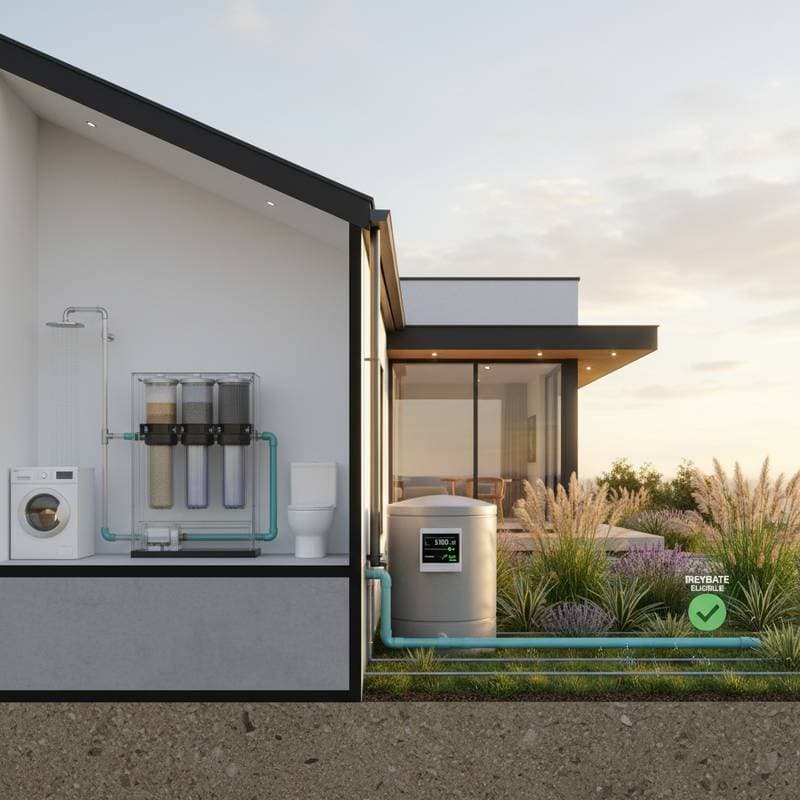
A greywater system gathers water from sources like bathroom sinks, washing machines, and bathtubs. It then filters and stores this water for non-drinking uses. This approach decreases reliance on municipal water supplies and trims utility expenses.
Key components include:
- Collection: Pipes route water from selected fixtures to a storage tank.
- Filtration: Screens and filters eliminate debris such as hair, lint, and soap.
- Distribution: Pumps or gravity systems transport treated greywater to landscapes or toilets.
Designs maintain separation between greywater and drinking water lines to ensure safety.
Average Cost of Installation
Installation expenses depend on home size, existing plumbing, and system sophistication. Basic laundry-to-landscape configurations begin at approximately $500 to $1,000. Comprehensive whole-home systems with advanced filtration and controls range from $3,000 to $10,000.
Influencing factors encompass:
- Plumbing Access: Easily reachable drains simplify retrofits and lower labor costs.
- System Type: Gravity-based options cost less than pumped or filtered variants.
- Tank Size: Expanded capacity for higher volumes increases expenses for materials and setup.
- Landscaping Integration: Adding drip lines or emitters expands the project's footprint and budget.
Consult a qualified plumber or specialist for a site evaluation and precise estimate.
Rebates and Local Incentives
Incentive programs from water districts and local governments help cover upfront costs. Rebates typically span $500 to $5,000, based on system scale and water savings potential.
Qualification steps involve:
- Preparing and submitting a detailed installation proposal for review.
- Engaging certified professionals or adhering to code standards.
- Arranging post-installation inspections to verify compliance.
Some areas tie rebates to irrigated area size or storage volume. Others reimburse a portion of total costs. Contact your regional water authority or environmental office to identify current offerings.
Long-Term Financial Savings
Greywater systems yield ongoing returns after rebates. Redirecting water to outdoor needs can slash irrigation bills by 30 to 50 percent. In arid climates with tiered pricing, payback periods shorten to three to five years.
Additional gains include elevated home values due to efficiency features. Integrating with low-flow toilets or rainwater harvesting amplifies savings. Track monthly bills to quantify reductions and adjust usage patterns accordingly.
DIY vs. Professional Installation
For straightforward projects, reroute a washing machine drain to an outdoor zone using a diverter valve. This approach suits those with basic plumbing knowledge and can save $500 or more in labor.
Essential DIY considerations include:
- Selecting pipes and valves rated for greywater exposure.
- Directing output away from vegetable gardens to avoid health risks.
- Grading lines properly to promote even flow and prevent stagnation.
Complex setups involving multiple sources or indoor reuse demand professional expertise. Licensed installers guarantee code adherence, contamination prevention, and system warranties. Review demonstration videos from certified experts to understand scaling challenges.
Maintenance and Care
Regular upkeep ensures optimal function and longevity. Clean filters every one to three months to remove sediment. Inspect tanks biannually for algae or residue buildup.
Choose eco-friendly detergents free of salts, boron, and bleach to safeguard soil health. Flush distribution lines quarterly to avert blockages. Document maintenance logs to track patterns and predict needs.
Environmental Value
Implementing greywater reduces freshwater extraction, conserving aquifers and infrastructure. It cuts energy for pumping and treating water by up to 40 percent in some households.
Widespread adoption mitigates urban runoff and bolsters resilience against water shortages. Healthier gardens from recycled nutrients decrease fertilizer demands. Communities benefit from stabilized supplies during peak seasons.
Steps to Install Your System
Begin by mapping fixtures for greywater sourcing and verifying local permits. Research rebates through utility websites or offices. Obtain bids from three contractors, comparing scopes and timelines.
Post-installation, test flows and monitor soil moisture for the initial season. Fine-tune pump settings or valve positions based on rainfall and plant requirements. This proactive approach maximizes efficiency and minimizes issues.
A greywater system delivers enduring advantages in cost control and ecological stewardship. It nurtures vibrant landscapes while lightening the load on water resources. Homeowners gain confidence in sustainable practices that enhance daily living.