Implementing Greywater Systems: Costs, Permits, and Efficiency Gains
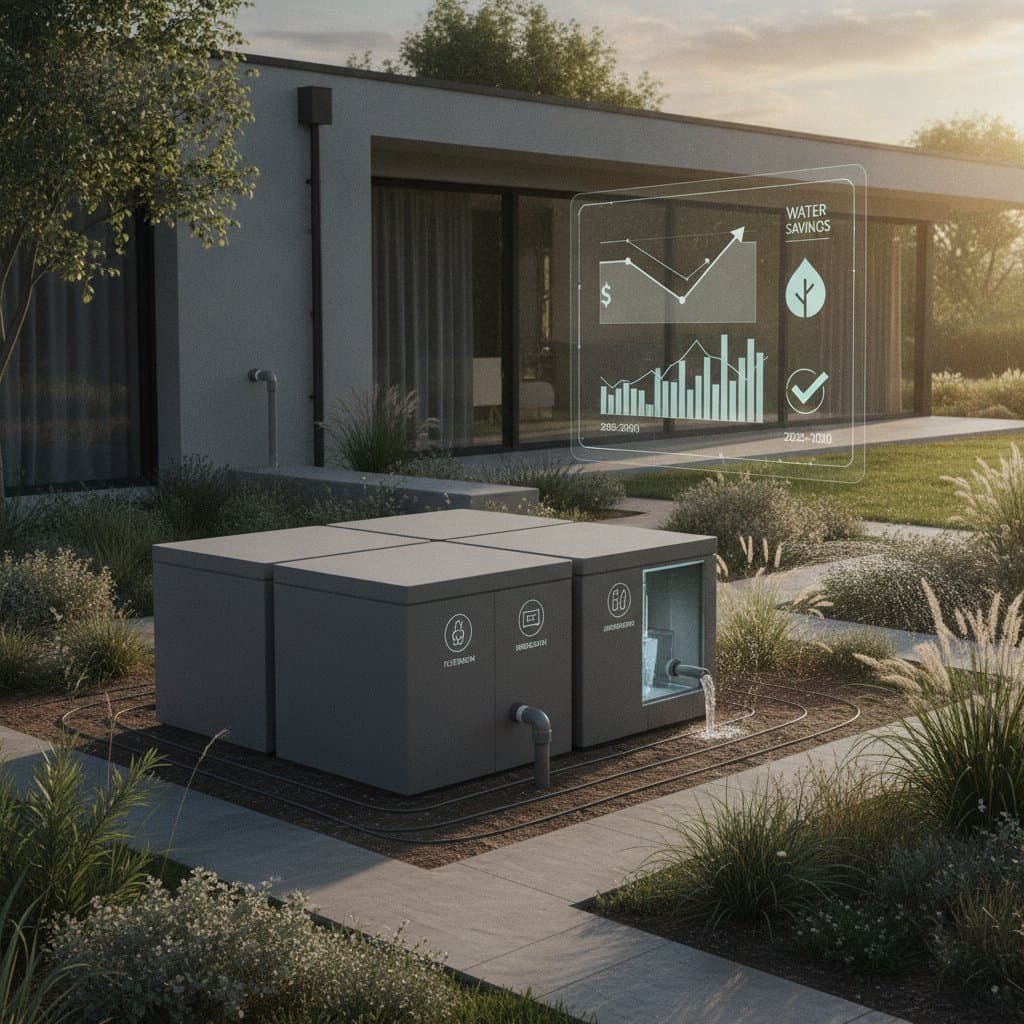
Homeowners seeking to lower water expenses and adopt sustainable practices increasingly install greywater systems. These setups capture mildly contaminated water from sources such as bathroom sinks, showers, and washing machines, then redirect it for non-drinking purposes like garden irrigation or toilet flushing. By integrating such a system, a typical household can decrease overall water consumption by as much as 50 percent, which alleviates strain on municipal supplies and yields substantial financial benefits over time.
Before proceeding with installation, evaluate the associated expenses, regulatory hurdles, and ongoing responsibilities. This preparation ensures the system operates reliably, complies with local codes, and delivers maximum value.
Core Principles of Greywater Systems
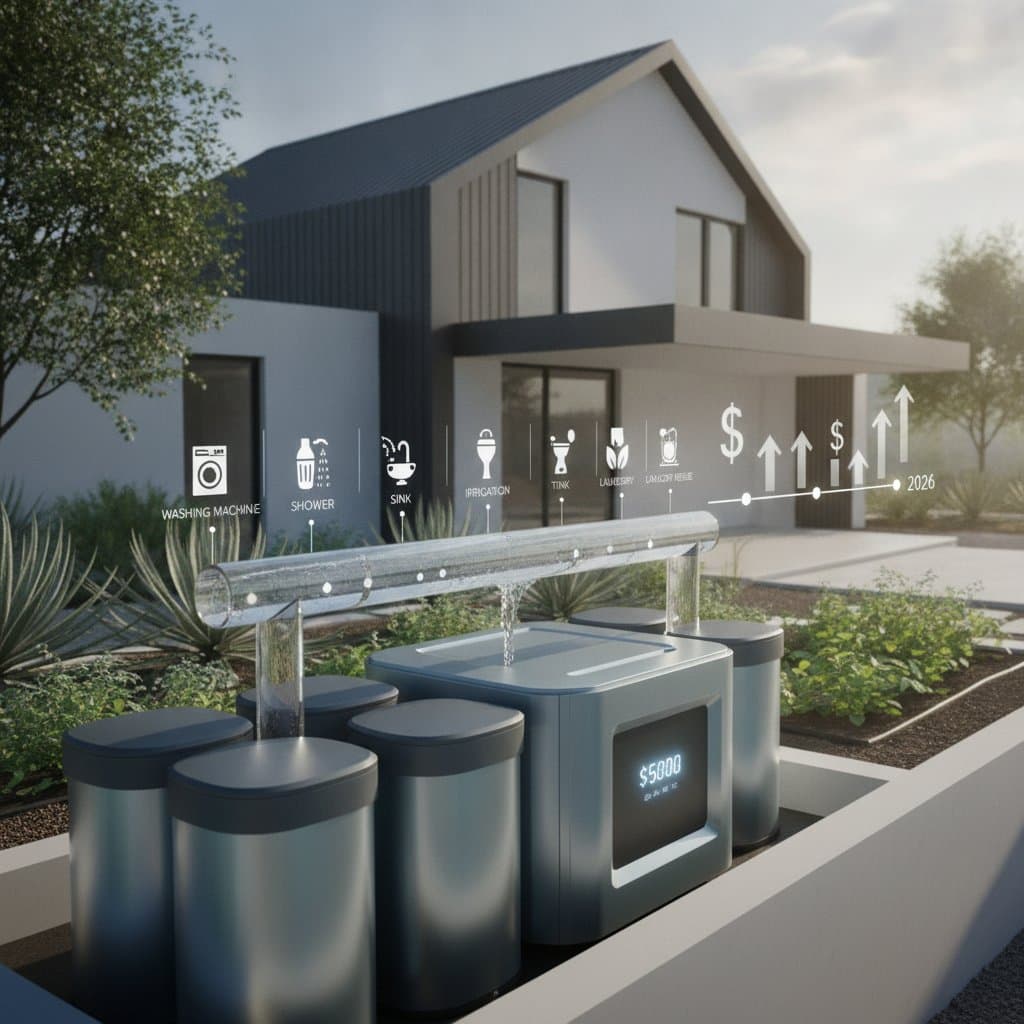
Greywater systems function by gathering wastewater from designated household fixtures, applying basic filtration to remove debris, and channeling the water to suitable reuse applications. Entry-level configurations might simply divert a washing machine's outflow to nearby landscaping via subsurface pipes. Sophisticated variants incorporate treatment stages, pumps, and reservoirs to enable indoor applications, such as supplying water for toilet tanks.
Three primary categories suit different needs and site conditions:
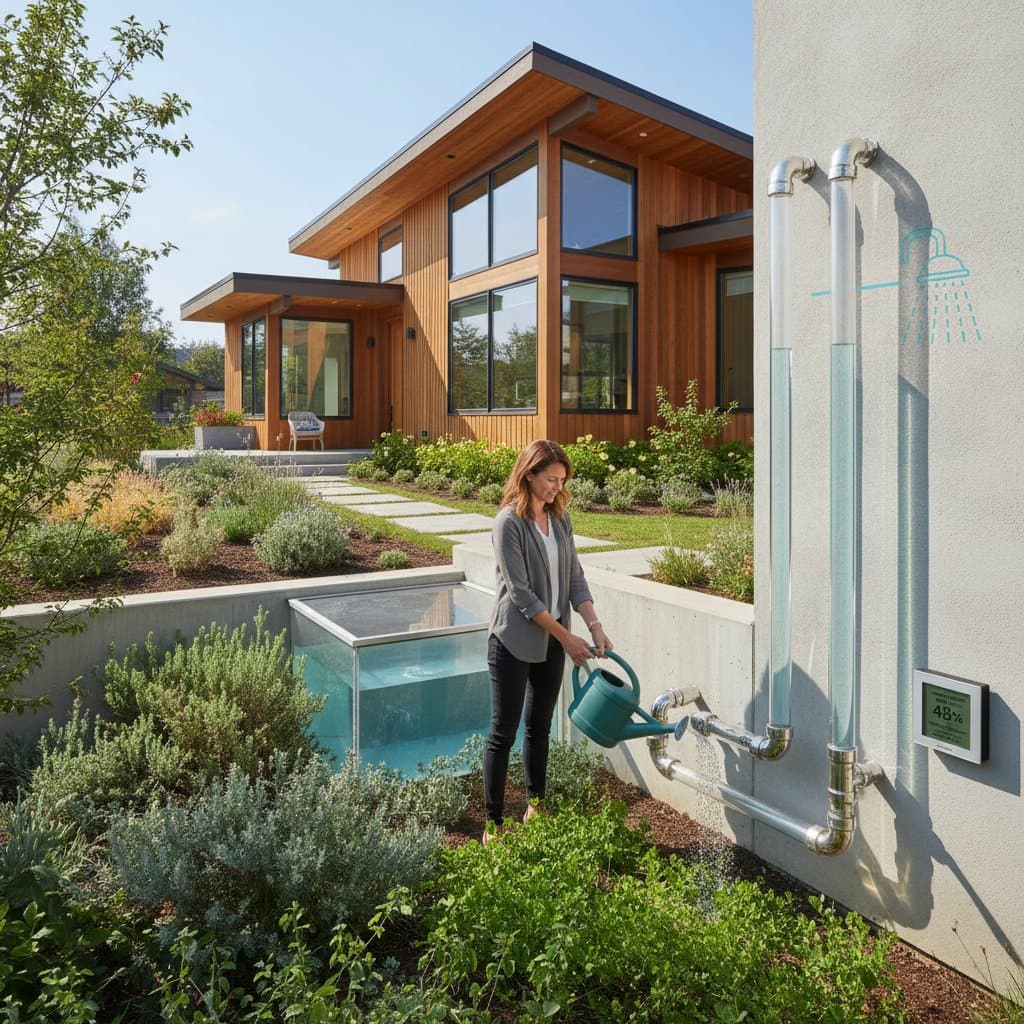
- Laundry-to-landscape systems: These route washing machine effluent directly to irrigated garden areas through mulch basins or perforated lines, ideal for properties with ample outdoor space.
- Gravity-fed systems: Water from various bathroom sources flows naturally downhill to exterior dispersal points, minimizing energy use but requiring suitable topography.
- Pumped or treated systems: Equipped with electric pumps, advanced filters, and disinfection processes, these handle larger volumes and support indoor reuse, though they demand more technical oversight.
Selection hinges on factors like home size, yard elevation, soil permeability, and intended reuse volume. For instance, sandy soils facilitate irrigation-based systems, while clay-heavy ground may necessitate additional treatment.
Detailed Cost Analysis and Return on Investment
Installation expenses for greywater systems fluctuate based on scale and features. A straightforward laundry-to-landscape setup typically ranges from $300 to $1,500, covering basic piping, diverter valves, and mulch basins. Mid-range gravity-fed options, serving multiple fixtures, often cost $1,000 to $3,000, including collection tanks and distribution lines. Comprehensive pumped systems with treatment can exceed $5,000 to $10,000, factoring in professional labor, electrical wiring, and compliance certifications.
Ongoing maintenance remains affordable. Simple systems require filter rinsing every three months and annual valve inspections, costing under $100 yearly. Treated setups involve quarterly water quality tests, adding $200 to $400 annually, to verify pathogen levels stay below regulatory thresholds.
Savings materialize quickly in water-scarce regions. Households might reduce utility bills by 30 to 50 percent, recouping initial outlays within 3 to 7 years. During droughts, these systems sustain landscapes without tapping fresh water, preserving curb appeal and avoiding fines for overuse.
Navigating Permits and Local Regulations
Most jurisdictions permit greywater reuse, yet approval processes safeguard public health and infrastructure. Contact your local building or environmental health department early to outline plans and secure necessary endorsements. Common stipulations include:
- Installation of backflow preventers to isolate greywater from potable lines.
- Use of certified filters or ultraviolet treatment for pathogen control.
- Clear signage on pipes and outlets indicating non-potable water.
- Site-specific percolation tests to confirm soil can handle irrigation loads without runoff.
Application fees range from $50 to $300, with review times spanning 2 to 8 weeks. Non-compliance risks penalties up to $1,000 or system dismantling orders. Consult state guidelines, such as those from the EPA or regional water boards, to align with best practices.
Choosing Between DIY and Professional Approaches
Experienced individuals can tackle basic installations, particularly laundry-to-landscape models. Begin by mapping drain lines, sourcing UV-resistant tubing and three-way diverter valves from plumbing suppliers, and digging shallow trenches for distribution. Follow manufacturer guides to connect components, test flows, and backfill securely, completing the project over a weekend.
Complex systems benefit from expert involvement. Licensed plumbers or certified greywater installers assess site hydraulics, integrate electrical controls, and certify code adherence. Their expertise prevents issues like pump failures or uneven water distribution, often including warranties that enhance resale potential.
Ensuring Longevity Through Maintenance Practices
Sustained performance relies on consistent care. Schedule monthly visual checks for leaks or blockages in pipes and filters, cleaning as needed with mild solutions. Annually, disassemble pumps for lubrication and test electrical components to avert breakdowns.
Select plant-friendly cleaners free of sodium or chlorine to protect soil biology and prevent filter fouling. Document all activities in a log, alongside permit details, to demonstrate due diligence during home inspections.
Achieving Sustainable Water Savings
Greywater systems transform everyday water use into a resource for conservation and cost control. By selecting appropriate designs, securing approvals, and committing to upkeep, homeowners realize enduring reductions in consumption. This approach not only trims expenses but also cultivates resilient gardens and contributes to broader ecological balance.