Eco Driveways: Costs and Stormwater Benefits
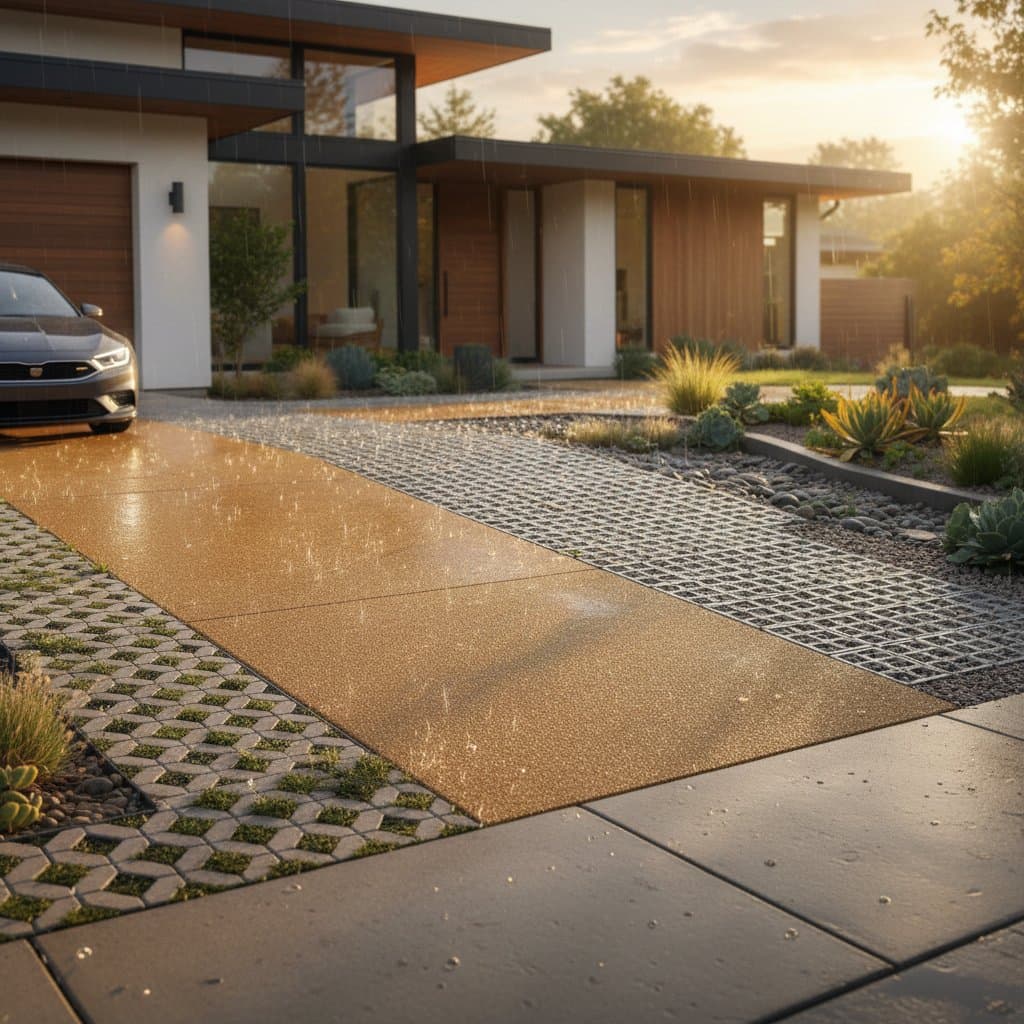
Eco driveways attract homeowners seeking to blend sustainability with practical functionality. These surfaces employ permeable materials that permit rainwater to infiltrate the ground beneath. Rather than channeling runoff toward storm drains, the design filters and handles water on-site. This method diminishes flood risks, enhances groundwater replenishment, and aligns with environmental construction guidelines.
Constructing an eco driveway extends beyond substituting concrete with gravel. Property owners must select appropriate base layers, materials, and drainage features. Although initial expenses surpass those of conventional paving, enduring advantages frequently justify the outlay.
This guide details typical cost estimates, upkeep requirements, and tangible advantages of eco driveways. It addresses scenarios for engaging experts and outlines installation expectations.
Cost Breakdown for Eco Driveways
Eco driveway expenses vary based on material selections, regional labor charges, and site specifics. Property owners generally face higher initial payments compared to asphalt or concrete alternatives, owing to extensive excavation and foundational preparation.
Average Price Ranges
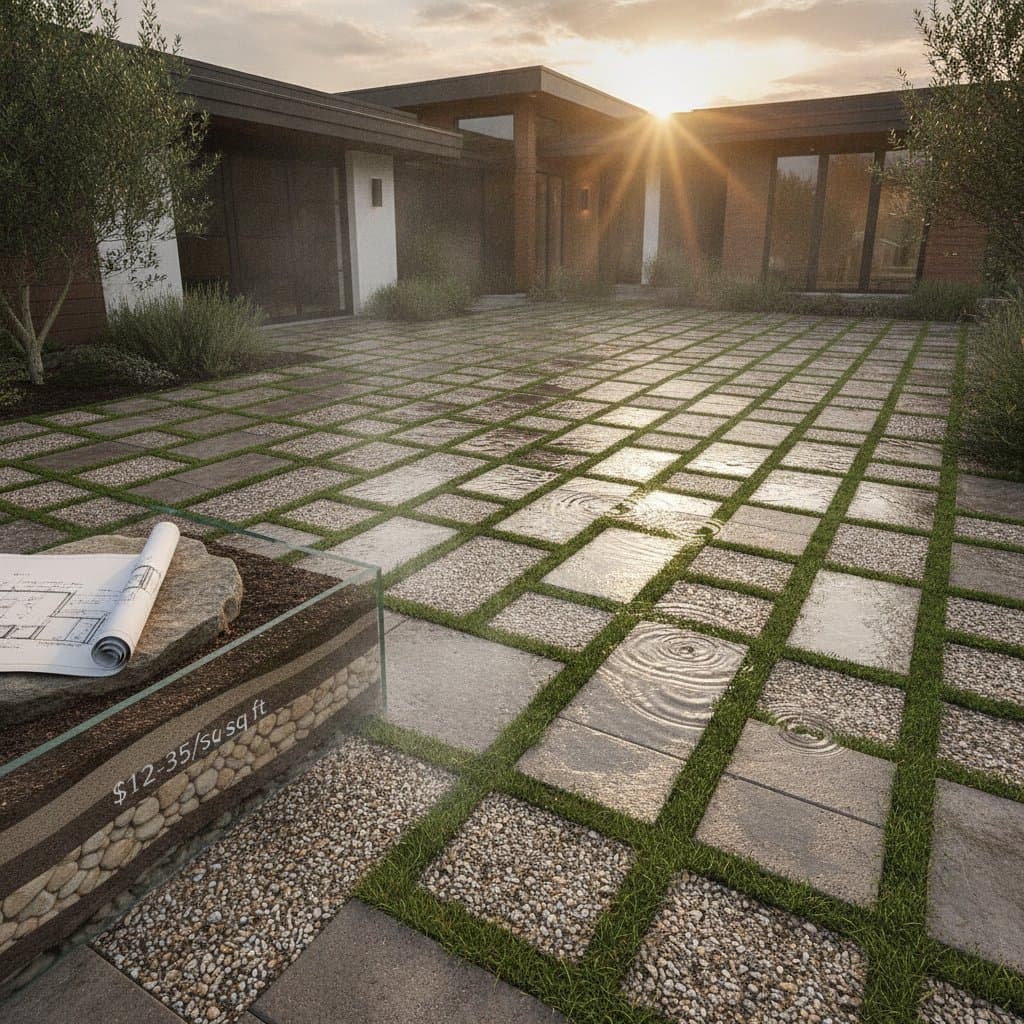
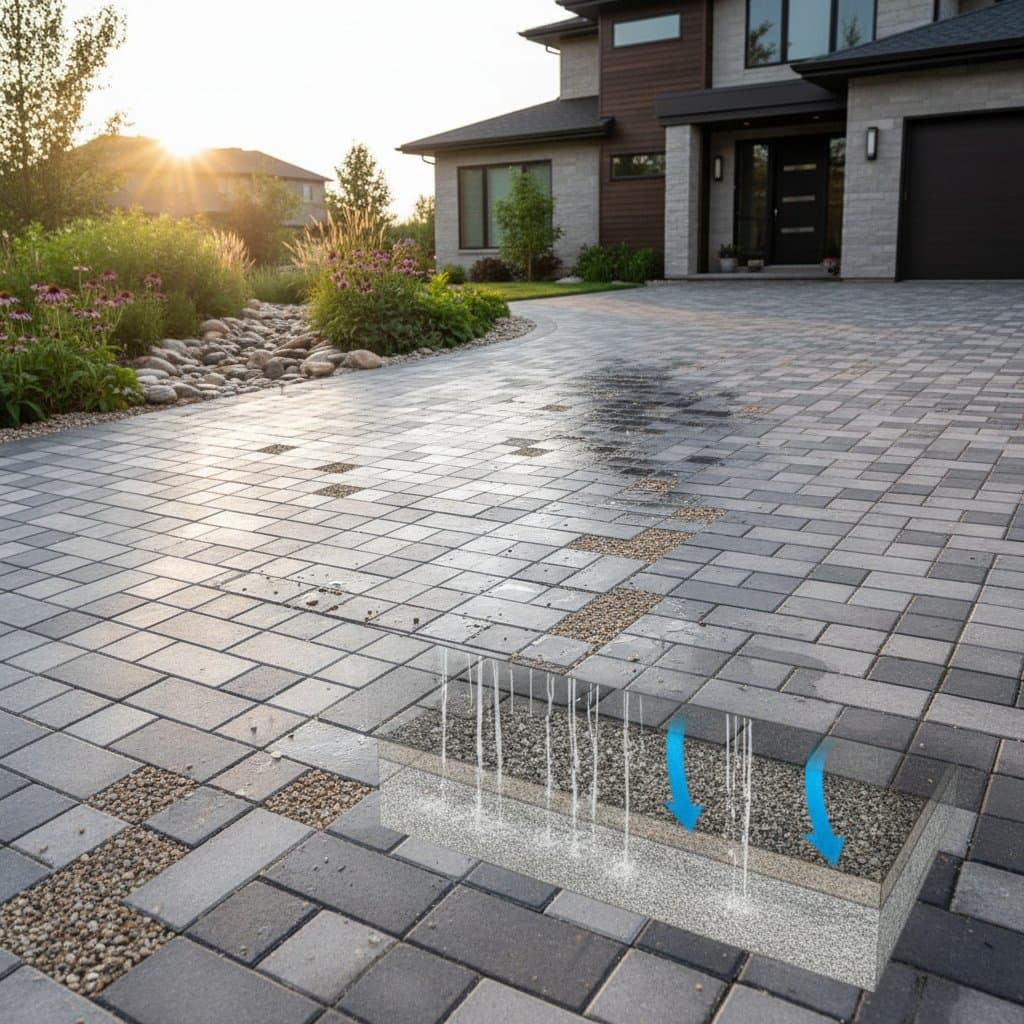
- Permeable Pavers: Costs range from $10 to $25 per square foot installed, influenced by manufacturer quality and layout complexity.
- Porous Asphalt: Prices fall between $7 and $15 per square foot, providing equilibrium between affordability and efficacy.
- Pervious Concrete: Expenses reach $12 to $20 per square foot, reflecting demands for precise mixing and curing processes.
- Gravel with Grids: This option costs $5 to $12 per square foot, rendering it the most economical choice relative to impervious options.
Additional Cost Factors
-
Excavation and Base Layers
Proper sub-base installation supports effective drainage. Projects often necessitate deeper digging and layered crushed stone aggregates. -
Drainage Enhancements
Certain sites gain from added underground reservoirs or infiltration channels. These elements increase expenses yet optimize water retention. -
Sealing and Finishing
Eco driveways require no routine sealing unlike standard asphalt. Select property owners apply clear sealants to preserve aesthetics and extend service life. -
Labor and Permits
Certified installers guarantee adequate compaction and gradient adjustments. Local authorities may mandate permits for systems managing stormwater.
A homeowner recounted on a home improvement forum replacing a 600-square-foot concrete driveway with permeable pavers. The project incurred 20 percent higher upfront costs, yet yielded savings in upkeep and utility charges over subsequent years.
How Eco Driveways Manage Stormwater
Stormwater runoff poses increasing challenges in urban and suburban settings. Conventional driveways direct rainwater to drains prone to overflow in intense downpours. Eco driveways decelerate and purify this water through on-site absorption.
Natural Filtration Process
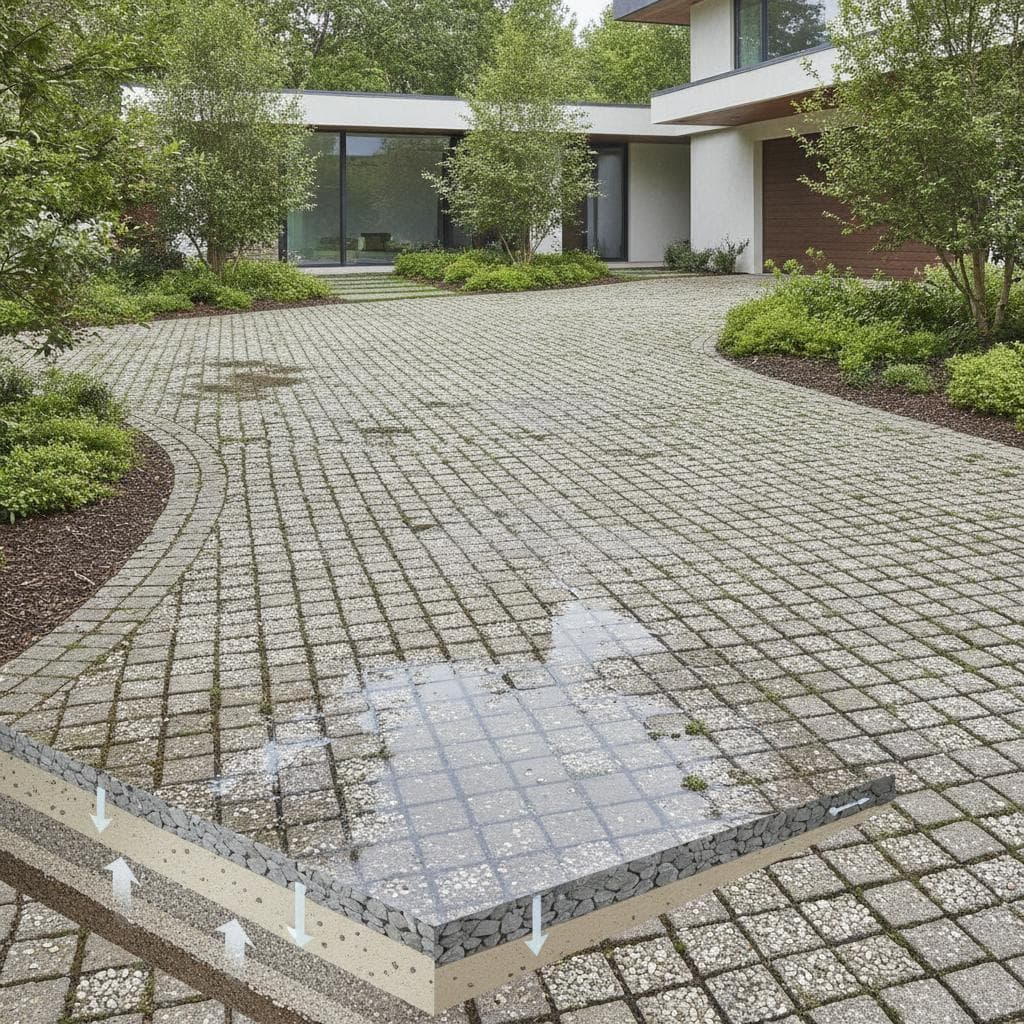
Rainfall penetrates permeable surfaces via voids and joints, descending into underlying layers. Soil and aggregate strata remove contaminants such as oils and particulates. This purification elevates water quality prior to aquifer integration.
Reduced Flooding and Erosion
On-site water retention curbs localized inundation. It also minimizes soil displacement near adjacent vegetation or boundaries. Residents in vulnerable zones report diminished pooling and persistent moisture post-installation.
Municipal Compliance Benefits
Numerous municipalities promote or mandate stormwater controls for fresh builds. Permeable driveways satisfy these mandates and potentially secure fiscal incentives like rebates. Inspectors observe that such features alleviate burdens on communal infrastructure.
DIY vs Professional Installation
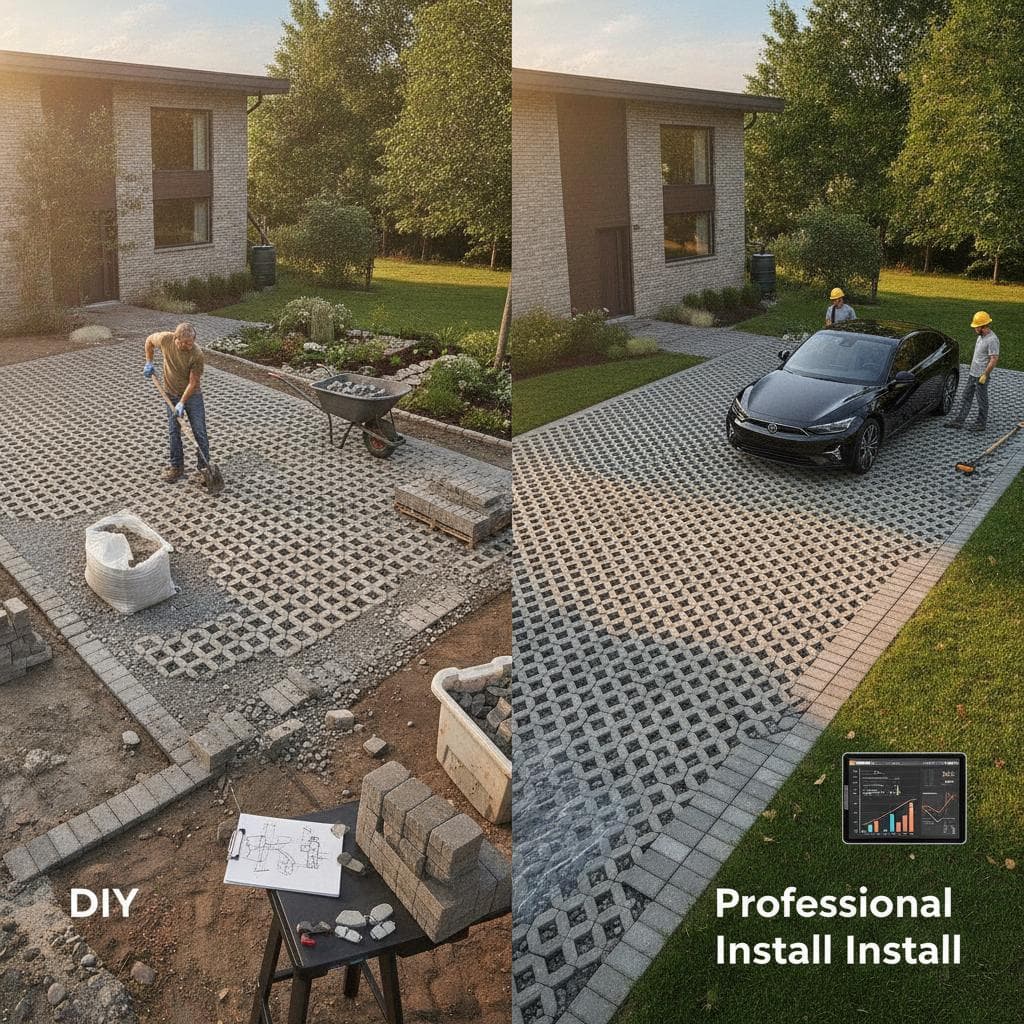
Skilled homeowners might manage modest gravel setups independently. However, expansive or intricate eco driveways demand expert intervention. Optimal performance hinges on precise leveling and densification; subpar work risks blockages, irregularities, or hydraulic shortcomings.
When DIY Works
- Compact gravel or grid installations on level ground
- Low-use zones tolerating slight variances
- Situations equipped with compaction equipment and geotextile barriers
When to Hire a Professional
- Inclined surfaces influencing water flow
- Installations featuring pavers, porous asphalt, or pervious concrete
- Excavations exceeding minimal depths
- Locations with heavy clay or inadequate native percolation
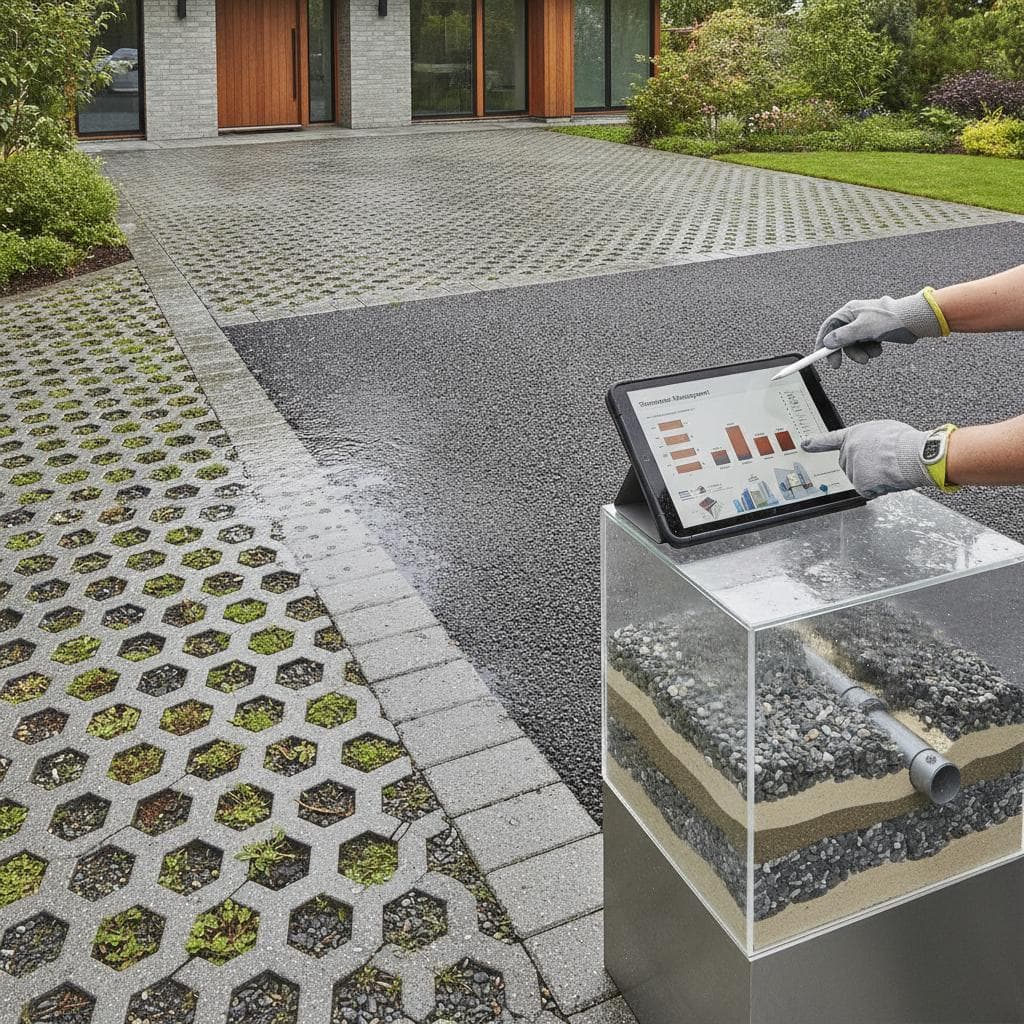
Experienced contractors conduct percolation assessments, engineer foundational strata, and verify adherence to regional regulations. Affiliations with groups like the Interlocking Concrete Pavement Institute offer assurances and records that bolster real estate appeal.
Maintenance and Longevity
Properly tended eco driveways endure comparably to traditional pavements. Distinctions arise in cleansing techniques and protective measures.
Routine Maintenance Steps
-
Surface Cleaning
Employ brooms or vacuums to clear joint debris, averting obstructions. Prevent buildup of powdery sands or soils. -
Weed Control
Opt for organic treatments or hand extraction over synthetic agents that harm subsurface biology. -
Periodic Inspection
Post-storm evaluations detect accumulations or subsidence. Prompt fixes avert extensive hydraulic issues. -
Joint Refilling
In paver configurations, replenish voids with fresh aggregates biennially to sustain infiltration.
A landscaping professional shared on LinkedIn that adherents to quarterly routines sustain driveway efficacy for generations. Regularity surpasses rigor in preserving function.
Expected Lifespan
Quality installations persist for 20 to 30 years or longer. Pavers and pervious concrete surpass porous asphalt in durability, whereas gravel systems demand periodic replenishment. Diminished susceptibility to fractures and heaving translates to infrequent overhauls.
Environmental and Financial Payoffs
Eco driveways yield quantifiable ecological and monetary gains extending past hydrology.
Lower Long-Term Costs
Upfront premiums exceed asphalt norms, yet ongoing care proves economical. Exemptions from sealing, repaving, or fissure remediation accumulate savings. Certain locales impose surcharges on non-porous areas, which permeable designs evade.
Improved Property Value
These driveways enhance visual allure and convey stewardship. Agents highlight that eco-upgrades expedite sales and draw discerning purchasers.
Temperature Regulation
Permeable compositions absorb and dissipate heat more effectively than monolithic slabs. This mitigates urban thermal buildup, moderating surface warmth in warmer seasons.
Water Conservation
Replenishing subsurface reserves through infiltration bolsters aquifer levels. Arid locales benefit from stabilized hydrology and lessened reliance on public supplies.
Practical Steps to Preserve Your Eco Driveway
A permeable driveway investment safeguards against moisture harm while elevating convenience. Maximize returns through targeted practices.
- Arrange annual expert reviews to measure percolation and detect consolidation.
- Refrain from pore-obstructing treatments or overlays.
- Maintain bordering greenery to curb sediment influx.
- Inform residents and guests on usage, discouraging overload from substantial equipment.
Address drainage lags or depressions swiftly. Minor interventions outpace comprehensive renewals in efficiency and expense.
Integrating Permeable Design into Your Landscape
Opting for an eco driveway merges aesthetics with prudent hydrology. Initial commitments yield gains in flood mitigation, care economies, and asset appreciation. Strategic material and execution choices ensure resilience and charm.
Evaluate subsurface composition, capacity, and traffic before proceeding. Engage specialists for demanding configurations and uphold basic regimens. Ultimately, the driveway evolves into an integrated element fostering harmony with the environment.