Budget for 2026: Whole-Home Dehumidifier Installation Costs
Managing indoor air quality stands as one of the most effective strategies for fostering a healthy and comfortable home environment. A whole-home dehumidifier eliminates excess moisture from the air, thereby preventing mold growth, wood warping, and musty odors. If you plan to incorporate this upgrade into your 2026 home improvement budget, a clear understanding of installation, operation, and maintenance costs enables confident planning.
What a Whole-Home Dehumidifier Does
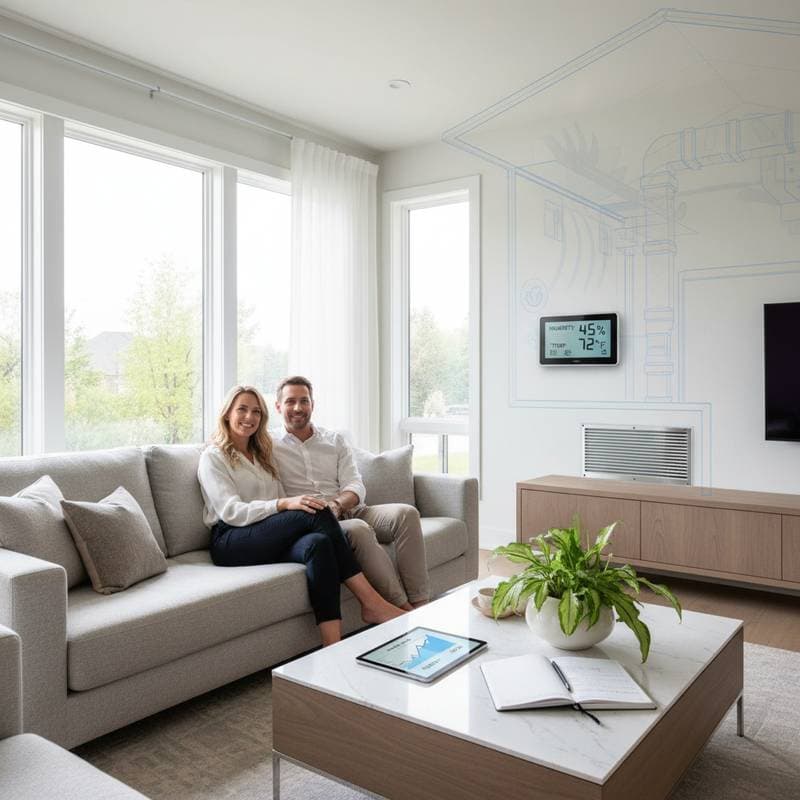
A whole-home dehumidifier integrates directly with your HVAC system to regulate humidity across the entire house. It pulls in humid air, extracts moisture via condensation, and circulates dry air through the ductwork. In contrast to portable units that target single rooms, these systems provide automated control for the whole home, typically maintaining relative humidity between 40 and 50 percent based on your local climate and personal preferences.
Excess moisture contributes to problems like mildew formation, floor damage, and diminished HVAC performance. Insights from HVAC professionals on forums such as Reddit and Houzz indicate that homes with whole-home dehumidifiers experience reduced allergy issues and less stress on cooling systems during peak humidity periods.
Average Cost Breakdown
The total cost for installing a whole-home dehumidifier varies according to multiple factors. Most homeowners allocate between $2,000 and $5,000 for the project, with variations influenced by home configuration, unit capacity, and regional labor rates.
Key cost components consist of:
- Equipment cost: The dehumidifier unit ranges from $1,200 to $3,000. Leading brands include Aprilaire, Honeywell, and Santa Fe, each offering models suited to specific square footage requirements.
- Labor and installation: Professional services typically run $800 to $2,000, covering duct connections, drainage setup, and control integration.
- Electrical upgrades: Homes needing a dedicated circuit or extra wiring incur additional costs of $200 to $500.
- Optional features: Additions like smart controls, humidity sensors, or air purification modules add several hundred dollars.
Although portable units appear more affordable initially, whole-home systems deliver extended durability, reduced energy consumption per square foot, and uniform humidity management.
Factors That Influence Total Cost
Several home-specific elements affect the overall installation expense.
- Home size: Larger residences demand higher-capacity units to process greater air volumes. For instance, a unit rated for 3,000 square feet exceeds the price of one for 1,200 square feet.
- Existing HVAC setup: Modern ductwork and central controls simplify integration and lower costs. Older systems often require duct modifications.
- Climate and humidity levels: Properties in coastal or persistently humid regions necessitate robust units or enhanced drainage features.
- Energy efficiency goals: Premium energy-efficient models carry higher upfront prices but cut electricity usage by 20 to 30 percent over standard options, as noted in analyses from sources like Forbes Home.
DIY or Professional Installation
Certain homeowners explore self-installation, yet the process involves electrical wiring, ductwork integration, and drainage management that demand precision. Errors may result in leaks, suboptimal performance, or safety risks.
DIY installation suits scenarios where:
- You possess prior HVAC experience.
- The unit provides detailed manufacturer guidelines for system integration.
- You own essential tools, including duct cutters, sealants, and electrical testers.
Professional installation proves essential in cases such as:
- First-time connections to an existing HVAC system.
- Requirements for new wiring or circuit installations.
- Compliance with local codes mandating licensed electricians.
Engaging experts guarantees optimal operation from the outset. Many HVAC contractors extend labor warranties, safeguarding your investment.
Expected Operating Costs
Post-installation, running expenses remain modest. These systems add $10 to $30 monthly to electricity bills, scaled to usage and home size. Regular filter cleaning or replacement every few months preserves efficiency; washable filters in some models further minimize upkeep costs.
Yearly professional maintenance costs $100 to $200, encompassing inspections of coils, drainage lines, and sensors. Consistent servicing averts failures and prolongs system life to 10 years or beyond.
Improving Indoor Air Quality
Beyond moisture control, whole-home dehumidifiers enhance HVAC functionality. Drier air enhances perceived coolness, permitting higher thermostat settings without comfort loss, which conserves energy and eases equipment strain.
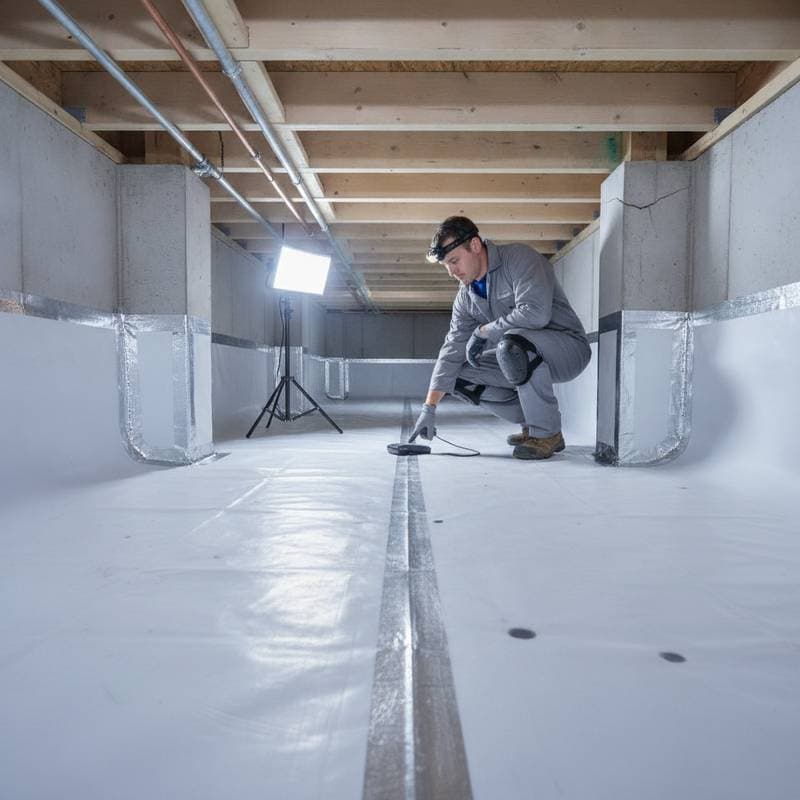
User experiences shared on platforms like Quora and YouTube highlight benefits including reduced window condensation, eliminated basement odors, and decreased dust accumulation. Such changes promote year-round comfort and safeguard moisture-sensitive items like furniture and flooring.
Budget Planning Tips
Account for initial and recurring expenses when outlining your budget. Structure allocations across three phases: acquisition, setup, and ongoing care.
1. Acquisition phase:
Evaluate brands and select a model aligned with your home's square footage. Prioritize Energy Star-rated units for superior efficiency.
2. Setup phase:
Obtain quotes from at least two certified HVAC specialists. Inquire about compatibility with your current system and potential modifications.
3. Ongoing care phase:
Reserve funds annually for filter changes and professional inspections.
Bundling with other HVAC projects, such as air conditioner or furnace replacements, often yields labor savings. Contractors frequently offer discounts for combined services in a single visit.
Preventing Future Issues
Post-installation, track humidity with an integrated or standalone hygrometer. Clear drainage lines regularly and inspect for water accumulation near the unit. Address floor-to-floor humidity disparities by having a technician evaluate duct balance.
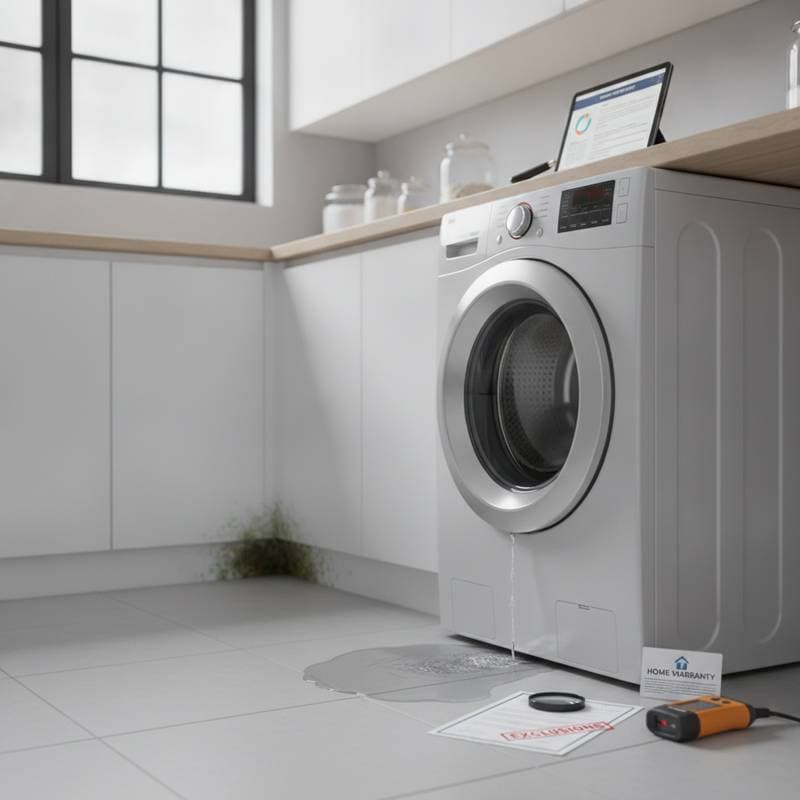
Homeowners frequently report challenges with drainage configuration, leading to condensate pump overflows. Direct installers to route lines to suitable outlets to avoid such complications.
Maintaining Your Investment
A whole-home dehumidifier represents a durable enhancement that yields returns in comfort, health benefits, and structural preservation. It suppresses mold, optimizes HVAC operations, and protects elements like hardwood floors and trim. Regular tune-ups and filter maintenance secure longevity and forestall expensive repairs.
For numerous homeowners, the assurance of consistent indoor air quality justifies the expenditure. Through strategic budgeting and expert installation, this system elevates your home's livability while curbing broader maintenance demands.