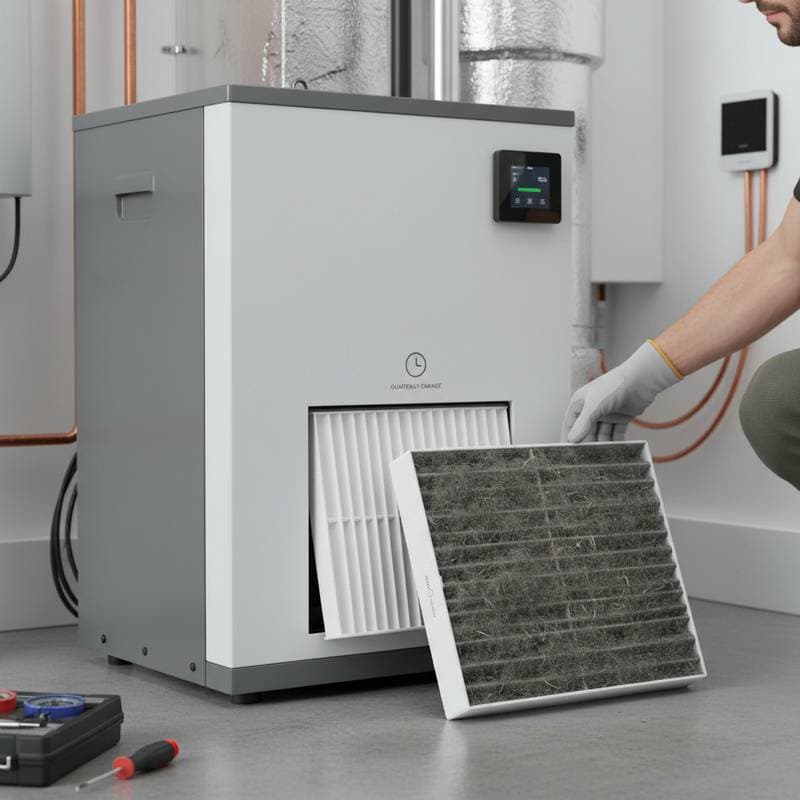
Why Quarterly HVAC Filter Changes Matter for Your Home
Your HVAC system operates continuously to maintain comfortable indoor temperatures, yet its efficiency hinges on a single, often overlooked element: the air filter. Homeowners frequently delay replacements, leading to restricted airflow, elevated utility costs, and premature system wear. Establishing a quarterly filter replacement routine stands as a straightforward, economical strategy to sustain optimal performance year-round.
The Impact of Clogged Filters on System Performance
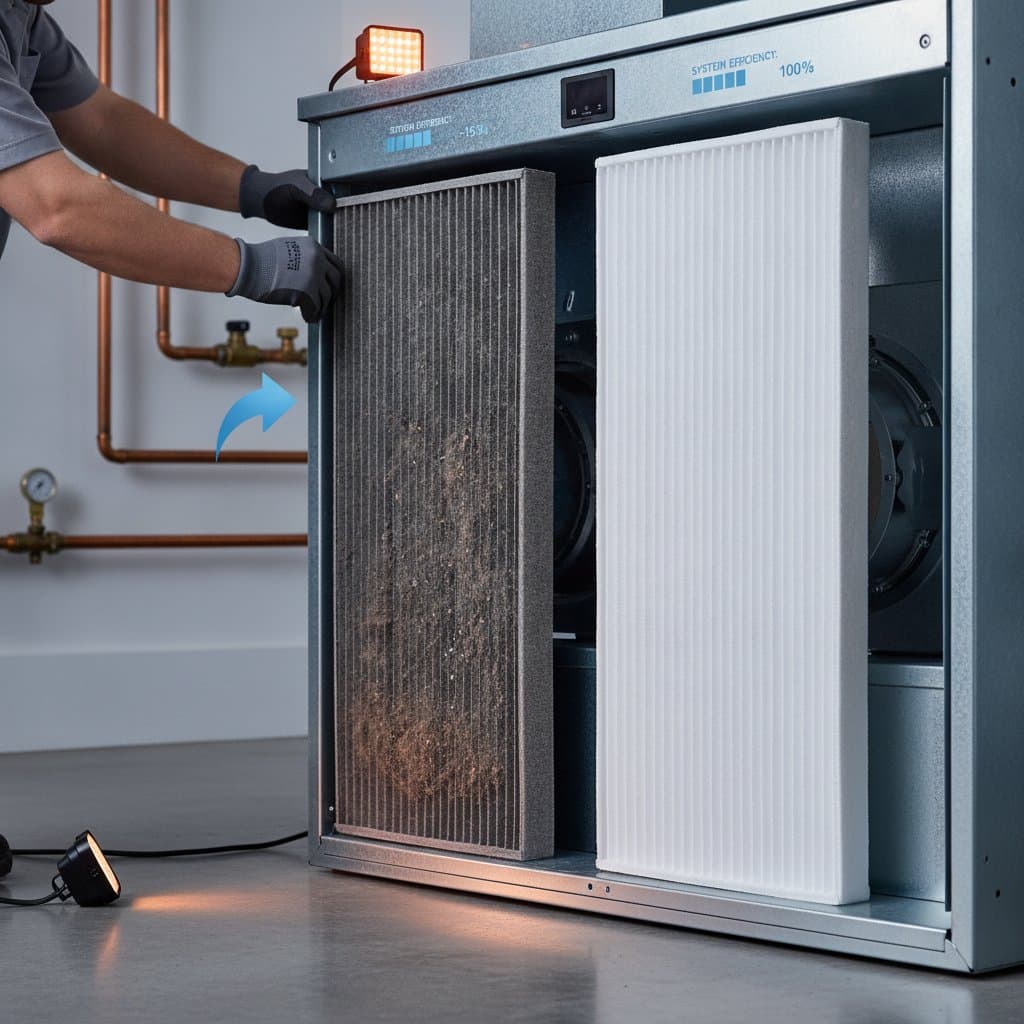
As the HVAC system cycles on, it draws air through the filter to capture dust, pet dander, pollen, and other particles. Accumulation of these elements gradually obstructs the filter, impeding air passage. The system then labors to distribute conditioned air via the ducts, resulting in increased energy demands and accelerated component degradation.
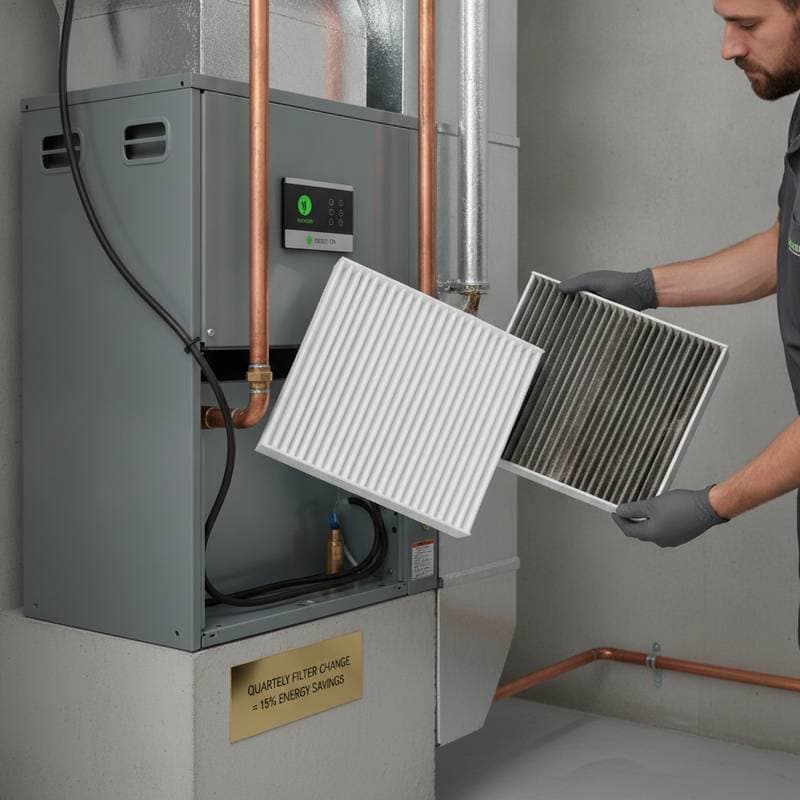
Data from the U.S. Department of Energy indicates that installing a fresh filter can reduce energy usage by as much as 15 percent. This savings accumulates over heating and cooling seasons. Viewing filter replacements as essential upkeep safeguards air purity and prolongs equipment durability.
Determining the Ideal Replacement Frequency
Manufacturers typically advise filter changes every three months, though certain households require adjustments. Key influences include:
- Household occupancy and activity: Larger families generate more particles from shedding skin, clothing lint, and routine activities.
- Presence of pets: Fur and dander accelerate clogging, particularly with multiple animals.
- Health considerations: Individuals with allergies or breathing issues benefit from purer air, necessitating more frequent changes.
- Environmental surroundings: Proximity to dust sources like construction sites, agricultural areas, or busy roads hastens buildup.
A quarterly cadence serves as a reliable starting point. Tailor it to your specific circumstances while prioritizing regularity.
Key Advantages of a Quarterly Replacement Routine
Adopting this schedule yields tangible improvements extending past basic airflow enhancement.
- Enhanced air quality: Filters capture contaminants, minimizing their distribution and alleviating allergy triggers while reducing surface dust.
- Improved energy savings: Unobstructed flow enables efficient operation, trimming electricity or gas expenses.
- Extended system longevity: Less stress on components like motors and blowers decreases failure rates.
- Uniform temperature control: Consistent circulation ensures even heating or cooling across rooms.
- Reduced repair expenses: Proactive care averts expensive interventions for issues like motor burnout.
Users adhering to this practice report quieter operation and steadier temperatures. Technicians servicing systems from manufacturers such as Trane or Lennox routinely emphasize how such diligence averages out major issues.
Establishing an Effective Quarterly Schedule
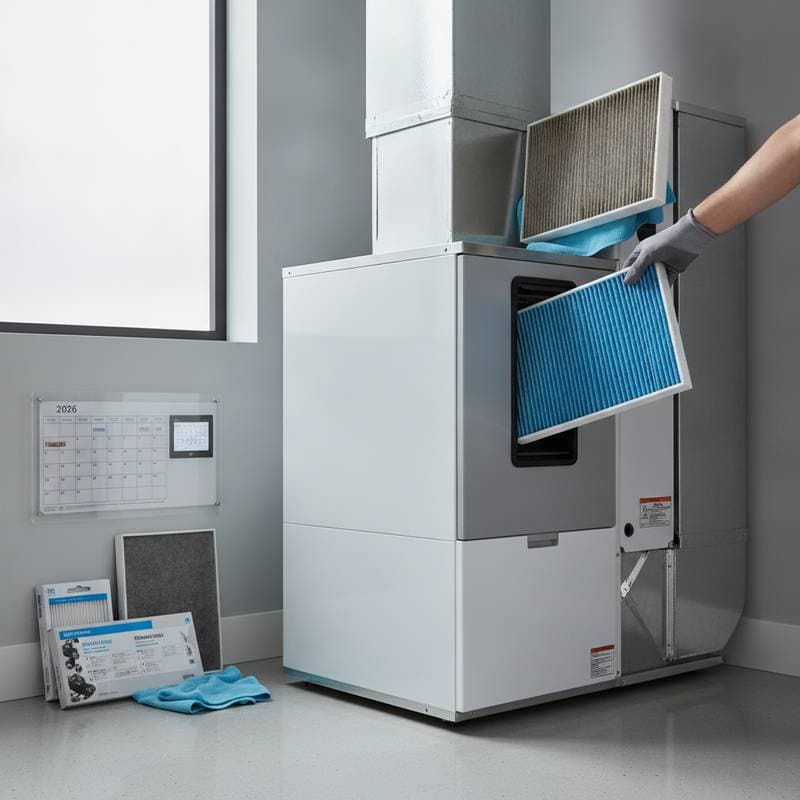
Organization simplifies adherence to the routine. Label return vents with the prior replacement date. Leverage phone alerts or home automation tools for timely notifications. Stock extras to complete swaps swiftly.
Proceed with these steps:
- Measure the filter: Note dimensions on the existing unit's frame, such as 16x20 or 20x25 inches.
- Select appropriate MERV rating: Values from 8 to 12 suit typical residences, balancing capture and airflow.
- Purchase in advance: Acquire a full year's quantity to cut costs and avoid shortages.
- Schedule alerts: Program four annual prompts at equal intervals.
- Evaluate used filters: Assess dirt levels to refine timing for your setting.
Should filters show excessive grime prematurely, accelerate the cycle. If they remain relatively clean, maintain the quarterly interval for caution.
Handling Replacements: Self-Service or Expert Help
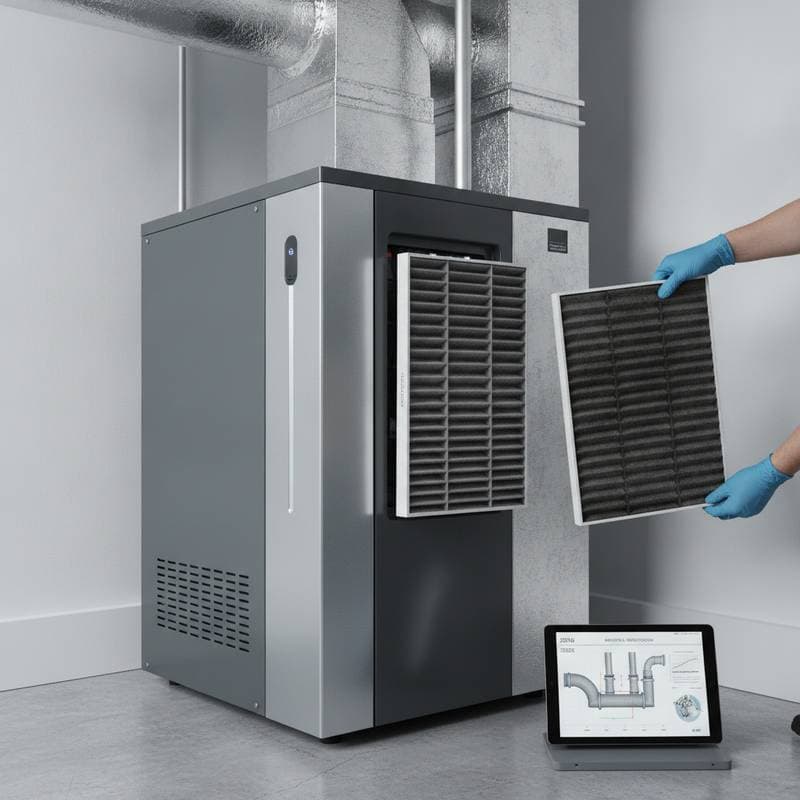
Most individuals manage filter swaps independently by removing the old unit, verifying directional arrows, and securing the new one. Professional involvement proves useful in select scenarios.
Consider expert aid when:
- Systems feature dispersed returns across zones.
- Access points reside in challenging spots like attics or basements.
- Units employ advanced options such as electrostatic or HEPA filters.
- Airflow irregularities suggest deeper concerns like duct obstructions or blower malfunctions.
Service providers often bundle filter service into seasonal inspections, encompassing checks on belts, coils, and refrigerant for comprehensive evaluation.
Evaluating Expenses and Financial Strategy
Prices fluctuate by material and maker. Standard fiberglass options start at a few dollars, whereas pleated or specialized variants climb to twenty dollars apiece. Bulk orders lower individual rates; a four-pack of standard pleated filters might match the price of two singles.
Factor in that routine costs pale against fixes for overworked parts like compressors. This ongoing investment preserves efficiency and sidesteps unexpected charges. Community discussions on platforms like Reddit's home improvement sections highlight how quarterly habits have averted service fees in short order.
For ease, services from suppliers like FilterBuy or Second Nature offer scheduled deliveries tailored to your needs, ensuring readiness without tracking.
Essential Safety Measures for Filter Changes
Power down the system at the thermostat or breaker prior to starting. This halts circulation of unfiltered air. Use a vacuum to clear dust from the housing. Ensure proper fit without force; mismatched sizes demand verification.
Keep reserves in a dry, protected space to prevent frame distortion or contamination. Transport soiled filters vertically to contain particles, then seal in bags for disposal.
Accounting for Seasonal Variations
- Spring: Refresh filters amid rising pollen to block allergen entry.
- Summer: Intense cooling cycles demand clean filters to handle sustained operation.
- Fall: Update before furnace activation to clear accumulated summer residues.
- Winter: New filters optimize heat distribution and avoid cold spots.
Sustaining Efficiency Through Consistent Care
Quarterly filter maintenance represents a fundamental yet impactful aspect of HVAC stewardship. It shields your investment, stabilizes costs, and elevates living conditions.
Integrate reminders, maintain a supply, and review each replacement to preempt issues. Opt for hands-on methods or professional oversight as suits your setup; either path secures reliable performance and fiscal prudence.