Planning a Greywater Installation: Essential Costs and Permit Details
Homeowners seeking to lower water bills and minimize waste increasingly adopt greywater recycling systems. These setups collect lightly contaminated water from sources such as sinks, showers, and washing machines, then redirect it for uses like garden irrigation or toilet flushing. Proper planning involves evaluating costs, navigating local regulations, and selecting the appropriate installation method to ensure long-term efficiency and compliance.
This comprehensive guide outlines the key steps for installing a greywater system. It details expected expenses, required permits, and decision factors for DIY versus professional approaches, empowering readers to make informed choices for their properties.
Understanding Greywater System Types and Operations
Greywater systems divide into two primary types: direct diversion and treatment with storage. Each type suits different household needs based on water volume, reuse purposes, and budget constraints.
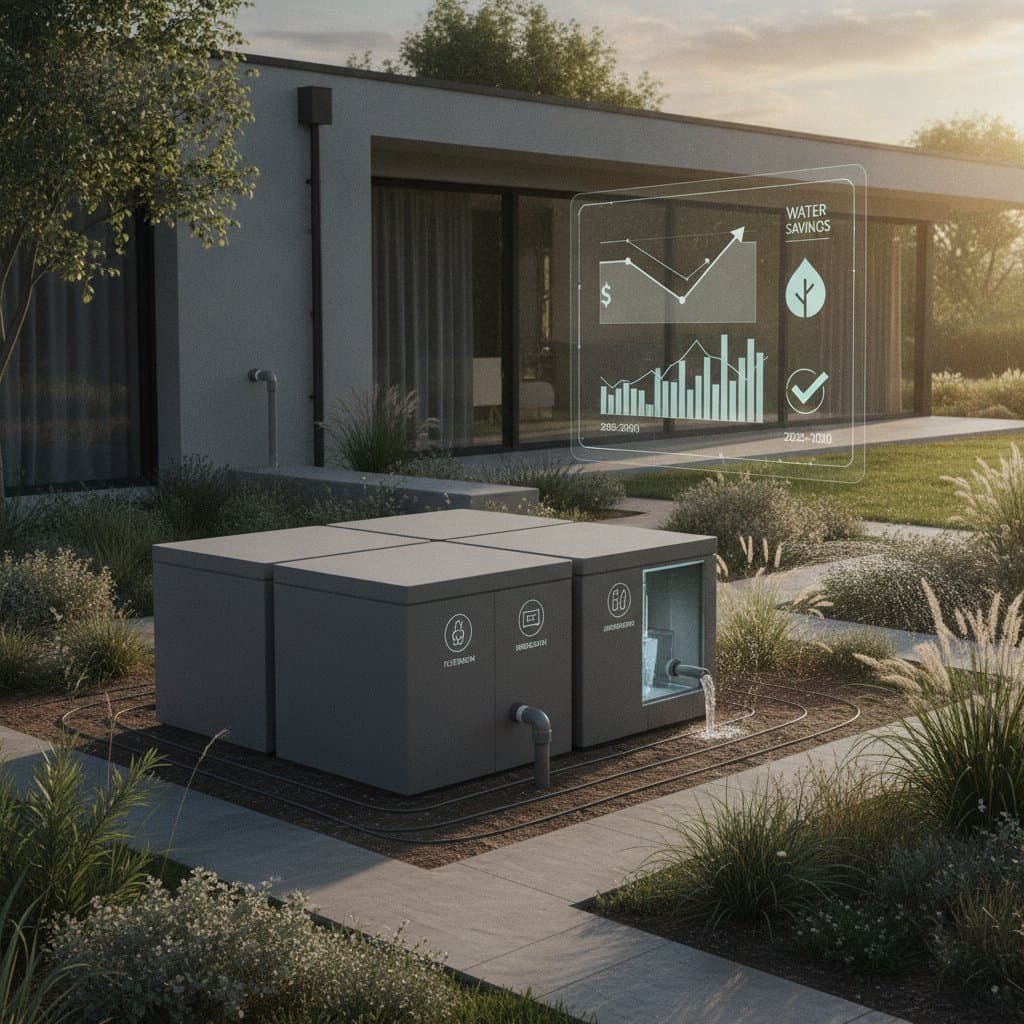
Direct diversion systems channel greywater immediately from fixtures like showers or laundry appliances to landscape irrigation areas. They rely on gravity flow or compact pumps paired with basic filtration to remove debris. These setups prove economical, with installation costs often under $1,000 for simple configurations, and demand little ongoing upkeep. Property owners with ample outdoor space for trees, shrubs, or low-water groundcover find them particularly suitable, as they avoid complex storage components.
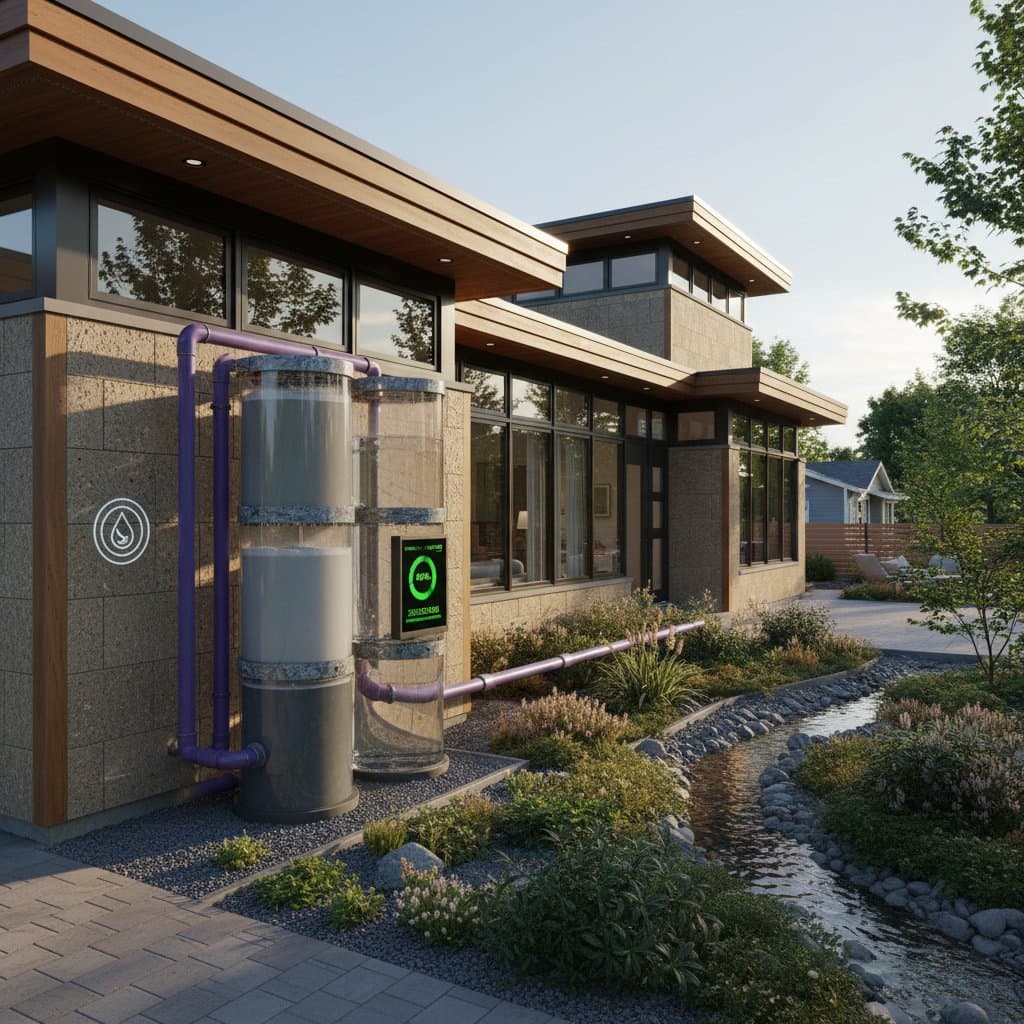
Treatment and storage systems, by contrast, gather greywater in dedicated tanks for advanced processing. Filtration removes solids, while optional disinfection eliminates bacteria, enabling reuse in toilets or subsurface drip irrigation. Though initial costs range from $2,000 to $10,000 depending on capacity, these systems offer reliable performance across varying water inputs and support indoor applications. A plumbing specialist featured in industry discussions emphasizes that selecting a system aligned with daily routines and site conditions prevents underutilization; for instance, families with high laundry output benefit most from robust storage options.
To choose effectively, calculate daily greywater production by tracking household water use over a week. Typical single-family homes generate 20 to 50 gallons per person daily from eligible sources, guiding the scale of filtration and distribution needs.
Navigating Permits and Local Regulations
Regulations for greywater systems vary widely by location, reflecting concerns over health, safety, and environmental protection. In many urban and suburban areas, basic direct diversion setups for subsurface irrigation require only a notification to the local building authority or a straightforward inspection. Advanced systems involving storage tanks or indoor plumbing, however, demand comprehensive permits to verify design integrity.
Contact the municipal building department early to submit a detailed plan. This document should illustrate water source connections, filtration specifications, and discharge zones, ensuring no crossover with drinking water lines. Certain regions impose seasonal restrictions, such as halting use during heavy rainfall to avoid soil saturation, or ban direct discharge into storm sewers to prevent contamination. Additionally, verify that household products like detergents and shampoos qualify as biodegradable and non-toxic, as harsh chemicals can damage vegetation or disrupt soil ecosystems.
Professionals in online forums highlight the risks of bypassing permits: fines, system dismantling, or diminished property value during resale. Obtaining official approval not only safeguards against legal issues but also documents the upgrade for future appraisals, appealing to eco-minded buyers.
Weighing DIY Against Professional Installation Options
Individuals skilled in basic plumbing and landscaping may opt for DIY installation to control expenses and customize the setup. This approach suits straightforward direct diversion projects on level terrain, where tools like PVC piping, filters, and a shovel suffice. Follow these steps: map irrigation paths to maintain a minimum two-foot separation from edible plants; install check valves to prevent backflow; and test the system incrementally to detect leaks. Precision remains critical, as errors in slope calculation or sealing can cause water pooling or pathogen spread.
Professional installation provides assurance for intricate designs or code-heavy jurisdictions. Licensed plumbers or irrigation contractors assess site specifics, integrate lines seamlessly with existing infrastructure, and calibrate components like tank sizes based on usage data. Expect to pay $50 to $150 per hour for labor, plus materials, but this investment mitigates risks in compact urban lots or multi-story homes where indoor routing complicates matters.
Rural properties with open land and simple outdoor needs often accommodate DIY efforts successfully, provided owners consult local guidelines. In contrast, dense neighborhoods benefit from expert oversight to avoid neighbor disputes or utility conflicts.
Calculating Cost Savings and Broader Environmental Benefits
Greywater systems yield substantial financial returns through reduced water consumption, particularly in regions with high utility rates. For example, a four-person household irrigating a half-acre yard might save 5,000 gallons monthly, translating to $50 to $200 in annual bill reductions at average U.S. rates. Payback periods typically span three to seven years, accelerating for properties with extensive landscaping or frequent laundry cycles.
Environmentally, these systems alleviate pressure on public water supplies and wastewater facilities. By recycling onsite, they cut demand for freshwater pumping and treatment, preserving aquifers and reducing energy use in processing. Sustainability experts observe that if 10 percent of households adopted greywater reuse, urban areas could conserve billions of gallons yearly, mitigating drought impacts and supporting biodiversity through healthier soils.
To maximize returns, pair the system with water-efficient fixtures and native plantings, amplifying overall conservation efforts.
Strategies to Avoid Common Maintenance Challenges
Incorporate maintenance considerations from the outset to minimize disruptions. Position access points for filters and valves at ground level for easy inspection, and select modular components that allow quick part replacements. Choose plant-safe cleaning agents from the start, and schedule quarterly checks to clear sediment buildup, especially in hard-water areas.
Maintain records of all installations and modifications, including photos and receipts, to streamline future compliance reviews or home sales. Regular upkeep, such as flushing lines annually, extends system life beyond a decade while upholding performance.
Advancing Home Efficiency Through Greywater Adoption
A greywater system represents a strategic enhancement to residential water management. By securing permits, designing thoughtfully, and committing to routine care, owners unlock reliable savings and contribute to resource preservation. This practical step fosters resilient, self-sufficient living amid growing water challenges.