Understanding Greywater Systems
Greywater refers to lightly used wastewater from sinks, showers, bathtubs, and washing machines. These systems collect and redirect this water for non-potable uses, such as garden irrigation, instead of sending it directly to sewer lines. By implementing a greywater system, homeowners can conserve fresh water resources while addressing everyday needs.
The process begins with simple diversion methods that separate greywater from blackwater, which comes from toilets and contains higher levels of contaminants. Proper design ensures the water remains safe for landscape use. Many systems incorporate basic filtration to remove solids and improve water quality before distribution.
Homeowners often choose greywater systems to respond to rising water costs and environmental concerns. In arid regions, these setups prove particularly valuable during periods of restriction. The technology ranges from low-cost, manual options to sophisticated, automated installations.
Installation Costs and Options
Costs for greywater systems vary based on scale, complexity, and local factors. A basic setup, such as a laundry-to-landscape diversion, typically ranges from $200 to $1,000. This option involves installing a three-way valve on the washing machine outlet to route water directly to mulch basins around trees or shrubs.
Mid-range systems, which include a small storage tank and basic filtration, cost between $2,000 and $5,000, including labor. These units suit households with moderate water needs and feature components like surge tanks to handle flow variations. For example, a 50-gallon tank with a simple screen filter allows storage for overnight use in irrigation.
Whole-home systems with automation and advanced treatment can range from $5,000 to $20,000 or more, depending on site conditions and customization. These integrate with existing plumbing, use pumps for even distribution, and may include sensors to monitor water quality. Labor constitutes 40 to 60 percent of the total expense, as licensed plumbers ensure compliance with codes.
Materials contribute significantly to the budget. Expect to spend on tanks made from durable polyethylene, diverter valves for flow control, multi-stage filters to capture lint and debris, and PVC piping for conveyance. Additional features, such as irrigation line connections or larger storage capacities, add $500 to $2,000.
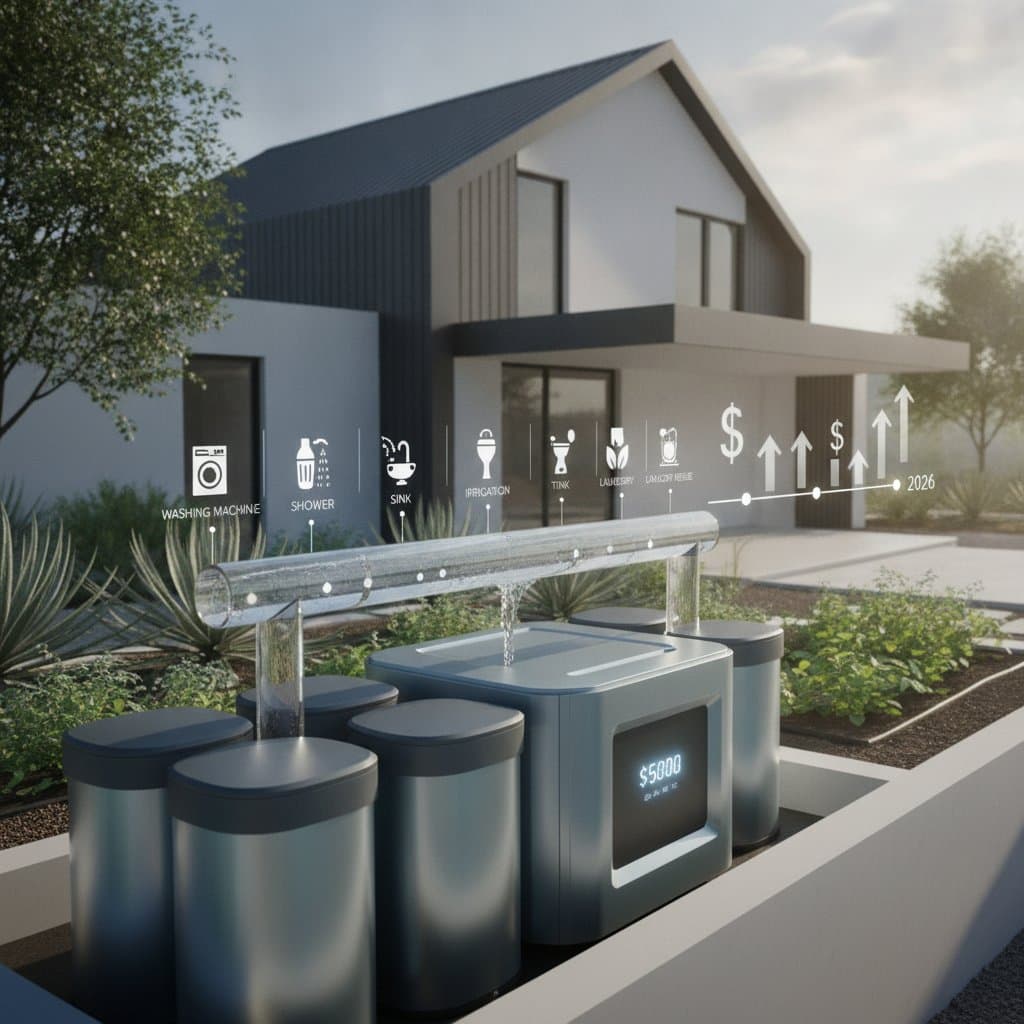
To visualize expenses, consider a simple bar chart comparing these categories:
- Basic diversion: $200–$1,000
- Mid-range with tank: $2,000–$5,000
- Whole-home automated: $5,000–$20,000
Alt text: Bar chart illustrating cost ranges for basic, mid-range, and whole-home greywater systems.
Navigating Permits and Regulations
Local authorities regulate greywater installations to safeguard public health and the environment. Most municipalities require a plumbing permit for any system that alters wastewater flow. Begin by contacting your citys building department or environmental health office to review specific guidelines.
Simple systems, like laundry diversions that discharge to surface irrigation, often need only a basic inspection. Officials verify that water does not pond on the surface or contact edible plants. More complex setups, such as those irrigating vegetable gardens or incorporating subsurface distribution, demand detailed plans and possibly engineered designs.
Permits focus on preventing contamination of drinking water sources and ensuring proper treatment. Systems must include backflow prevention devices and avoid connections to potable lines. In some areas, underground storage requires certified filtration to meet groundwater protection standards.
Professional contractors typically manage the permitting process, submitting site plans, equipment specifications, and hydraulic calculations. For DIY projects, allocate two to four weeks for approvals. Prepare scaled drawings of the layout, product datasheets from manufacturers, and a maintenance schedule. Failure to obtain permits risks fines up to $1,000 or mandatory system removal.
Calculating Savings and Environmental Impact
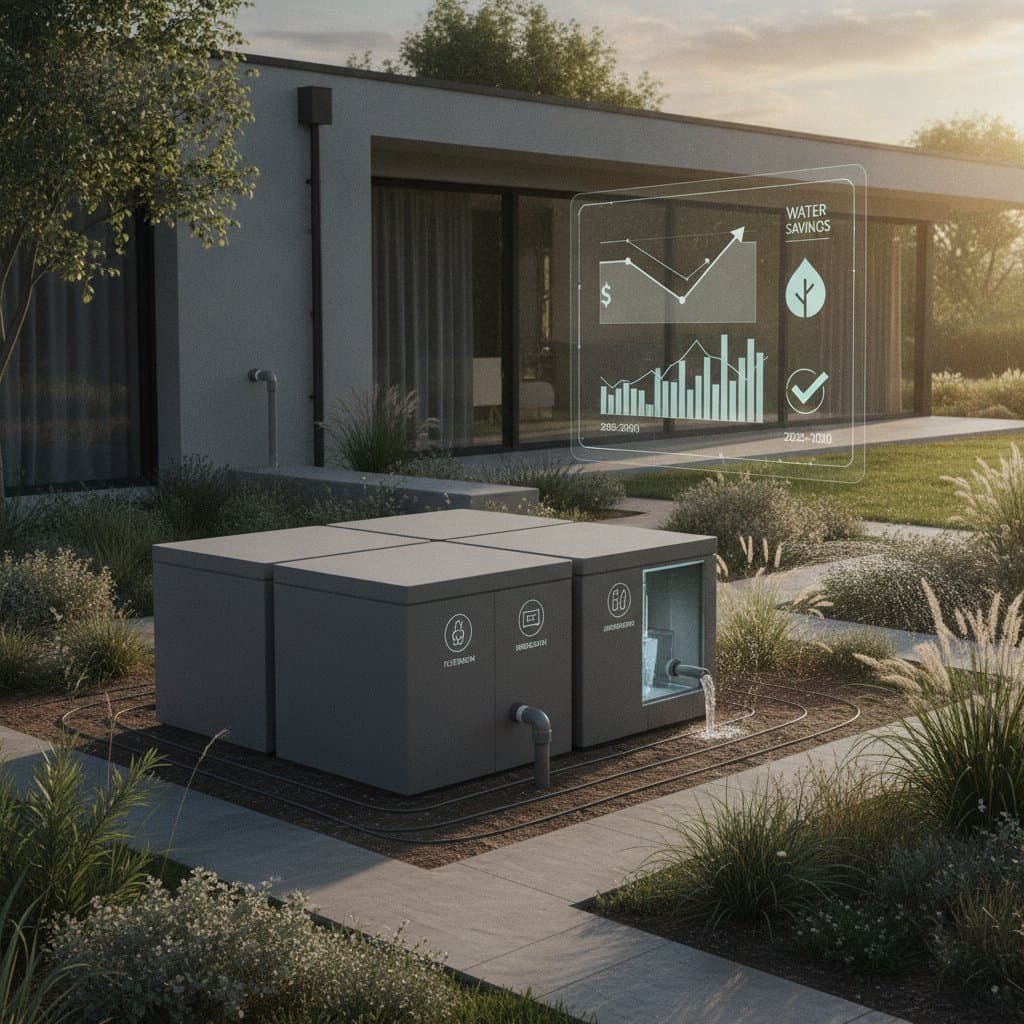
Greywater systems deliver financial returns by offsetting municipal water charges for outdoor use. A typical four-person household might save 20,000 to 40,000 gallons annually, translating to $100 to $300 in reduced bills, based on average U.S. rates of $0.005 per gallon. Savings increase in high-cost or drought-prone areas.
The payback period often spans three to seven years, after which the system generates pure profit. Track usage with a separate meter on the irrigation line to quantify benefits accurately. Over a decade, cumulative savings can exceed the initial investment.
Beyond economics, these systems lessen environmental footprints. They reduce wastewater volume entering treatment plants by up to 50 percent, easing infrastructure demands. During droughts, greywater provides a reliable irrigation source, maintaining landscapes without tapping municipal supplies.
Gardens benefit from the mild nutrients in greywater, such as nitrogen from soaps, fostering lush growth. Homeowners frequently note improved soil moisture retention and reduced need for chemical fertilizers. As one expert observes: "Every gallon reused from a shower or sink is a gallon not taken from a reservoir, making greywater systems both practical and responsible."
Essential Maintenance and Safety Practices
Regular upkeep ensures greywater systems operate efficiently and safely. Select biodegradable, phosphate-free soaps and detergents to minimize plant stress and filter clogging. Avoid products containing bleach, boron, or salts, which can accumulate in soil and harm vegetation.
Inspect and clean filters every one to three months, depending on household usage. Rinse screens to remove hair and lint, and flush tanks to prevent sediment buildup. For pumped systems, test motors seasonally and lubricate moving parts as recommended by the manufacturer.
Clearly label all greywater pipes with warnings like "Non-Potable Water - Do Not Drink." Route overflow lines to approved drains or dry wells to handle excess during heavy rains. Install the system at least 100 feet from wells or septic fields to protect groundwater.
Warning: Limit untreated greywater storage to 24 hours maximum. Prolonged stagnation promotes bacterial growth, odors, and potential health risks. If issues arise, such as unusual smells or clogs, consult a professional immediately.
Insights from Real Implementations
Homeowners across various communities report success with greywater systems. On online forums dedicated to sustainable living, users describe bill reductions of 15 to 25 percent alongside vigorous plant growth. One family in a suburban setting noted their citrus trees thrived after switching to shower water irrigation.
Local cooperative extensions and environmental groups offer resources, including free workshops on system design and troubleshooting. These events cover site assessments, such as soil percolation tests, to match systems to properties. Participants gain hands-on experience with components like valves and filters.
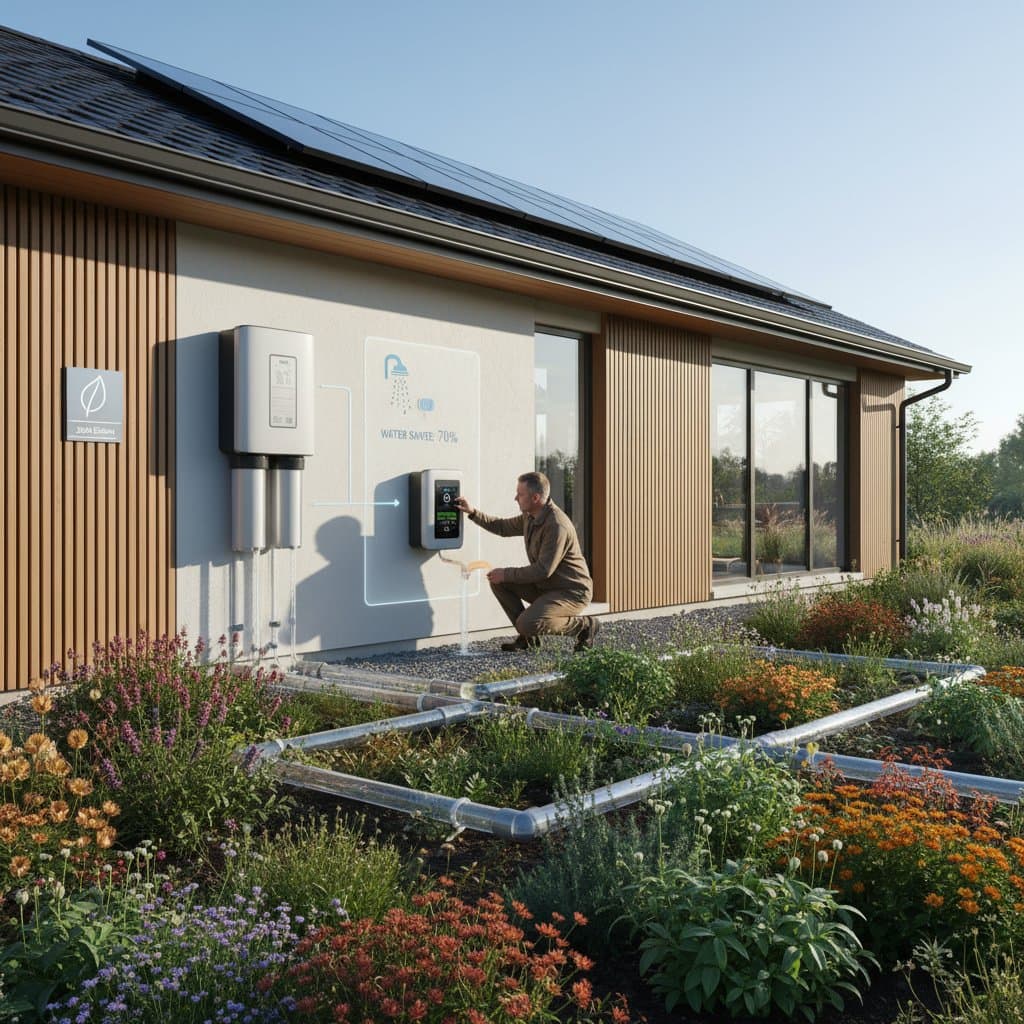
Visualize maintenance in action through a photo of a homeowner servicing a filter unit.
Alt text: Individual cleaning the filter of a residential greywater installation.
Steps to Implement Your System
Evaluate your propertys water usage and landscape needs before purchasing components. Calculate daily greywater production, typically 20 to 50 gallons per person from baths and laundry. Consult online calculators or local experts for precise estimates.
Opt for a pilot project, such as a laundry diversion, to test integration with your routine. Monitor performance for six months, logging savings and any adjustments required. If results satisfy, scale up to include bathroom sources.
Document the entire process with photos, receipts, and maintenance logs. This record supports warranty claims and boosts home resale value by demonstrating eco-upgrades. Professional installation guarantees longevity, but DIY approaches work well for straightforward designs.
Sustaining Value Through Greywater
Greywater systems integrate seamlessly into modern homes, yielding ongoing rewards in cost efficiency and ecological harmony. They transform a routine byproduct into an asset that nurtures landscapes and conserves resources. With diligent planning, regulatory adherence, and consistent care, these installations foster resilient, water-wise properties for years to come.