Understanding Greywater Systems
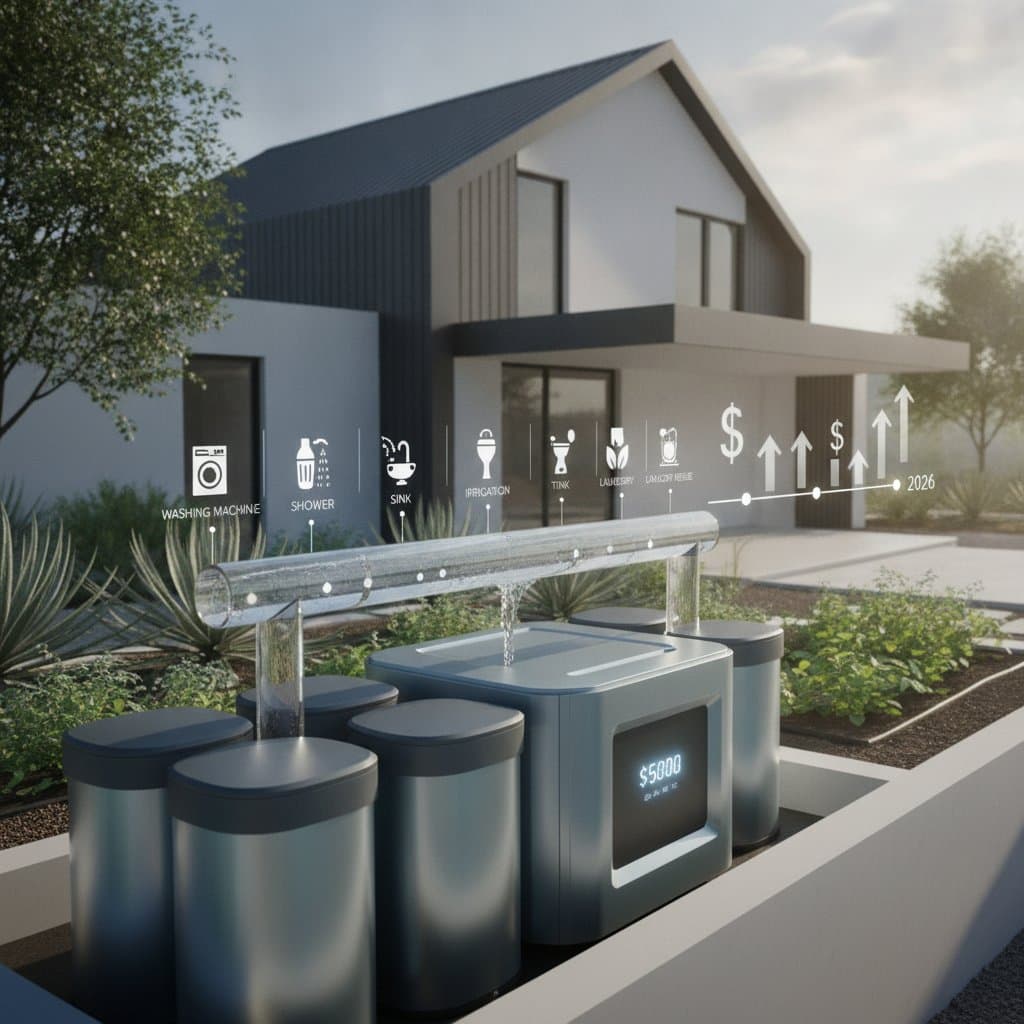
Greywater refers to wastewater from household sources such as sinks, showers, and washing machines, excluding toilet waste. These systems collect and reuse this water for purposes like irrigation or toilet flushing, conserving fresh water supplies. Homeowners increasingly adopt them to address rising utility costs and environmental concerns.
In regions facing water scarcity, greywater reuse supports sustainable living without compromising hygiene standards. Systems vary in complexity, from simple diversion setups to advanced treatment units. Selecting the right option depends on local regulations and household needs.
Types of Greywater Systems
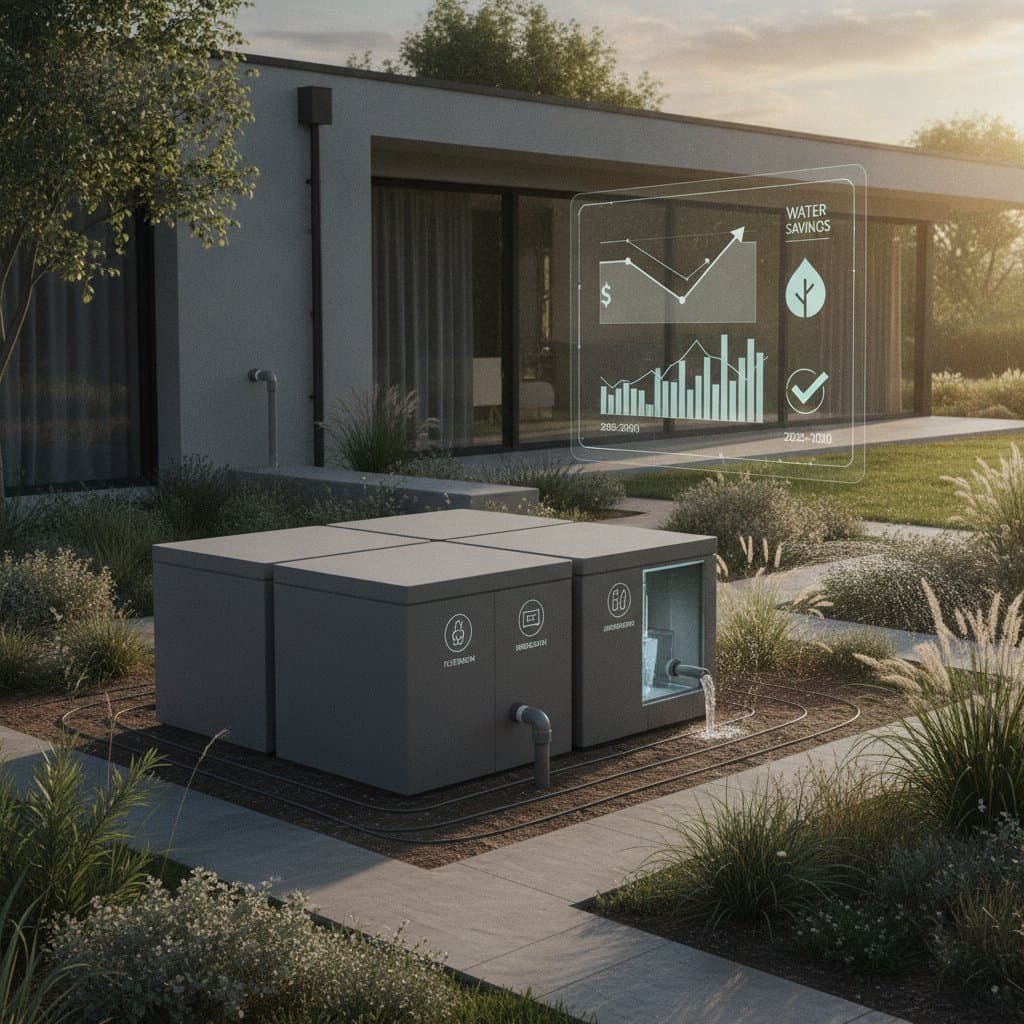
Basic diversion systems route greywater directly to landscape areas, suitable for outdoor watering in mild climates. These require minimal filtration and suit small-scale applications. More sophisticated systems incorporate filtration and disinfection to enable indoor reuse, such as laundry-to-landscape models.
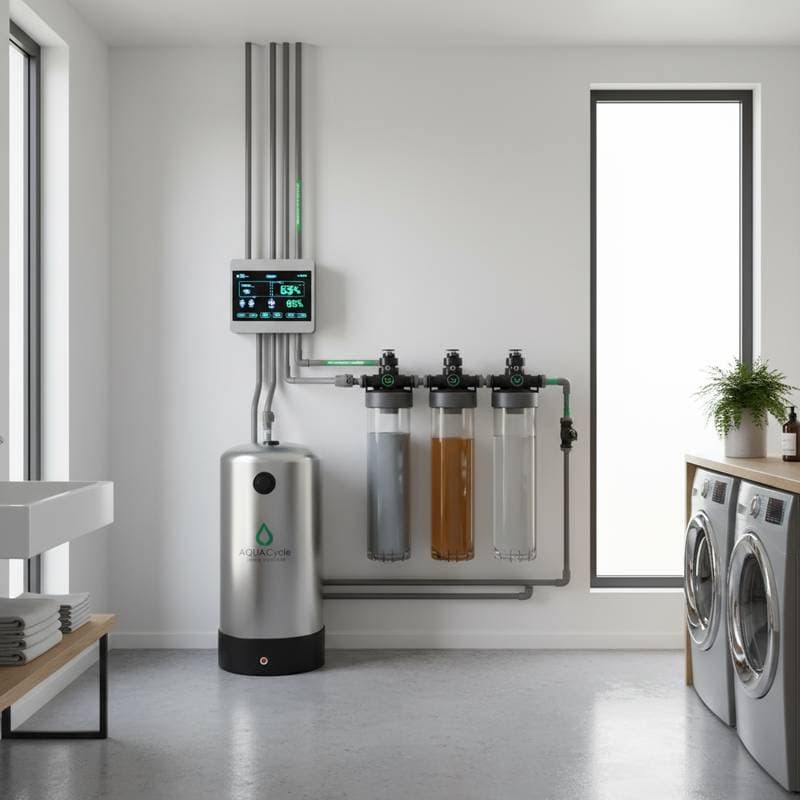
Advanced treatment systems use biological processes or ultraviolet light to purify water for broader applications. Branched drain systems distribute greywater underground through perforated pipes, promoting soil absorption. Each type balances cost, efficiency, and compliance with health guidelines.
- Diversion systems: Low-cost, simple plumbing rerouting.
- Filtration systems: Add screens and pumps for cleaner output.
- Treatment systems: Include tanks and disinfectants for potable-level safety.
Costs Associated with Greywater Installation in 2026
Installation expenses for greywater systems range from $1,500 to $10,000, influenced by system complexity and property size. Basic diversion setups start at the lower end, while full treatment systems approach the higher figure due to pumps, tanks, and professional labor. Ongoing costs include filters and maintenance, typically $100 to $300 annually.
Material prices have stabilized in 2026, with plumbing components and tanks benefiting from eco-material advancements. Labor fees vary by region, often 40 to 60 percent of the total budget. Homeowners can offset expenses through rebates or incentives in water-conscious areas.
Factors affecting cost include:
- System scale: Larger homes demand more capacity.
- Site preparation: Soil testing and trenching add to groundwork.
- Professional involvement: Certified installers ensure code compliance.
Navigating Permits and Regulatory Compliance
Most municipalities require permits for greywater installations to safeguard public health and groundwater. Application processes involve submitting system designs and soil reports to local environmental agencies. Approval timelines span two to eight weeks, depending on jurisdiction.
Compliance standards emphasize preventing pathogen spread and soil contamination. Systems must include backflow prevention and overflow safeguards. Consult building departments early to identify specific rules, such as separation distances from wells or edible gardens.
Key steps for permit acquisition:
- Research local codes via municipal websites.
- Hire a licensed engineer for plan certification.
- Schedule inspections during and after installation.
Step-by-Step Installation Guide
Begin with a professional assessment of your plumbing and yard layout to determine feasibility. Select components compatible with your water sources, ensuring no cross-contamination with blackwater. Install surge tanks or filters at collection points to manage flow.
Trench lines from the home to irrigation zones, burying pipes at least six inches deep. Connect the system to existing drains with diverter valves for easy switching. Test the setup thoroughly before full operation, monitoring for leaks or clogs.
Professional installation recommends for complex systems to avoid errors. DIY options work for simple diversions but require plumbing knowledge. Finalize with labeling and documentation for future reference.
Essential Maintenance Practices
Regular upkeep extends system life and maintains efficiency. Inspect filters monthly, cleaning or replacing as needed to prevent blockages. Monitor irrigation areas for signs of overwatering or nutrient buildup, adjusting flow rates accordingly.
Annual professional servicing checks pumps, valves, and treatment media. Drain tanks during winter in cold climates to avoid freezing. Track water savings through utility bills to verify performance.
Maintenance checklist:
- Clean filters: Every 1-2 months.
- Flush lines: Quarterly to remove sediment.
- Test water quality: Annually for pH and contaminants.
Enhancing Home Value Through Greywater Adoption
Greywater systems appeal to eco-conscious buyers, potentially increasing property resale value by 2 to 5 percent in sustainable markets. They demonstrate proactive environmental stewardship, aligning with green building certifications. Reduced utility expenses provide immediate financial relief, with payback periods of three to seven years.
In 2026, appraisers recognize these upgrades as value-add features, especially in drought-prone areas. Integration with solar or rainwater systems amplifies appeal. Document installations and savings to highlight benefits during sales.
Realizing Long-Term Sustainability Gains
Implementing a greywater system positions your home as a model of resource efficiency. Beyond cost savings, it contributes to broader conservation efforts, reducing municipal water demands. Families gain peace of mind knowing they support planetary health while enjoying practical advantages.
Start planning today by evaluating your needs and local options. With careful execution, greywater becomes a cornerstone of resilient, forward-thinking living.