Greywater Costs: Permits and Savings for Homes
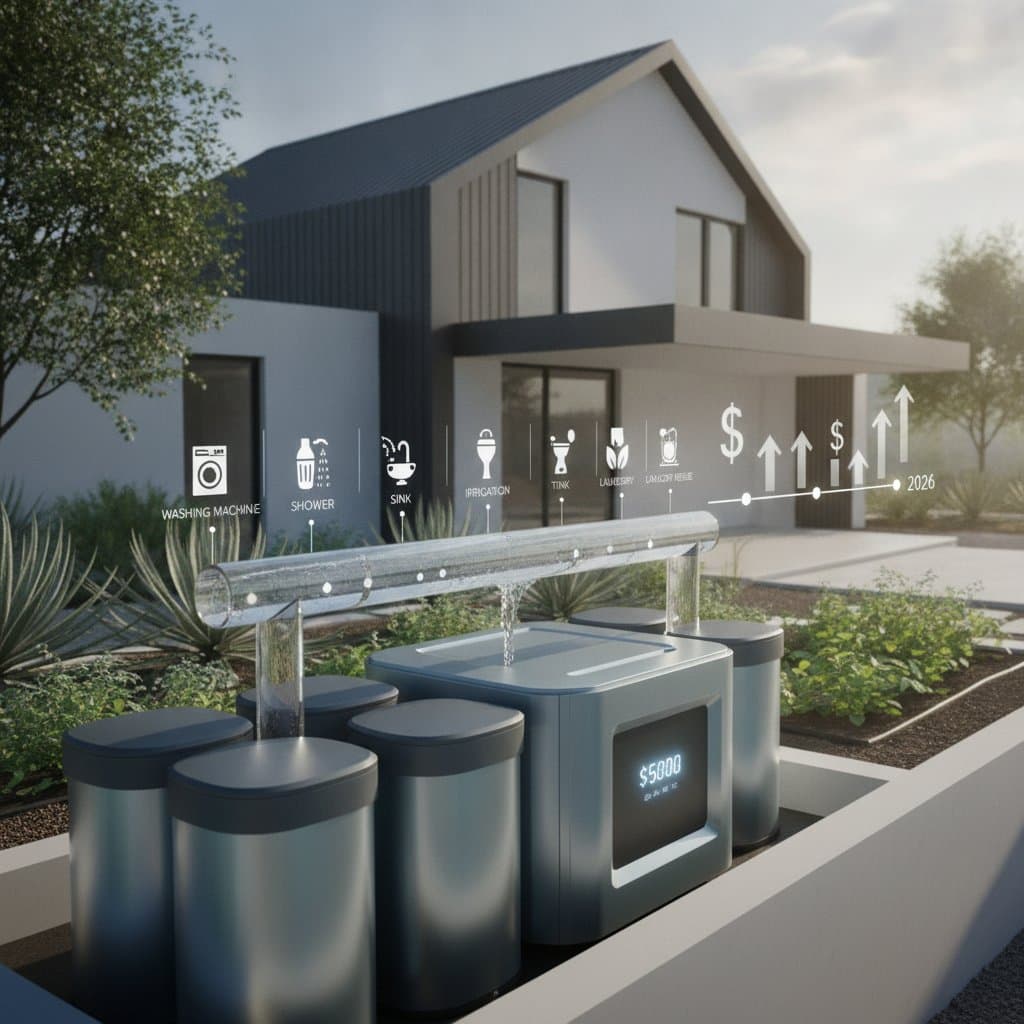
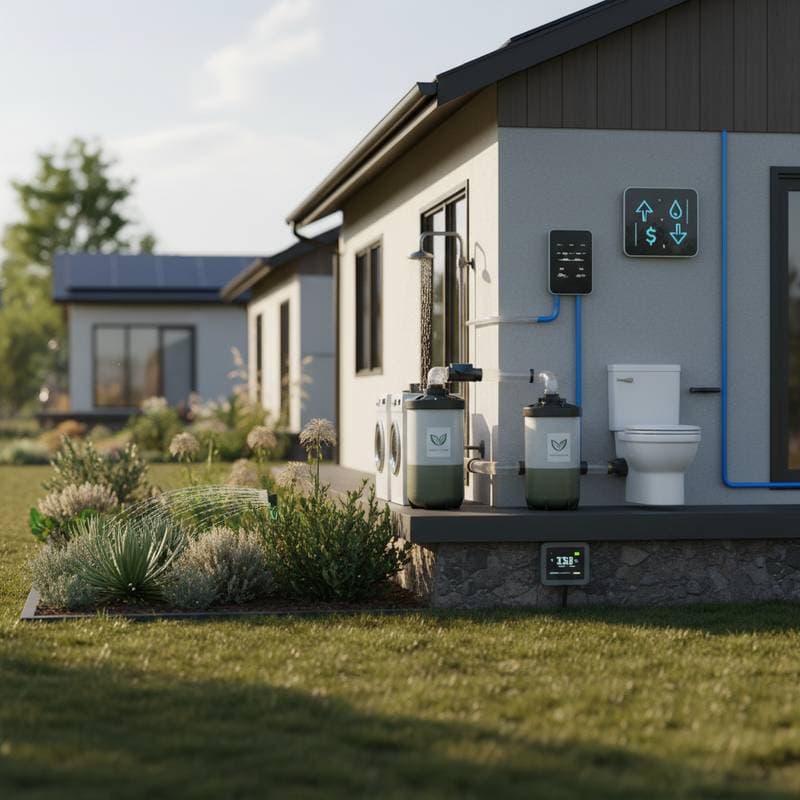
Greywater systems form a key element of sustainable home design. These systems recycle lightly used water from sinks, showers, and washing machines for applications such as irrigation or toilet flushing. The primary objectives include reducing water waste, decreasing utility bills, and contributing to local water conservation initiatives. Homeowners benefit from grasping the cost structure, permit requirements, and potential long-term savings before proceeding with installation.
Greywater Cost Fundamentals
Pricing for greywater systems differs based on home size, system complexity, and regional regulations. Nationally, installation costs average between one thousand and eight thousand dollars. Systems focused solely on outdoor irrigation generally cost less, whereas those handling whole-home redirection to toilets or laundry applications command higher prices.
Regional differences play a major role. In arid or drought-affected regions, elevated costs arise from rigorous permitting and inspection processes. Wetter areas often permit simpler designs that comply with codes and thus reduce expenses. Labor costs vary as well; urban plumbers may charge two hundred dollars per hour, compared to half that amount for rural professionals.
Seasonal demand influences pricing. Dry periods see increased interest in water-saving solutions, prompting contractors to raise rates. Material expenses shift with supply chains and local stock of tanks, pumps, and filters. Broader factors such as inflation, energy prices, and municipal water rates further affect the overall budget.
Pricing Models and Structures
Providers employ diverse pricing approaches. Hourly billing suits retrofits or modest irrigation projects where work scope may evolve. Flat-rate options prevail for new builds or standardized setups with predefined elements.
Project-based models encompass design and installation phases. A contractor could propose four thousand dollars for a full system, covering design, permits, labor, and materials. Bundling with rainwater harvesting or drip irrigation lowers costs through shared labor and bulk equipment purchases.
Maintenance subscription plans are gaining traction. These include monthly services like filter cleaning, pump checks, and performance evaluations. Such plans appeal to homeowners seeking consistent reliability and regulatory adherence over sporadic servicing.
Service Tiers and Their Price Points
Basic systems gather greywater from one source, like a washing machine, and route it to garden beds. Prices fall between one thousand and two thousand dollars, with limited permit needs. These suit small households or initial trials before broader implementations.
Standard systems manage inputs from showers and sinks, incorporating filtration, storage, and distribution mechanisms. Costs range from three thousand to six thousand dollars, influenced by plumbing layout and accessibility.
Premium systems enable indoor reuse, such as for toilets, with advanced filtration and backflow prevention. Installations surpass seven thousand dollars, potentially reaching ten thousand for integrations with smart home features.
Bespoke installations tailor solutions for expansive properties or multi-unit structures. Engineered by specialists, these may blend rainwater and greywater sources, with costs exceeding twenty thousand dollars based on capacity and automation.
Key Variables Influencing Greywater Pricing
Multiple factors determine project expenses:
- System scope: Expansive designs for indoor and outdoor use demand additional components and plumbing lines.
- Complexity level: Automated sensors, multiple filters, or smart controls elevate material and labor demands.
- Installation time: Retrofitting existing homes extends labor over several days, unlike streamlined new-construction integrations.
- Material quality: Durable pumps, UV disinfection units, and resistant tanks enhance longevity at a premium price.
- Permitting demands: Jurisdictions requiring engineering drawings or multiple inspections incur extra fees and delays.
Add-on Services and Supplemental Charges
Optional services encompass design consultations, soil assessments, and ongoing monitoring. Consultations cost two hundred to five hundred dollars to align with plumbing codes. Soil tests for irrigation placement run about one hundred dollars.
Recurring costs involve filter changes every six to twelve months, priced at thirty to seventy dollars per unit. Pump servicing or replacements every few years add two hundred dollars or more.
Expedited installations, completed in under a week, attract ten to twenty percent surcharges. After-hours emergency work doubles standard labor rates. Performance warranties, while raising initial costs, shield against future repairs for multi-year periods.
Permit Requirements and Inspection Costs
Permits ensure systems avoid contaminating drinking water or posing health risks. Basic laundry-to-landscape setups often need only a plumbing permit of fifty to two hundred dollars. Comprehensive home systems require environmental approvals, pushing fees to five hundred dollars or higher.
Inspection charges vary by locality; some integrate them into permits, others bill separately. Verifications cover backflow devices, labeling, and discharge safety. Failed inspections lead to delays and additional reinspection costs.
Homeowners must review insurance policies for required documentation on plumbing alterations. Noncompliance might jeopardize claims following water incidents.
Economic and Environmental Factors
Savings hinge on local water rates and household patterns. High-rate areas yield payback in five years. Lower-rate zones extend this timeline.
Households typically reduce outdoor water use by fifteen to forty percent. Properties with irrigation-heavy landscapes realize significant gains, potentially saving thousands over ten years.
Beyond finances, these systems lessen freshwater strain, aiding municipal goals and easing treatment plant loads. Local rebates or tax credits may offset costs; verify availability through water agencies.
Professional Insights and Consumer Considerations
Water efficiency consultant Maria Rivas notes that professional installations minimize maintenance challenges. She states that qualified plumbers enhance system durability by matching components to codes. Her firm finds over seventy percent of service calls stem from DIY efforts lacking adequate filtration or backflow protections.
Surveys indicate high satisfaction among adopters, driven by bill reductions, drought preparedness, and ecological benefits. Challenges center on opaque permitting and varying regulations.
To sidestep errors, obtain several quotes, confirm licenses, and review references. Evaluate system layouts, capacities, and warranties for distinctions. Assessing maintenance needs aids in calculating lifetime expenses.
Steps to Implement a Greywater System
Start by analyzing water usage and accessible sources, then engage a code-savvy plumber. Incorporate permit fees, maintenance budgets, and rebate potentials into your evaluation. This methodical process maximizes savings and sustainability gains for your home.