Why Fall Is the Ideal Time for HVAC Filter Replacement
As temperatures drop and heating systems activate more frequently, airborne particles like dust, pollen, and leaves increase. A clogged filter restricts airflow, forcing the HVAC unit to work harder and consume more energy. Regular swaps in fall prepare your system for winter demands, potentially reducing bills by up to 15 percent according to industry estimates.
Fresh filters also capture more contaminants, leading to healthier indoor environments. Families with allergies or respiratory concerns benefit most from this seasonal ritual. Start by noting your current filter's condition; if it appears discolored or dusty, replacement becomes urgent.
Understanding Filter Types and Selection
HVAC filters vary in material and performance to suit different needs. Fiberglass filters offer basic protection at low cost but capture only larger particles. They suit budget-conscious homeowners with minimal air quality issues.
Pleated filters provide greater surface area for improved trapping of dust and allergens. Available in various MERV ratings, which measure filtration efficiency, these options balance cost and effectiveness for most residences.
Electrostatic filters use static charges to attract particles, enhancing capture without dense media. Ideal for pet owners, they reduce dander and fur circulation effectively.
HEPA filters excel in removing 99.97 percent of particles as small as 0.3 microns, perfect for allergy sufferers or those in polluted areas. However, their high resistance requires compatible systems to avoid strain.
Activated carbon filters neutralize odors and volatile organic compounds from cooking or cleaning products. Combine them with pleated types for comprehensive air purification.
To choose the right filter, assess your home's size, system age, and occupant health needs. Consult your HVAC manual for recommended MERV levels, typically 8 to 13 for standard homes. Higher ratings demand stronger blowers, so test compatibility to prevent reduced airflow.
Step-by-Step Guide to Replacing Your Filter
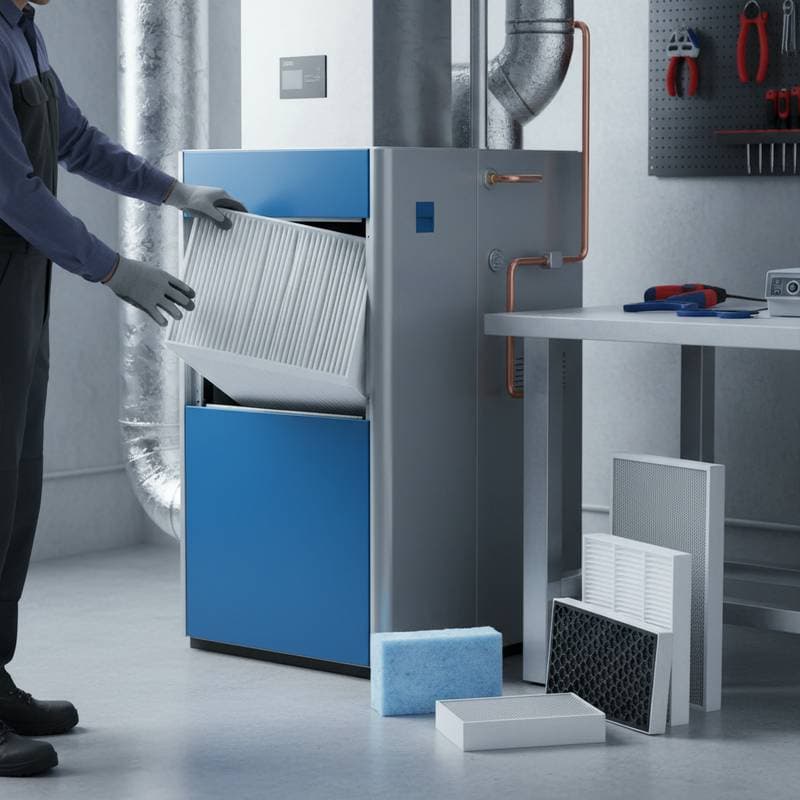
Locate the filter slot, usually near the return air duct or furnace. Shut off the system power for safety. Slide out the old filter and note the airflow direction indicated by arrows, which point toward the blower.
Measure the slot dimensions if unsure of size; filters come in standard sizes like 16x25x1 inches. Insert the new filter with arrows facing the correct way to ensure proper function.
For washable filters, rinse under running water, avoiding soaps that leave residue. Dry completely before reinstalling to prevent moisture-related mold growth.
Perform this task every one to three months, depending on usage and environment. In fall, aim for monthly checks as heating cycles stir up debris.
Common Installation Pitfalls and Prevention
Many homeowners overlook airflow orientation, installing filters backward and cutting efficiency by 50 percent. Always align arrows with the system's intake direction.
Mismatched sizes create gaps that allow unfiltered air to enter, diminishing benefits. Double-check measurements and use foam seals if needed for a snug fit.
Incomplete cleaning of reusable filters leaves behind particles that foster bacterial growth. Scrub thoroughly and inspect for damage before reuse.
Overly restrictive filters with MERV ratings above 16 can overburden smaller units, raising energy use and risking motor failure. Select based on manufacturer guidelines for optimal balance.
Addressing these errors maintains system health and sustains comfort levels throughout the season.
Routine Maintenance for Long-Term Performance
After filter installation, examine vents for obstructions like furniture or rugs that impede circulation. Clear them to promote even air distribution.
Inspect ductwork for visible leaks or insulation wear, which waste energy. Seal minor gaps with mastic tape if accessible.
Verify thermostat accuracy by comparing readings with a separate thermometer. Calibrate or replace batteries as necessary for precise control.
Vacuum the area surrounding the furnace to eliminate accumulated lint and dust, sources of potential fire hazards.
Homeowners who follow these practices experience fewer breakdowns and consistent temperatures. One family reported saving $120 annually on heating after adopting quarterly filter changes and vent cleaning, noting less dust on surfaces and better overall well-being.
Persistent problems such as uneven heating or unusual smells signal underlying concerns like dirty coils or duct blockages. Engage a certified professional for thorough diagnostics.
Maximizing Benefits Through Ongoing Habits
Incorporate filter checks into your monthly routine alongside tasks like changing smoke detector batteries. Track replacements in a calendar to stay proactive.
Consider smart thermostats that remind you of maintenance schedules, integrating seamlessly with modern HVAC setups.
By prioritizing these steps, you not only lower operational costs but also extend your system's lifespan by years. Cleaner air and reliable performance create a more inviting home environment, especially during colder months.