Quarterly HVAC Filter Replacements: Enhance Indoor Air Quality
Clean indoor air extends beyond mere comfort. It safeguards the home, promotes well-being, and preserves the HVAC system. The air filter in the heating and cooling unit captures dust, pollen, and debris continuously. Neglect leads to clogging, diminished airflow, equipment strain, and pollutant dispersal within living areas. Quarterly filter replacements restore optimal function and yield tangible improvements in air purity.
The Importance of Regular Filter Replacements
Every HVAC system relies on robust airflow. A soiled filter impedes circulation, compelling the blower motor to exert extra effort. This escalation over time increases utility expenses and curtails system longevity. Industry experts indicate that consistent filter replacements can decrease energy consumption by up to 15 percent and avert unforeseen failures.
A blocked filter retains moisture, fostering mold proliferation. Such accumulation disperses tiny spores that exacerbate allergies and respiratory ailments. Residences with pets or tobacco use experience accelerated filter loading, rendering quarterly replacements the prudent standard for typical households.
Establishing a Dependable Replacement Schedule
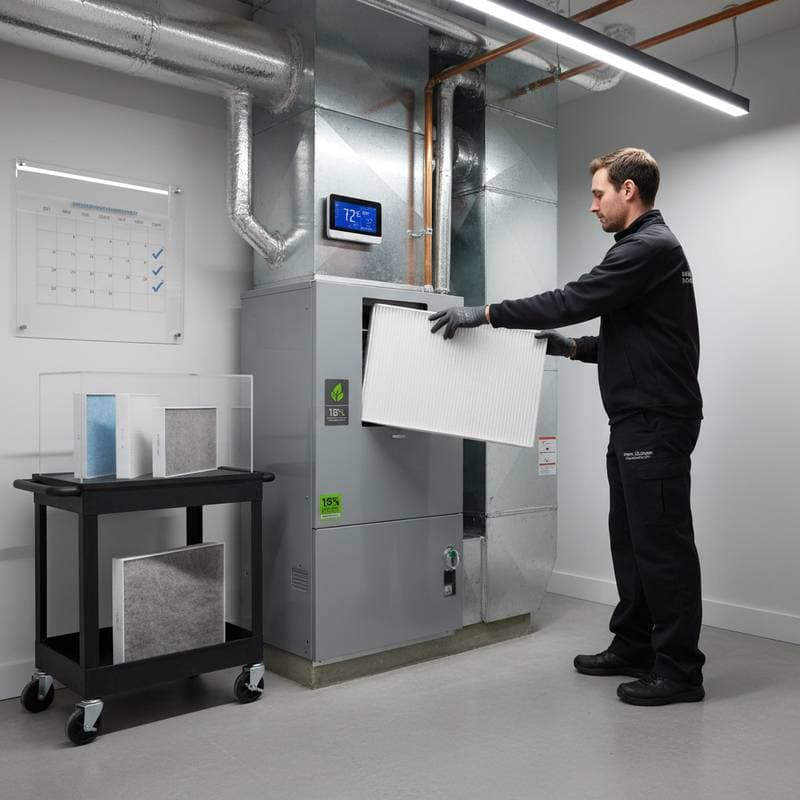
Quarterly replacements entail four changes annually. Calendar notations or associations with seasonal duties facilitate adherence. Homeowners frequently align filter updates with smoke detector verifications or gutter clearances.
Consider these targeted timings:
- Early spring, ahead of pollen peaks.
- Mid-summer, during peak air conditioning operation.
- Early fall, prior to heating demands.
- Late winter, amid lowest indoor humidity levels.
This cadence sustains balanced airflow year-round. Properties in dusty locales or adjacent to construction sites might require slightly more frequent intervals.
Selecting Appropriate HVAC Filters
Filters differ in composition, durability, and capture efficiency. The MERV rating, denoting Minimum Efficiency Reporting Value, quantifies particle entrapment. Elevated MERV values signify superior filtration, yet not all systems accommodate high-resistance variants.
- MERV 1-4: Offers foundational defense against coarse dust. Suitable for aging systems or interim applications.
- MERV 5-8: Intercepts common household dust, pollen, and fibers. Appropriate for conventional homes.
- MERV 9-12: Eliminates finer elements such as pet dander and mold particles. Recommended for allergy-sensitive environments.
- MERV 13+: Secures bacteria and subtle smoke residues. Optimal for contemporary units engineered for dense media.
To determine compatibility, review the equipment manual or engage a certified HVAC specialist.
Self-Guided Replacement Versus Expert Service
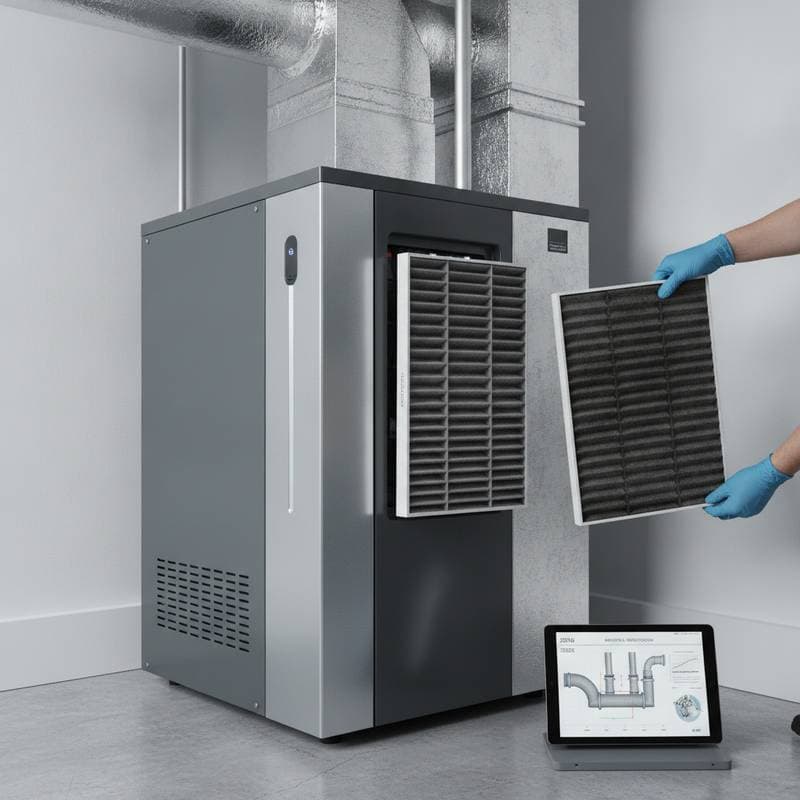
Filter substitution qualifies as a straightforward procedure for most residents. The process generally includes deactivating the unit, detaching the access cover, extracting the worn filter, and installing the fresh one oriented correctly per airflow indicators on the frame.
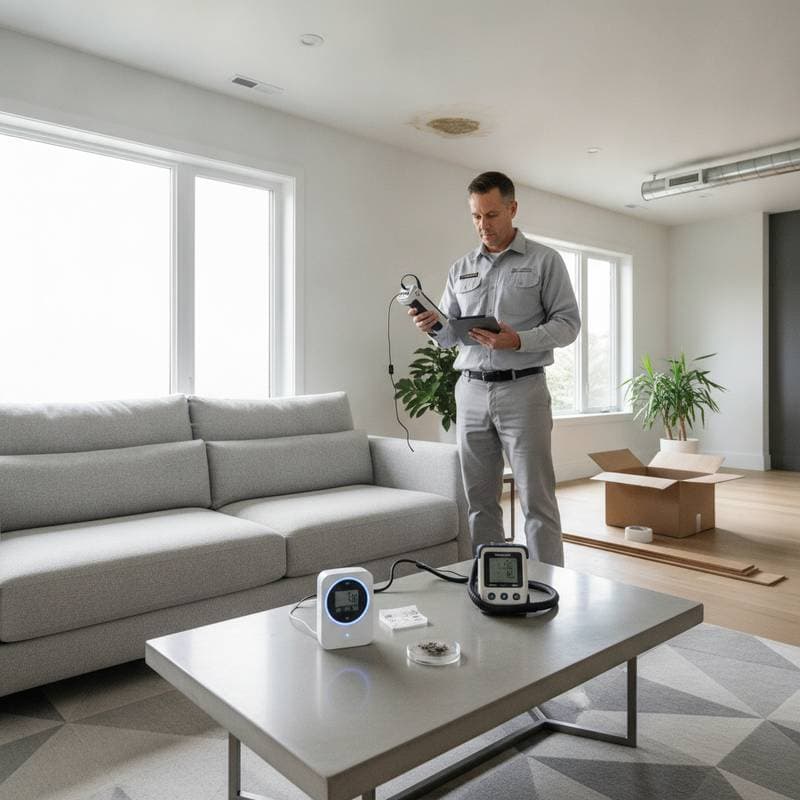
Annual or biannual professional evaluations remain advisable. Technicians examine ducts, cleanse core elements, and validate filter suitability relative to airflow tolerances. Integrating personal maintenance with specialist oversight mitigates expensive repairs and elevates air cleanliness.
Financial and Performance Factors
Filter prices range from modest sums to premium options exceeding twenty dollars. Budget variants may necessitate quicker turnover. Superior filters endure longer, seize subtler particles, and elevate operational efficiency. This upfront expenditure ultimately alleviates system stress and trims power charges.
Energy Star data reveals that pristine filters can lessen HVAC expenses by up to 10 percent. Consequently, maintenance economies frequently offset filter acquisitions.
Health and Safety Advantages
Improved circulation diminishes ambient dust, preserving furnishings and surfaces. Critically, it curbs irritants provoking sneezes, weariness, or migraines. The Environmental Protection Agency observes that indoor atmospheres often surpass outdoor pollution levels. Routine filter replacements serve as a primary countermeasure against these unseen threats.
Dwellings housing young children, elderly individuals, or asthma sufferers derive substantial alleviation from diligent filter care. Complement with periodic duct sanitation and humidity regulation for maximal outcomes.
Sustaining System Longevity Through Routine Care
The HVAC unit represents a major residential asset. Quarterly filter replacements ensure efficient performance and prolong service life. Incorporate this practice into broader upkeep routines, utilize alerts, and stock extras.
Pristine filters deliver purer air, reduced expenditures, and diminished disruptions. Such measures secure seasonal ease and vitality, rendering the home a secure, respirable haven indefinitely.