Why Fall Demands Your HVAC Filter Swap
Cooler weather signals a transition from air conditioning to heating for most homeowners. This seasonal shift presents an ideal opportunity to replace the HVAC filter. A fresh filter maintains system efficiency, safeguards indoor air quality, and averts expensive repairs. Neglecting this routine maintenance increases energy expenses and places undue stress on the furnace or heat pump.
Seasonal Shifts Affect Your System
Summer months bring high humidity and intensive air conditioner operation. By fall, filters accumulate substantial dust, pollen, and pet dander. When heating begins, a dirty filter impedes airflow, compelling the blower motor to labor excessively and potentially reducing its operational lifespan.
Installing a new filter prior to heating season provides the system with a clean foundation. This action also stops accumulated particles from dispersing throughout the home as the furnace activates. Homeowners frequently observe reduced surface dust and diminished allergy symptoms shortly after the replacement.
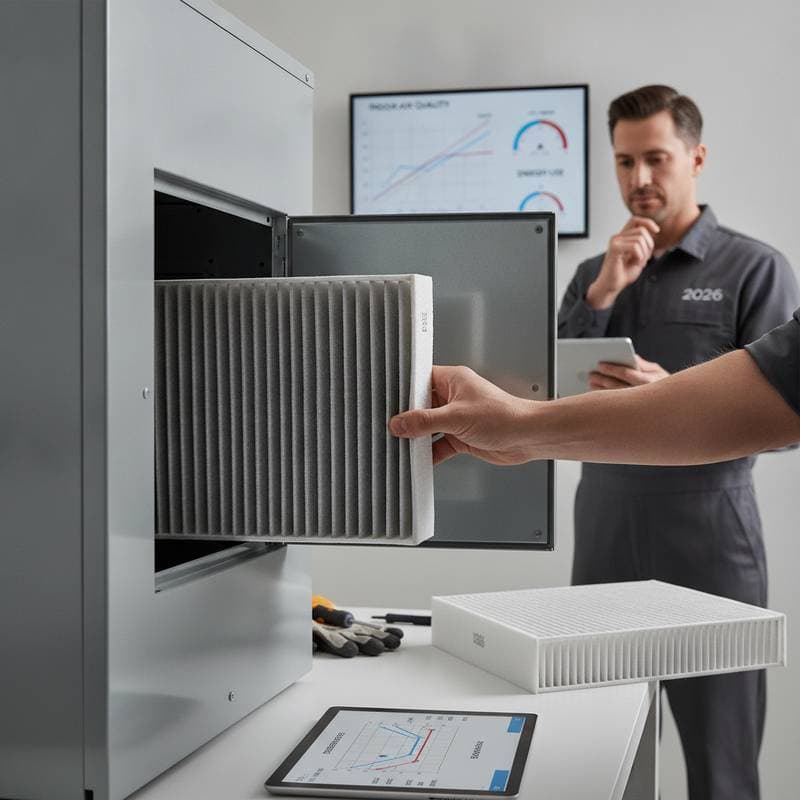
To assess filter condition, examine it visually for discoloration or debris buildup. If the filter appears gray or clogged, immediate replacement becomes essential. This simple check ensures optimal performance during the colder months.
The True Cost of a Dirty Filter
Energy Star reports indicate that a clogged filter elevates energy consumption by as much as 15 percent. Poor airflow extends equipment run times, resulting in elevated utility bills and accelerated component wear. Severe blockages may cause the evaporator coil or heat exchanger to overheat, activating safety mechanisms or inflicting permanent damage.
Replacement filters typically range from 10 to 40 dollars, varying by size and quality. In contrast, repairs stemming from airflow restrictions often exceed several hundred dollars. Thus, filter swaps represent a cost-effective preventive measure that any homeowner can perform independently.
Consider the long-term savings: consistent maintenance avoids emergency service calls, which average 200 to 500 dollars for common issues like motor failures. By addressing the filter proactively, homeowners protect their investment and sustain reliable heating performance.
Choosing the Right Filter
Filters differ in effectiveness, making selection crucial for system compatibility and air quality benefits. The Minimum Efficiency Reporting Value, or MERV rating, quantifies particle capture capability.
- MERV 1–4: Offers basic filtration, appropriate for older HVAC systems or spaces with minimal activity.
- MERV 5–8: Serves as the standard choice for typical residences, effectively trapping dust, lint, and pollen.
- MERV 9–12: Provides enhanced protection ideal for households with pets or individuals prone to allergies.
- MERV 13–16: Delivers superior efficiency, capturing fine particles such as bacteria and smoke.
Review the HVAC system manual or seek advice from a professional before selecting a higher MERV rating. Certain high-efficiency options may limit airflow in systems not engineered to accommodate them, leading to inefficiency or strain.
For optimal results, match the filter size precisely to the slot dimensions, usually listed as width by height by depth in inches. Pleated filters, with their increased surface area, often outperform flat panel types in particle removal while maintaining adequate airflow.
Timing Your Filter Changes
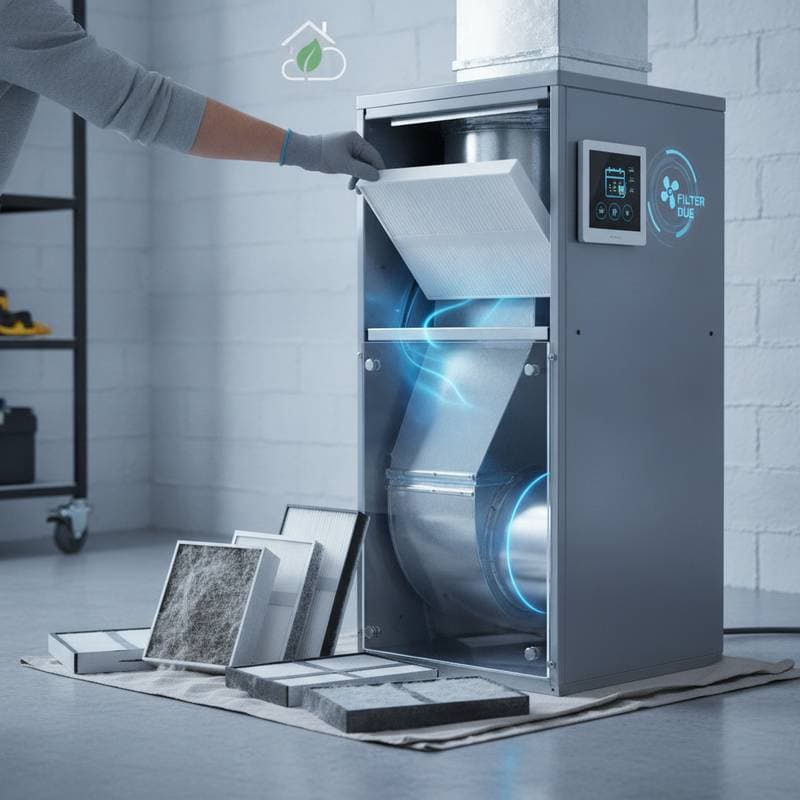
Disposable filters generally endure one to three months of use. Pleated varieties may extend to six months, yet monthly inspections remain advisable. Residences with pets, ongoing construction, or significant dust levels necessitate more frequent replacements, perhaps every four to six weeks.
Establish seasonal reminders to maintain consistency. A calendar notification or thermostat annotation proves effective. Modern smart thermostats incorporate filter life trackers that alert users to impending needs.
Track usage patterns specific to your home: increased outdoor activities or seasonal pollen spikes may accelerate filter saturation. Adjust the schedule accordingly to preserve system health year-round.
Pro Tips for Success
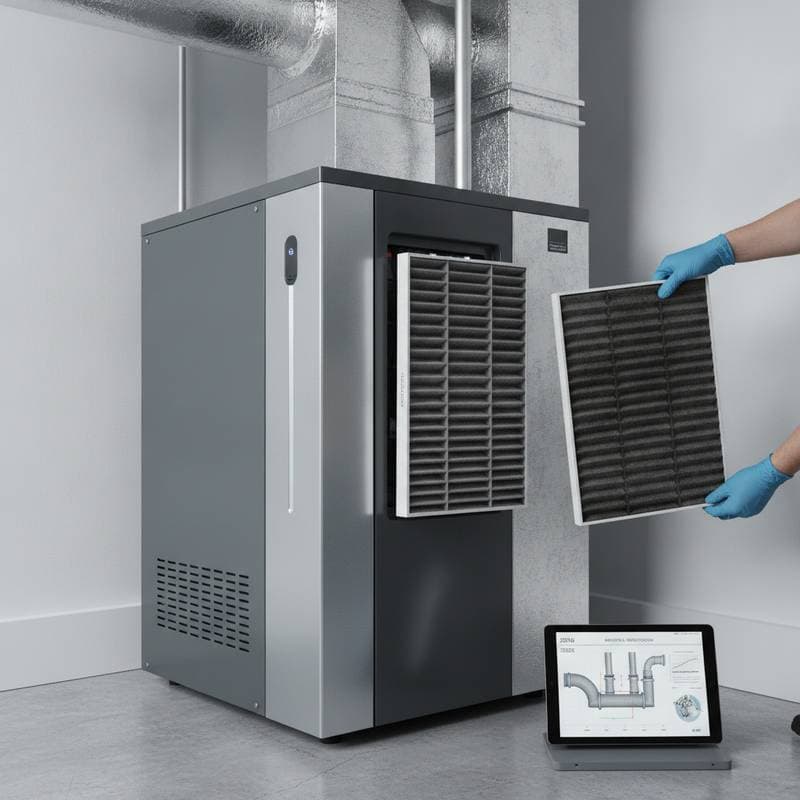
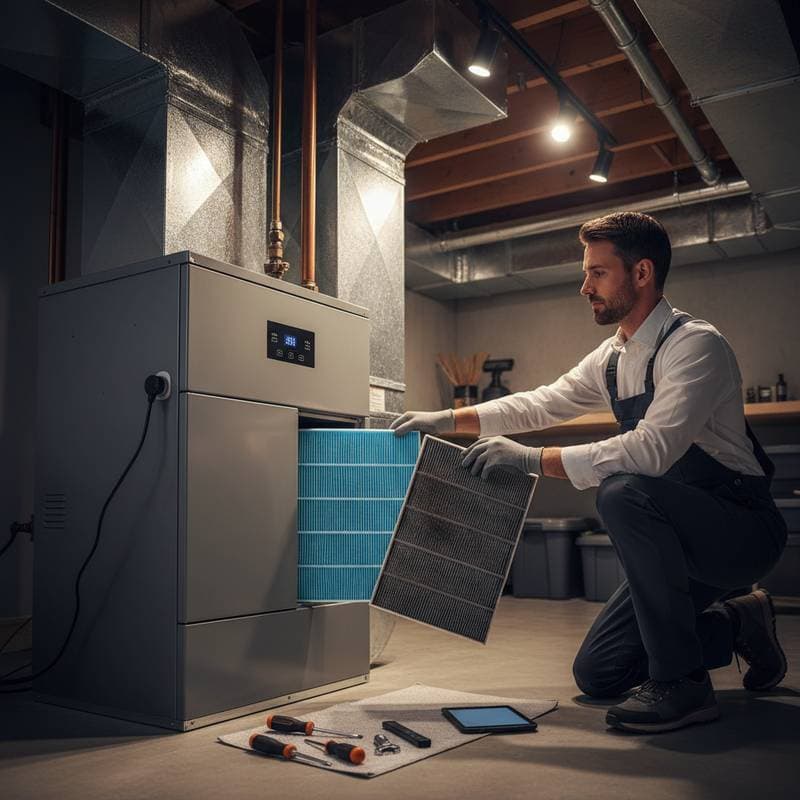
- Power down the HVAC system prior to filter removal to avoid dispersing debris into the ducts.
- Note the airflow direction arrows on the filter frame and orient the new filter identically.
- Vacuum the surrounding slot thoroughly to eliminate accumulated dust before installation.
- Mark the installation date directly on the filter edge for future reference.
Additional steps include wearing a mask during the process to minimize personal exposure to allergens. If the filter slot proves difficult to access, consult the system diagram or professional guidance to locate it safely.
Steps to Extend HVAC Longevity
Routine filter replacements foster steady comfort levels, reduced operational expenses, and purer indoor air. These practices alleviate stress on motors and coils, thereby prolonging equipment durability. View this maintenance as an accessible seasonal adjustment within your control.
As temperatures decline, a clean filter enables quiet, effective operation. Dedicate a brief period this fall to complete the swap. This effort yields substantial advantages in comfort, financial savings, and overall tranquility.